Weight loss that fits your goals and your life.
Get your plan
Weight loss that fits your goals and your life.
Get your plan
For many women, the 40s are some of the busiest years of their life. Between peaking careers, motherhood, and social engagements, many come home overwhelmed, only to face the question, “what’s for dinner?” daily, overwhelmed, this often leads to less-than-ideal food choices, with minimal nutritional value.
But what if we told you there was a way to strategically plan healthy meals, that set your weekly meal to auto-pilot?
This is where the strategic meal prep system comes in. A combination of full, component, and hybrid styles that can be scaled to suit your schedule.
In this article, we discuss the meal prep system for busy women over 40. We cover different full, component, and hybrid meal prep styles, efficient meal prep processes, and how to make it sustainable long-term.
Why Strategic Meal Prep Matters After 40
Women over 40 experience significant hormone and age-related changes that can impact their health. As they enter the fourth decade, reproductive hormones decline, decreasing metabolism, muscle mass and bone mass, and an increase of visceral fat and risk of chronic illness. Because of this, what you eat becomes more important than ever!
Below, we explore why strategic meal prep matters after 40, including the importance of consistency, how decision fatigue impacts healthy eating, metabolism, and regular, quality nutrition.
Consistency Beats Perfection in Nutrition
Consistency is one of the most powerful factors when it comes to creating a sustainable nutrition plan and achieving long-term results.
Often when people shift toward a healthy lifestyle, they become strict and adopt an all-or-nothing approach. While focusing on perfection can yield great results, it can be difficult to sustain as poor meal choice can feel like failures. This can leave you feeling discouraged, which can derail the plan altogether.
Meanwhile, consistency drops the all-or-nothing approach, allowing for the odd poor meal choice.
For example, say you consume four meals each day, seven days a week, totalling 28 total meals. Someone with an all-or-nothing attitude would view a bad lunch and a Saturday night fast food blowout as cause to ditch the plan. Meanwhile, someone focusing on consistency would view this as eating well 26 out of 28 meals, which approximately a 93% success rate!
Consistency isn’t about allowing food choices, but rather giving yourself grace and the ability to take a step back and see the bigger picture and remain focused.
Decision Fatigue and Healthy Eating
Decision fatigue creates a major barrier when it comes to healthy eating. Sources indicate the adults make approximately 35,000 decisions a day. This can become tiring, making it difficult to make subsequent decisions and control behaviour.
For many women, the stress, pressure, and constant decision making means that when meal time comes around it is easier to go with the easiest food choice which isn’t always the healthiest.
Meal preparation addresses this by condensing weekly planning and preparation into one day, minimizing decision-making and the barrier to consistent healthy eating.
Metabolism and Regular, Quality Nutrition
Meal prep is not just an excellent way to help you achieve your goals, it can have a compounding effect on your metabolism and overall health.
Studies show that improving food quality and changing macronutrient distribution was beneficial for supporting metabolic health.
This is likely due to quality nutritions focus on a balance of complex carbohydrates, protein, and healthy fats, providing the nutrient-density that sustains and protects many of the body’s systems.
Here is a list of tips for nutrient-dense meals.
- Eat Whole Foods: Consume the bulk of your daily intake from food that has undergone little to no processing. This will ensure nutrient-density.
- Lean Protein: Select protein sources without fat and skin removed. These include beef, chicken, pork, seafood, and plant-based protein sources (beans, peas, lentils).
- Healthy Fats: Focus on eating foods containing healthy fats including fatty fish (salmon, mackerel, herring, tuna), nuts, and seeds.
- Plant-Based Foods: Consumed five servings of fruit and vegetables each day. These should make up half of your plates.
Finding Your Meal Prep Style

Finding the right meal prep style is essential for staying consistent with your nutrition plan. Below, we explore the different types of meal prep , how to determine which fits your schedule, and how to begin.
Full Meal Prep Vs. Component Prep Vs. Hybrid
There are three different types of meal preparation methods with each suiting different needs. Below we list each style, its benefits, and who they are suitable for.
Full Meal Prep
Full meal prep is when you perform a weekly shop and prepare your meal preparation for the entire week.
Benefits
- One shopping session and one cooking session for the entire week.
- Reduces decision-making to one day (shopping day), reducing fatigue.
- Meals available everyday
Cons
- Requires several hours for shopping and cooking.
- Cooking large batches can lack variety
- Set meals for the entire week.
Suitable For
- Suitable for people who have several hours to cook and prepare.
- Great for people with limited time to cook healthy meals during the week.
Component Prep
Component meal prep is when you prepare (chop, cut, dice) different ingredients and store them to create meals during the week. Preparing individual ingredients also means you can decide on the recipe based on the ingredients you have selected, increasing meal variety.
Benefits
- Reduces meal prep time
- Ingredients can be used for different recipes, meaning greater variety.
Cons
- Ingredients lose freshness.
- Still requires prep.
Suitable For
- Individuals with time to prepare meals during the week.
- People who like variety with their weekly meals.
Hybrid Prep
Hybrid prep combines full meal prep and component prep, which is allows for flexibility and time efficiency. For example, some people prep components of breakfast smoothies for easy blending in the morning, while preparing lunches and dinners. This of course can be modified to suit your schedule, making it very appealing for individuals who like structure with a little variety.
Benefits
- Customizable, allowing you choose your full prep and component prep meals to suit your schedule.
- More variety than full meal prep.
Cons
- Still requires cooking for component prep meals.
Suitable For
- Suitable for individuals who require structure, but still like flexibility.
- Great for those with a little more time to prepare meals.
Determining What Fits Your Schedule
One of the most effective ways to determine your ideal meal prep type is by selecting one that fits your schedule.
For example, if you have a busy lunch time and evening schedule during the week, the full meal prep is best. This will provide you with healthy options during the busiest times of the day.
Meanwhile, if you are a busy mum who battles a morning rush, but has just enough time to prepare lunch and dinner, then component prep may be more suitable.
The best way to determine this is to identify the times you will struggle to prepare your meals, and which style would suit your preferences. If you are unsure, trial different types. This will help you find the right fit which will lead to long term sustainability.
Starting Simple and Expanding
Doing meal prep doesn’t have to be a complete overhaul filled with complicated recipes, it can be done gradually.
For example, choose the meal (e.g., breakfast, lunch, dinner) you find most difficult to prepare, and prepare that meal for one week. This will help you understand the process of meal prep without the time commitment of shopping and preparing for every meal.
Once you are comfortable with this and try different prep styles, you can begin to expand and prepare more meals. While this is slower to implement, it is far less overwhelming, making it easier to sustain.
Efficient Meal Prep Process (2-3 Hours Weekly)

Efficient meal prep is essential for sustainability and achieving long-term results. Below, we explore efficient meal planning, including planning grocery shopping, time blocking and batch cooking, and how to create a labelled storage system.
Planning and Grocery Shopping Strategically
Streamlining the planning and grocery shopping is essential for efficient meal prep. While selecting several different recipes is excellent for variety, it also means having to buy more ingredients which can add up.
The key is to strategically select recipes that have similar ingredients. This will make both shopping and prep easier.
For example, if you are planning on cooking a healthy chicken curry with mixed vegetables for dinner or lunch, use the same ingredients to create seasoned air fired chicken and mixed vegetables.
Over the course of the week you can assess which meals you enjoyed, and which you would like to replace for the following week, including any changes to ingredients. This will keep things interesting, improving sustainability.
Time-Blocking and Batch Cooking
Creating time-blocks and batch cooking can improve prep efficiency. For example, many people block out and dedicate their Sunday afternoon for full meal prep, opting to complete it all in a single session.
Batch cooking on the other hand refers to cooking a batch of meals from one recipe to be consumed for different meals across the week. This is convenient because it reduces the duration of cooking sessions, however, it does mean you will need to cook more frequently for your other meals.
Storage and Labeling System
Storing and labelling your meals and ingredients is a helpful way to improve efficiency and reduce waste.
Here is a list of storage tips to keep your meals fresh and reduce waste:
- Food-Safe Containers: Using airtight, food-safe containers ensure that your food remains fresh and stops meals from spoiling.
- Refrigerate Quickly: Store within two hours of cooking for freshness and safety.
- Order Oldest to Newest: Organize your freezer or fridge by positioning your older meals at the front and newer meals at the back. This will help you keep track of which meals to eat first, reducing waste.
- Fridge For Now, Freeze For Later: Meals that you are consuming in the next few days should be stored in the freezer. For anything to be eaten later in the week (3–4 days later) it should be stored in the freezer.
Labelling container is optional and while it is helpful for tracking meals and cooking dates, it does require additional time. However, if you don’t want a label, you can just organize your meals by day or by type, such as keeping your lunches and dinner on separate shelves or spaces. This makes them easier to identify and keep track of.
Breakfast Prep Systems

For many women, breakfast can be the busiest time of the day. This means that meal prep needs to be efficient to maximize time. Below, we discuss a breakfast prep system, including make-ahead options, grab-and-go solutions, and quick morning assembly meals.
Make-Ahead Breakfast Options
Make-ahead breakfast options are great for adding some excitement to your mornings. Here is a list of breakfast options which can be prepared ahead of time.
- Bacon, Hash, and Egg Muffins
- Chia Pudding with Chia Seeds, Mixed Berries, Greek yogurt, Unsweetened Almond Milk
- Oatmeal Bake with Frozen Berries and Greek Yogurt
Grab-and-Go Solutions
Here are some grab-and-go breakfast meals that can be made ahead of time and taken with you on those busy mornings.
- Overnight Oats with Banana, Mixed Berries, Unsweetened Almond Milk
- Breakfast Burrito
- Egg and Shortcut Bacon Breakfast Muffins with Low Fat Cheese
Quick Morning Assembly Meals
The following morning assembly meals are great for component meal preppers. Here is a list of fresh breakfast options to help you save time.
- Banana and Mixed Berry Smoothie
- Blue Berry Smoothie Bowl
- Black Bean Breakfast Bowl
Lunch and Dinner Prep Strategies
Lunch and dinner times can be difficult times to prepare healthy, nutritious meals. Here is a list of prep strategies, including mix and matching using the component system, complete meal assembly, and freezer-friendly options.
Mix-and-Match Component System
The benefit of the component system is that you mix and match ingredients and change recipes as you go.
For example, sweet potato is a complex carbohydrate which can increase volume and be used to provide sustainable energy. Dicing it at the beginning of the week means you can add it to breakfast hash, salads for lunch, and mashed or roasted for dinners.
Component prepping also means you can try different combinations of ingredients, altering the flavors of dishes, which increases variety.
Complete Meal Assembly
Time constraints around lunch and dinner make these meal times suitable for complete meal assembly. However, the difficult part is adding variety without needing to cook so many different dishes. Below, we list some helpful tips for efficient and complete meal assembly.
- Use 2–4 Recipes/Week: Keeping your recipes to this amount minimizes the number of dishes to make prep less time consuming, while adding just enough variety to keep meal time interesting.
- Simple Recipes: Simple recipes will make meal prep less complicated. This can be done by choosing less complicated recipes, meal with shorter prep time, using spices instead of marinades, and dishes that contain fewer ingredients.
- Use Similar Ingredients: Creating meals with similar ingredients reduces the total number of ingredients you need to find at the grocery store and prepare when cooking. This can streamline the decision making and cooking process.
- Choose Your Favourite Meals: Experimenting, discovering, and frequently preparing your favorite meals is a great way to improve diet adherence. The more you enjoy what you eat, the more likely you are to stick to your meal prep and plan.
Freezer-Friendly Options
Freezer-friendly options are helpful when preparing food to be eaten 3–4 days after prep. Below we list lunch and dinner meal prep ideas that are freezer-friendly.
- Smoothies Bags: Smoothie bags containing chopped fruits, nuts, and seeds are the perfect freezer-friendly option. When it is time to blend, just add milk or water, and it's ready to drink.
- Burritos: Burritos are great freezer-friendly option, but there are some tips. Ensure your ingredients are cooled before constructing your burritos, avoid watery ingredients and create a moisture barrier between vegetables and the tortilla to stop it from going soggy.
- Soups: These are great for freezing as they reheat easily while remaining relatively close to the original cooked form. Just be sure to avoid adding rice and pasta as they can become soggy.
- Stews: Stews are a great freezer-friendly food as the ingredients fuse together which intensify flavors. Like soups, these too maintain form and are easily reheated.
- Lasagna: Lasagnas layered form make it great for freezing. The process also can also intensify flavors, while helping to maintain and improve its dense form.
- Quiche: Like many other freezer-friendly foods, quiche's ingredients hold and maintain texture after reheating. It can also be stored in different portion sizes for main meals or snacks.
Making Meal Prep Sustainable Long-Term

Meal prep is undoubtedly convenient during the week, however, planning and prep can affect long-term sustainability. Below, we discuss how to improve sustainability, including preventing burnout, how to keep meals interesting, and adapting for seasons and schedules.
Preventing Prep Burnout
While meal prep minimizes decision-making throughout the week, it is condensed into a single labor intensive time slot. This can be tiring, especially if you are doing full meal prep.
To reduce burnout you need to make the process more efficient by choosing familiar recipes, limiting the number of ingredients, and selecting easy to prepare meals.
We also recommend adopting a hybrid prep model and batch cooking. This can take a little more time but it will make prep easier.
Keeping Meals Interesting
Changing up your recipe rotation is essential for meal prep sustainability. While it can be tempting just to cycle the same meals for breakfast, lunch, and dinner, week in, and week out, it will get boring fast.
We recommend trying 2–3 different recipes each week. These can be ones that you already know, or new ones you would like to try.
This can be done by swapping out the meals you didn’t enjoy or which made meal prep more complicated. Not only will this help you increase variety, it will improve your efficiency.
Adapting For Seasons and Schedules
Adapting your meal prep for seasons and your schedule is essential if you want to continue doing it long-term.
Meal prepping around seasonal ingredients will make shopping easier as produce is more readily available and can be less expensive.
While adapting prepping to your schedule can stop you from forcing prep. For example, while it can be tempting to push through with a full prep on a Sunday night after a busy weekend, it may be better to adopt the hybrid model.
Sure, this may mean more work later in the week, but it decreases unwanted pressure that makes you dread your weekly meal prep sessions.
Family-Friendly Meal Prep
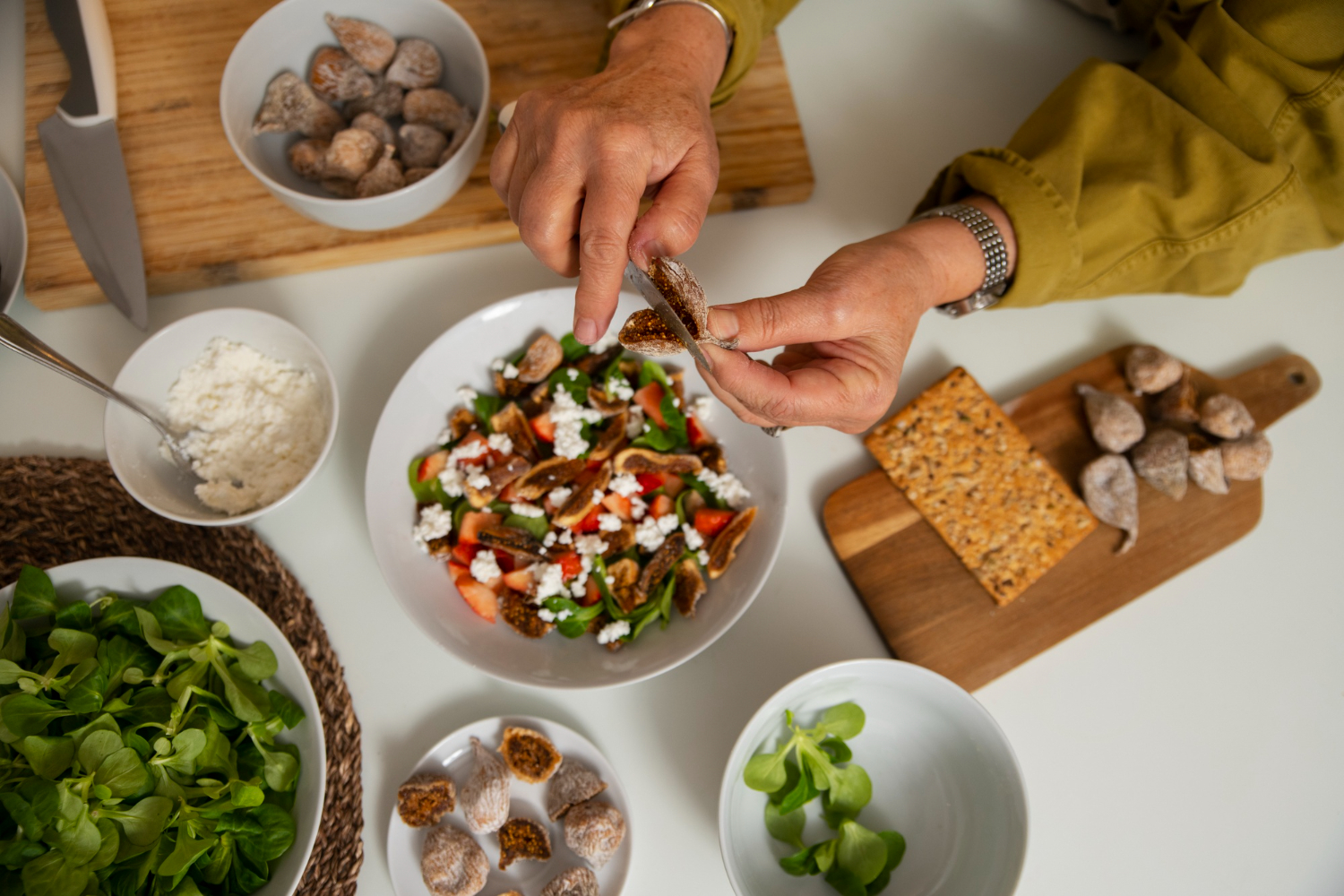
One of the hardest things to do when meal prepping is having to feed the rest of the family. Below, we discuss famil;y-friendly meal prep, including how to do both simultaneously, how to component cook for flexibility, and get your family to buy-in.
Feeding Family and Self Simultaneously
Balancing meal prep and feeding the family can be challenging, especially if your family prefers different recipes. However, there are several things you can do to make it work without dramatically increasing prep time.
Here is a list of ways you can feed your family and self simultaneously.
- Prepare Similar Recipes: Preparing dishes which are similar to each other means that you prepare similar ingredients and just change up the sauces or cooking process. For example spaghetti bolognese is an easy family favourite which can share ingredients with a health stew.
- Create Healthy Alternative: Cooking healthy alternatives to family favorites can help keep prep times down while keeping the family happy. Burritos, lasagnas, pasta, and grilled meats are easy go-to meals that can be modified to healthier options.
- Component Prep: This is one of the many strengths of the component prep approach. It allows you to plan meals with similar ingredients which makes them easier to prepare simultaneously.
- Batch Cook: Prepping a select number of meals in a batch allows you to create a handful of healthy meals for yourself, freeing up time during the week to cook for the family.
Component Cooking For Flexibility
As mentioned, component cooking is great for flexibility and variety. Simply choose recipes with similar ingredients, prep them, and have them ready to add when cooking. This not only helps reduce prep time, it will make things far less complicated.
Getting Family Buy-In
Getting the family to buy-in and participate in meal prep or healthy meals can dramatically reduce prep time. While your portions will need to be larger, you won’t need to juggle recipes, and ingredients.
Weight loss that fits your goals and your life.
Get your plan
Sources
- Pignatiello GA, Martin RJ, Hickman RL Jr. Decision fatigue: A conceptual analysis. J Health Psychol. 2020 Jan;25(1):123-135. doi: 10.1177/1359105318763510. Epub 2018 Mar 23. PMID: 29569950; PMCID: PMC6119549. https://pmc.ncbi.nlm.nih.gov/articles/PMC6119549/
- Castro-Barquero S, Ruiz-León AM, Sierra-Pérez M, Estruch R, Casas R. Dietary Strategies for Metabolic Syndrome: A Comprehensive Review. Nutrients. 2020 Sep 29;12(10):2983. doi: 10.3390/nu12102983. PMID: 33003472; PMCID: PMC7600579. https://pmc.ncbi.nlm.nih.gov/articles/PMC7600579/
FAQs
What are the benefits of meal prepping for women over 40?
Meal prepping can help women over 40 manage their busy schedules by reducing daily decision fatigue and ensuring consistent, nutritious meals. It aids in maintaining a balanced diet, which is crucial for metabolic health and combating age-related changes.
How can I start a meal prep system?
Begin by selecting a meal prep style that suits your lifestyle, such as full, component, or hybrid prep. Plan your meals for the week, create a shopping list, and dedicate a specific day to prepare and portion your meals.
Why is consistency more important than perfection in meal planning?
Consistency helps you maintain a healthy lifestyle without the pressure of perfection. It allows for occasional indulgences without feeling like you've failed, promoting a sustainable approach to nutrition.
Should I include snacks in my meal prep routine?
Yes, including healthy snacks in your meal prep can help manage hunger and prevent unhealthy eating choices. Opt for nutrient-dense options like nuts, fruits, or yogurt to keep your energy levels stable throughout the day.
How does meal prep help with decision fatigue?
Meal prep consolidates the planning and preparation of meals into one session, reducing the need to make multiple food-related decisions daily. This helps you stick to healthier eating habits without the stress of daily meal planning.