Weight loss that fits your goals and your life.
Get your plan
Weight loss that fits your goals and your life.
Get your plan
If you grew up in the 90s, fat was the enemy. Today, experts tell you fat is essential, perhaps necessary for health. For women over 40, the truth sits somewhere more specific: certain fats become critical for hormone production, brain function, and nutrient absorption as your body changes.
Essential fats for women over 40 are dietary fats that your body cannot produce on its own but requires for hormone synthesis, cellular function, and inflammation control. These include omega-3 fatty acids, omega-6 fatty acids in proper ratios, and monounsaturated fats from whole food sources. Studies show that a healthy diet composed of the right types of fat is key to healthy aging.
The confusion starts here: What types of fat qualify as essential? Which fats support your health versus those that harm it? This guide provides evidence-based answers on which fats to prioritize, how much to consume, and practical ways to include them without sabotaging weight loss goals.
Why Fats Become Critical After 40

Your body transforms through your 40s and beyond. These physiological changes make certain nutrients more important than they were in your 20s or 30s. Fat becomes something your hormones, brain, and immune system actively depend on for proper function. Research demonstrates that dietary fats are essential for weight loss contradicting decades of fat-phobic dietary advice.
Hormone production requires fat
Your body manufactures sex hormones from cholesterol, a lipid molecule. Estrogen is a steroid hormone derived from cholesterol through enzymatic conversions in ovarian tissue, adrenal glands, and adipose tissue. Progesterone is another steroid hormone synthesized from the same cholesterol precursor.
When estrogen and progesterone production drops during perimenopause and menopause, your body still requires the raw materials to synthesize what it can. The connection is direct: without adequate dietary fat and cholesterol, your endocrine system cannot produce hormones efficiently.
Your ovaries, adrenal glands, and fat tissue use lipids as building blocks for hormone synthesis. Restricting dietary fat below 20% of total calories can impair this process, leading to more severe menopausal symptoms and hormonal imbalances.
Brain health and cognitive function
Your brain consists of approximately 60% fat by dry weight. Myelin sheaths are lipid-rich protective coverings that insulate nerve fibers and enable rapid signal transmission between neurons. Brain cell membranes are phospholipid bilayers that require specific fatty acids particularly DHA (docosahexaenoic acid) to maintain their structure and fluidity.
Research shows that consuming omega-3 fats, specifically DHA, helps prevent cognitive decline in aging adults. Higher DHA intake correlates with better memory performance and faster processing speed in women over 40.
Beyond structural needs, your brain uses fat to produce neurotransmitters that regulate mood, motivation, and emotional stability. Serotonin and dopamine synthesis depends on adequate fat-soluble vitamins and essential fatty acids from your diet.
Reducing inflammation through fats
Chronic low-grade inflammation is systemic inflammation that persists at subacute levels, contributing to weight gain, joint pain, cardiovascular disease, and metabolic dysfunction. This type of inflammation increases with age and becomes a primary driver of age-related diseases.
Omega-3 fatty acids from fish and flaxseed produce specialized pro-resolving mediators compounds that actively resolve inflammatory processes rather than merely suppressing them. These mediators signal your immune system to transition from an inflammatory state to a healing state.
Research demonstrates that eating more omega-3 fats and balancing omega-6 intake helps women over 40 manage hormonal fluctuations more effectively through anti-inflammatory nutrition. The omega-3 to omega-6 ratio determines whether your diet promotes or resolves inflammation, making dietary choices a powerful tool for managing menopausal symptoms and overall health through the Reverse Health weight loss program.
Understanding Different Types of Fats
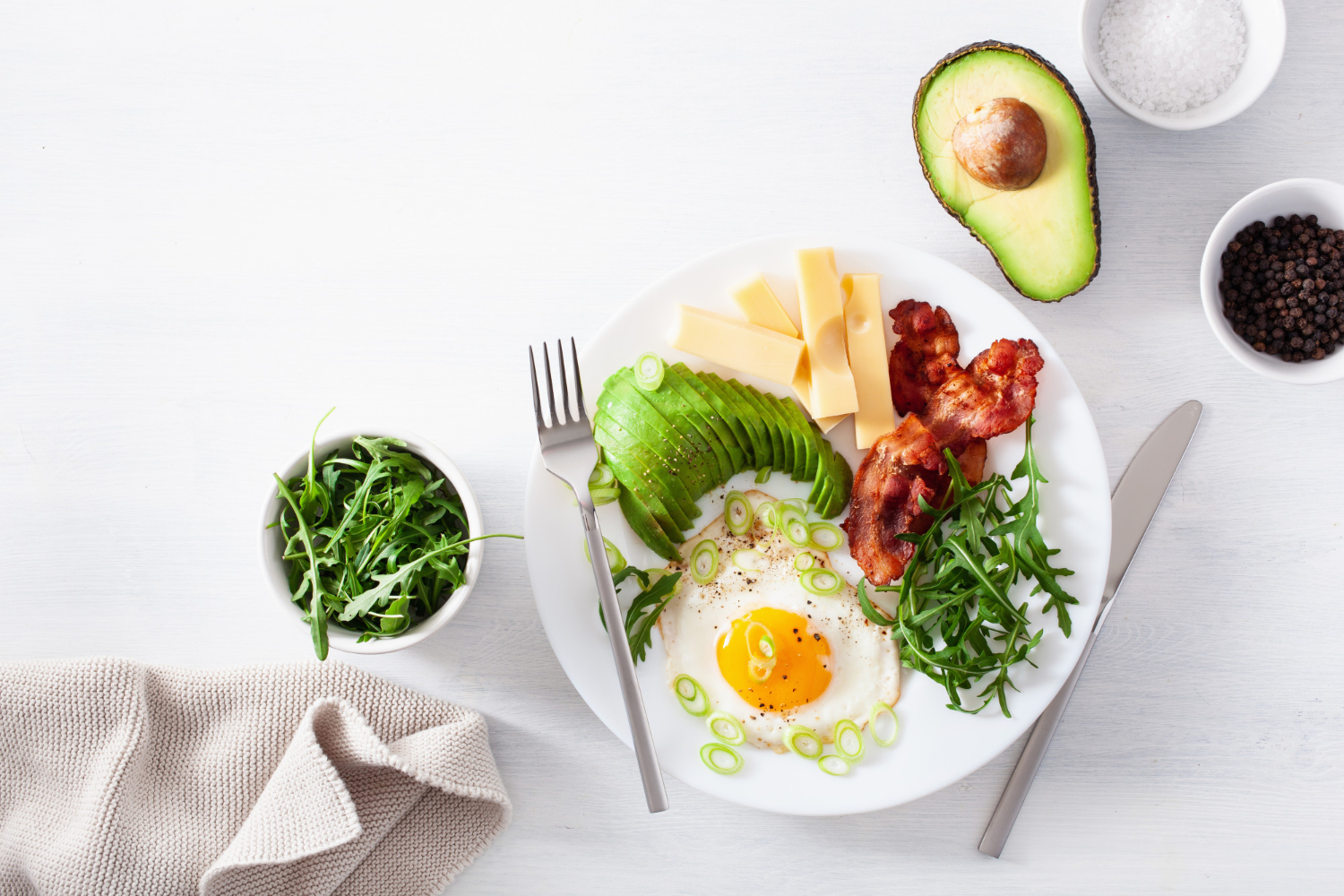
Fats are organic molecules composed of fatty acid chains attached to a glycerol backbone. Their chemical structure specifically the presence and position of double bonds in carbon chains determines how they affect your cholesterol levels, cell membranes, and metabolic processes. Understanding these differences enables you to make informed food choices that support your health goals.
Monounsaturated fats: benefits and sources
Monounsaturated fats are fatty acids with one double bond in their carbon chain structure. This single unsaturation point makes them liquid at room temperature and resistant to oxidation during cooking. These fats improve your lipid profile by lowering LDL cholesterol without reducing beneficial HDL cholesterol.
Studies consistently show that higher monounsaturated fat intake associates with lower cardiovascular disease risk. The mechanism works through improved endothelial function and reduced arterial inflammation.
Olive oil provides the most concentrated source of monounsaturated fats, specifically oleic acid. Extra virgin olive oil also contains polyphenol antioxidants that protect your cells from oxidative stress. Avocados deliver monounsaturated fats alongside fiber, potassium, and B vitamins in a whole food package.
Almonds, cashews, and pecans are tree nuts rich in monounsaturated fats that you can eat as portable snacks. One ounce of almonds contains approximately 14 grams of fat, with 9 grams coming from monounsaturated sources.
Polyunsaturated fats: omega-3 and omega-6
Polyunsaturated fats are fatty acids with multiple double bonds in their carbon chain structure. Your body cannot synthesize these fats from other nutrients, making them essential dietary components. The two main families are omega-3 and omega-6 fatty acids, distinguished by the position of their first double bond.
Omega-3s from fatty fish, walnuts, and flaxseed reduce systemic inflammation and support brain function. The three main omega-3 fatty acids are:
- ALA (alpha-linolenic acid) - Found in plant sources, partially converts to EPA and DHA
- EPA (eicosapentaenoic acid) - Anti-inflammatory, supports cardiovascular health
- DHA (docosahexaenoic acid) - Critical for brain structure and cognitive function
Omega-6s from vegetable oils, nuts, and seeds promote inflammatory processes when consumed in excess relative to omega-3 intake. The problem emerges from ratio imbalance. Modern diets provide approximately 16 times more omega-6 than omega-3, though research shows we should consume them in roughly equal amounts to reduce chronic disease risk.
Saturated fats: sorting fact from fiction
Saturated fats are fatty acids with no double bonds in their carbon chain structure. This complete saturation makes them solid at room temperature and highly stable during cooking. For decades, health authorities warned that saturated fats cause heart disease by raising LDL cholesterol levels.
Recent research indicates a more complex relationship between saturated fat intake and cardiovascular outcomes. Current evidence shows that saturated fat from whole food sources like dairy and unprocessed meat affects health differently than saturated fat from processed foods and baked goods.
The type of LDL particle matters more than total LDL cholesterol. Saturated fat can increase large, buoyant LDL particles (less atherogenic) while whole food sources provide nutrients beyond just the fat content.
Until more definitive research clarifies these relationships, prioritize saturated fats from whole food sources: grass-fed dairy, pasture-raised eggs, and unprocessed meats. Limit saturated fats from ultra-processed foods, baked goods with partially hydrogenated oils, and fried foods.
Trans fats: what to avoid completely
Trans fats are unsaturated fatty acids with double bonds in the trans configuration rather than the natural cis configuration. Industrial trans fats form when vegetable oils undergo partial hydrogenation to create solid shortenings and margarines. These artificial fats disrupt your lipid metabolism in harmful ways.
Trans fats raise LDL cholesterol while simultaneously lowering beneficial HDL cholesterol the worst possible effect on your lipid profile. They strongly associate with cardiovascular disease, type 2 diabetes, and systemic inflammation.
The FDA removed artificial trans fats from the U.S. food supply starting in 2020, but they may still appear in certain processed foods manufactured before the ban. Check ingredient labels for "partially hydrogenated oils" the presence of this phrase means the product contains trans fats regardless of what the nutrition label claims.
Small amounts of trans fat occur naturally in dairy and meat from ruminant animals (cows, sheep, goats) due to bacterial fermentation in their digestive systems. These natural trans fats, particularly conjugated linoleic acid (CLA), do not show the same harmful effects as industrial trans fats.
Omega-3 Fatty Acids: Essential for Women 40+

Approximately 3 out of 4 individuals in this study consumed significantly less omega-3 fats than recommended levels. This widespread deficiency creates health consequences, particularly for women navigating hormonal transitions.
Omega-3 fatty acids function differently than other fats in your body. Rather than primarily serving as energy sources, omega-3s incorporate into cell membranes throughout your body, where they influence inflammation signaling, insulin sensitivity, and neurotransmitter production.
Why omega-3s matter especially after 40
Declining estrogen levels affect how your body handles inflammation and blood sugar regulation. Estrogen is an anti-inflammatory hormone that helps maintain insulin sensitivity and vascular health. As estrogen drops during perimenopause and menopause, inflammatory markers typically increase.
Omega-3s help mitigate these changes by reducing inflammatory markers like C-reactive protein (CRP), interleukin-6 (IL-6), and tumor necrosis factor-alpha (TNF-α). They improve insulin sensitivity by modifying cell membrane composition and enhancing glucose transporter function.
Research shows that higher omega-3 blood levels correlate with lower cardiovascular disease risk a primary concern for women after menopause when protective estrogen effects diminish.
Beyond cardiovascular protection, omega-3s support mood stability during hormonal transitions. Studies link omega-3 intake with lower rates of depression and anxiety in perimenopausal women. The anti-inflammatory effects extend to joint health, helping reduce arthritis symptoms and joint pain.
Getting enough omega-3 fats helps your system better handle the physiological stressors that accompany midlife hormonal changes.
Best food sources of omega-3s
Fatty fish provide the most bioavailable forms of omega-3 fatty acids: EPA and DHA. Your body uses these long-chain omega-3s directly without conversion, making them more effective than plant sources.
The highest omega-3 fish include:
- Salmon (Atlantic, wild-caught) - 2.2g EPA+DHA per 3 oz serving
- Sardines (canned in water) - 1.3g EPA+DHA per 3 oz serving
- Mackerel (Atlantic) - 1.0g EPA+DHA per 3 oz serving
- Herring - 1.7g EPA+DHA per 3 oz serving
- Anchovies - 1.4g EPA+DHA per 3 oz serving
Eating fatty fish twice per week provides approximately 3-4 grams of combined EPA and DHA weekly the range associated with health benefits in research studies.
For plant-based omega-3 alternatives, these foods provide ALA (alpha-linolenic acid):
- Ground flaxseed - 2.3g ALA per tablespoon
- Chia seeds - 2.5g ALA per tablespoon
- Walnuts - 2.5g ALA per ounce (14 halves)
- Hemp seeds - 1.0g ALA per tablespoon
Your body converts ALA to EPA and DHA, though conversion efficiency ranges from only 5-15%. Plant sources still contribute to your omega-3 intake while providing additional benefits like fiber, minerals, and antioxidants.
When to consider omega-3 supplements
If you don't eat fish regularly or don't have access to omega-3-rich foods consistently, supplements provide a practical alternative. Look for supplements that provide at least 500mg combined EPA and DHA per serving.
Choose supplements with these characteristics:
- Form: Triglyceride form absorbs better than ethyl ester form
- Purity: Third-party tested for mercury, PCBs, and other contaminants (look for IFOS or USP certification)
- Freshness: Check expiration dates; oxidized fish oil smells rancid
- Dosage: 1-2 grams combined EPA+DHA daily for general health
Although food sources remain preferable because they provide complete nutrition beyond isolated fatty acids, supplements deliver most of the same cardiovascular and anti-inflammatory benefits without requiring dietary changes.
Best Fat Sources for Women Over 40

Building your meals around whole-food fat sources ensures you get the types your body needs most while avoiding processed fats that provide empty calories.
Top 10 healthy fat foods
The best fat sources provide essential fatty acids while delivering other nutrients your body requires. These foods do double or triple duty in your nutrition plan.
Fatty fish (salmon, sardines, mackerel) Omega-3 fatty acids EPA and DHA reduce inflammation and support brain function. A 3-ounce serving of salmon provides 17g protein plus 1.5g omega-3s.
Extra virgin olive oil Monounsaturated fats and polyphenol antioxidants protect your cells from oxidative stress. One tablespoon contains 14g fat, primarily oleic acid.
Avocados Monounsaturated fats with fiber (7g per medium avocado), potassium (485mg), and a creamy texture that increases meal satisfaction.
Walnuts The only tree nut with significant omega-3 content, providing 2.5g ALA per ounce plus copper and manganese.
Eggs Complete protein (6g per egg) with healthy fats, choline (147mg critical for brain health), and B vitamins in one whole food package.
Chia seeds and ground flaxseeds Omega-3 ALA with remarkable fiber content (10g per ounce for chia, 8g per ounce for flax), supporting digestive health.
Full-fat Greek yogurt Protein (15-20g per cup) with naturally occurring fats that slow digestion and stabilize blood sugar. Choose plain varieties to avoid added sugars.
Dark chocolate (70%+ cacao) Monounsaturated fats and flavanol antioxidants when consumed in small amounts (1-2 oz daily). Higher cacao percentages provide more fat and less sugar.
Olives Whole food form of olive oil benefits monounsaturated fats, polyphenols, and vitamin E in a satisfying snack.
Nuts and nut butters (almonds, cashews, pecans) Healthy fats (14-20g per ounce) that work well for snacks or meal additions. Choose raw or dry-roasted without added oils.
Rotate through these foods across your week for variety and a complete nutrient profile covering different fatty acid types.
Plant-based fat sources
Plants offer fats without the saturated fat load that comes with most animal products. However, plant fats require attention to portion control and quality.
Nuts and seeds provide concentrated energy in small portions. One ounce of almonds (about 23 nuts) contains approximately 14 grams of fat, mostly monounsaturated. Cashews, pistachios, and sunflower seeds offer similar amounts with slightly different fatty acid profiles.
The challenge with nuts and seeds: portion control. Their small, crunchy format makes overeating easy. Pre-portion servings into 1-ounce containers rather than eating directly from the bag. Watch for added sugars, oils, and salt in store-bought roasted or flavored varieties.
Nut butters deliver the same nutrition in spreadable form. Measure nut butter carefully that heaping tablespoon might contain double the intended portion. Two tablespoons of almond butter provide 18g fat and 200 calories.
Beyond nuts and seeds, plant oils serve specific cooking purposes:
- Avocado oil - High smoke point (520°F) makes it suitable for high-temperature cooking
- Extra virgin olive oil - Medium smoke point (375°F), best for low-heat cooking and dressings
- Flaxseed oil - Very low smoke point, never heat, use for cold applications only
- Coconut oil - Primarily saturated fat (12g per tablespoon), use occasionally rather than as your primary cooking fat
Include different plant fat sources throughout the week rather than relying exclusively on one or two options.
Animal-based fat considerations
Quality determines whether animal fats support or harm your health. The same cut of beef raised on different diets provides dramatically different fatty acid profiles.
Research shows that grass-fed beef contains more omega-3 fatty acids and conjugated linoleic acid compared to grain-fed beef. The differences are significant: grass-fed beef provides 2-5 times more omega-3s than conventional grain-fed beef.
Wild-caught fish have superior omega-3 profiles compared to farmed fish, though farmed salmon still provides meaningful amounts of EPA and DHA. Wild salmon contains approximately 2.2g omega-3s per 3-ounce serving; farmed salmon provides about 1.8g.
Full-fat dairy from pasture-raised cows offers vitamin K2 (menaquinone) alongside fat. Vitamin K2 works synergistically with vitamins A and D to support bone health and calcium metabolism particularly important for women over 40 at increased osteoporosis risk.
Eggs from pasture-raised hens deliver choline (147mg per large egg) and several B vitamins with their fat content. Choline supports brain health, liver function, and cellular membrane integrity.
Quality matters most when selecting animal fats. Higher-quality animal products cost more but provide better nutrition. You don't need to eat as much of them to meet your needs, making the price difference less significant than it initially appears.
How Much Fat Should You Eat

The right fat intake depends on your total calorie needs, activity level, and health goals. General recommendations provide a starting range, but you must adjust based on your preferences and how your body responds.
Daily fat targets for weight loss
When losing weight, fat should comprise approximately 20-30% of your total daily calories. For someone eating 1,600 calories per day, this equals 35-53 grams of fat daily.
Fat provides 9 calories per gram more than double the 4 calories in protein or carbohydrates. This calorie density means you must control portions carefully to avoid exceeding your calorie targets.
Quick calculation method:
- Multiply total daily calories by your chosen fat percentage (0.20-0.30)
- Divide the result by 9 calories per gram
Example: 1,600 calories × 0.25 (25% from fat) = 400 calories from fat 400 calories ÷ 9 calories per gram = approximately 44 grams of fat daily
Here's what 44 grams of fat looks like in actual foods:
- 1 tablespoon olive oil: 14g fat
- ½ medium avocado: 11g fat
- 1 ounce almonds: 14g fat
- 3 ounces salmon: 11g fat
- Total: 50g fat
Track your intake for 3-5 days to establish your current baseline. Many women eat less fat than they realize, then feel hungry and tired because they're not getting adequate amounts. Others overdo nuts, oils, and avocados without realizing how quickly the calories accumulate.
Daily fat targets for maintenance
You can afford to eat more fat when maintaining your weight, with intake around 25-35% of daily calories. At 2,000 calories daily, this equals 56-78 grams of fat.
The higher percentage provides greater flexibility in food choices while still supporting hormone production and satiety. Your body uses fat for steady energy throughout the day. Unlike carbohydrates, which spike and crash blood sugar, fats provide sustained energy between meals.
The challenge: finding your maintenance level takes experimentation. Start at 30% of calories from fat and adjust up or down based on hunger levels, energy, and whether your weight stays stable.
Hormonal fluctuations might mean you need slightly more fat during certain times of the month. Many women report feeling better with fat intake closer to 35% during the luteal phase of their menstrual cycle (if still cycling) or during stressful periods.
Balancing fat with protein and carbs
Your three macronutrients work together to support different physiological functions. Higher protein intake supports muscle mass preservation; carbohydrates fuel physical activity and provide fiber from whole grains, fruits, and vegetables; fat rounds out your meals and helps absorb fat-soluble vitamins A, D, E, and K.
Practical macro splits for women over 40:
For weight loss with muscle retention:
- 30% protein (120g at 1,600 calories)
- 35% carbs (140g at 1,600 calories)
- 35% fat (62g at 1,600 calories)
For active women who exercise regularly:
- 25% protein (125g at 2,000 calories)
- 40% carbs (200g at 2,000 calories)
- 35% fat (78g at 2,000 calories)
For moderate activity and balanced nutrition:
- 25% protein (125g at 2,000 calories)
- 45% carbs (225g at 2,000 calories)
- 30% fat (67g at 2,000 calories)
Experiment within these ranges to find what maintains your energy, keeps you satisfied between meals, and supports your specific goals. The exact numbers matter less than consistency and how you feel day-to-day.
Your body provides feedback through hunger levels, energy stability, workout performance, and whether you can sustain your eating plan long-term without constant cravings.
Including Fats Without Overeating
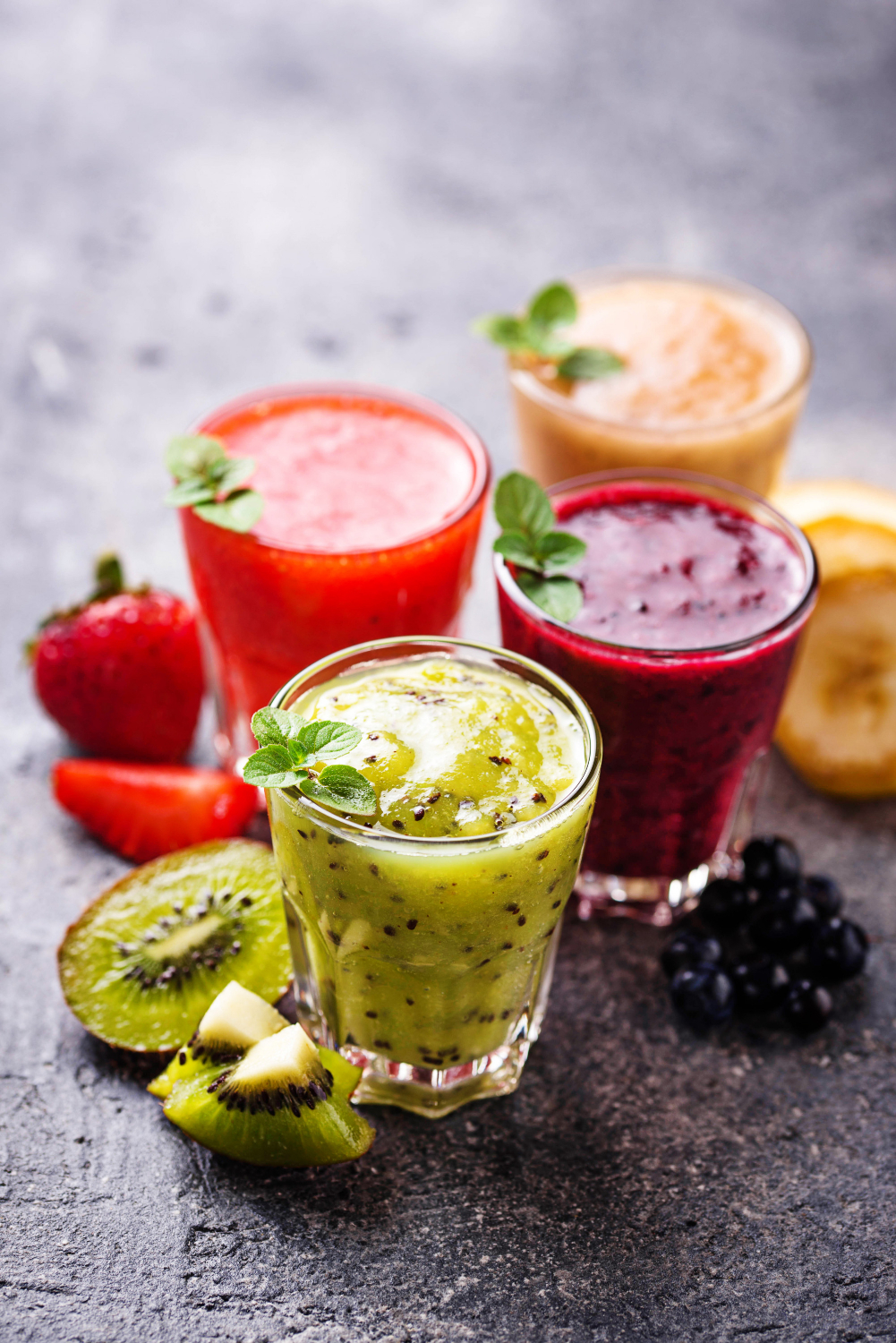
Fat's high calorie density makes exceeding your targets easy without feeling like you've eaten too much. Portion awareness and measurement skills help you get the benefits without derailing your fitness goals.
Fat calorie density awareness
Fat contains 9 calories per gram compared to 4 calories per gram in protein or carbohydrates. This fundamental difference explains why a small serving of nuts can contain as many calories as a large bowl of vegetables.
Understanding calorie density helps you make informed trade-offs throughout your day. A tablespoon of olive oil contains approximately 120 calories. That same 120 calories could come from 3 cups of broccoli or 1.5 cups of strawberries.
Both serve important purposes in your diet. The vegetables fill your stomach with fiber and water while providing vitamins and minerals. The oil enhances salad flavor and helps you absorb fat-soluble vitamins from those same vegetables. The key is using just enough fat to get its benefits without crowding out other nutrients you also need.
Common high-calorie-density fats to measure carefully:
- Oils (olive, avocado, coconut): 120 calories per tablespoon
- Nuts (almonds, walnuts, cashews): 160-200 calories per ounce
- Nut butters: 190-200 calories per 2 tablespoons
- Avocado: 240 calories per medium fruit
- Cheese: 110 calories per ounce
- Dark chocolate: 170 calories per ounce
Measuring fats accurately
Eyeballing portions works adequately for vegetables, but fats require precise measurement. Use measuring spoons for oils and dressings. Weigh nuts on a kitchen scale. A casual pour from the olive oil bottle easily results in using 2-3 tablespoons instead of the intended 1 tablespoon tripling your calories.
When measuring nut butter, level off your measuring spoon against the jar's edge. That heaping tablespoon might contain double the intended amount and double the calories.
Consider using oil misters or spray bottles for better portion control. Five sprays of olive oil provide approximately 1 teaspoon (5g fat, 45 calories) versus pouring 1 tablespoon (14g fat, 120 calories).
These small differences might seem insignificant in a single meal, but they accumulate across multiple meals daily and help explain why some women struggle to lose weight despite thinking they're following their plan perfectly.
Visual portion guides for common fat sources:
- 1 tablespoon oil = Size of your thumb tip
- 1 ounce nuts = Small handful (about 23 almonds)
- 2 tablespoons nut butter = Ping pong ball
- 1 serving avocado (¼ fruit) = Egg size
- 1 ounce cheese = Four dice stacked
Satisfying fat portions in meals
You don't need large amounts of fat to feel satisfied from your meals. Strategic placement of moderate fat portions throughout the day works better than concentrating all your fat in one or two meals.
A quarter of an avocado (60 calories, 5g fat) adds creaminess to your breakfast bowl and keeps you satisfied for hours. Melting a teaspoon of butter (34 calories, 4g fat) over roasted vegetables adds rich flavor. Fatty fish like salmon naturally contain the fat within the protein, making them self-portioning a 3-ounce serving provides about 11g fat.
One ounce of cheese (110 calories, 9g fat) provides concentrated flavor that you can stretch by shredding it fine or slicing it thin. Two tablespoons of nuts (100 calories, 9g fat) add satisfying crunch to salads without overwhelming other ingredients.
Frame fat as a seasoning rather than a main component of your meal. Research shows that this perspective shift helps prevent overconsumption while maintaining meal satisfaction.
Distribute your daily fat allowance across meals and snacks rather than using it all at dinner. This approach maintains steady energy and prevents the blood sugar crashes that trigger cravings.
Sample Daily Fat Distribution
Seeing how fat fits into actual meals helps translate abstract gram targets into real food choices. These examples show two different calorie levels with appropriate fat distribution throughout the day.
Example day at 50g fat
This target works well for someone eating approximately 1,600-1,800 calories daily and aiming for weight loss or lighter maintenance.
Breakfast (15g fat): Two eggs scrambled in 1 teaspoon butter with spinach and mushrooms
- Eggs: 10g fat
- Butter: 4g fat
- Vegetables: 1g fat
Mid-morning snack (5g fat): One cup plain Greek yogurt with berries
- Greek yogurt (full-fat): 5g fat
- Berries: 0g fat
Lunch (14g fat): Large salad with 3 ounces grilled chicken breast, mixed vegetables, and 1 tablespoon olive oil dressing
- Chicken: 3g fat
- Vegetables: 0g fat
- Olive oil dressing: 14g fat
Afternoon snack (9g fat): Apple slices with 1 tablespoon almond butter
- Apple: 0g fat
- Almond butter: 9g fat
Dinner (12g fat): 3 ounces baked salmon with roasted vegetables brushed with 1 teaspoon olive oil
- Salmon: 11g fat
- Olive oil: 5g fat
- Vegetables: 1g fat
Total: 55g fat, approximately 1,650 calories
This distribution spreads fat across the day, preventing hunger between meals. The combination of protein and fat at each eating occasion helps maintain steady blood sugar. Using just enough oil to make food taste good without drowning it lets you stay within your target.
Example day at 70g fat
This higher target suits someone eating 2,000-2,200 calories for maintenance or to support higher activity levels.
Breakfast (15g fat): Oatmeal topped with 1 tablespoon ground flaxseed and 10 walnut halves
- Oatmeal: 3g fat
- Ground flaxseed: 4g fat
- Walnuts: 9g fat
Mid-morning snack (10g fat): Smoothie with ½ medium avocado, protein powder, and mixed berries
- Avocado: 11g fat
- Protein powder: 2g fat
- Berries: 0g fat
Lunch (16g fat): Grain bowl with quinoa, roasted chickpeas, mixed vegetables, and 2 tablespoons tahini dressing
- Quinoa: 2g fat
- Chickpeas: 3g fat
- Vegetables: 0g fat
- Tahini dressing: 16g fat
Afternoon snack (14g fat): 2 ounces cheese with whole grain crackers
- Cheese: 18g fat
- Crackers: 3g fat
Dinner (20g fat): 4 ounces grass-fed beef with roasted sweet potato and sautéed kale cooked in 1 tablespoon olive oil
- Grass-fed beef: 12g fat
- Sweet potato: 0g fat
- Olive oil: 14g fat
- Kale: 1g fat
Total: 75g fat, approximately 2,100 calories
This higher fat allowance provides more flexibility with portions while still prioritizing whole food sources. The increased calories support more physical activity or a higher metabolic rate. Each meal includes fat from different sources, ensuring you get various fatty acid types throughout the day.
Adjusting based on total calories
Your fat intake should scale proportionally with your total daily calorie needs. Eating 1,400 calories for aggressive weight loss means keeping your fat target at approximately 35-40g (20-25% of calories). At 1,800 calories for moderate weight loss, this increases to 50-60g fat (25-30% of calories). Above 2,000 calories for maintenance, you might reach 70g fat or more, depending on activity level.
Track your actual intake for one week to establish your current baseline, then adjust one meal at a time. Don't overhaul your entire diet overnight. Small incremental changes stick better and prove more sustainable over the long term.
Monitor these indicators to assess whether your fat intake is appropriate:
- Hunger levels - Satisfied between meals without constant cravings
- Energy stability - No mid-afternoon crashes or brain fog
- Workout performance - Adequate fuel for exercise
- Health goals - Weight trending in desired direction
- Sustainability - Can maintain this eating pattern indefinitely
Adjust fat intake as needed based on this feedback to help you feel your best while progressing toward your goals.
Key Takeaways: Essential Fats for Women Over 40
Essential fats become more critical after 40 because your changing hormones depend on adequate fat for synthesis, your brain requires specific fatty acids to maintain cognitive function, and proper fat intake helps control the chronic inflammation that increases with age.
What we covered:
Why fats matter more after 40 - Hormone production requires cholesterol and fatty acids; brain health depends on 60% fat composition by dry weight; omega-3s reduce chronic inflammation that drives age-related diseases
Different fat types - Monounsaturated fats improve cholesterol ratios; omega-3 and omega-6 polyunsaturated fats need balance (aim for 1:1 to 1:4 ratio); saturated fats from whole foods are acceptable in moderation; trans fats should be avoided completely
Omega-3 importance - EPA and DHA from fatty fish reduce inflammation and support brain function; most women consume far less than recommended amounts; supplements provide a practical alternative when fish isn't accessible
Best fat sources - Fatty fish lead for omega-3s; extra virgin olive oil and avocados for monounsaturated fats; nuts and seeds for portable options; quality matters most for animal-based fats
How much to eat - 20-30% of calories from fat for weight loss (35-53g at 1,600 calories); 25-35% for maintenance (56-78g at 2,000 calories); balance with adequate protein and carbohydrates
Portion control strategies - Measure oils and nut butters precisely; use kitchen scale for nuts; frame fat as seasoning rather than main component; distribute across all meals rather than concentrating in one
Practical daily examples - 50g fat suits weight loss at 1,600-1,800 calories; 70g fat works for maintenance at 2,000-2,200 calories; adjust based on hunger, energy, and progress toward goals
Start by assessing your current fat intake for 3-5 days using a food tracking app. Compare your actual intake to the targets in this guide. Make one small adjustment at a time add fatty fish twice weekly, measure olive oil instead of pouring freely, or include a serving of nuts daily. Track how you feel after two weeks and adjust from there.
Weight loss that fits your goals and your life.
Get your plan
Sources
Tessier, Anne, et al. "Optimal Dietary Patterns for Healthy Aging." Nature Medicine, vol. 31, no. 5, 2025, pp. 1644-1652, https://doi.org/10.1038/s41591-025-03570-5.
Tobias, Deirdre K., et al. "Effect of Low-Fat Diet Interventions versus Other Diet Interventions on Long-Term Weight Change in Adults: A Systematic Review and Meta-Analysis." The Lancet Diabetes & Endocrinology, vol. 3, no. 12, 2015, pp. 968-979.
Stonehouse, Welma, et al. "DHA Supplementation Improved Both Memory and Reaction Time in Healthy Young Adults: A Randomized Controlled Trial." The American Journal of Clinical Nutrition, vol. 97, no. 5, 2013, pp. 1134-1143, https://doi.org/10.3945/ajcn.112.053371.
Harak, Shilpa S., et al. "Navigating Nutrition through the Decades: Tailoring Dietary Strategies to Women's Life Stages." Nutrition, vol. 135, 2025, p. 112736, https://doi.org/10.1016/j.nut.2025.112736.
Schwingshackl, L., and G. Hoffmann. "Monounsaturated Fatty Acids and Risk of Cardiovascular Disease: Synopsis of the Evidence Available from Systematic Reviews and Meta-Analyses." Nutrients, vol. 4, no. 12, 2012, pp. 1989-2007, doi: 10.3390/nu4121989.
Simopoulos, A.P. "The Importance of the Ratio of Omega-6/Omega-3 Essential Fatty Acids." Biomedicine & Pharmacotherapy, vol. 56, no. 8, 2002, pp. 365-379, doi: 10.1016/s0753-3322(02)00253-6.
Teicholz, Nina. "A Short History of Saturated Fat: The Making and Unmaking of a Scientific Consensus." Current Opinion in Endocrinology, Diabetes, and Obesity, vol. 30, no. 1, 2022, p. 65, https://doi.org/10.1097/MED.0000000000000791.
Calder, P.C., et al. "An Overview of National and International Long Chain Omega-3 Polyunsaturated Fatty Acid Intake Recommendations for Healthy Populations." Nutrition Research Reviews, 2025, pp. 1-12, doi:10.1017/S0954422425100279.
Harris, William S. "The Omega-3 Index As a Risk Factor for Coronary Heart Disease." The American Journal of Clinical Nutrition, vol. 87, no. 6, 2008, pp. 1997S-2002S, https://doi.org/10.1093/ajcn/87.6.1997S.
Grosso, Giuseppe, et al. "Omega-3 Fatty Acids and Depression: Scientific Evidence and Biological Mechanisms." Oxidative Medicine and Cellular Longevity, vol. 2014, 2014, p. 313570, https://doi.org/10.1155/2014/313570.
Van Elswyk, Mary E., and Shalene H. McNeill. "Impact of Grass/Forage Feeding versus Grain Finishing on Beef Nutrients and Sensory Quality: The U.S. Experience." Meat Science, vol. 96, no. 1, 2013, pp. 535-540, https://doi.org/10.1016/j.meatsci.2013.08.010.
Drewnowski, A., and E. Almiron-Roig. "Human Perceptions and Preferences for Fat-Rich Foods." In: Montmayeur, J.P., and J. le Coutre, editors. Fat Detection: Taste, Texture, and Post Ingestive Effects. Boca Raton (FL): CRC Press/Taylor & Francis; 2010. Chapter 11. Available from: https://www.ncbi.nlm.nih.gov/books/NBK53528/
FAQs
Is eating fat bad for weight loss?
No, eating fat does not prevent weight loss when consumed within your calorie targets. Fat provides essential nutrients for hormone production, supports satiety between meals, and helps you absorb fat-soluble vitamins. Research shows that moderate fat intake (25-35% of calories) supports weight loss better than very low-fat diets because it improves meal satisfaction and adherence. The key is choosing whole food fat sources and controlling portions based on their high calorie density.
How much omega-3 should women over 40 consume daily?
Women over 40 should consume 1-2 grams of combined EPA and DHA daily for optimal health. This amount supports cardiovascular health, reduces inflammation, and maintains brain function. You can achieve this by eating fatty fish twice weekly (providing approximately 3-4g total per week) or taking a supplement that provides 500-1000mg EPA+DHA daily. Plant sources like flaxseed and walnuts provide ALA, which partially converts to EPA and DHA but less efficiently.
Can saturated fat from coconut oil and butter harm my health?
Saturated fat from whole food sources like coconut oil and grass-fed butter affects health differently than saturated fat from processed foods. Recent research shows the relationship between saturated fat and heart disease is more complex than previously understood. Current evidence suggests limiting saturated fat to less than 10% of total calories while prioritizing it from whole foods rather than ultra-processed sources. Balance saturated fats with higher amounts of monounsaturated and omega-3 fats for optimal health.
What's the best fat source for someone who doesn't eat fish?
If you don't eat fish, combine multiple plant sources to cover your essential fat needs. Ground flaxseed (1-2 tablespoons daily) provides omega-3 ALA that partially converts to EPA and DHA. Walnuts (1 ounce or 14 halves) offer additional omega-3s. Extra virgin olive oil delivers monounsaturated fats and antioxidants. Consider an algae-based omega-3 supplement that provides EPA and DHA directly without requiring fish consumption this works especially well for vegetarians and vegans.
How do I know if I'm eating too little fat?
Signs of inadequate fat intake include constant hunger despite eating enough calories, dry skin and brittle hair, irregular menstrual cycles (if still cycling), difficulty concentrating or brain fog, low energy levels, and poor absorption of fat-soluble vitamins (A, D, E, K). If you experience these symptoms while consuming less than 20% of calories from fat, gradually increase your intake to 25-30% by adding whole food fat sources like avocado, nuts, olive oil, and fatty fish. Monitor how you feel after 2-3 weeks.