Weight loss that fits your goals and your life.
Get your plan
Weight loss that fits your goals and your life.
Get your plan
Family meal planning for women over 40 is a strategic approach to preparing meals that simultaneously support personal weight loss goals while satisfying diverse family nutritional needs and preferences without requiring separate meal preparation. This method balances the higher protein and lower calorie requirements of women experiencing hormonal changes with the varying energy needs of growing children, active teenagers, and partners who aren't focused on weight loss.
You're trying to lose weight, but your teenager wants pasta with extra cheese, your partner requests comfort food after work, and the kids wrinkle their noses at anything green. All the while, you find yourself in an unenviable position of having to prepare separate meals and feeling guilty about changing what the rest of the family is eating. In some cases, you feel like you want to eat alone, but according to studies, families that don't eat often together have children who are more likely to develop eating disorders and engage in juvenile behavior.
As the kids say these days, the struggle is real. It's not easy to choose between your health goals and everyone else's preferences. The good news is that this doesn't have to be the case.
Understanding Different Nutritional Needs in One Household
Managing a household is difficult enough already. Add having to worry about different calorie and nutritional needs, and you've got your hands full. This situation is what usually leads to many women abandoning their weight loss goals entirely.
Your Weight Loss Goals vs. Family Preferences
Women over 40 need higher protein intake and often fewer calories, while growing children need more energy overall. Your body is dealing with hormonal changes that make muscle preservation difficult but also essential. Understanding how your metabolism changes after 40 helps explain why protein becomes even more critical during this life stage. Meanwhile, your teenager burns through calories at practice, and your partner isn't focused on losing weight.
These different needs don't mean cooking separate dinners. They mean learning to serve meals where everyone takes what their body requires. A structured approach to meal planning for women over 40 addresses these varying nutritional demands without creating extra work in the kitchen.
Different Calorie Needs by Age and Activity
Your calorie needs might sit around 1,500-1,800 daily, while your active teenage son needs 2,500-3,000. Growing children ages 4-8 need approximately 1,200-2,000 calories per day, depending on activity level. Adult men typically need 2,000-2,800 calories.
These vastly different numbers explain why you shouldn't feel guilty about eating less or eating differently from your family members and other people you share the dinner table with. The key is choosing nutrient-dense foods that satisfy everyone while supporting your specific health goals. Learning about low-carb foods for women over 40 helps you determine which starches to offer at family meals and how to portion them for your needs versus your family's energy requirements.
Creating Win-Win Meal Solutions
The answer is serving meals where you can mix and match components. Instead of forcing everyone onto your eating plan or abandoning your goals to please the family, prepare proteins, vegetables, and sides separately.
Everyone builds their plate based on their needs. You load up on vegetables and lean protein, while your kids add extra portions of rice or pasta, and your partner can enjoy cheese and bread. This flexible approach works particularly well for women managing weight loss goals while feeding their families. A comprehensive weight loss program designed for women over 40 can provide additional guidance on personalizing portions while maintaining family meal harmony.
Component Meal Strategy for Flexible Family Dining

Component cooking is a meal preparation method that transforms a single cooking effort into multiple personalized meals by preparing different elements that family members combine based on their individual nutritional needs and taste preferences. This approach respects everyone's requirements without the stress of preparing multiple separate dishes.
The framework is simple: prepare different elements that family members combine based on their bodies' needs and what they want to eat.
Build-Your-Own Meal Framework
Set up meals like a restaurant station where everyone customizes their plate.
Here's a more visual example of how this framework would work:
| Family Member | Strategy |
|---|---|
| Mom (calorie deficit) | Fill plate 50% with vegetables, smaller portions of starches, and skip high-calorie add-ons |
| Growing kids | Larger portions of grains, full-fat dairy additions, and nut butter |
| Active teens | Larger protein portions, additional healthy snacks, seconds are encouraged |
| Partner (not dieting) | Regular portions, can add cheese, butter, and extra carbohydrates |
Sample Component Meal Ideas
Buffet-style serving makes this seamless. Everyone gets a chance to customize their own plate from shared components, while you use what's called the volume eating strategy: filling up on lean proteins, colorful vegetables, and fiber-rich foods that are satisfying but lower in calories.
Lean proteins like chicken, fish, Greek yogurt, and legumes should anchor your portion while family members can add their preferred carbohydrate and fat sources. For detailed guidance on selecting proteins that support weight loss after 40, explore our high-protein meal plan for weight loss specifically designed for hormonal balance and muscle preservation.
The taco bar is the perfect example for this. Prepare proteins (seasoned ground meat, lentils, black beans, grilled chicken), toppings (cheese, avocado, salsa, Greek yogurt instead of sour cream), and bases (tortillas, lettuce wraps, taco shells).
Other high-impact build-your-own meals include:
- Grain bowl bars with bases (quinoa, cauliflower rice, mixed greens), proteins (chicken, chickpeas, tofu), and sauces (tahini, teriyaki, tzatziki)
- Pizza nights using whole wheat pita or cauliflower crust for dieters, alongside regular crust for others
- Asian stir-fry bowls where everyone selects their protein, vegetables, and rice-to-cauliflower-rice ratio
- Loaded baked potato or nacho bars with customizable toppings
Making It Work for Everyone's Portions
Of course, just because you're the only one watching what they eat doesn't mean everyone else at the dinner table can eat whatever they want. It's still best to practice healthy eating.
To determine appropriate portions for each family member, the USDA MyPlate Plan Calculator (myplate.gov) provides specific calorie and serving recommendations based on age, sex, and activity level. Understanding the fundamentals of best diets for menopause ensures that everyone at the table receives adequate macronutrients while you maintain the calorie deficit necessary for weight loss.
"Stealth Health" Techniques for Family Meals
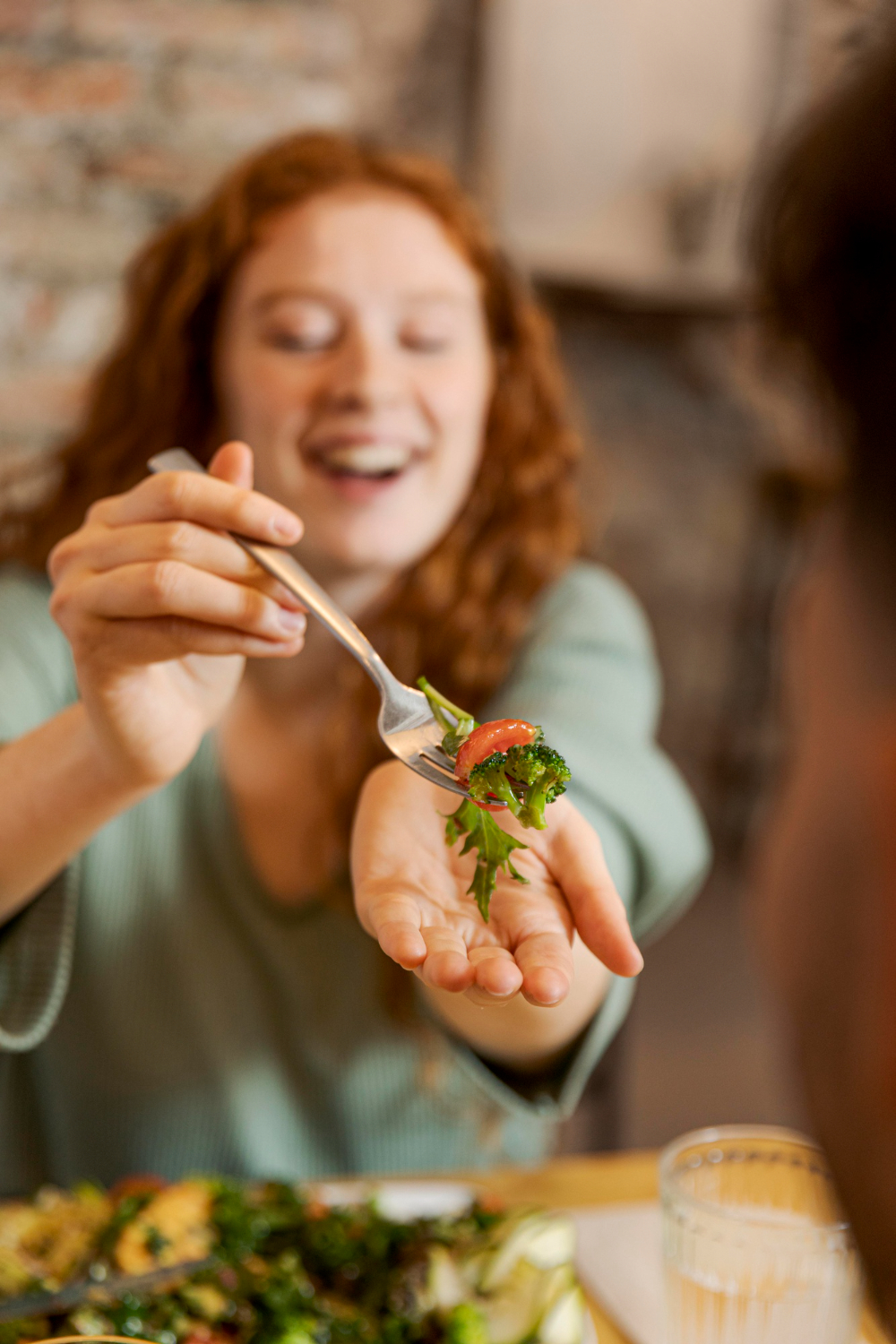
Stealth health is a gradual nutrition improvement approach that involves making small, unannounced healthy modifications to familiar meals rather than forcing dietary change on everyone. This method demonstrates healthy eating without making sarcastic comments and lets the results speak for themselves.
You can also sprinkle in a few healthy changes every now and then, subtly nudging other family members, particularly your spouse and partner, towards healthy eating habits.
Sneaking Vegetables Effectively
In sauces, blend zucchini and spinach into marinara (tomato flavor overpowers most vegetables), puree butternut squash or cauliflower into mac and cheese for creaminess without calories, or build pasta sauce bases with mirepoix (onions, carrots, celery), then blend until smooth.
In ground meat dishes, add finely minced mushrooms, zucchini, and grated carrots to meatballs, burgers, and taco meat. Mushrooms, in particular, are great at absorbing surrounding flavors while adding bulk, and, according to this study, may improve overall health and lower cholesterol levels.
Try cutting or chopping vegetables small enough that they blend into the meat's texture. This technique works especially well when you're trying to increase vegetable intake without changing familiar flavors.
Swapping Ingredients Without Detection
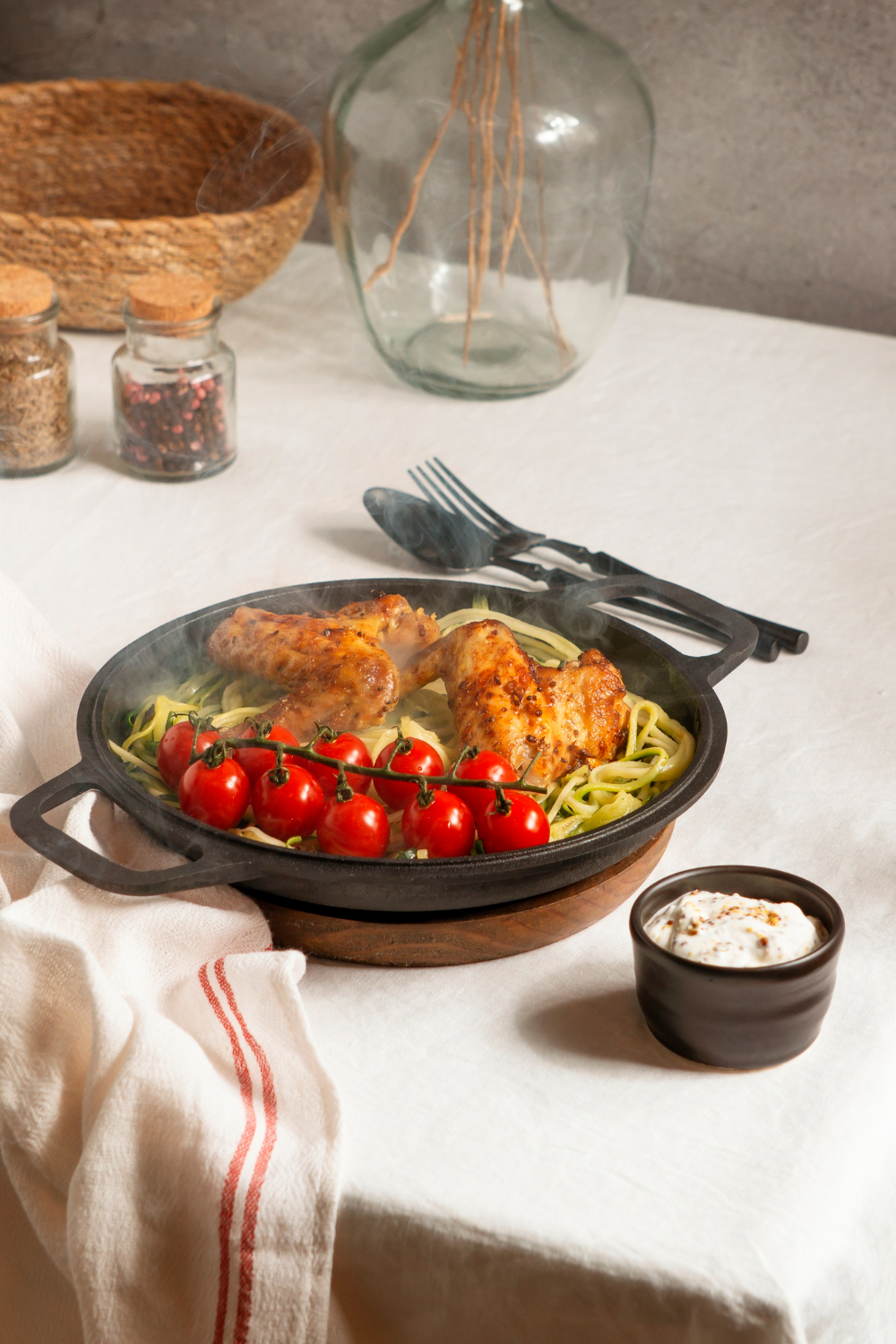
Replace half the pasta in any pasta dish with spiralized zucchini or other vegetable noodles. Cook them together and mix with the sauce. The vegetables blend in with the regular noodles, and the difference is barely noticeable. To be safe, start with a smaller ratio like 25% vegetables to 75% pasta, then gradually increase the vegetable portion over several weeks until you're using 100% vegetable noodles.
Use Greek yogurt instead of sour cream in dips, on tacos, and in baked goods. The tangy flavor is similar, but Greek yogurt provides a higher concentration of protein and is generally much healthier.
Substitute mashed avocado or unsweetened applesauce for oil in baking recipes. Your brownies and muffins come out moist while cutting significant calories without sacrificing texture and consistency.
Mix cauliflower into mashed potatoes at a 3:1 potato-to-cauliflower ratio. Boil them together, mash with butter and milk as usual. The potato flavor dominates while cauliflower adds volume and nutrients without extra starch.
Another tip is to follow the "crowd out" approach, meaning adding more vegetable sides instead of one. So instead of eliminating favorites, you're adding more healthy options to the table.
Improving Nutrition of Favorite Meals
In addition to the examples we've already given, making favorite meals healthier is the easiest way to include your family in your health journey.
If pizza is non-negotiable, make it at home where you control the crust and toppings. Use whole-wheat pita or a cauliflower crust for your portion, while making a regular crust for everyone else. Load your pizza with vegetables and lean proteins, and let them add their preferred toppings.
Another example is chicken fingers. They're healthier when you coat chicken breast strips in crushed nuts or panko mixed with parmesan instead of traditional breading. Studies have also shown that baking and air-frying, rather than frying, reduce oil content without affecting flavor or the nutrient profile.
You can serve the chicken fingers with roasted sweet potato fries for yourself and regular fries for kids who want them. It's the same dinner concept, just with different execution. But using the same suggestions earlier, you can try sneaking in roasted sweet potato fries for your kids and partner to see how they like it.
You might be surprised how well they'll respond when you don't threaten, force, or criticize their choices.
Negotiating Healthy Changes with Family

Studies show that people dig in harder when they feel controlled or preached to, which includes your children and your partner. Instead, model the behavior you want to see in them, and introduce dietary and lifestyle changes slowly and patiently.
Involving Family in Planning Process
Hold a weekly meal-planning session where everyone suggests dinners they prefer. Keep it short, 20-30 minutes on Sunday afternoon. Let each family member pick one meal for the upcoming week. You can choose one too, making it a healthy option that supports your goals.
Other tips for involving the family in the planning process include:
- Browse healthy recipes together, letting them pick options they're excited to try
- Find healthier versions of their existing favorite foods
- Acknowledge their preferences, especially when it comes to texture many who say that they "don't like vegetables" actually have texture aversions, so if they dislike mushy vegetables, prepare them raw, roasted, or mix them into certain dishes
- Use the "same base, different toppings" strategy: make pancakes where they use butter and syrup, while you add Greek yogurt and berries
Addressing Resistance Constructively
Do you know what never works when you're trying to convince someone to stay healthy? Making them a "project", labelling foods as "bad", or making food a battle. Using dessert as a reward for vegetables almost always backfires as well, reinforcing the idea that sweets are the "good stuff" and vegetables are the "bad stuff".
So when you're stuck in this "between a rock and a hard place" situation, how do you respond?
For starters, you can listen rather than dismissing their concerns. If they say certain dishes taste bad, ask what they don't like about them. Did you know that studies show that some individuals dislike certain fruits and vegetables simply because they haven't tasted them yet?
You can also offer alternatives. Don't they like salad? That's okay. You can suggest raw vegetables with hummus or roasted vegetable sides. The end result is still the same: getting them to eat vegetables.
Finally, you can try framing changes in terms of how food makes you feel rather than rigid rules. You can say stuff like "I notice I have more energy when I eat this way" instead of "we need to stop eating junk food."
Gradual Change vs. Overnight Overhaul
Attempting to transform every meal overnight guarantees failure and family rebellion. Focus on the positives. Add, don't subtract or remove.
Prepare more vegetable sides at dinner without changing anything. Keep fruit on the table for breakfast, and drink more water before meals. After a few weeks, these additions will become normal, and you can start making more subtle substitutions, such as:
- Swap whole-grain bread for white bread
- Use brown rice instead of white in some meals but not all
- Gradually replace sugary breakfast cereals with lower-sugar options
These small changes compound over time, and the best part? Your family wouldn't even notice.
In a few months' time, the same foods that everyone else at the table once called "bland" or "strange" will start to feel normal. Your kids might even end up asking for seconds or more varieties. This repeated exposure is the end result of giving your family's taste buds time to adapt instead of forcing the change on them.
Time-Efficient Family Cooking Strategies
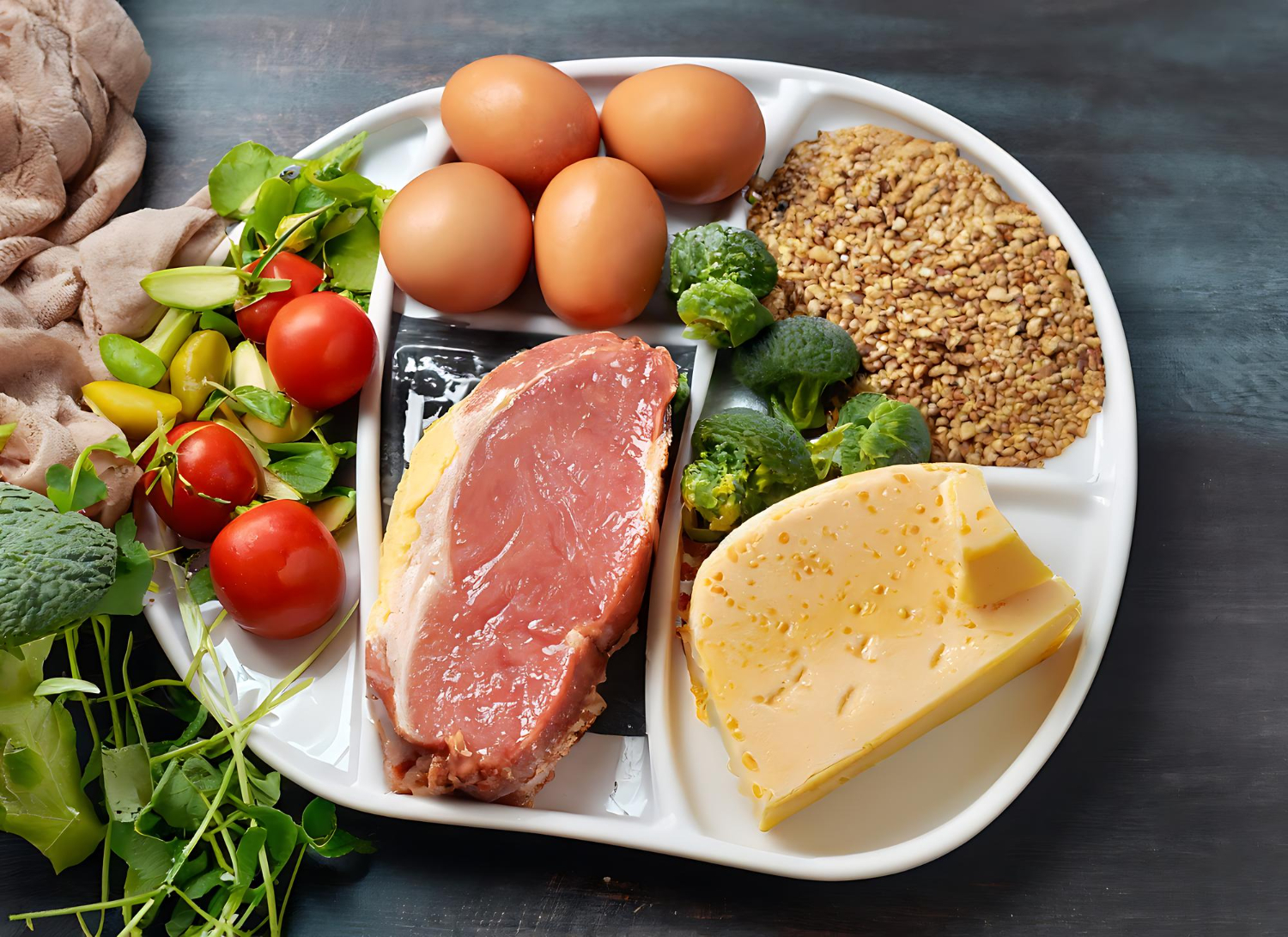
Busy schedules make healthy eating feel impossible when you're already stretched thin, but you don't need to spend more time in the kitchen to eat better meals. It's your cooking methods that need to improve.
These strategies reduce both cooking and cleanup time while producing dinners that satisfy different nutritional needs.
One-Pot Meals That Satisfy Everyone
One-pot cooking is a streamlined cooking method where all ingredients cook together in a single vessel, reducing both preparation time and cleanup while producing complete balanced meals. Cook everything in a single pot or pan at 400-450°F for 20-30 minutes to save time and reduce dishes following this formula: 2 cups chopped vegetables + 2 cups starchy vegetables + 1 lb protein + olive oil and seasonings.
Chicken and rice dishes work exceptionally well for this because you can adjust portions of each component. You can make a large batch where protein-conscious eaters take more chicken and less rice, while the rest of the family can eat based on their preferences.
Many women wonder whether meal prep strategies truly save time or just add another task to an already busy schedule. The answer is that batch cooking on Sunday afternoons (preparing 2-3 one-pot meals) actually reduces weeknight cooking time by 60-70%, making it easier to stick with healthy eating goals when life gets hectic.
High-protein family meal examples include:
- Chicken Fajitas (juicy chicken with bell peppers and onions)
- Greek Chicken with feta and olives
- Teriyaki Salmon with broccoli and sweet potatoes
- Rosemary Steak with asparagus
Sheet Pan Dinners with Variety
Sheet pan cooking is a hands-off cooking method where proteins and vegetables roast together on a single baking sheet, creating complete meals with minimal active cooking time and easy cleanup. Much like with one-pot meals, everything roasts together on a single baking sheet at 400-450°F for about 25 minutes.
You can follow the same one-pot formula for your meal, and line pans with parchment paper for crispier vegetables and easier cleanup.
Slow Cooker and Instant Pot Solutions
How would you look to dump ingredients in the morning and come home to dinner being prepared?
Slow cookers and instant pots are heaven-sent for busy families who want to eat something healthy and delicious without breaking the bank.
Here are examples that you can prepare in a slow cooker:
- Slow cooker butter chicken delivers 38 grams of protein per serving make it with coconut milk for added richness, and serve it over cauliflower rice for yourself and regular rice for others (the sauce works with either base)
- Crockpot pot roast with carrots and potatoes cooks all day on low heat, providing 37 grams of protein per serving you eat mostly meat and carrots, skipping or minimizing the potatoes, while family members who need more calories can take larger portions of potatoes with the beef
- Slow-cooker carnitas yield enough shredded pork for multiple meals throughout the week use it for taco bowls, taco salads, over rice, or in sandwiches (prepare it once, and everyone assembles their meals differently based on their needs)
- White bean cassoulet with sausage and vegetables provides fiber and protein without requiring any browning or pre-cooking everything goes in raw and cooks together, serve with crusty bread for family members and skip it yourself (the beans and vegetables fill you up without requiring additional carbohydrates)
Weekly Family Meal Planning Template
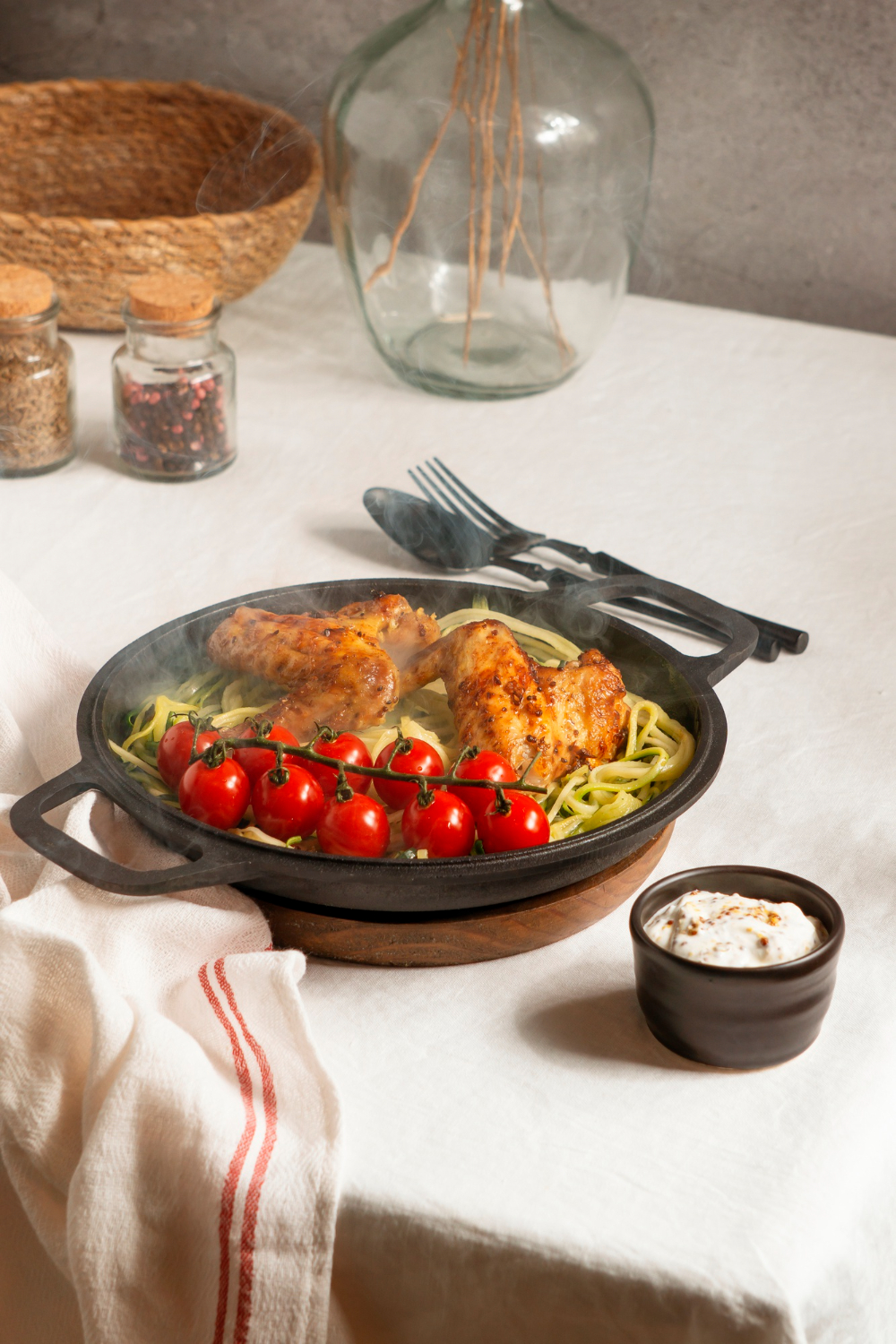
Meal planning is a weekly organizational practice where families decide and prepare for upcoming meals in advance, reducing daily decision fatigue and ensuring nutritional balance. Planning reduces stress and eliminates the nightly "what's for dinner" panic. Studies have also shown that meal planning comes with several benefits, including a healthier diet and a lower risk for obesity.
Here is a framework that makes planning faster while still allowing flexibility for changing schedules and preferences. Women over 40 who are also managing meal timing strategies may want to coordinate family dinner schedules with their eating windows. Understanding intermittent fasting for women over 40 helps you structure family meals that accommodate both your fasting schedule and everyone else's regular eating patterns without creating separate meal times.
Sample Week of Balanced Family Meals
Theme-based templates narrow choices while maintaining variety.
You can create two rotating weekly templates:
Template A:
| Day | Theme | Examples |
|---|---|---|
| Monday | Meatless | Bean burritos, vegetable stir-fry |
| Tuesday | Slow Cooker | Pre-prepped freezer meal |
| Wednesday | Rotisserie Chicken | Chicken salad, taco soup, enchiladas |
| Thursday | Sheet pan | Complete protein + vegetable dinner |
| Friday | Grill night | Burgers, kebabs, grilled fish |
| Saturday | Flexible | Takeout, new recipe, fridge cleanout |
| Sunday | Soup/Salad | Chili, hearty salads |
For Template B, you can either rotate by cuisine (Mexican, Italian, Asian, and Mediterranean) or protein source (chicken night, beef night, and seafood night).
Planning Process That Includes Everyone
Research confirms that children who participate in meal planning and preparation are more likely to try new foods, develop nutritional awareness, and show reduced picky eating. Further research supports this, showing that children are more likely to eat more when they prepare the food themselves.
However, this involvement should scale with age:
- Toddlers (2-3) can choose between two healthy options ("banana or yogurt?"), wash produce, and tear lettuce
- Preschoolers (4-5) gather ingredients, pour pre-measured items, and choose a vegetable for dinner
- Elementary children (6-8) read recipes together, measure ingredients, and pick one family meal per week
- Tweens (9-12) can own one family meal per week and learn to read nutrition labels
- Teenagers should plan, shop for, and prepare entire meals independently
Frame the conversation positively by saying, "we're going to work together as a team to plan our dinners this week!" to get everyone more involved and cooperative.
Finally, once everyone chips in, don't forget to check the refrigerator and pantry before finalizing the plan. Build at least one meal around ingredients you already have to reduce waste and grocery costs.
Flexibility for Changing Schedules
Build buffer meals into your plan for busy days and emergencies. Keep ingredients on hand for quick backup dinners, such as scrambled eggs with vegetables, rotisserie chicken with bagged salad, or pasta with jarred sauce and frozen meatballs. These options prevent ordering takeout when plans fall apart.
Prepare ingredients in advance on less busy days to ease cooking on hectic evenings. For example, you can chop vegetables on Sunday, marinate proteins on Monday morning, or fully prepare slow cooker meals and freeze them for dump-and-go cooking later. Front-loading work when you have time means busier days require less effort.
When unexpected schedule changes disrupt meal plans, having healthy grab-and-go options becomes essential. Strategic healthy snacks between meals ensures you don't abandon your goals when family activities or work demands interfere with planned dinners.
We also recommend keeping a running list of 15-minute meals for truly chaotic nights. Stir-fries, quesadillas, breakfast for dinner, and sandwiches all come together quickly. Having these options written down prevents decision paralysis when you're already exhausted. You can feed everyone without abandoning healthy eating just because time got tight.
Teaching Kids About Nutrition While Leading by Example
Research consistently shows that pressure tactics backfire and that repeated exposure is what works best.
Age-Appropriate Nutrition Education
Toddlers and preschoolers learn through simple language about food, helping them grow strong, run fast, and think clearly. Avoid labeling foods as good or bad. When a child refuses to eat, let them know they don't have to eat it and that the food will be there for them if they'd like to try it later. Avoid pleading, bribing, or expressing disappointment.
Involving Kids in Cooking
Getting children involved in meal preparation builds ownership, reduces picky eating, and develops lifelong cooking skills. The level of involvement should match developmental stage:
- Ages 2-3: Washing vegetables, tearing lettuce, stirring ingredients in bowls
- Ages 4-5: Measuring pre-portioned ingredients, simple mixing, choosing vegetables
- Ages 6-8: Reading recipes together, basic knife skills with supervision, setting the table
- Ages 9-12: Operating simple appliances, planning one meal weekly, understanding nutrition labels
- Ages 13+: Complete meal preparation from planning to cleanup
Start with one small task per meal and gradually increase responsibility as confidence grows.
Creating Sustainable Family Food Culture
Here's a breakdown of a 12-week plan on building a sustainable family food culture:
- Phase 1 (Weeks 1-4): Addition - Add vegetables to dinner daily, fruit at breakfast, water before meals, and veggie-loaded smoothies (don't remove anything yet)
- Phase 2 (Weeks 5-8): Substitution - Swap whole-grain bread for white, brown rice for white in some meals, Greek yogurt for sour cream, and fresh fruit for packaged snacks
- Phase 3 (Weeks 9-12): Reduction - Cut sugary drinks to special occasions, reduce added sugars, and serve smaller portions of refined carbohydrates
- Phase 4 (Ongoing): Optimization - Learn new healthy recipes monthly, expand vegetable variety, and make healthy versions of comfort foods
When you're faced with reluctance, don't force or fight. Instead, focus on stocking your house with healthy options so that grabbing unhealthy snacks becomes the inconvenient option.
Creating lasting change requires understanding how behavioral transformation works for the entire family. The 12-week framework above aligns with proven principles for building lasting weight loss habits, which emphasize small, repeated actions that compound over time rather than dramatic overnight transformations. This gradual approach works because it respects how both adults and children adapt to new behaviors through consistent exposure and positive reinforcement rather than forced compliance.
Key Takeaways for Family Meal Planning Success
Family meal planning for women over 40 doesn't require perfection it requires sustainable improvement through strategic approaches that respect everyone's needs while supporting your health goals.
What we covered:
- Different calorie needs by age and activity level explain why one approach doesn't fit everyone
- Component meal strategy (build-your-own framework) eliminates separate meal preparation
- Stealth health techniques gradually improve family nutrition without resistance
- Involving family in planning increases buy-in and reduces picky eating
- Time-efficient cooking methods (one-pot, sheet pan, slow cooker) save effort while maintaining nutrition
- Weekly planning templates provide structure with flexibility for real life
- Gradual change (addition → substitution → reduction) prevents family rebellion
- Age-appropriate involvement teaches children lifelong healthy habits
The path forward for women over 40 managing family nutrition is adding before removing, modeling rather than preaching, and recognizing that component cooking transforms the perceived burden of "different diets under one roof" into a single, flexible meal system that serves everyone well.
Start this week by implementing one component meal (try the taco bar on Tuesday), involve your family in choosing two dinners for next week, and add one extra vegetable side to three dinners. These small actions create the foundation for sustainable change that supports your weight loss goals while feeding your family well no separate meals, no constant battles, just strategic planning that respects everyone at the table.
For additional support in your weight loss journey, explore our weight loss program which includes meal planning templates, grocery lists, and detailed nutrition strategies tailored specifically to hormonal changes during perimenopause and menopause.
Weight loss that fits your goals and your life.
Get your plan
Sources
- Harrison, Megan E., et al. "Systematic Review of the Effects of Family Meal Frequency on Psychosocial Outcomes in Youth." Canadian Family Physician, vol. 61, no. 2, 2015, p. e96, https://pmc.ncbi.nlm.nih.gov/articles/PMC4325878/.
- Valverde, María E., et al. "Edible Mushrooms: Improving Human Health and Promoting Quality Life." International Journal of Microbiology, vol. 2015, 2015, p. 376387, https://doi.org/10.1155/2015/376387.
- Liberty, Jacob T., et al. "Effective Strategies for Reduction of Oil Content in Deep-fat Fried Foods: A Review." Trends in Food Science & Technology, vol. 92, 2019, pp. 172-183, https://doi.org/10.1016/j.tifs.2019.07.050.
- Klein J, McColl G. Cognitive dissonance: how self-protective distortions can undermine clinical judgement. Med Educ. 2019 Dec;53(12):1178-1186. doi: 10.1111/medu.13938. Epub 2019 Aug 8. PMID: 31397007.
- Machín, Leandro, et al. "A Qualitative Exploration of Barriers and Facilitators to Fruit and Vegetable Consumption among Uruguayan Adults Using the Social Ecological Model." Frontiers in Public Health, vol. 13, 2025, p. 1698481, https://doi.org/10.3389/fpubh.2025.1698481.
- Ducrot, Pauline, et al. "Meal Planning Is Associated with Food Variety, Diet Quality and Body Weight Status in a Large Sample of French Adults." The International Journal of Behavioral Nutrition and Physical Activity, vol. 14, 2017, p. 12, https://doi.org/10.1186/s12966-017-0461-7.
- Van der Horst, Klazine, et al. "Involving Children in Meal Preparation. Effects on Food Intake." Appetite, vol. 79, 2014, pp. 18-24, https://doi.org/10.1016/j.appet.2014.03.030.
- DeJesus, Jasmine M., et al. "Children Eat More Food When They Prepare It Themselves." Appetite, vol. 133, 2018, p. 305, https://doi.org/10.1016/j.appet.2018.11.006.
- Galloway, Amy T., et al. "'Finish Your Soup': Counterproductive Effects of Pressuring Children to Eat on Intake and Affect." Appetite, vol. 46, no. 3, 2006, p. 318, https://doi.org/10.1016/j.appet.2006.01.019.
FAQs
Can you lose weight while preparing family meals?
Yes, you can lose weight while preparing family meals by using component cooking strategies that allow you to customize your portions without making separate meals. The key is preparing proteins, vegetables, and starches separately so you can load your plate with vegetables and lean protein while family members add larger portions of carbohydrates and higher-calorie toppings. Studies show that women who use this approach lose weight successfully while maintaining family meal satisfaction.
How many calories should women over 40 eat compared to their family?
Women over 40 typically need 1,500-1,800 calories daily for weight loss, while active teenage sons need 2,500-3,000 calories, growing children ages 4-8 need 1,200-2,000 calories, and adult men typically need 2,000-2,800 calories. These vastly different requirements don't mean separate meals they mean the same meal components served in different proportions based on individual needs.
Is it manipulative to use stealth health techniques with family?
No, stealth health techniques are not manipulative when the goal is improving overall family nutrition rather than deception. Gradually replacing half the pasta with vegetable noodles or blending vegetables into sauces improves nutritional value while maintaining familiar flavors. The approach works because it gives taste buds time to adapt without forcing sudden changes that trigger resistance.
How long does meal planning take each week?
Effective family meal planning takes 20-30 minutes on Sunday afternoon when using theme-based templates that narrow choices while maintaining variety. This weekly investment eliminates daily "what's for dinner" stress, reduces grocery costs by 15-20%, and ensures balanced nutrition. Families who plan meals spend less total time on food decisions throughout the week compared to those who decide daily.
Should you force children to eat healthy foods?
No, forcing children to eat healthy foods backfires and increases food resistance research consistently shows that pressure tactics reduce willingness to try new foods. Instead, use repeated exposure (offering foods 8-12 times without pressure), involve children in meal preparation, and model healthy eating yourself. When children refuse food, simply say "that's okay, it will be here if you'd like to try it later" and move on without disappointment or negotiation.