Keto that finally moves the scale again.
Get your plan
Keto that finally moves the scale again.
Get your plan
You open another blog post about nutrition for women over 40, and it tells you to try keto. The next one swears by intermittent fasting. Another insists you must count every macronutrient or you will fail. Meanwhile, you are juggling work deadlines, family dinners, fluctuating energy levels, and a body that does not respond to food the way it did at 30. What you need is not another restrictive diet. You need a flexible meal planning system that works with your hormonal shifts, preserves muscle mass, supports sustainable weight loss, and fits into your real life.
Meal planning for women over 40 is a structured approach to organizing weekly food choices that addresses age-related metabolic changes, hormone fluctuations, and shifting nutritional priorities. This article presents a practical framework that eliminates decision fatigue, prevents nutrient deficiencies, and supports body composition goals without requiring obsessive tracking or extreme restriction.
Why Nutrition Planning Changes After 40
After 40, your body undergoes several physiological shifts that change how you should approach meal planning. Understanding these changes helps you make strategic nutrition decisions instead of following generic diet advice designed for younger metabolisms.
Shifting Priorities: Protein Becomes Non-Negotiable
Protein requirements increase significantly for women over 40 due to accelerated muscle loss and hormonal changes. Muscle protein synthesis is the process by which your body builds and repairs muscle tissue from amino acids consumed through protein-rich foods.
Research shows that for women in midlife, increased protein intake helps preserve lean mass and supports hormonal balance. Specifically, consuming 20-30 grams of protein per meal stimulates muscle protein synthesis more effectively than concentrating protein intake in fewer meals. This protein distribution matters because muscle mass declines approximately 3-8% per decade after age 30, with even greater losses after age 60. Preserving muscle mass supports metabolic rate, insulin sensitivity, bone density, and functional independence.
Protein also increases satiety more effectively than carbohydrates or fats, which helps manage calorie intake without constant hunger. Therefore, you should treat protein as the foundation of every meal in your nutrition planning system.
Nutrient Density Matters More as Calorie Needs Decrease
Nutrient density is the ratio of vitamins, minerals, and beneficial compounds to the total calorie content of a food. Foods with high nutrient density deliver substantial micronutrients relative to their calorie load.
Your basal metabolic rate declines with age due to reduced muscle mass, hormonal changes, and decreased cellular activity. Because your body burns fewer calories at rest and you may reduce activity levels, you need to prioritize foods rich in vitamins, minerals, and fiber rather than simply cutting portion sizes across all food categories.
Specifically, women over 40 require adequate calcium and vitamin D for bone health, B vitamins for energy metabolism, magnesium for muscle and nerve function, iron for oxygen transport, and fiber for digestive health and blood sugar regulation. Nutrient-dense foods include leafy greens (kale, spinach, Swiss chard), cruciferous vegetables (broccoli, Brussels sprouts, cauliflower), colorful produce (bell peppers, berries, sweet potatoes), legumes (lentils, chickpeas, black beans), fatty fish (salmon, mackerel, sardines), and fermented dairy (Greek yogurt, kefir).
When you reduce overall calorie intake to create the caloric deficit necessary for weight loss, choosing nutrient-dense foods prevents micronutrient deficiencies that can impair metabolism, energy levels, immune function, and recovery from exercise.
Anti-Inflammatory Focus for Hormonal Balance
Inflammation is your body's immune response to injury or infection, but chronic low-grade inflammation occurs when this response persists without resolution, damaging tissues and disrupting metabolic processes.
With hormonal changes around perimenopause and menopause, particularly declining estrogen levels, women experience increased inflammatory markers, joint stiffness, changes in fat distribution (especially visceral fat accumulation), and reduced recovery capacity. Prioritizing foods with anti-inflammatory properties helps counteract these physiological changes.
Anti-inflammatory foods contain compounds that reduce inflammatory signaling. These include omega-3 fatty acids found in fatty fish, flaxseeds, and walnuts; polyphenols in berries, dark chocolate, and green tea; antioxidants in colorful vegetables; and fiber that supports beneficial gut bacteria. Conversely, highly processed foods, refined sugars, excessive omega-6 fatty acids, and trans fats promote inflammatory pathways.
By building meals around anti-inflammatory ingredients, you support hormone balance, reduce joint discomfort, improve recovery from strength training, and create a metabolic environment conducive to fat loss.
Insulin Sensitivity and Carbohydrate Timing Considerations
Insulin sensitivity is your cells' ability to respond effectively to insulin, the hormone that facilitates glucose uptake from the bloodstream into tissues for energy or storage.
As you age, insulin sensitivity typically declines due to reduced muscle mass, hormonal changes, increased visceral fat, and cellular aging. This reduced sensitivity means your body requires more insulin to manage the same amount of dietary carbohydrates, which can promote fat storage and increase diabetes risk.
However, declining insulin sensitivity does not mean eliminating carbohydrates entirely. Rather, you should strategically choose carbohydrate sources and time their consumption to match your activity patterns. Complex carbohydrates with high fiber content (quinoa, sweet potatoes, oats, legumes) cause slower blood sugar elevation compared to refined carbohydrates (white bread, pastries, sugary snacks). Additionally, consuming carbohydrates around strength training sessions when muscles are primed for glucose uptake optimizes their use for recovery and energy rather than fat storage.
Therefore, your meal planning system should include carbohydrate timing as a strategic element rather than treating all carbohydrates as problematic or distributing them evenly throughout all meals regardless of activity.
The 3-Component Framework for Every Meal

This framework simplifies meal planning by ensuring every meal addresses the core nutritional priorities for women over 40. Instead of counting every gram of every macronutrient, you focus on including three essential components at each meal, with a fourth optional component based on activity level.
Component 1: Palm-Sized Protein at Every Meal
The first component is a palm-sized portion of protein, approximately 20-30 grams, at every meal including breakfast.
This serving size translates to different amounts depending on protein source. For chicken breast, turkey, lean beef, or pork, your palm thickness and diameter represents about 3-4 ounces cooked weight. For fatty fish like salmon or mackerel, use the same palm measurement. For plant proteins, this means 1 cup cooked lentils or chickpeas, 5-6 ounces tofu or tempeh, or 1 cup cottage cheese.
Consistent protein intake across all meals supports muscle protein synthesis throughout the day rather than in concentrated bursts. This distribution pattern maintains elevated amino acid availability, which is especially important for women over 40 whose muscle protein synthesis response to protein intake is less efficient than younger women. For a comprehensive program that builds these nutrition principles into a structured weight loss plan, consider the weight loss program for women over 40.
Protein also provides the highest thermic effect of food, meaning your body expends more calories digesting and processing protein compared to carbohydrates or fats. This metabolic advantage helps create or maintain the caloric deficit necessary for fat loss while preserving lean tissue.
Component 2: Colorful Produce for Nutrients and Fiber
The second component is colorful produce that fills approximately half your plate at each meal.
This produce portion should include a variety of vegetables and some fruit to supply vitamins, minerals, phytonutrients, and fiber. Specifically, dark leafy greens provide calcium, iron, folate, and vitamins A, C, and K. Cruciferous vegetables offer sulforaphane and indole-3-carbinol that support estrogen metabolism. Colorful vegetables and fruits contain different polyphenols and carotenoids that reduce inflammation and oxidative stress.
Fiber is a type of carbohydrate that your body cannot fully digest, which slows nutrient absorption, feeds beneficial gut bacteria, and promotes satiety. Women over 40 should consume 25-30 grams of fiber daily to support digestive health, stabilize blood sugar, reduce cholesterol, and maintain healthy gut microbiota that influences hormone metabolism.
By filling half your plate with produce, you automatically increase fiber intake, reduce calorie density of meals, and supply micronutrients essential for metabolic function, bone health, and hormone balance.
Component 3: Healthy Fats for Hormone Production
The third component is a portion of healthy fats included at each meal.
Healthy fats are unsaturated fatty acids, particularly omega-3 fatty acids and monounsaturated fats, that support cellular function, hormone synthesis, inflammation control, and nutrient absorption. Specific sources include olive oil (1-2 tablespoons drizzled on vegetables or used for cooking), avocado (1/4 to 1/2 medium), nuts and seeds (1 ounce or about a small handful), fatty fish (already counted in protein component but provides fat too), and nut butters (1-2 tablespoons).
Dietary fats are essential for producing steroid hormones including estrogen, progesterone, and cortisol. During perimenopause and menopause when hormone production fluctuates, adequate fat intake supports your body's hormone synthesis capacity. Additionally, vitamins A, D, E, and K are fat-soluble, meaning they require dietary fat for absorption. Many of these vitamins support bone health, immune function, and antioxidant defense.
Omega-3 fatty acids specifically reduce inflammatory signaling, support brain health and mood regulation, and improve cardiovascular function. The anti-inflammatory effects of omega-3s help counteract the increased inflammation women experience with declining estrogen.
Therefore, including healthy fats at every meal supports multiple physiological priorities for women over 40 beyond simply providing calories.
Optional Component 4: Smart Carbohydrates Based on Activity
The fourth component is optional and variable: smart carbohydrates included based on your activity level and timing.
Smart carbohydrates are whole food sources with substantial fiber, vitamins, and minerals rather than refined or processed options. These include quinoa, brown rice, wild rice, oats, sweet potatoes, white potatoes, winter squash, and legumes (which provide both protein and carbohydrates).
On days when you perform strength training or high-intensity exercise, include a fist-sized portion of smart carbohydrates at the meal following your workout and potentially at the meal before if training later in the day. This carbohydrate timing supports glycogen replenishment, recovery, and muscle protein synthesis when paired with adequate protein.
On rest days or days with only light activity like walking, you can reduce or eliminate the carbohydrate component at some meals, relying instead on the carbohydrates naturally present in your produce component. This flexible approach matches carbohydrate intake to energy expenditure and insulin sensitivity patterns without eliminating an entire macronutrient category.
The key principle is that carbohydrate quantity should reflect activity level. More movement and strength training justifies more carbohydrates. Less activity requires less carbohydrate intake to avoid excess glucose that gets stored as fat in a low insulin sensitivity environment.
Macro Basics: Simple Tracking Without Obsession

Understanding macronutrients helps you make informed food choices, but obsessive tracking can undermine sustainability and create disordered eating patterns. This section presents a balanced approach to macronutrient awareness.
Understanding Macros: Protein, Carbs, Fats in Simple Terms
Macronutrients are the three calorie-providing nutrients your body requires in large amounts: protein, carbohydrates, and fats. Each serves distinct physiological functions beyond simply providing energy.
Protein provides amino acids that build and repair tissues including muscle, bone, skin, hair, enzymes, and hormones. Your body requires approximately 0.7-1.0 grams of protein per pound of body weight daily when strength training and trying to preserve muscle during fat loss. For a 150-pound woman, this translates to 105-150 grams of protein daily, or approximately 25-35 grams per meal across 4-5 meals.
Carbohydrates provide glucose that fuels high-intensity activity, supports brain function, and replenishes glycogen stores in muscles and liver. Unlike protein and fats, carbohydrates are not essential nutrients because your body can produce glucose from amino acids and glycerol. However, adequate carbohydrates improve training performance, recovery, and adherence to nutrition plans by preventing excessive hunger and low energy. Women over 40 who strength train 3-5 times weekly typically perform well with 100-150 grams of carbohydrates daily, adjusted based on results and activity. For detailed guidance on macros for women over 50, including adjustments for different activity levels and metabolic changes, see our comprehensive guide.
Fats provide essential fatty acids your body cannot synthesize, support hormone production, enable absorption of fat-soluble vitamins, and provide concentrated energy. Women should consume approximately 0.3-0.5 grams of fat per pound of body weight daily, emphasizing unsaturated fats over saturated fats. For a 150-pound woman, this means 45-75 grams of fat daily.
Understanding these ranges helps you recognize whether your current eating pattern aligns with physiological needs, but precise daily tracking is not required for everyone.
Calculate Your Personal Macro Targets
Your personal macro targets depend on your current weight, body composition goals, activity level, and metabolic health.
First, estimate your daily calorie needs using your current weight and activity level. A moderate starting point for weight loss is bodyweight in pounds multiplied by 10-12 for sedentary to lightly active women, or 12-14 for moderately to very active women. A 150-pound moderately active woman would start with approximately 1800-2100 calories daily.
Second, allocate these calories to macronutrients using the following priority order:
- Protein first: Set protein at 0.7-1.0 grams per pound of body weight (105-150g for 150 lb woman = 420-600 calories)
- Fat second: Set fat at 0.3-0.5 grams per pound of body weight (45-75g for 150 lb woman = 405-675 calories)
- Carbs with remaining calories: Allocate remaining calories to carbohydrates (1800 cal - 500 protein - 500 fat = 800 cal = 200g carbs)
These targets provide a starting framework. However, individual responses vary based on genetics, hormonal status, stress levels, sleep quality, and training intensity. Therefore, you should use these numbers as initial guidelines rather than rigid requirements.
The 80/20 Approach: Tracking vs. Intuitive Eating
The 80/20 approach means tracking your food intake precisely for approximately 20% of your time to build awareness, then eating intuitively based on that knowledge for the remaining 80% of your time.
Specifically, track your meals using a food logging app like MyFitnessPal or Cronometer for 4-6 weeks when you first start meal planning. This tracking period teaches you what 25 grams of protein looks like on your plate, how much space 150 grams of cooked quinoa occupies, and how calorie-dense oils and nuts are compared to vegetables.
After this education period, transition to intuitive eating based on your internal hunger and fullness cues while loosely following the 3-component framework. Continue tracking occasionally (perhaps one day per week or a few days per month) to verify you are staying within your target ranges, especially for protein which many women under-consume.
This balanced approach prevents the psychological burden of permanent food tracking while ensuring you meet protein targets and maintain the caloric deficit or maintenance required for your goals. It also builds sustainable skills rather than dependency on apps.
When Precise Tracking Helps and When It Doesn't
Precise daily tracking helps in specific situations but becomes counterproductive in others.
Tracking is beneficial when you have plateaued in weight loss despite consistent effort, when you are preparing for a specific event or deadline, when you want to test how your body responds to different macronutrient ratios, or when you are significantly under or over-consuming a particular macronutrient unknowingly.
Conversely, tracking becomes problematic when it increases anxiety about food choices, when you obsess over hitting exact numbers regardless of hunger or fullness, when it prevents you from eating socially or enjoying meals with family, or when you notice disordered eating patterns developing. If you find yourself refusing to eat because you already hit your calorie target despite being genuinely hungry, or if you feel guilty about not logging everything perfectly, tracking has become counterproductive.
The goal of meal planning for women over 40 is sustainable behavior change that supports health and body composition for decades, not perfect adherence to numbers for a few months followed by rebound. Therefore, use tracking as a tool when it serves you, and release it when it becomes a burden.
Meal Timing Strategies for Optimal Results

When you eat influences metabolic outcomes, hormone regulation, and weight loss results. However, meal timing is secondary to total daily food quality and quantity. This section presents evidence-based timing strategies that enhance results when layered onto the 3-component framework.
Does Meal Timing Matter After 40? (The Research)
Emerging research shows that meal timing influences weight loss, metabolism, and hormone regulation through alignment with circadian rhythms. Circadian rhythms are internal biological clocks that regulate physiological processes based on light-dark cycles, affecting hormone release, body temperature, and metabolic activity.
A 2024 study published in JAMA Network Open compared time-restricted eating patterns in older adults and found that eating earlier in the day and reducing eating frequency led to greater weight loss compared to the same calorie intake spread throughout the day. The mechanism involves alignment with natural cortisol and insulin sensitivity patterns, which peak in morning hours and decline through the evening.
Additionally, research indicates that insulin sensitivity is highest in the morning and declines through the afternoon and evening. This pattern means your body handles carbohydrates more effectively earlier in the day, making carbohydrate timing particularly relevant for women over 40 with reduced baseline insulin sensitivity.
While meal timing alone does not replace food quality and appropriate calorie intake, incorporating timing strategies can optimize hormonal responses and metabolic efficiency when combined with the 3-component framework.
Protein Distribution Throughout the Day
Distributing protein intake across multiple meals stimulates muscle protein synthesis more effectively than consuming the same total protein in fewer, larger doses.
Research demonstrates that consuming 20-40 grams of protein per meal, spread across 3-4 meals daily, optimizes muscle protein synthesis rates compared to eating most protein at dinner. This effect is particularly important for women over 40 whose muscle protein synthesis response is blunted compared to younger women, requiring higher per-meal protein doses to trigger the same anabolic response.
Therefore, your meal planning system should include a substantial protein portion at breakfast, lunch, and dinner rather than minimal protein at breakfast, moderate at lunch, and heavy protein loading at dinner. A practical distribution for a woman targeting 120 grams of protein daily would be 30 grams at breakfast, 30 grams at lunch, 30 grams at dinner, and 30 grams split between snacks or a fourth meal.
This protein distribution pattern maintains elevated amino acid availability throughout the day, supporting continuous muscle maintenance and repair rather than sporadic synthesis windows.
Pre- and Post-Workout Nutrition Basics
Pre-workout nutrition provides fuel for training performance, while post-workout nutrition supports recovery, muscle protein synthesis, and glycogen replenishment.
For pre-workout nutrition, consume a meal containing 20-30 grams of protein and 30-50 grams of carbohydrates approximately 1-2 hours before strength training. This timing allows digestion while providing amino acids and glucose during your workout. If training first thing in the morning or unable to eat 1-2 hours prior, a smaller snack of 15-20 grams protein and 20-30 grams carbohydrates 30-45 minutes before training provides some fuel without causing digestive distress.
For post-workout nutrition, consume a meal with 25-40 grams of protein and 30-60 grams of carbohydrates within 1-2 hours after strength training. This window supports muscle protein synthesis when muscle fibers are damaged and insulin sensitivity is temporarily elevated in trained muscles. The carbohydrates help replenish glycogen and create an anabolic environment through insulin release, while protein provides amino acids for repair.
However, the anabolic window is wider than previously thought. As long as you consume adequate protein and carbohydrates within several hours after training, you maximize recovery. Therefore, if your schedule requires eating 3 hours post-workout, this timing is acceptable rather than requiring immediate post-workout supplementation.
Intermittent Fasting Integration (When Appropriate)
Intermittent fasting is an eating pattern that cycles between periods of fasting and eating, typically by restricting daily eating to a specific time window.
Common approaches include the 16:8 method (16 hours fasting, 8 hours eating), the 14:10 method (14 hours fasting, 10 hours eating), and the 12:12 method (12 hours fasting, 12 hours eating). For women over 40, more moderate fasting windows like 12:12 or 14:10 typically work better than aggressive 16:8 or longer fasts due to hormonal sensitivity to calorie restriction signals.
Intermittent fasting for weight loss for women over 40 can support weight loss by reducing total calorie intake, improving insulin sensitivity, and promoting fat oxidation during fasted periods. However, benefits depend entirely on what you eat during eating windows. If you compress poor food choices into a shorter timeframe while still exceeding calorie needs, fasting provides no metabolic advantage.
Additionally, women should monitor how fasting affects energy, sleep, stress levels, and menstrual cycles (if still cycling). If fasting increases anxiety, disrupts sleep, causes excessive hunger that leads to overeating, or stops periods, it is counterproductive regardless of theoretical benefits.
Therefore, consider intermittent fasting as an optional tool to simplify meal planning and potentially enhance metabolic flexibility, but prioritize the 3-component framework and adequate protein intake above fasting windows. A practical approach is eating between 8 AM and 6 PM, providing a 14-hour overnight fast without requiring skipping breakfast or eating late at night.
Evening Eating and Sleep Quality
Eating too close to bedtime impairs sleep quality and metabolic health through multiple mechanisms.
Studies indicate that eating earlier in the day and finishing meals at least 2-3 hours before bedtime improves sleep onset, sleep quality, and metabolic markers. Late eating elevates body temperature, increases digestive activity, and raises insulin levels when circadian rhythms expect declining energy intake. This misalignment impairs sleep quality, reduces growth hormone release during sleep (which supports muscle maintenance and fat loss), and worsens morning glucose tolerance.
Additionally, lying down shortly after eating increases gastroesophageal reflux risk, causing heartburn that disrupts sleep. Poor sleep quality increases hunger hormones the following day, reduces satiety signaling, impairs decision-making about food choices, and decreases insulin sensitivity, creating a negative metabolic cycle.
Therefore, plan your meal timing so that dinner finishes by 6-7 PM if you sleep by 9-10 PM, allowing adequate digestion time. If you require an evening snack, choose options that combine protein with a small amount of carbohydrates or fat (such as Greek yogurt with berries, or a small apple with almond butter) and keep portions modest to avoid large insulin spikes and digestive burden close to bedtime.
This meal timing strategy supports both sleep quality and metabolic health, enhancing the effectiveness of your nutrition planning system.
Practical Meal Planning System
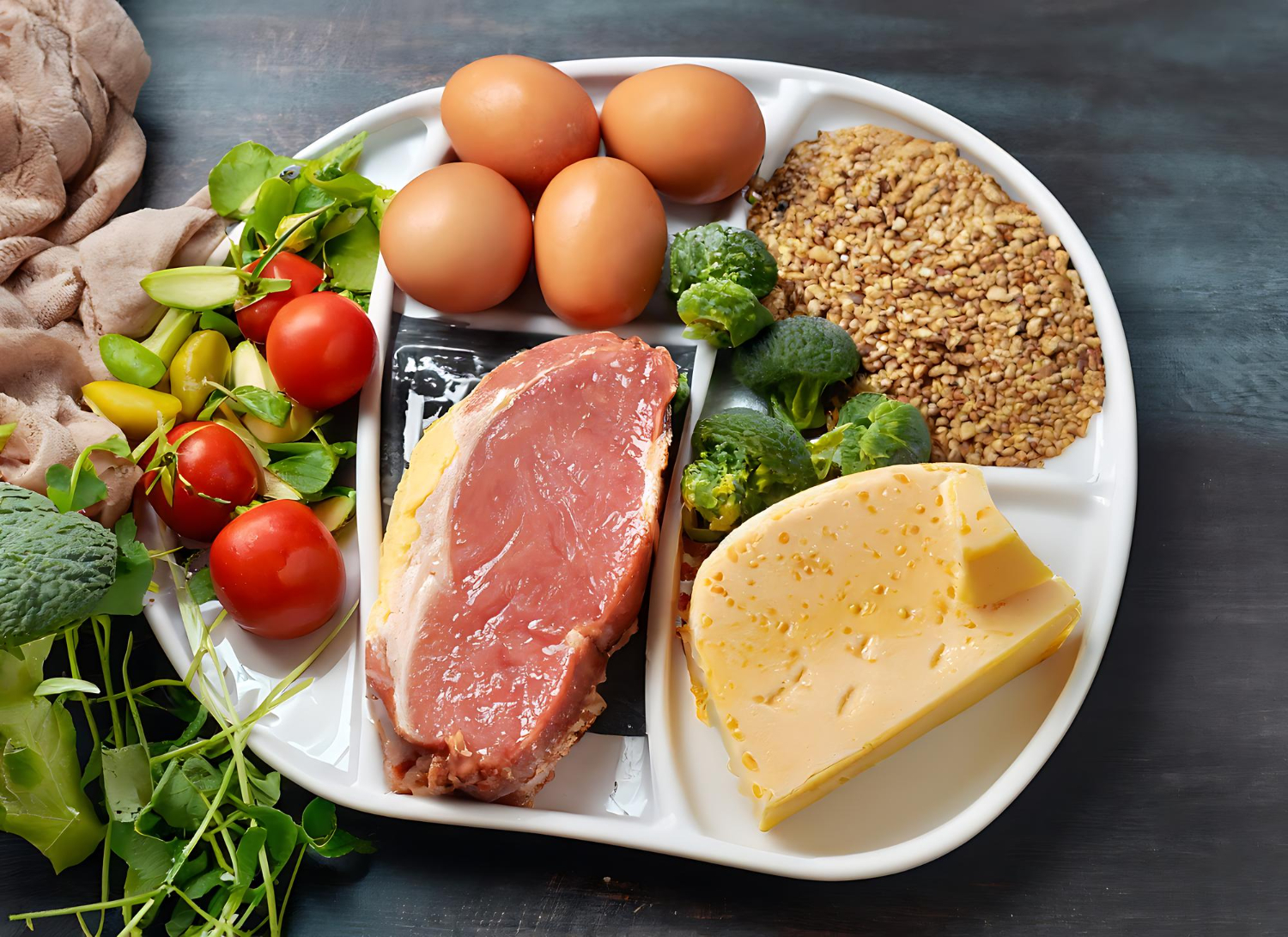
A meal planning system transforms nutritional knowledge into executable weekly habits. This system eliminates daily decision-making, reduces food waste, prevents impulsive unhealthy choices, and ensures you consistently meet protein and nutrient targets.
Weekly Planning Template: Sunday Prep for Success
The weekly planning process takes 30-45 minutes each Sunday and sets up the entire week for nutritional success.
Follow this step-by-step process:
Review your calendar (5 minutes): Identify busy days requiring faster meals, days with social events or restaurants, workout days needing pre/post-workout nutrition, and any schedule disruptions.
Select meals from your rotation (10 minutes): Choose 3-4 different breakfasts, 4-5 different lunches, and 4-5 different dinners from your go-to meal list based on the 3-component framework. Ensure variety in protein sources and produce across the week.
Create your grocery list (15 minutes): List all ingredients needed for selected meals, organized by store section (produce, proteins, grains, dairy, pantry). Check your existing inventory to avoid buying duplicates.
Plan batch cooking (5 minutes): Identify 2-3 meals suitable for batch cooking that can provide multiple servings (such as chicken breast, hard-boiled eggs, roasted vegetables, quinoa, or turkey chili).
Schedule prep time (5 minutes): Block 1-2 hours on Sunday for grocery shopping and meal prep, treating it as a non-negotiable appointment.
This systematic approach removes the 4 PM question "what's for dinner?" that often leads to unhealthy convenience choices or restaurant meals that derail nutrition goals.
Batch Cooking Strategies to Save Time
Batch cooking means preparing multiple servings of specific meal components at once, then combining them throughout the week to create complete meals following the 3-component framework.
Effective batch cooking strategies include:
Protein batch prep: Grill or bake 2-3 pounds of chicken breast, turkey, or lean beef at once. Cook hard-boiled eggs (12-18 eggs). Bake a large salmon fillet. Prepare a large batch of ground turkey or lentils. These proteins stay fresh refrigerated for 4-5 days.
Vegetable batch prep: Roast 2-3 large sheet pans of mixed vegetables (Brussels sprouts, broccoli, cauliflower, bell peppers, zucchini). Wash and chop raw vegetables for salads. Steam or sauté several bunches of greens. Pre-portion vegetable sticks with hummus for snacks.
Carbohydrate batch prep: Cook 3-4 cups of quinoa, brown rice, or wild rice. Roast or bake 4-6 sweet potatoes. Prepare a large pot of steel-cut oats for easy breakfast reheating.
Complete meals: Make large batches of chili, soup, stir-fry, or casseroles that incorporate all components and can be portioned into individual containers.
Store batch-cooked items in clear glass or plastic containers, labeled with contents and date prepared. Use the first-in-first-out method to prevent waste. With batch-cooked components ready, you simply heat protein and carbs, add fresh or reheated vegetables, include healthy fats, and have a complete meal in 5-10 minutes on busy evenings.
Building a Rotation of 10-15 Go-To Meals
Decision fatigue undermines consistent nutrition habits. Building a set rotation of proven meals eliminates daily decision-making while preventing boredom through sufficient variety.
Your go-to meal rotation should include:
- 3-4 breakfast options: Such as Greek yogurt with berries and nuts, vegetable omelet with whole grain toast, protein oats with almond butter, or cottage cheese with fruit
- 4-5 lunch options: Such as grilled chicken salad with olive oil dressing, turkey and vegetable wrap, salmon with quinoa and roasted vegetables, or lentil soup with side salad
- 4-5 dinner options: Such as lean beef stir-fry with mixed vegetables, baked cod with sweet potato and asparagus, turkey chili with side salad, chicken fajita bowls, or tofu and vegetable curry
Each meal should follow the 3-component framework with clear protein source, abundant produce, healthy fats, and optional carbohydrates based on activity. Choose meals you genuinely enjoy eating, that your family will also eat (with minor modifications if needed), that fit your budget, and that match your cooking skill level.
Review and update your rotation every 3-4 months by replacing 2-3 meals with new options to incorporate seasonal produce, try new recipes, and prevent taste fatigue. However, maintaining core favorites provides consistency and simplicity that supports long-term adherence.
Using a Recipe Library Effectively
A recipe library is an organized collection of 20-30 recipes across all meal types that meet your nutritional framework and personal preferences.
Create your library by:
Collecting recipes: Save recipes from trusted sources that follow the 3-component framework or can be easily modified to include adequate protein, produce, and healthy fats. Test each recipe before adding it to your permanent library.
Organizing by category: Group recipes by meal type (breakfast, lunch, dinner, snacks) and possibly by protein source (chicken, fish, plant-based, beef) for easy searching.
Noting key details: For each recipe, note preparation time, whether it batch cooks well, family approval rating, cost per serving, and any modifications you made.
Storing accessibly: Keep your library in a format you will actually use, whether that is a digital folder, a Pinterest board, a recipe app, or a physical binder. The best system is the one you consistently reference.
When planning your weekly meals, select 3-5 recipes from your library rather than searching the internet each week for new ideas. This approach dramatically reduces planning time while ensuring recipes meet your nutritional requirements and taste preferences.
Update your library periodically by removing recipes that you no longer enjoy or that proved impractical, and adding new tested recipes to maintain variety.
Emergency Backup Options for Busy Days
Despite planning, unexpected schedule disruptions happen. Emergency backup options prevent these situations from derailing your nutrition goals.
Stock your kitchen with:
Frozen proteins: Frozen chicken breast, frozen fish fillets, frozen cooked shrimp, or frozen veggie burgers that can be quickly thawed and cooked.
Frozen vegetables: Mixed vegetable blends, riced cauliflower, spinach, and stir-fry mixes that go from freezer to plate in minutes.
Shelf-stable proteins: Canned tuna, canned salmon, canned chicken, or canned beans that require no thawing.
Quick-prep carbs: Microwaveable rice pouches, instant oats, or pre-cooked quinoa.
Ready-to-eat options: Pre-cooked rotisserie chicken, pre-washed salad greens, pre-cut vegetables, or frozen meal prep bowls you made previously.
Additionally, identify 2-3 restaurant or takeout options that offer meals aligned with the 3-component framework, such as grilled protein with steamed vegetables, poke bowls with extra protein and light sauce, or salads with added grilled chicken.
Having these backups prevents the "nothing is ready so I'll order pizza" scenario that derails consistent progress. Accept that some weeks will require more backup meals than others, and plan accordingly rather than expecting perfection.
Real-Life Adaptations

Meal planning systems fail when they cannot adapt to real-world situations. This section addresses common scenarios that challenge consistent nutrition habits.
Family-Friendly Nutrition Planning
Cooking for a family with different preferences and nutritional needs seems to require making multiple separate meals, but strategic planning allows one cooking session to serve everyone.
The base meal approach works by preparing shared components that each family member customizes:
Strategy 1 - Customizable bases: Cook a large batch of grilled chicken, ground turkey, or tofu as the protein base. Roast several trays of mixed vegetables. Prepare rice, quinoa, or pasta as carbohydrate options. Each person builds their plate with preferred proportions and adds individual toppings or sauces.
Strategy 2 - Add-on method: Make your meal according to the 3-component framework, then provide additional carbohydrates or sauces on the side for family members who want them. For example, you eat salmon with roasted vegetables and olive oil, while kids add rice and your spouse adds garlic bread.
Strategy 3 - Deconstructed meals: Create taco bars, grain bowl bars, or salad bars where everyone assembles their own meal from common components. You control your portions and combinations to hit targets while children choose preferred flavors.
Getting family buy-in requires framing changes as "healthy life choices" benefiting everyone rather than "mom's diet." Involve family members in choosing weekly meals, selecting vegetables at the grocery store, and helping with age-appropriate prep tasks. When family members contribute to meal planning, they become invested in eating what was planned.
Budget-Friendly Healthy Eating
Nutrient-dense whole foods are often perceived as expensive, but strategic shopping and cooking methods make healthy meal planning affordable.
Cost-effective protein sources: Eggs provide the highest protein per dollar. Canned tuna and canned salmon cost significantly less than fresh fish. Chicken thighs and drumsticks cost less than breasts. Ground turkey or lean ground beef bought in bulk and frozen in portions saves money. Beans, lentils, and chickpeas provide extremely cheap protein when combined with smaller amounts of animal protein. Our guide to the best foods for sustainable weight loss after 40 for women includes budget-friendly protein options that deliver maximum nutritional value per dollar.
Seasonal produce for savings: Vegetables and fruits in peak season cost 30-50% less than out-of-season options and taste better. Frozen vegetables provide equivalent nutrition to fresh at lower cost and with no waste from spoilage. Buy larger quantities of seasonal produce and freeze for later use.
Buying in bulk strategically: Purchase bulk bags of frozen vegetables, large containers of oats or quinoa, big bags of brown rice, bulk nuts when on sale (freeze to prevent rancidity), and family packs of chicken or fish that you divide and freeze in meal-sized portions.
Meal prep to reduce food waste: Planned meals and batch cooking prevent the "bought vegetables with good intentions that rotted in the crisper" scenario. Use all parts of ingredients (such as broccoli stems in stir-fry or smoothies). Repurpose leftovers into new meals (such as roasted vegetables in omelets or added to soups).
Store brand vs. name brand: For staples like rice, oats, beans, canned tomatoes, frozen vegetables, and eggs, store brands offer equivalent quality and nutrition at 20-40% lower cost. Prioritize spending on quality protein sources and organic options for the "dirty dozen" produce with highest pesticide residues if budget allows, but store brand staples work perfectly well.
Restaurant Eating: How to Stay on Track
Restaurant meals do not automatically sabotage nutrition goals when you make strategic choices aligned with the 3-component framework.
Menu navigation strategies: Scan the menu for grilled, baked, or roasted protein options rather than fried or breaded. Look for dishes with substantial vegetables. Ask for sauces and dressings on the side to control portions. Request substitutions such as double vegetables instead of fries, or side salad instead of bread.
Order construction: Build your meal by ordering a protein entrée plus additional side vegetables if the main dish lacks sufficient produce. Request olive oil or avocado if the meal lacks healthy fats. Skip or minimize the bread basket, chips, or other pre-meal carbohydrates that add calories without satisfying hunger.
Portion management: Restaurant portions often exceed reasonable serving sizes by 200-300%. Consider splitting an entrée with a dining companion, immediately boxing half for tomorrow's lunch before starting to eat, or ordering an appetizer-sized portion as your main dish.
Planning ahead: Check the restaurant menu online before arrival when possible, deciding on your order based on nutritional priorities rather than making impulsive decisions when hungry and surrounded by appealing descriptions.
Frequency matters more than perfection: One restaurant meal per week requires less stringent management than daily restaurant eating. If dining out frequently, apply stricter guidelines. If restaurants are occasional, allow more flexibility while still generally following the protein + produce + healthy fats pattern.
Restaurant eating is part of a balanced life. The goal is making choices that generally align with your nutrition framework rather than perfect adherence or complete avoidance of social dining.
Social Events and Parties
Social gatherings centered around food challenge nutrition plans through abundant high-calorie options, social pressure to indulge, and emotional associations with celebration and connection.
Pre-event preparation: Eat a small meal with protein and fiber before arriving at events to avoid arriving ravenous and overeating appetizers. Offer to bring a dish, ensuring at least one option aligns with your nutrition framework.
Strategic plate building: Survey all available food before filling your plate. Select protein options first (such as grilled chicken skewers, shrimp cocktail, meatballs, cheese), add vegetables and salad, then choose 1-2 treats you genuinely want rather than sampling everything.
Mindful indulgence: Rather than complete restriction causing feelings of deprivation, include moderate amounts of celebratory foods. Eat slowly, enjoy fully, and stop when satisfied rather than stuffed. Remember that one meal does not determine your body composition, but patterns across weeks and months do.
Social navigation: If others comment on your food choices, simple responses work well: "I'm focusing on feeling my best," "This is what sounds good to me right now," or "I'm eating this way to support my training." Avoid detailed diet explanations that invite unsolicited opinions.
Post-event reset: Return to your regular meal planning system at your next meal without guilt or compensatory restriction. One indulgent meal does not require "making up for it" through excessive cardio or skipping meals. Consistency across most meals matters more than any single eating occasion.
Travel and Vacation Planning
Travel disrupts normal routines, limits food options, and often involves celebratory eating, but planning minimizes nutrition disruptions.
Packing portable snacks: Bring protein powder in single-serve packets, individual nut butter packets, raw nuts, protein bars, dried fruit, instant oats, and portable fruits like apples or oranges. These prevent reliance on convenience store or airport options with limited nutritious choices.
Hotel and accommodation strategies: Choose hotels with refrigerators and microwaves when possible, allowing you to store Greek yogurt, pre-cooked chicken, vegetables, and simple breakfast items. Many hotels provide small fridges upon request even if not standard in the room.
Restaurant strategies while traveling: Apply the same menu navigation principles as local restaurant eating. Prioritize protein and vegetables, request modifications, and manage portions. Research restaurant options near your hotel before arrival to identify suitable choices rather than defaulting to whatever is closest when hungry.
Maintaining the framework flexibly: Accept that travel meals may not perfectly hit macronutrient targets, but you can still follow the general protein + produce + healthy fats pattern at most meals. Plan which meals to keep more structured (such as breakfast with hotel oats and protein powder) and which meals allow more flexibility (such as dinner exploring local cuisine).
Enjoyment without derailment: Vacations are for enjoyment and relaxation. Tasting regional specialties and celebratory meals are part of travel experiences. The goal is balance: maintain general healthy eating patterns for 70-80% of meals while enjoying local foods without guilt for the remaining meals. Return to normal meal planning when you get home without compensatory restriction.
Weekend Flexibility While Maintaining Progress
Strict weekday adherence followed by complete weekend abandonment creates a cycle preventing consistent progress. Strategic weekend flexibility supports sustainability without sabotaging results.
Structured flexibility approach: Maintain the 3-component framework for weekend meals but allow different food choices, eating occasions, or portion sizes than weekdays. For example, enjoy a brunch out with friends by ordering an omelet with vegetables and fruit (still hitting protein and produce) rather than pancakes and bacon.
One meal, not one day: If Saturday includes an indulgent dinner, return to normal eating patterns for Sunday breakfast rather than extending unstructured eating across the entire weekend. One celebratory meal has minimal metabolic impact compared to three days of excess.
Activity offsetting: Increase movement on weekends through longer walks, hikes, active recreation with family, or extra training sessions. This increased activity partially offsets higher calorie intake and supports maintenance of caloric deficit or maintenance targets.
Monday reset mentality: View each Monday as a fresh start rather than punishing yourself for weekend choices. Return to your regular meal planning system, batch cooking routine, and mindset without guilt or compensatory restriction. Consistency across weeks and months determines results, not perfection during any single weekend.
The most sustainable approach allows 80% adherence to your nutrition framework with 20% flexibility, strategically distributed across the week including weekends. This balance prevents the deprivation that leads to binge cycles while maintaining the consistency necessary for body composition changes.
Sample Meal Plans for Different Calorie Targets
Concrete examples demonstrate how the 3-component framework translates into actual daily meal patterns at different calorie levels appropriate for women over 40 with varying activity levels and weight loss goals.
1500-Calorie Meal Plan Example
This calorie level supports weight loss for smaller-framed or less active women over 40, or provides a moderate deficit for larger women.
Breakfast (300 calories):
- 1 cup plain Greek yogurt (non-fat)
- 1/2 cup mixed berries
- 1 oz chopped walnuts
Lunch (450 calories):
- 4 oz grilled salmon
- Large mixed green salad (3 cups lettuce, cucumber, tomatoes, bell peppers)
- 1.5 tablespoons olive oil and vinegar dressing
Snack (200 calories):
- 1 medium apple
- 2 tablespoons almond butter
Dinner (500 calories):
- 4 oz ground turkey
- 1 cup black beans
- 1 cup diced tomatoes, onions, peppers (chili)
- 1.5 cups steamed broccoli
- 1 tablespoon olive oil drizzled on broccoli
Macronutrient breakdown: Approximately 120g protein, 120g carbohydrates, 50g fat
This plan provides adequate protein for muscle maintenance, abundant produce for micronutrients and fiber, healthy fats for hormone support, and moderate carbohydrates appropriate for moderate activity levels.
1800-Calorie Meal Plan Example
This calorie level supports weight loss for moderately active women or maintenance for smaller, less active women over 40.
Breakfast (400 calories):
- 3-egg vegetable omelet (spinach, mushrooms, tomatoes)
- 1 slice whole grain toast
- 1/2 medium avocado
Lunch (550 calories):
- 5 oz grilled chicken breast
- 1/2 cup cooked quinoa
- 2 cups roasted mixed vegetables (Brussels sprouts, carrots, bell peppers)
- 1 tablespoon olive oil
Snack (200 calories):
- 1 cup cottage cheese (low-fat)
- 1/2 cup pineapple
Dinner (650 calories):
- 5 oz baked cod
- 1 medium sweet potato
- 2 cups sautéed kale with garlic
- 1 side salad with 1 tablespoon olive oil dressing
Macronutrient breakdown: Approximately 140g protein, 140g carbohydrates, 60g fat
This plan increases all components proportionally while maintaining the protein priority and abundant produce that characterize the framework.
2000-Calorie Meal Plan Example
This calorie level supports weight loss for very active women, muscle building for moderately active women, or maintenance for larger or highly active women over 40.
Breakfast (500 calories):
- 1 cup cooked steel-cut oats
- 1 scoop vanilla protein powder mixed in
- 1 medium banana
- 2 tablespoons almond butter
Lunch (600 calories):
- 5 oz lean beef
- 1.5 cups mixed vegetables (broccoli, snap peas, carrots, bell peppers)
- 1 cup cooked brown rice
- Stir-fry with 1 tablespoon sesame oil
Snack (300 calories):
- 1/4 cup hummus
- 2 cups carrot and celery sticks
- 1 oz almonds
Dinner (600 calories):
- 6 oz grilled salmon fillet
- 3/4 cup wild rice
- 1.5 cups roasted asparagus
- Large side salad with 1.5 tablespoons olive oil dressing
Macronutrient breakdown: Approximately 150g protein, 180g carbohydrates, 65g fat
This higher calorie plan increases carbohydrate portions to support increased activity while maintaining protein priority and vegetable abundance.
Adjusting Portions to Hit Your Targets
These meal plans provide templates rather than rigid prescriptions. Adjust portions based on your individual response and results.
If losing weight too quickly (more than 1-1.5 pounds per week average): Increase carbohydrate portions at meals following workouts. Add a fourth meal or larger snacks. Increase healthy fat portions slightly (an extra tablespoon of olive oil or nut butter adds 100-120 calories).
If not losing weight despite consistency: Reduce carbohydrate portions, especially on rest days. Verify protein portions using a food scale for one week to ensure accuracy (portion size estimation often underestimates by 20-30%). Reduce calorie-dense items like oils, nuts, and nut butters by 25-30%.
If feeling low energy or hungry constantly: Increase protein portions by 5-10 grams per meal. Add more volume through additional non-starchy vegetables. Redistribute carbohydrates to earlier in the day when insulin sensitivity is highest. Verify you are meeting minimum fat intake (0.3g per pound body weight) as very low fat often increases hunger.
If training performance is declining: Increase total calories by 100-200 daily, prioritizing carbohydrates around training sessions. Ensure adequate pre-workout nutrition. Consider if excessive calorie deficit is impairing recovery.
Use your scale weight, energy levels, training performance, sleep quality, hunger signals, and how your clothing fits to guide adjustments rather than rigidly adhering to any single plan. The best plan is the one you can sustain while making gradual progress toward your goals.
Adjusting Your Plan Based on Results
Effective meal planning requires monitoring results and adjusting based on your body's responses rather than blindly following any program indefinitely.
Tracking Beyond the Scale: Energy, Sleep, Mood
Scale weight provides one data point but does not capture the full picture of how your nutrition plan affects your health and body composition.
Energy levels: Consistent energy throughout the day without mid-afternoon crashes indicates appropriate food quality and quantity. Conversely, persistent fatigue despite adequate sleep suggests insufficient calories, inadequate carbohydrates relative to activity, micronutrient deficiencies, or excessive calorie deficit.
Sleep quality: Falling asleep easily, staying asleep through the night, and waking feeling rested indicate proper evening meal timing, adequate magnesium and tryptophan intake, and appropriate overall nutrition. Difficulty falling asleep, frequent waking, or unrefreshing sleep may indicate eating too close to bedtime, excessive caffeine, inadequate food intake causing hunger-related sleep disruption, or micronutrient deficiencies.
Mood and mental clarity: Stable mood, good stress resilience, and clear thinking indicate adequate overall nutrition and blood sugar stability. Conversely, irritability, anxiety, brain fog, or mood swings suggest blood sugar instability from inadequate protein or fiber, insufficient calories creating stress response, low omega-3 intake affecting neurotransmitter function, or deficiencies in B vitamins or magnesium.
Strength and training performance: Maintaining or increasing strength over time indicates adequate protein, calories, and recovery. Declining performance despite consistent training suggests insufficient calories or protein, inadequate carbohydrates for glycogen replenishment, or poor recovery from excessive deficit.
Hunger and satiety: Moderate hunger before meals with comfortable satisfaction after eating indicates appropriate portions and macronutrient balance. Constant hunger suggests insufficient calories, inadequate protein or fiber, or poor meal timing. Lack of appetite may indicate excessive stress, inadequate variety causing food fatigue, or overconsumption of processed foods that disrupt hunger signaling.
Track these variables weekly using a simple journal or notes app, rating each factor on a 1-10 scale to identify patterns requiring adjustment.
When to Increase Calories (Reverse Dieting)
Reverse dieting is the strategic, gradual increase of calorie intake after a period of calorie deficit, allowing metabolic adaptation and preventing rapid fat regain.
Increase calories when you experience:
Persistent low energy despite adequate sleep: Your metabolic rate has adapted downward to match chronically low intake, requiring increased calories to restore normal function.
Strength and performance decline: Insufficient calories impair recovery and prevent training adaptations. Adding calories, particularly carbohydrates around workouts, restores performance capacity.
Loss of menstrual cycle: If you are still menstruating and periods stop or become irregular, this signals excessive energy deficit and hormonal disruption requiring increased intake.
Excessive hunger and food preoccupation: Chronic severe restriction increases obsessive thoughts about food and drive to overeat. Increasing calories to a more moderate deficit often improves adherence paradoxically by reducing psychological stress.
Reaching goal weight or body composition: Once you achieve your target, gradually increase calories to find your maintenance level rather than suddenly returning to pre-diet intake which causes rapid regain.
The reverse diet process involves increasing calories by 50-100 per week, primarily from carbohydrates, while monitoring weight and how you feel. Expect 2-4 pounds of water weight gain initially as glycogen stores replenish. Continue increasing until you reach maintenance calories (typically 14-16 times body weight for moderately active women) where weight stabilizes.
When to Adjust Macros
Macronutrient ratios may require adjustment based on results and how you feel, even when total calories remain appropriate.
Increase protein when strength training frequency increases, when persistently hungry despite adequate calories, or when losing weight too quickly (higher protein helps preserve muscle during deficit).
Increase carbohydrates when training performance declines, when feeling low energy despite adequate total calories, when increasing training volume or intensity, or when experiencing poor workout recovery. Add carbohydrates primarily around training sessions.
Increase fats when feeling unsatisfied after meals despite adequate protein and volume, when experiencing hormonal disruptions, when skin becomes excessively dry, or when total fat intake is below 0.3g per pound of body weight.
Decrease carbohydrates when weight loss stalls despite consistent deficit, when reducing training volume, on rest days (carb cycling approach), or when experiencing blood sugar instability and cravings despite adequate protein.
Decrease fats when needing to reduce calories but want to maintain higher protein and carbohydrates for training and satiety, since fats provide 9 calories per gram compared to 4 for protein and carbs.
Make one macronutrient change at a time, maintain the change for 2-3 weeks while monitoring results, then adjust further if needed. Avoid changing everything simultaneously, which prevents identifying which variable created improvements or declines.
Signs Your Plan Is Working vs. Needs Tweaking
Distinguishing between a plan that needs time to work and one that requires modification prevents premature abandonment of effective approaches while avoiding prolonged use of ineffective strategies.
Signs your plan is working:
- Losing 0.5-1.5 pounds per week on average (some weeks higher, some lower)
- Maintaining or increasing strength in the gym
- Feeling satisfied after meals without constant hunger
- Good energy throughout the day
- Sleeping well without disruptions
- Stable mood and managing stress well
- Enjoying the foods you are eating
- Finding the planning system sustainable with your schedule
Signs your plan needs adjustment:
- No weight change for 3+ weeks despite consistent adherence
- Losing more than 2 pounds per week consistently (too aggressive)
- Constantly hungry and preoccupied with food
- Declining strength and training performance
- Persistent fatigue despite adequate sleep
- Mood swings, irritability, or anxiety
- Poor sleep quality or difficulty staying asleep
- Finding yourself regularly "cheating" or abandoning the plan
- Developing disordered eating thoughts or behaviors
When your plan is working, maintain consistency and patience. Body composition changes require 8-12 weeks to become noticeable, and progress is rarely linear. When clear signs indicate needed adjustments, make one change at a time and reassess in 2-3 weeks.
Choosing Your Meal Planning Approach
Different meal planning approaches suit different personalities, schedules, and preferences. Understanding your options helps you select the most sustainable method for your situation.
DIY with Templates and Recipes
The do-it-yourself approach means creating your own meal plans using the 3-component framework, recipe library, and planning templates provided in this article.
This approach works well if you enjoy cooking and trying new recipes, want complete control over ingredients and food choices, have time for weekly planning and grocery shopping, prefer variety and flexibility to rigid structure, or have specific dietary requirements or strong food preferences not accommodated by pre-made plans.
The DIY method requires the most planning time upfront but offers maximum customization. You select all meals, create grocery lists, and manage all aspects of implementation using the framework as your guide. This approach builds sustainable skills because you learn to construct nutritionally appropriate meals independently rather than depending on external meal plans.
Start by building your recipe library with 15-20 meals you know you enjoy that meet the framework criteria. Use the weekly planning template each Sunday to select meals for the coming week, make your grocery list, and schedule prep time. After 4-6 weeks, this process becomes routine and requires minimal time.
Structured Meal Plan Programs with Built-In Variety
Structured programs provide ready-made meal plans, detailed recipes, grocery lists, and often prep instructions, removing all planning decisions.
This approach works well if you want to eliminate decision-making entirely, prefer clear instructions over creating your own plans, have limited cooking experience and want to learn through structured guidance, struggle with analysis paralysis when faced with too many options, or want to ensure plans are nutritionally balanced without doing calculations yourself.
Structured programs save significant time in planning but require following someone else's food choices, which may include ingredients you dislike or need to substitute. They work best when the program specifically targets women over 40 with appropriate protein targets, reasonable calorie levels, and realistic recipes.
When selecting a structured program, verify that protein targets meet the 0.7-1.0 grams per pound guideline, meal plans include 25-30 grams of protein per meal, calorie levels are appropriate for sustainable weight loss rather than extreme restriction, recipes use whole food ingredients rather than expensive supplements, and some customization is allowed for food preferences or allergies.
Hybrid Approach: Structure with Flexibility
The hybrid method combines elements of DIY and structured approaches, using meal plan programs for some meals while customizing others, or following structured plans during busy weeks and DIY during lighter schedule periods.
This approach works well if you want some guidance without complete rigidity, have family members with different preferences requiring customization, enjoy cooking some meals but want shortcuts for others, or want structure during work weeks and more flexibility on weekends.
A practical hybrid approach might involve using a structured breakfast and lunch plan Monday through Friday for simplicity, while planning family dinners yourself on weeknights and allowing more flexible eating on weekends. Or follow a structured plan for three weeks per month while taking one week per month to try new recipes and experiment.
This balanced approach provides enough structure to prevent decision fatigue and ensure nutritional adequacy while preserving autonomy and enjoyment in meal planning.
Starting Today: Your First Week Template
Regardless of which overall approach you choose, you can start implementing the 3-component framework immediately using this first-week template.
Preparation steps (do today):
Calculate your targets: Estimate your calorie needs (body weight × 12 for moderate activity). Set protein at 0.8g per pound body weight, fat at 0.4g per pound, and allocate remaining calories to carbs.
Choose 3 simple meals: Select one breakfast, one lunch, and one dinner you already know how to prepare that include protein + produce + healthy fat. You will eat these same meals daily this first week to remove decisions.
Make a grocery list: List everything needed for your 3 chosen meals × 7 days, plus healthy snack options (Greek yogurt, fruit, raw nuts, vegetables with hummus).
Shop today or tomorrow: Purchase everything on your list.
Implementation this week:
Days 1-7: Eat your chosen breakfast every morning, chosen lunch every afternoon, and chosen dinner every evening. Include 1-2 snacks daily as needed for hunger management.
Track protein intake only: For this first week, simply verify you are hitting 20-30g protein per meal. Do not worry about precise calorie or macro tracking.
Note how you feel: Keep brief notes about energy, sleep, hunger, and mood each day.
Week 2 planning (do on Day 7):
Assess results: Did you feel good? Was the food satisfying? Did you hit protein targets consistently?
Expand variety: Add 2-3 new meal options for Week 2 while keeping one favorite from Week 1.
Introduce weekly planning: Use the Sunday planning template to select meals for each day based on your schedule.
This gradual approach builds skills and confidence rather than overwhelming you with complex planning from the start. Consistency with simple meals outperforms inconsistency with elaborate plans.
Keto that finally moves the scale again.
Get your planSources
Sahni S, Mangano KM, Hannan MT, Kiel DP, McLean RR. Higher Protein Intake Is Associated with Higher Lean Mass and Quadriceps Muscle Strength in Adult Men and Women. J Nutr. 2015 Jul;145(7):1569-75. doi: 10.3945/jn.114.204925. Epub 2015 May 27. PMID: 26019246; PMCID: PMC4478942.
JAMA Netw Open. 2024;7(11):e2442163. doi:10.1001/jamanetworkopen.2024.42163
Lesani A, Barkhidarian B, Jafarzadeh M, et al. Time-related meal patterns and breakfast quality in a sample of Iranian adults. BMC Nutr. 2023;9:13. https://doi.org/10.1186/s40795-022-00666-w
Kessenich CR. Calcium and Vitamin D Supplementation for Postmenopausal Bone Health. The Journal for Nurse Practitioners. 2007;3(3):155-159. https://doi.org/10.1016/j.nurpra.2007.01.017
FAQs
How much protein do women over 40 really need for weight loss and muscle maintenance?
Women over 40 require 0.7-1.0 grams of protein per pound of body weight daily when strength training and trying to lose fat while preserving muscle mass. This translates to approximately 105-150 grams of protein daily for a 150-pound woman, distributed across 3-4 meals with 20-40 grams per meal. This higher protein intake compared to general recommendations serves multiple purposes. First, muscle protein synthesis becomes less efficient with age, requiring higher protein doses per meal to trigger the same anabolic response. Second, protein has the highest thermic effect of food, meaning your body expends more calories digesting protein compared to carbohydrates or fats. Third, protein increases satiety more effectively than other macronutrients, helping manage hunger during calorie restriction. Research demonstrates that women in midlife who consume higher protein intakes preserve significantly more lean mass during weight loss compared to those eating moderate protein at recommended dietary allowance levels. Therefore, prioritizing protein at every meal is non-negotiable for optimal body composition outcomes after 40. For those combining nutrition with resistance training, [the ultimate guide to body building for women over 40](https://reverse.health/blog/body-building-women-over-40) explains how to synchronize protein timing with strength workouts for maximum muscle retention.
Can I lose weight after 40 without cutting out entire food groups like carbs or fats?
Yes, sustainable weight loss after 40 requires a caloric deficit, not elimination of entire macronutrient categories. Your body needs carbohydrates for energy and training performance, fats for hormone production and cellular function, and protein for muscle maintenance. The key is choosing high-quality sources within each macronutrient category and matching quantities to your activity level and calorie targets. Instead of eliminating carbohydrates, choose complex carbohydrates with substantial fiber like quinoa, sweet potatoes, oats, and legumes, and time larger carbohydrate portions around strength training when insulin sensitivity is elevated and muscles need glucose for recovery. Instead of eliminating fats, prioritize unsaturated fats from olive oil, avocados, nuts, seeds, and fatty fish while limiting saturated fats and avoiding trans fats. Fats should comprise approximately 0.3-0.5 grams per pound of body weight to support hormone synthesis, which is especially important during perimenopause and menopause when hormonal balance is already disrupted. Extreme restriction of any macronutrient category typically leads to cravings, reduced adherence, nutrient deficiencies, and metabolic adaptations that make long-term weight maintenance difficult. The 3-component framework with flexible carbohydrate portions based on activity provides a balanced, sustainable approach that works with your physiology rather than against it.
Is intermittent fasting effective for women over 40, or does it disrupt hormones?
Intermittent fasting can be effective for weight loss in women over 40 when implemented moderately, but aggressive fasting protocols may disrupt hormones and should be approached cautiously. Moderate time-restricted eating patterns like 12:12 or 14:10 (eating within a 12 or 10-hour window, fasting for 12 or 14 hours) align well with natural circadian rhythms and can support weight loss by simplifying meal timing, reducing late-night eating, and improving insulin sensitivity. Research shows that eating earlier in the day with an extended overnight fast improves metabolic markers without the stress response triggered by more aggressive fasting. However, women are more sensitive to calorie restriction signals than men, and very long fasting periods (16+ hours) or complete fasting days can trigger stress responses that elevate cortisol, disrupt thyroid function, and impair reproductive hormones even in perimenopausal women. Signs that fasting is counterproductive include loss of menstrual periods if still cycling, disrupted sleep, increased anxiety, constant food preoccupation, or triggering binge eating when the eating window opens. The most sustainable approach for most women over 40 is finishing dinner by 6-7 PM and eating breakfast around 7-8 AM, creating a natural 12-13 hour overnight fast without requiring you to skip breakfast or eat late at night. This pattern supports circadian rhythm alignment and allows adequate time for digestion before sleep without the hormonal disruption of extreme restriction. Importantly, intermittent fasting provides no metabolic advantage if you consume poor food choices or excessive calories during eating windows. The 3-component framework (protein + produce + healthy fats) remains the priority, with meal timing as a secondary optimization strategy.
How do I meal plan when cooking for a family that does not want to eat "diet food"?
Successful family meal planning uses the base meal approach where you prepare shared components that each person customizes to their preferences and nutritional needs, avoiding the need to make separate meals. The strategy involves cooking a substantial protein (grilled chicken, baked fish, lean beef, turkey), preparing 2-3 vegetable options (roasted vegetables, salad, steamed broccoli), and offering carbohydrate options on the side (rice, quinoa, bread, pasta). You build your plate following the 3-component framework with moderate carbohydrates, while family members add more carbohydrates, different sauces, or additional items they prefer. For example, taco night provides ground turkey or beef, black beans, lettuce, tomatoes, peppers, cheese, avocado, salsa, and whole grain tortillas. You build a taco salad bowl with extra protein and vegetables, light cheese, and plenty of avocado. Your children build traditional tacos with tortillas. Your spouse adds rice on the side. Everyone eats from the same meal preparation with individualized assembly. This approach works for nearly any cuisine. Stir-fry night offers protein and vegetables with sauce, where you take a moderate portion over cauliflower rice while others eat it over regular rice. Burger night provides grilled burgers where you eat yours over salad while others use buns. Framing these meals as "healthy choices benefiting the whole family" rather than "mom's diet" reduces resistance. Involving family members in selecting weekly meals, choosing produce at stores, and age-appropriate cooking tasks increases buy-in. When everyone contributes to planning, they become invested in eating what was prepared. Additionally, many nutrient-dense meals appeal broadly when prepared well. Perfectly grilled chicken with flavorful roasted vegetables and a good sauce tastes delicious, not like restriction. The issue is often preparation methods, not ingredients. Learning versatile cooking techniques and flavor-building strategies makes healthy eating appealing rather than punishment.
What supplements are actually necessary for women over 40, versus marketing hype?
Most women over 40 benefit from a few targeted supplements addressing common deficiencies and age-related needs, while many heavily marketed supplements provide minimal benefit. **Vitamin D**: Most women are deficient in vitamin D, especially those living in northern climates or spending limited time outdoors. Vitamin D is crucial for bone health, immune function, and mood regulation. Research shows that supplementation is often necessary to reach optimal blood levels, particularly during postmenopause when bone density declines. Target 1000-2000 IU daily or test levels to determine individual needs. **Omega-3 fatty acids**: If you do not regularly consume fatty fish (salmon, mackerel, sardines) at least twice weekly, an omega-3 supplement providing EPA and DHA supports heart health, reduces inflammation, and benefits cognitive function. Choose high-quality fish oil or algae-based omega-3s providing 1000-2000mg combined EPA/DHA daily. **Magnesium**: Many women consume inadequate magnesium through diet, and deficiency contributes to poor sleep, muscle cramps, and stress. Magnesium glycinate taken in the evening (300-400mg) supports sleep quality, muscle relaxation, and recovery. This supplement is particularly helpful for women experiencing night sweats, restless sleep, or muscle tension. **Protein powder (situational)**: If you struggle to consume 20-30 grams of protein at each meal through whole foods due to schedule constraints, limited appetite, or food preferences, a high-quality whey or plant-based protein powder can help meet targets. However, this is a convenience tool rather than a necessity if you already eat adequate protein-rich foods. **Calcium (situational)**: If your dietary calcium intake from dairy, leafy greens, and fortified foods is consistently low, calcium supplementation supports bone health. However, many women get sufficient calcium through diet, and excessive supplementation may increase cardiovascular risk. Aim for 1000-1200mg total daily from food plus supplements combined, not supplements alone. **What you do not need**: Proprietary "menopause support" blends, detox supplements, metabolism boosters, fat burners, and most herbal supplements lack strong evidence and are often expensive with minimal benefit. Rather than spending money on unproven supplements, prioritize high-quality whole foods, adequate protein, and the few evidence-based supplements listed above. Before starting any supplement regimen, consult your healthcare provider, especially if taking medications, as some supplements interact with prescriptions. Testing for specific deficiencies (vitamin D, B12, iron) through bloodwork identifies true needs rather than supplementing blindly.