Weight loss that fits your goals and your life.
Get your plan
Weight loss that fits your goals and your life.
Get your plan
Balancing hormones is vital for overall health, helping to regulate mood, energy, sleep, and appetite.
For women over 40, it becomes even more important as there is a natural decline of the reproductive hormone estrogen, which leads to symptoms such as hot flashes, night sweats, mood swings, brain fog, decreased libido, and changes in fat distribution.
During this time, nutrition becomes more important than ever, providing the support the body needs to alleviate symptoms and improve quality of life.
In this article, we introduce the comprehensive hormone-balancing diet. We cover a hormone-balancing food list, what foods to avoid, nutrient targets, and a downloadable PDF to help you get started today.
Downloadable Hormone Balancing Diet Plan Summary

Here is a breakdown of the hormone-balancing diet plan, including essential nutrients, nutrient targets, and meal frequency.
- Frequent Meals — Three main meals and one to two snacks. This will help stabilize blood sugar, energy levels, mood, and hunger hormones.
- Meet Protein Goals — Used to produce, transport, and regulate hormones. Aim for 1.2–1.6 g per kg of body weight. This will improve satiety, preserve muscle, and support metabolism.
- Sufficient Healthy Fats — Essential for the production of estrogen and progesterone. These include omega-3 found in fatty fish and monounsaturated fats found in avocado, olive oil, and almonds.
- Nutrient-Dense Foods — Foods loaded with micronutrients, such as those essential for hormone balance. Micronutrients such as iron, magnesium, zinc, and B vitamins provide energy, reduce stress, improve sleep, support hormone production, and support metabolism.
- Fiber — Supports hormone balance by removing excess hormones through the liver and kidneys. Aim for 25 grams per day.
- Limit Ultra-Processed Foods — Disrupts hunger hormones, spikes blood sugar, and increases calories without nutrients.
Weekly Hormone Balancing Meal Plan
This 7-day diet plan contains foods that balance your hormones. It contains breakfast, lunch, dinner, and snacks, complete calorie and macronutrient breakdowns.
Calorie and Macronutrient
- Calories: 1,600 kcal/day
- Carbohydrates: 50% of total daily intake
- Protein: 20% of total daily intake
- Fats: 30% of total daily intake
Day 1
Total Macros: 1,600 kcal | Protein: 89 g | Carbs: 160 g | Fat: 60 g
Breakfast – Oatmeal & Yogurt Bowl
Macros: 400 kcal | Protein: 20 g | Carbs: 50 g | Fat: 13 g
- Oats – 50 g
- Low-fat Greek yogurt – 150 g
- Blueberries – 50 g
- Chia seeds – 10 g
Prep Tips: Cook oats with water or milk, stir in yogurt, and top with berries & chia seeds.
Lunch – Chicken Quinoa Salad
Macros: 500 kcal | Protein: 35 g | Carbs: 40 g | Fat: 18 g
- Chicken breast – 120 g
- Quinoa (cooked) – 120 g
- Mixed greens – 100 g
- Olive oil – 2 tsp
Prep Tips: Grill or pan-cook chicken, cook quinoa, then toss with greens and olive oil.
Dinner – Salmon & Sweet Potato
Macros: 520 kcal | Protein: 30 g | Carbs: 45 g | Fat: 20 g
- Salmon – 120 g
- Sweet potato – 150 g
- Broccoli – 100 g
Prep Tips: Bake salmon (180°C ~12–15 min) → roast or microwave sweet potato → steam broccoli.
Snack
Macros: 180 kcal | Protein: 4 g | Carbs: 25 g | Fat: 9 g
- Apple – 1 medium
- Almonds – 15 g
Prep Tips: Slice the apple and eat it with almonds.
Day 2
Total Macros: 1,600 kcal | Protein: 100 g | Carbs: 160 g | Fat: 55 g
Breakfast – Egg & Avocado Toast
Macros: 400 kcal | Protein: 20 g | Carbs: 35 g | Fat: 20 g
- Whole eggs – 2
- Whole-grain toast – 2 slices
- Avocado – 50 g
Prep Tips: Toast bread, cook eggs (boiled or fried), mash avocado on toast, and top with eggs.
Lunch – Turkey Rice Bowl
Macros: 500 kcal | Protein: 35 g | Carbs: 45 g | Fat: 18 g
- Lean turkey – 120 g
- Brown rice – 150 g
- Spinach – 50 g
- Olive oil – 2 tsp
Prep Tips: Cook turkey in a pan with seasoning, then serve over rice and spinach, and drizzle with olive oil.
Dinner – Cod & Potatoes
Macros: 520 kcal | Protein: 35 g | Carbs: 50 g | Fat: 15 g
- Cod – 150 g
- Potatoes – 200 g
- Green beans – 100 g
- Olive oil – 2 tsp
Prep Tips: Bake or pan-cook cod, boil potatoes, steam green beans, and add olive oil.
Snack
Macros: 180 kcal | Protein: 10 g | Carbs: 30 g | Fat: 2 g
- Low-fat yogurt – 150 g
- Banana – 1 small
Prep Tips: Slice the banana and mix with yogurt
Day 3
Total Macros: 1,600 kcal | Protein: 104 g | Carbs: 155 g | Fat: 45 g
Breakfast – Smoothie Bowl
Macros: 400 kcal | Protein: 30 g | Carbs: 50 g | Fat: 6 g
- Low-fat milk – 200 ml
- Protein powder – 1 scoop
- Banana – 1 small
- Oats – 30 g
Prep Tips: Blend milk, protein, and banana, then pour into a bowl, and top with oats.
Lunch – Tuna Wrap
Macros: 450 kcal | Protein: 35 g | Carbs: 35 g | Fat: 10 g
- Tuna (in water) – 120 g
- Whole grain wrap – 1
- Lettuce + tomato
- Olive oil – 1 tsp
Prep Tips: Mix tuna with a little yogurt or lemon, then add to a wrap with veggies, and roll.
Dinner – Lean Beef & Quinoa
Macros: 550 kcal | Protein: 35 g | Carbs: 45 g | Fat: 20 g
- Lean beef – 120 g
- Quinoa – 120 g
- Vegetables – 100 g
- Olive oil – 2 tsp
Prep Tips: Cook beef in a pan, cook quinoa, sauté veggies, and then combine with olive oil.
Snack
Macros: 200 kcal | Protein: 4 g | Carbs: 25 g | Fat: 9 g
- Orange – 1 medium
- Almonds – 10 g
Prep Tips: Peel the orange and eat it with almonds.
Day 4
Total Macros: 1,600 kcal | Protein: 91 g | Carbs: 165 g | Fat: 56 g
Breakfast – Yogurt Parfait
Macros: 400 kcal | Protein: 22 g | Carbs: 50 g | Fat: 10 g
- Low-fat Greek yogurt – 200 g
- Granola – 30 g
- Berries – 50 g
Prep Tips: Layer yogurt, granola, and berries in a bowl or jar.
Lunch – Chicken & Sweet Potato Bowl
Macros: 500 kcal | Protein: 35 g | Carbs: 45 g | Fat: 18 g
- Chicken breast – 120 g
- Sweet potato – 150 g
- Spinach – 50 g
- Olive oil – 2 tsp
Prep Tips: Cook chicken, roast or microwave sweet potato, then serve with spinach and olive oil.
Dinner – Salmon Rice Plate
Macros: 520 kcal | Protein: 30 g | Carbs: 45 g | Fat: 20 g
- Salmon – 120 g
- Brown rice – 150 g
- Broccoli – 100 g
Prep Tips: Bake or pan-cook salmon, cook rice, steam broccoli, and then assemble.
Snack
Macros: 180 kcal | Protein: 4 g | Carbs: 25 g | Fat: 8 g
- Apple – 1
- Peanut butter – 10 g
Prep Tips: Slice the apple and then spread peanut butter on the slices.
Day 5
Total Macros: 1,600 kcal | Protein: 100 g | Carbs: 165 g | Fat: 50 g
Breakfast – Eggs & Oats
Macros: 400 kcal | Protein: 20 g | Carbs: 40 g | Fat: 15 g
- Eggs – 2
- Oats – 40 g
- Blueberries – 50 g
Prep Tips: Cook oats, eggs (boiled/scrambled), and serve with berries.
Lunch – Turkey Quinoa Bowl
Macros: 500 kcal | Protein: 35 g | Carbs: 45 g | Fat: 18 g
- Turkey – 120 g
- Quinoa – 120 g
- Vegetables – 100 g
- Olive oil – 2 tsp
Prep Tips: Cook turkey, cook quinoa, and then mix with veggies and olive oil.
Dinner – Cod & Potatoes
Macros: 520 kcal | Protein: 35 g | Carbs: 50 g | Fat: 15 g
- Cod – 150 g
- Potatoes – 200 g
- Green beans – 100 g
- Olive oil – 2 tsp
Prep Tips: Bake or pan-cook cod, boil potatoes, steam green beans, and add olive oil.
Snack
Macros: 180 kcal | Protein: 10 g | Carbs: 30 g | Fat: 2 g
- Yogurt – 150 g
- Banana – 1 small
Prep Tips: Mix yogurt + banana.
Day 6
Total Macros: 1,600 kcal | Protein: 104 g | Carbs: 160 g | Fat: 46 g
Breakfast – Smoothie
Macros: 400 kcal | Protein: 30 g | Carbs: 50 g | Fat: 6 g
- Milk – 200 ml
- Protein powder – 1 scoop
- Oats – 30 g
- Banana – 1 small
Prep Tips: Blend all ingredients until smooth.
Lunch – Chicken Wrap
Macros: 450 kcal | Protein: 35 g | Carbs: 35 g | Fat: 10 g
- Chicken breast – 120 g
- Whole grain wrap – 1
- Veggies
- Olive oil – 1 tsp
Prep Tips: Cook chicken, then slice and add it to a wrap with veggies. Drizzle oil and roll.
Dinner – Beef & Rice
Macros: 550 kcal | Protein: 35 g | Carbs: 50 g | Fat: 20 g
- Lean beef – 120 g
- Brown rice – 150 g
- Vegetables – 100 g
- Olive oil – 2 tsp
Prep Tips: Cook beef, cook rice, sauté veggies, then combine with olive oil.
Snack
Macros: 200 kcal | Protein: 4 g | Carbs: 25 g | Fat: 10 g
- Apple – 1
- Almonds – 15 g
Prep Tips: Slice the apple and eat with almonds.
Day 7
Total Macros: 1,600 kcal | Protein: 96 g | Carbs: 155 g | Fat: 50 g
Breakfast – Yogurt & Fruit Bowl
Macros: 400 kcal | Protein: 22 g | Carbs: 45 g | Fat: 12 g
- Greek yogurt – 200 g
- Banana – 1 small
- Chia seeds – 10 g
Prep Tips: Mix yogurt with sliced banana and top with chia seeds.
Lunch – Salmon Quinoa Salad
Macros: 500 kcal | Protein: 30 g | Carbs: 40 g | Fat: 20 g
- Salmon – 120 g
- Quinoa – 120 g
- Greens
- Olive oil – 2 tsp
Prep Tips: Cook salmon, cook quinoa, toss with greens, and drizzle olive oil.
Dinner – Chicken & Sweet Potato
Macros: 520 kcal | Protein: 40 g | Carbs: 45 g | Fat: 10 g
- Chicken breast – 150 g
- Sweet potato – 150 g
- Broccoli – 100 g
- Olive oil – 1 tsp
Prep Tips: Cook chicken, roast or microwave sweet potato, and steam broccoli.
Snack
Macros: 180 kcal | Protein: 4 g | Carbs: 25 g | Fat: 8 g
- Orange – 1
- Almonds – 10 g
Prep Tips: Peel the orange and then eat it with almonds.
Hormone Balancing Food List

The following foods are excellent for balancing hormones.
- Protein — Chicken breast, turkey
- Fatty Fish — Salmon, mackerel, sardines, trout, herring
- Healthy Fats — Fatty fish, chia seeds, flaxseeds, egg, avocado, nuts
- Vegetables — Broccoli, kale, Brussels sprouts, cabbage, cauliflower
- Grains — quinoa, brown rice, oats, buckwheat, wild rice
- Nuts & Seeds — Brazil nuts, walnuts, almonds, chia seeds, flaxseeds
Proteins and Healthy Fats
Protein and healthy fats are essential for hormone production. Foods such as chicken, turkey, and fish are excellent sources of protein, which is important for the production and regulation of hormones. These should make up 25% of your plate during a meal.
Meanwhile, foods such as fatty fish contain omega-3 fatty acids, which balance hormones, and monounsaturated fats found in avocado, olive oil, and almonds improve insulin sensitivity and regulate satiety hormones.
Healthy fats make up approximately 20–30% of your daily calorie intake. This will ensure you are meeting your daily requirements.
Fruits, Vegetables, and Grains
Fruits, vegetables, and grains contain micronutrients that can help reduce stress, support hormone production, and support metabolism.
Vegetables should make up 50% of your plate, and grains make up the remaining 25%. Meanwhile, 1–3 servings of fruit are recommended.
Foods to Limit or Avoid
Foods containing added sugar, high-fat, and ultra-processed foods should be avoided during the hormone-balancing diet.
- Added Sugar — Sugary drinks, candy, pastries, and desserts spike insulin and lead to energy crashes.
- Ultra-Processed Foods — Packaged snacks, chips, fast food, and instant meals are loaded with additives and trans fat that can disrupt hunger hormones.
- Liquid Calories — Soda, juices, and other sugary drinks spike blood sugar without improving satiety.
- Alcohol — Affects liver function, which is important for processing hormones. It can also disrupt sleep and blood sugar.
- Excess Caffeine — Can elevate cortisol, disrupt sleep, and energy balance
Nutrient Targets and Portion Sizes
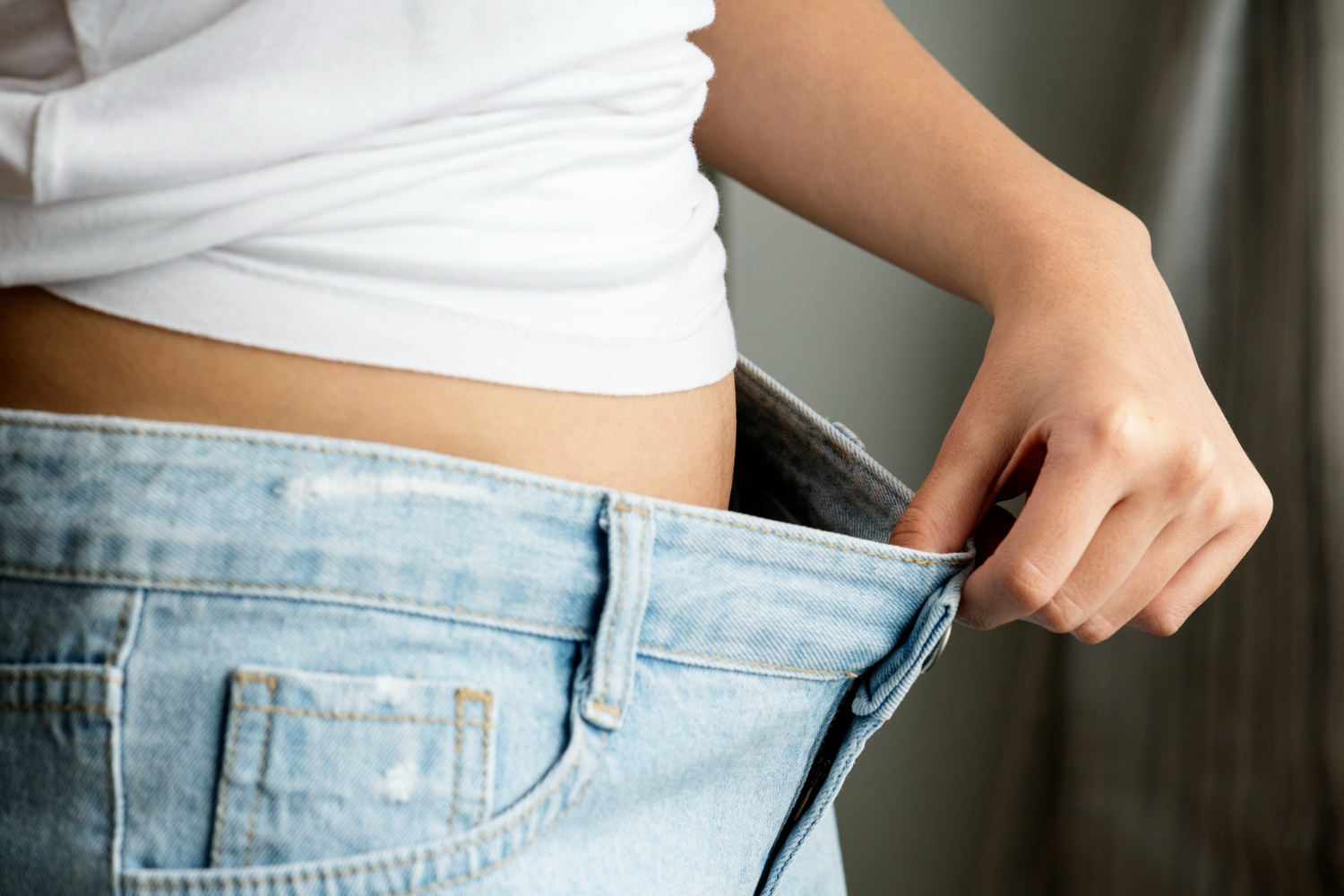
Nutrient intake is vital for balancing hormones and overall health. Below, we highlight nutrient targets (fiber, protein, omega-3) and recommended portion sizes for optimal hormone balance.
Daily Nutrient Goals
Here is a list of the recommended macronutrient and micronutrient goals for hormone balance.
- Carbohydrates: 45–55% of total daily calorie intake
- Protein: 20–30% of total daily calorie intake
- Fats: 35–35% of total daily calorie intake
Example for 1,600 kcal/day:
- Carbohydrates: 180–220 g
- Protein: 80–110 g
- Fat: 45–60 g
These are recommended daily macro and micronutrient targets:
- Protein: 1-2–1.6g per kg of body weight
- Fat: 45–50 g/day
- Fiber: 25–30 g/day
- Iron: 18 mg/day (if menstruating) 8 mg/day (postmenopausal)
- Calcium: 1000-1,200 mg/day
- Vitamin D: 600–800 IU/day
- Magnesium: 310–320 mg/day
- Zinc: 8–12 mg/day
Portion Size Guidelines
Portion sizing is an effective way to manage calorie intake and ensure you are consuming essential nutrients. Below, we highlight portion size guidelines to help you meet your daily targets
Easy To Follow Method
- ½ plate of vegetables
- ¼ plate protein
- ¼ plate carbs
Recommendations By Food Group
- Protein — 1–2 cups per meal
- Vegetables — 20–40 g per meal
- Fruits — 1 serving (snack)
- Carbohydrates — ½ – 1 cup cooked per meal
- Dairy (optional) — 1 cup or 150–200 g
Hormone Balancing Diet Checklist

Balancing your hormones is more than just eating the correct foods; it requires a holistic approach. This is why we have created a hormone-balancing diet checklist containing daily tasks and high-priority actions to help you regain control of your hormonal health.
Daily Tasks
This is a list of daily tasks that can help you begin regulating your hormones.
- Protein Intake — Maintains satiety, boosts metabolism
- Fiber Intake — Improves gut health, removes excess hormones
- Walking — Aim for 7,000-10,000 steps per day. This will help reduce stress and manage weight.
High Priority Actions
These high-priority actions can immediately help you improve hormone regulation.
- Get Natural Light Early — Regulate circadian rhythm and sleep/wake cycle
- Eat Regular Meals — Stabilizes energy and insulin levels
- Stay Hydrated — Drink 2.2 litres of water per day
- Exercise — Decreases stress and releases feel-good hormones such as dopamine.
- Manage Stress
- Get 7–9 hours Sleep — regulates cortisol, maintains insulin sensitivity, and balances hunger (ghrelin) and satiety (leptin) hormones.
- Reduce Screen Time Before Bed — Support melatonin and sleep quality
- Limit Ultra-Processed Foods — Reduces inflammation, harmful additive intake
FAQs About Hormone Balancing Diet Plan
Here are some commonly asked questions regarding the hormone-balance diet plan.
Which diet is best for hormonal balance? [faq]
The best diet for hormone balance is a nutrient-dense, whole-food diet. Diets such as the Mediterranean diet are a perfect example, combining lean protein, wholegrains, fiber, and healthy fats to provide the body with the essential nutrients it needs to support hormonal health.
Can MTHFR cause hormonal imbalance?
Yes, MTHFR can cause a hormonal imbalance. This is because it disrupts the methylation cycles, which are vital for clearing excess estrogen.
Download the Full Hormone Balancing Diet PDF

This full hormone-balancing diet PDF contains everything you need to immediately begin regulating your hormones.
Contents of the Downloadable Guide
The full hormone-balancing diet PDF includes:
- List of hormone-balancing foods
- 30-day plan
- Shopping list
- Progress tracker
Connection to the Reverse Health Program
The Reverse Health program is specifically designed to support women over 40 in supporting their hormonal health. The program combines the benefits of a hormone-balancing diet with our expert team to create a program that not only works but also helps you thrive.
Adapting the Hormone Balancing Diet for Vegetarians
Adapting the hormone-balancing diet for vegetarians requires a greater focus on protein, fat, and key micronutrients to avoid deficiencies.
Removing animal products can decrease protein and fat intake. Because of this, you must start looking to other sources to meet daily requirements.
Here are your top priorities if you are converting to a vegetarian diet:
- Plant-Based Protein —Beans, lentils, seeds, eggs, soy, dairy (cottage cheese, Greek yogurt).
- Balanced Carbs — Vegetarian diets can become high in carbs. Focus on complex carbohydrates such as quinoa, brown rice, and sweet potato. This will stabilize blood sugar and provide lasting energy
- Vitamin B12 and Iron — Animal foods are rich in micronutrients such as vitamin B12 and iron. When they are removed, it can lead to a deficiency. B12 can be supplemented, and iron needs can be met with foods such as lentils, spinach, and tofu.
- Healthy Fats —Focus on eating chia seeds, flaxseeds, and walnuts.
- Other Micronutrients — Magnesium and zinc can be topped up with foods such as nuts, seeds, legumes, and whole grains.
- Keep Meals Consistent —Eat every 3–5 hours to regulate stress hormones.
- Created Balanced Meals —Ensure meals contain sources of protein, grains, and vegetables, and healthy fats.
Hormone Balancing Diet for Weight Loss

The hormone-balancing diet can be easily adapted for weight loss by following a calorie deficit. This is consuming fewer calories than your total daily energy expenditure (TDEE) to lose fat.
For example, if your TDEE is 1,800 kcal/day, you could set your daily calorie intake to 1,500 kcal/day, creating a 300 kcal/day deficit.
When this is combined with hormone-supporting actions, such as meeting daily protein, fiber, and fat goals, sleeping 7–9 hours, and regular exercise, it can help you lose weight.
Common Mistakes in Hormone Balancing Diet
Here is a list of the most common mistakes people make with the hormone-balancing diet, and how to avoid them
- Undereating — Insufficient nutrient intake, which can increase cortisol and suppress reproductive hormones. Aim to hit your daily calorie target.
- Decreasing Fat Intake — Required for steroid hormones, meaning that low-fat intake can impact hormone production. Consume 20–30% of your daily calorie intake from healthy fats such as fatty fish, avocado, nuts, and seeds
- High Refine Carb Intake — Spike insulin, leads to fluctuating energy levels and increases cravings. Replace with complex carbohydrates and whole foods.
- Skipping Meals — Leads ot unstabnle blood sugars, increases stress response. Focus on eating 3–4 meals each day.
- Inadequate Protein — Poor satiety can impact hormone production
- Low Fiber — Impairs hormone metabolism and gut health
- Ignoring Micronutrients — Deficiencies can lead to hormone imbalances, poor mood, and fatigue. Each a variety of nutrient-dense whole foods.
Q: How can I incorporate the 3-3-3 rule into my hormone balancing diet?
The hormone-balancing diet can complement the 3-3-3 rule. The 3-3-3 rule is a strategy that prioritizes strength training, hydration, and balanced nutrition. The hormone-balance diet can be used to meet nutritional needs.
Q: What are the 5 signs of hormonal imbalance?
The five signs of hormonal imbalance include low energy, unexplained weight gain, irregular periods, sleep issues, and strong cravings.
Q: What are some quick tips for balancing hormones in a week?
Quick tips for balancing hormones are getting quality sleep, exercising daily, eating balanced meals (protein, healthy fats), and getting morning sun. Implementing these changes can have a major impact as they are essential for balancing hormonal health.
Q: How to balance your hormones in a week?
To balance hormones in a week, you must prioritize sleep, nutrition, daily exercise, and morning sun. Sleep helps regulate hormone levels, nutrition fuels the body with vital nutrients, daily exercise can reduce stress, and morning sun can set the circadian rhythm.
Q: What is a hormone-balancing diet plan for vegetarians?
The hormone balance diet plan for vegetarians shifts to plant-based protein sources, healthy fats, and complex carbohydrates. However, due to a decrease in nutrient-rich animal foods, nutrients, including vitamin B12 and iron, must be prioritized.
Weight loss that fits your goals and your life.
Get your plan
Sources
FAQs
What are the key components of a hormone balancing diet plan for women over 40?
A hormone balancing diet for women over 40 should include frequent meals, adequate protein intake, healthy fats, nutrient-dense foods, and fiber. It's important to limit ultra-processed foods to help maintain stable hormone levels.
How often should I eat to help balance my hormones?
It's recommended to have three main meals and one to two snacks daily. This frequency helps stabilize blood sugar levels, energy, and hunger hormones, contributing to better hormone balance.
Why is protein important in a hormone balancing diet?
Protein is crucial because it aids in the production, transport, and regulation of hormones. Consuming adequate protein also helps improve satiety, preserves muscle mass, and supports metabolism.
Should I avoid any specific foods to maintain hormone balance?
Yes, it's beneficial to limit ultra-processed foods as they can disrupt hunger hormones, spike blood sugar levels, and provide excess calories without essential nutrients.
Can a hormone balancing diet help alleviate menopause symptoms?
While diet alone cannot completely eliminate menopause symptoms, a hormone balancing diet can help mitigate symptoms like mood swings, hot flashes, and sleep disturbances by supporting overall hormonal health.