15 mins Pilates on your terms – anytime, anywhere.
Get your plan
15 mins Pilates on your terms – anytime, anywhere.
Get your plan
The Mediterranean diet is widely known as effective for weight management and enhancing overall health.
Its inclusion of nutrient-dense whole foods such as lean protein, whole grains, fruits, vegetables, legumes, nuts, and healthy fats allows greater nutrient intake.
Because of this, it is no surprise why so many women over 40 adopt it for hormone support and overall health.
In this article, we introduce the Mediterranean diet guide. We cover the core foods, key nutrients, 7-day diet plan, and a downloadable PDF to help you start today.
Mediterranean Diet Quick Reference Card

The Mediterranean diet is known for its balance of lean protein, fresh produce, whole grains, and healthy fats. This quick-reference card highlights the core foods and nutrients that will unlock the incredible benefits of the Mediterranean diet.
Core Foods and Nutrients
Here is a list of the main foods and nutrients emphasized in the Mediterranean diet.
Core Foods
- Olive Oil: Extra-Virgin Olive Oil
- Vegetables: Starchy (potatoes, sweet potatoes) and non-starch (leafy greens, tomatoes, broccoli, peppers, zucchini, eggplant).
- Fruit: Berries, apples, oranges, grapes, pears, figs.
- Whole Grains: Oats, brown rice, wholegrain bread, barley, quinoa, wholewheat pasta.
- Legumes: Lentils, chickpeas, beans, peas.
- Nuts and Seeds: Walnuts, almonds, pistachios, chia seeds, flaxseeds.
- Oily Fish and Seafood: Salmon, sardines, mackerel, trout.
- Lean Poultry: Chicken breast, turkey.
- Low-Fat Dairy: Greek yogurt, kefir, cheese in moderation.
- Eggs: Eat in moderation.
- Herbs and Spices: Garlic, oregano, basil, rosemary, thyme, and parsley rather than excess salt.
- Water: This should be the main drink, and herbal teas (antioxidants).
Key Nutrients
- Monounsaturated Fats: Olive oil and avocado (shown to lower blood pressure, decrease bad cholesterol (LDL), increase good cholesterol (HDL), improve glycemic control, and support weight management).
- Omega-3 Fatty Acids: Oily fish, walnuts, chia seeds, and flaxseeds (support the heart, brain, eyes, and reduce inflammation).
- Dietary Fiber: Found in whole grains, legumes, fruits, and vegetables (supports gut health and helps regulate blood sugar).
- Antioxidants: From colorful fruits, vegetables, herbs, and olive oil (protect against oxidative stress).
- Vitamins and Minerals: Vitamin A, C, E, K, folate, potassium, and magnesium.
- Lean Protein: Poultry, fish, eggs, and Greek yogurt (help preserve muscle and promote fullness).
- Calcium and Vitamin D: Dairy and fortified foods (support bone health).
- Polyphenols: Olive oil, berries, grapes, herbs, vegetables, tea, and cocoa ( offer antioxidants and anti-inflammatory properties).
- Plant-Based Protein: Legumes, nuts, and seeds (contain fiber and support heart health).
- Complex Carbohydrates: Whole grains and legumes (provide sustainable energy and promote satiety).
Portion Servings
- ½ Plate: Non-starchy vegetables
- ¼ Plate: Lean protein
- ¼ Plate: Starchy vegetables or whole grains
- Moderate: Healthy fats
Benefits at a Glance
- Flexible, sustainable, and easy to adapt.
- Supports heart health and may reduce the risk of cardiovascular disease.
- Helps reduce inflammation and oxidative stress (protects cells).
- Fiber-rich, providing gut health and healthy digestion.
- Improves muscle preservation and healthy weight management.
- Promotes stable blood sugar and insulin sensitivity.
- May improve memory, cognitive function, and brain health.
- Contains nutrients for strong, healthy bones.
Weekly Mediterranean Diet Meal Plan
This 7-day meal plan contains four meals per day: breakfast, lunch, dinner, and snack. Each meal is listed with a calorie and macronutrient breakdown, and each day is listed with daily totals.
Below is a list of hte calories and macronutrients for this diet plan. This plan is based on a 1,500-calorie (kcal) daily intake. To determine your own calorie intake, use a nutrition tracking app.
- Calories: 1,500/kcal per day
- Carbohydrates: 45–55% of total daily calorie intake.
- Protein: 15–20% of total daily calorie intake.
- Fat: 30–35% of total daily calorie intake.
Day 1
Total Macros: 1,500 kcal | Protein: 72 g | Carbohydrates: 180 g | Fat: 52 g
8:00 AM: Breakfast – Greek Yogurt Berry Muesli Bowl
Macros: 360 kcal | Protein: 20 g | Carbohydrates: 48 g | Fat: 10 g
- Plain Greek yogurt – 170 g
- Rolled oats – 40 g
- Blueberries – 75 g
- Strawberries – 75 g
- Chopped walnuts – 10 g
- Cinnamon – ½ tsp
Prep tip: Layer the yogurt with oats, berries, and walnuts before serving.
1:00 PM: Lunch – Mediterranean Chicken Quinoa Salad
Macros: 420 kcal | Protein: 28 g | Carbohydrates: 42 g | Fat: 14 g
- Grilled chicken breast – 100 g
- Cooked quinoa – 100 g
- Baby spinach – 2 cups
- Cherry tomatoes – 75 g
- Cucumber – 75 g
- Reduced-fat feta – 20 g
- Extra-virgin olive oil – 2 tsp
- Lemon juice – 1 tbsp
- Fresh parsley – 1 tbsp
Prep tip: Grill the chicken while the quinoa cooks, then toss everything together with the dressing.
4:00 PM: Snack – Apple, Almonds & Hummus
Macros: 250 kcal | Protein: 8 g | Carbohydrates: 30 g | Fat: 12 g
- Apple – 1 medium
- Almonds – 15 g
- Hummus – 30 g
Prep tip: Slice the apple and enjoy with hummus and almonds.
7:00 PM: Dinner – Lemon Herb Salmon with Brown Rice & Broccoli
Macros: 470 kcal | Protein: 16 g | Carbohydrates: 60 g | Fat: 16 g
- Salmon fillet – 100 g
- Brown rice – 150 g cooked
- Broccoli – 150 g
- Extra-virgin olive oil – 2 tsp
- Garlic – 2 cloves
- Lemon juice – 1 tbsp
- Fresh dill – 1 tsp
Prep tip: Bake the salmon while the rice cooks and the broccoli steams.
Day 2
Total Macros: 1,500 kcal | Protein: 70 g | Carbohydrates: 178 g | Fat: 53 g
8:00 AM: Breakfast – Avocado & Tomato Wholegrain Toast
Macros: 350 kcal | Protein: 16 g | Carbohydrates: 42 g | Fat: 14 g
- Wholegrain bread – 2 slices
- Avocado – 50 g
- Tomato – 100 g
- Reduced-fat feta – 30 g
- Black pepper – to taste
- Fresh basil – a few leaves
Prep tip: Toast the bread, then top with avocado, tomato, feta, and basil.
1:00 PM: Lunch – Mediterranean Chickpea Pasta Salad
Macros: 420 kcal | Protein: 22 g | Carbohydrates: 52 g | Fat: 13 g
- Wholegrain pasta – 75 g dry
- Chickpeas – 80 g cooked
- Baby spinach – 2 cups
- Cherry tomatoes – 75 g
- Cucumber – 75 g
- Extra-virgin olive oil – 2 tsp
- Lemon juice – 1 tbsp
- Fresh oregano – 1 tsp
Prep tip: Cook the pasta, then toss with the remaining ingredients and dressing.
4:00 PM: Snack – Greek Yogurt with Honey & Walnuts
Macros: 240 kcal | Protein: 15 g | Carbohydrates: 22 g | Fat: 10 g
- Plain Greek yogurt – 170 g
- Honey – 1 tsp
- Walnuts – 15 g
- Cinnamon – ½ tsp
Prep tip: Stir the honey into the yogurt and top with walnuts and cinnamon.
7:00 PM: Dinner – Garlic Prawn & Vegetable Barley Bowl
Macros: 490 kcal | Protein: 17 g | Carbohydrates: 62 g | Fat: 16 g
- Prawns – 120 g
- Cooked pearl barley – 120 g
- Zucchini – 100 g
- Capsicum – 100 g
- Baby spinach – 1 cup
- Extra-virgin olive oil – 2 tsp
- Garlic – 2 cloves
- Fresh parsley – 1 tbsp
Prep tip: Sauté the prawns and vegetables with garlic, then stir through the cooked barley and parsley.
Day 3
Total Macros: 1,500 kcal | Protein: 71 g | Carbohydrates: 182 g | Fat: 51 g
8:00 AM: Breakfast – Cinnamon Apple Overnight Oats
Macros: 360 kcal | Protein: 18 g | Carbohydrates: 50 g | Fat: 10 g
- Rolled oats – 45 g
- Plain Greek yogurt – 170 g
- Apple – ½ medium, diced
- Chia seeds – 10 g
- Cinnamon – 1 tsp
- Almonds – 10 g
Prep tip: Mix all ingredients the night before and refrigerate.
1:00 PM: Lunch – Grilled Chicken Wholegrain Wrap
Macros: 420 kcal | Protein: 27 g | Carbohydrates: 46 g | Fat: 14 g
- Wholegrain wrap – 1 medium
- Grilled chicken breast – 100 g
- Hummus – 30 g
- Baby spinach – 1 cup
- Cucumber – 75 g
- Tomato – 75 g
- Grated carrot – 40 g
- Extra-virgin olive oil – 1 tsp
Prep tip: Spread the hummus over the wrap, add the fillings, then roll tightly.
4:00 PM: Snack – Pear with Greek Yogurt & Walnuts
Macros: 230 kcal | Protein: 14 g | Carbohydrates: 24 g | Fat: 9 g
- Plain Greek yogurt – 150 g
- Pear – 1 small
- Walnuts – 10 g
Prep tip: Slice the pear and serve with yogurt topped with walnuts.
7:00 PM: Dinner – Baked Cod with Herb Quinoa & Roasted Vegetables
Macros: 490 kcal | Protein: 12 g | Carbohydrates: 62 g | Fat: 18 g
- Cod fillet – 120 g
- Cooked quinoa – 120 g
- Zucchini – 100 g
- Capsicum – 100 g
- Cherry tomatoes – 75 g
- Extra-virgin olive oil – 2 tsp
- Garlic – 2 cloves
- Fresh parsley – 1 tbsp
- Lemon juice – 1 tbsp
Prep tip: Roast the vegetables while baking the cod, then serve over quinoa with parsley and lemon.
Day 4
Total Macros: 1,500 kcal | Protein: 69 g | Carbohydrates: 180 g | Fat: 53 g
8:00 AM: Breakfast – Mediterranean Breakfast Toast
Macros: 350 kcal | Protein: 17 g | Carbohydrates: 40 g | Fat: 14 g
- Wholegrain bread – 2 slices
- Reduced-fat feta – 30 g
- Tomato – 100 g
- Baby spinach – 1 cup
- Olive oil – 1 tsp
- Fresh oregano – ½ tsp
- Orange – 1 small
Prep tip: Toast the bread, top with spinach, tomato, feta, and oregano, then drizzle with olive oil.
1:00 PM: Lunch – Tuna & Cannellini Bean Salad
Macros: 420 kcal | Protein: 28 g | Carbohydrates: 42 g | Fat: 14 g
- Tuna in spring water – 100 g
- Cannellini beans – 100 g cooked
- Baby spinach – 2 cups
- Cherry tomatoes – 75 g
- Cucumber – 75 g
- Red onion – 30 g
- Extra-virgin olive oil – 2 tsp
- Lemon juice – 1 tbsp
Prep tip: Combine all ingredients and toss with the olive oil and lemon dressing.
4:00 PM: Snack – Mixed Berries, Almonds & Greek Yogurt
Macros: 230 kcal | Protein: 15 g | Carbohydrates: 24 g | Fat: 9 g
- Plain Greek yogurt – 170 g
- Mixed berries – 100 g
- Almonds – 15 g
Prep tip: Top the yogurt with berries and chopped almonds.
7:00 PM: Dinner – Mediterranean Chicken & Wholegrain Pasta
Macros: 500 kcal | Protein: 9 g | Carbohydrates: 74 g | Fat: 16 g
- Grilled chicken breast – 100 g
- Wholegrain pasta – 75 g dry
- Spinach – 2 cups
- Cherry tomatoes – 100 g
- Zucchini – 100 g
- Extra-virgin olive oil – 2 tsp
- Garlic – 2 cloves
- Fresh basil – 1 tbsp
- Reduced-fat Parmesan – 10 g
Prep tip: Cook the pasta while sautéing the vegetables with garlic and olive oil, then toss through the chicken and basil.
Day 5
Total Macros: 1,500 kcal | Protein: 70 g | Carbohydrates: 180 g | Fat: 52 g
8:00 AM: Breakfast – Greek Yogurt Berry Overnight Oats
Macros: 350 kcal | Protein: 19 g | Carbohydrates: 46 g | Fat: 10 g
- Plain Greek yogurt – 170 g
- Rolled oats – 40 g
- Mixed berries – 100 g
- Chia seeds – 10 g
- Cinnamon – ½ tsp
Prep tip: Mix all ingredients the night before and refrigerate.
1:00 PM: Lunch – Mediterranean Chicken Brown Rice Bowl
Macros: 420 kcal | Protein: 27 g | Carbohydrates: 44 g | Fat: 14 g
- Grilled chicken breast – 100 g
- Brown rice – 100 g cooked
- Baby spinach – 2 cups
- Cherry tomatoes – 75 g
- Cucumber – 75 g
- Reduced-fat feta – 20 g
- Extra-virgin olive oil – 2 tsp
- Lemon juice – 1 tbsp
Prep tip: Grill the chicken while the rice cooks, then combine all ingredients with the dressing.
4:00 PM: Snack – Apple, Almonds & Greek Yogurt
Macros: 230 kcal | Protein: 15 g | Carbohydrates: 24 g | Fat: 8 g
- Plain Greek yogurt – 150 g
- Apple – 1 small
- Almonds – 15 g
Prep tip: Slice the apple and serve with the yogurt and almonds.
7:00 PM: Dinner – Garlic Salmon with Quinoa & Broccoli
Macros: 500 kcal | Protein: 9 g | Carbohydrates: 66 g | Fat: 20 g
- Salmon fillet – 100 g
- Cooked quinoa – 120 g
- Broccoli – 150 g
- Extra-virgin olive oil – 2 tsp
- Garlic – 2 cloves
- Lemon juice – 1 tbsp
- Fresh parsley – 1 tbsp
Prep tip: Bake the salmon while the quinoa cooks and the broccoli steams.
Day 6
Total Macros: 1,500 kcal | Protein: 68 g | Carbohydrates: 182 g | Fat: 51 g
8:00 AM: Breakfast – Avocado & Feta Wholegrain Toast
Macros: 360 kcal | Protein: 17 g | Carbohydrates: 40 g | Fat: 15 g
- Wholegrain bread – 2 slices
- Avocado – 50 g
- Reduced-fat feta – 30 g
- Tomato – 100 g
- Fresh basil – a few leaves
Prep tip: Toast the bread and top with avocado, tomato, feta, and basil.
1:00 PM: Lunch – Chickpea Quinoa Mediterranean Salad
Macros: 410 kcal | Protein: 19 g | Carbohydrates: 50 g | Fat: 14 g
- Chickpeas – 100 g cooked
- Cooked quinoa – 100 g
- Baby spinach – 2 cups
- Cucumber – 75 g
- Cherry tomatoes – 75 g
- Extra-virgin olive oil – 2 tsp
- Lemon juice – 1 tbsp
- Fresh parsley – 1 tbsp
Prep tip: Toss all ingredients together with the olive oil and lemon dressing.
4:00 PM: Snack – Pear with Walnuts & Greek Yogurt
Macros: 230 kcal | Protein: 15 g | Carbohydrates: 24 g | Fat: 9 g
- Plain Greek yogurt – 150 g
- Pear – 1 small
- Walnuts – 10 g
Prep tip: Slice the pear and serve with yogurt topped with walnuts.
7:00 PM: Dinner – Lemon Herb Chicken Wholegrain Pasta
Macros: 500 kcal | Protein: 17 g | Carbohydrates: 68 g | Fat: 13 g
- Grilled chicken breast – 100 g
- Wholegrain pasta – 75 g dry
- Spinach – 2 cups
- Cherry tomatoes – 100 g
- Zucchini – 100 g
- Extra-virgin olive oil – 2 tsp
- Garlic – 2 cloves
- Fresh basil – 1 tbsp
Prep tip: Cook the pasta while sautéing the vegetables, then toss with the chicken and basil.
Day 7
Total Macros: 1,500 kcal | Protein: 71 g | Carbohydrates: 178 g | Fat: 53 g
8:00 AM: Breakfast – Apple Cinnamon Yogurt Bowl
Macros: 350 kcal | Protein: 18 g | Carbohydrates: 44 g | Fat: 10 g
- Plain Greek yogurt – 170 g
- Rolled oats – 35 g
- Apple – 1 small, diced
- Chia seeds – 10 g
- Cinnamon – 1 tsp
- Walnuts – 10 g
Prep tip: Layer the yogurt with oats, apple, cinnamon, chia seeds, and walnuts.
1:00 PM: Lunch – Mediterranean Tuna Wholegrain Wrap
Macros: 420 kcal | Protein: 25 g | Carbohydrates: 44 g | Fat: 14 g
- Wholegrain wrap – 1 medium
- Tuna in spring water – 100 g
- Hummus – 30 g
- Baby spinach – 1 cup
- Cucumber – 75 g
- Tomato – 75 g
- Grated carrot – 40 g
Prep tip: Spread the hummus over the wrap, add the fillings, then roll tightly.
4:00 PM: Snack – Orange, Almonds & Greek Yogurt
Macros: 230 kcal | Protein: 15 g | Carbohydrates: 25 g | Fat: 8 g
- Plain Greek yogurt – 150 g
- Orange – 1 medium
- Almonds – 15 g
Prep tip: Peel the orange and serve with the yogurt and almonds.
7:00 PM: Dinner – Mediterranean Prawn Brown Rice Bowl
Macros: 500 kcal | Protein: 13 g | Carbohydrates: 65 g | Fat: 21 g
- Prawns – 120 g
- Brown rice – 120 g cooked
- Broccoli – 100 g
- Capsicum – 100 g
- Baby spinach – 1 cup
- Extra-virgin olive oil – 2 tsp
- Garlic – 2 cloves
- Lemon juice – 1 tbsp
- Fresh parsley – 1 tbsp
Prep tip: Sauté the prawns and vegetables with garlic, then serve over brown rice with parsley and lemon.
Mediterranean Diet Food List
The following table highlights foods that you should include on the Mediterranean diet. Below, we list the food groups, foods, recommended servings, and the benefits.
This table can be used to learn different nutrient profiles of each food group, allowing you to build your own meals in the future.
Proteins
Research shows that protein helps preserve muscle, promote fullness, and increase diet-induced thermogenesis (the energy required to burn, absorb, and store nutrients).
This results in fewer calories consumed and more calories burned, which can be a powerful tool for healthy weight management.
Experts recommend eating 1.2–1.6 g/kg of bodyweight daily. You can hit these daily targets by adding 25–30 g of protein for main meals, and 10–20 g to snacks. Meals can be built around foods such as chicken breast, turkey, oily fish, eggs, Greek yogurt, and legumes to boost protein intake.
Vegetables and Fruits
Vegetables and fruit are rich in vitamins, minerals, and antioxidants, which help protect cells from oxidative stress and support overall health.
Non-starchy vegetables such as spinach, kale, arugula, and cabbage, as well as cruciferous vegetables such as broccoli, cauliflower, and Brussels sprouts, are low-calorie and incredibly nutrient-dense.
These vegetables should make up 50% of your plate for main meals to increase meal volume, nutrient intake, and improve fullness.
Starchy vegetables have more calories and carbohydrates, but are also more nutrient-dense and lower in calories than grains. Foods such as potatoes, sweet potatoes, corn, peas, and winter squash can be added to meals.
Fruits are a valuable source of fiber, antioxidants, vitamin C, and polyphenols, which support gut health and reduce oxidative stress and inflammation.
Fruits such as apples, pears, oranges, kiwis, and peaches make great snacks, and they offer a natural sweetness that can curb sugar cravings.
Whole Grains and Healthy Fats
Whole grains are a source of fiber and complex carbohydrates, which provide sustained energy and support gut health. Foods such as oats, brown rice, quinoa, barley, and wholegrain pasta should make up 25% of your plate for main meals.
Healthy fats such as omega-3 fatty acids support heart, brain, and eye health, and may reduce inflammation. Foods such as oily fish (salmon, trout, mackerel, sardines), chia seeds, and flaxseeds are excellent sources. These should be added to your diet in moderation, as they are calorie-dense.
Mediterranean Diet Checklist
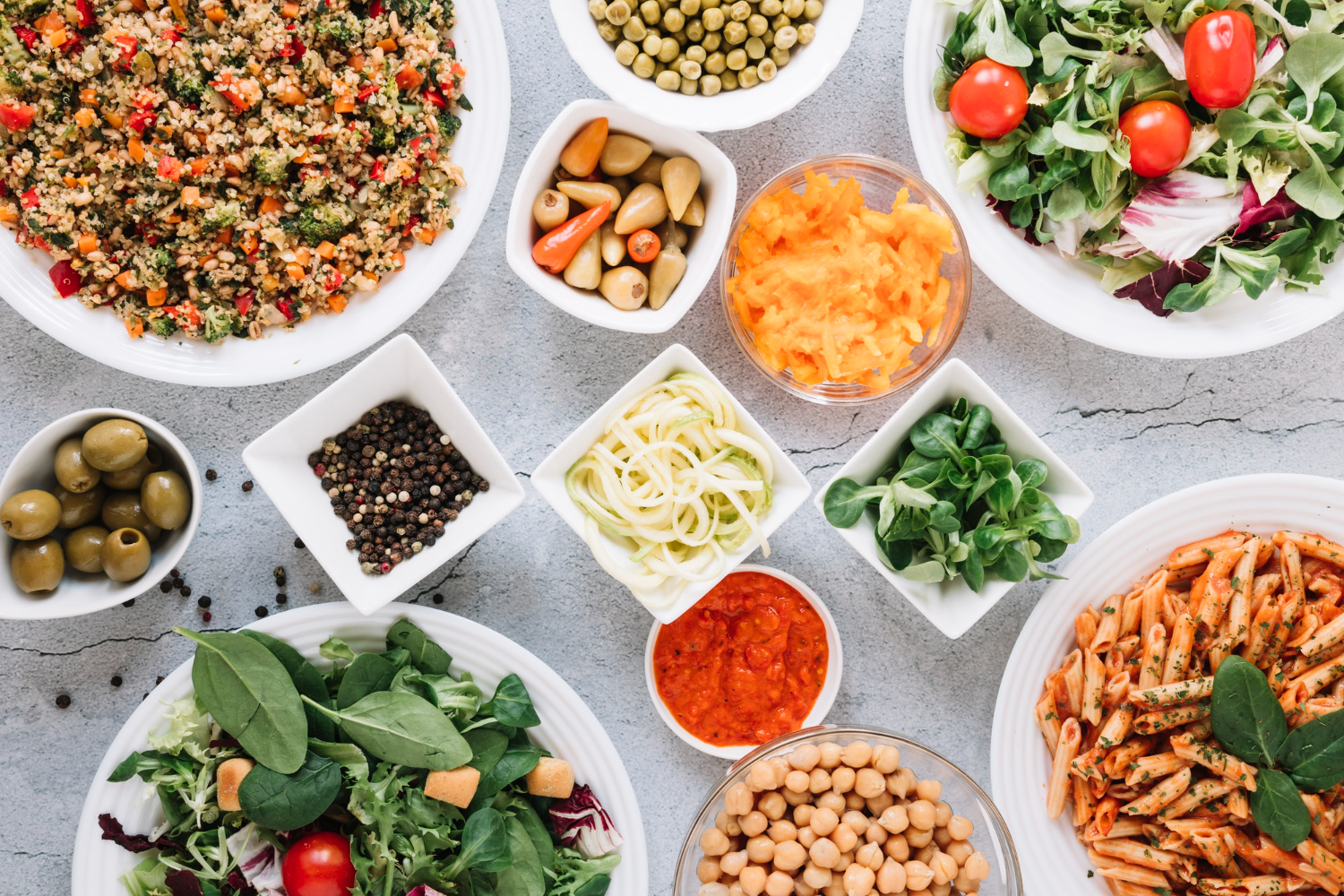
Several components come together to make the Mediterranean diet so effective for weight management and overall health. This checklist highlights the key do’s and don’ts that will help you stay on track and achieve the best results.
Do's
- Base meals around vegetables, fruit, and whole grains.
- Use extra-virgin olive oil.
- Eat plenty of legumes (beans, lentils, and chickpeas).
- Eat fish or seafood 2–3 times per week.
- Prioritize poultry over red meat.
- Add nuts and seeds in moderation (They are calorie-dense!).
- Choose low-fat or fermented dairy, such as Greek yogurt or kefir.
- Use herbs, spices, garlic, and lemon for flavor instead of excess salt.
- Drink 2–3 glasses of water daily.
- Focus on cooking at home with unprocessed whole foods.
- Practice portion control and eat mindfully.
- Be physically active (walking, resistance training, yoga, Pilates, etc).
Don'ts
- Don't rely on ultra-processed or convenience food.
- Don’t consume sugary drinks regularly.
- Don’t eat large amounts of sugary foods.
- Don’t choose refined grains over whole grains.
- Don’t eat processed meats frequently.
- Don’t consume large portions of red meat.
- Don’t use butter or shortening as primary cooking fat.
- Don’t regularly eat deep-fried food.
- Don’t overeat, even healthy food.
- Don’t consume excess amounts of salt.
- Don’t rely on packaged sauces high in sugar or sodium.
- Don’t skip meals.
Download the Full Mediterranean Diet PDF
The Mediterranean diet PDF is a printable resource that can help you start healthier eating today. It contains meal plans, a shopping list, and recipes to give you all the information you need to start and stick with it for lasting weight management and wellbeing results.
What's Included in the PDF
- Mediterranean Diet Plan
- Mediterranean Diet Strategies
- Mediterranean Diet Recipes
- Shopping List
- Progress Tracker
Connecting to the Reverse Health Program
The Reverse Health program supports women over 40 as they experience the decline of estrogen, which brings on perimenopause and menopause, resulting in symptoms such as hot flashes, night sweats, mood changes, and sleep disruptions.
During this time, fat storage also shifts from the hips to the abdomen, increasing the risk of chronic illness.
The Reverse Health experts understand that such major physiological changes require a holistic approach.
That is why the program uses strategies that encompass nutrition, exercise, and mindfulness to support women through this transition through midlife.
When combined with the Mediterranean diet, it can help provide hormonal support that addresses menopause symptoms, improve weight management, and reduce the risk of chronic illness.
This not only helps you improve your health, but also helps you feel better!
Mediterranean Diet Recipes
Here is a list of some of the delicious recipes (single serving) that you will find in the Mediterranean diet plan PDF.
Greek Yogurt Berry Overnight Oats
Macros: 360 kcal | Protein: 20 g | Carbohydrates: 48 g | Fat: 10 g
- Plain Greek yogurt – 170 g
- Rolled oats – 40 g
- Blueberries – 50 g
- Strawberries – 50 g, sliced
- Chia seeds – 10 g (1 tbsp)
- Chopped walnuts – 10 g
- Cinnamon – ½ tsp
- Combine the yogurt, oats, chia seeds, and cinnamon in a jar.
- Stir in half of the berries.
- Refrigerate overnight.
- Top with the remaining berries and walnuts before serving.
Mediterranean Avocado & Feta Toast
Macros: 350 kcal | Protein: 17 g | Carbohydrates: 40 g | Fat: 14 g
- Wholegrain bread – 2 slices
- Avocado – 50 g
- Reduced-fat feta – 30 g, crumbled
- Tomato – 100 g, sliced
- Baby spinach – 30 g (1 cup)
- Extra-virgin olive oil – 1 tsp
- Black pepper – to taste
- Toast the bread.
- Mash the avocado and spread evenly over the toast.
- Top with spinach, tomato, and feta.
- Drizzle with olive oil and season with black pepper.
Mediterranean Chicken Quinoa Salad
Macros: 420 kcal | Protein: 28 g | Carbohydrates: 42 g | Fat: 14 g
- Chicken breast – 120 g
- Cooked quinoa – 100 g
- Baby spinach – 60 g (2 cups)
- Cherry tomatoes – 75 g
- Cucumber – 75 g, diced
- Reduced-fat feta – 20 g
- Extra-virgin olive oil – 2 tsp
- Lemon juice – 1 tbsp
- Fresh parsley – 1 tbsp, chopped
- Grill the chicken until cooked through, then slice.
- Combine the quinoa, spinach, tomatoes, cucumber, and feta.
- Top with the chicken.
- Drizzle with olive oil and lemon juice, then sprinkle with parsley.
Mediterranean Tuna & Cannellini Bean Salad
Macros: 420 kcal | Protein: 28 g | Carbohydrates: 42 g | Fat: 14 g
- Tuna in spring water – 100 g, drained
- Cannellini beans – 100 g cooked
- Baby spinach – 60 g (2 cups)
- Cherry tomatoes – 75 g
- Cucumber – 75 g
- Red onion – 30 g, thinly sliced
- Extra-virgin olive oil – 2 tsp
- Lemon juice – 1 tbsp
- Fresh oregano – 1 tsp
- Combine the tuna, beans, and vegetables in a bowl.
- Whisk together the olive oil, lemon juice, and oregano.
- Pour the dressing over the salad and toss gently before serving.
Lemon Herb Salmon with Brown Rice & Broccoli
Macros: 500 kcal | Protein: 25 g | Carbohydrates: 46 g | Fat: 22 g
- Salmon fillet – 120 g
- Brown rice – 120 g cooked
- Broccoli – 150 g
- Extra-virgin olive oil – 2 tsp
- Garlic – 2 cloves, minced
- Lemon juice – 1 tbsp
- Fresh dill – 1 tsp
- Bake the salmon at 200°C for 12–15 minutes.
- Cook the brown rice according to the packet instructions.
- Steam the broccoli until tender.
- Drizzle the salmon with olive oil, garlic, lemon juice, and dill before serving with the rice and broccoli.
Mediterranean Chicken Wholegrain Pasta
Macros: 500 kcal | Protein: 30 g | Carbohydrates: 52 g | Fat: 16 g
- Chicken breast – 120 g
- Wholegrain pasta – 75 g (dry)
- Baby spinach – 60 g (2 cups)
- Cherry tomatoes – 100 g, halved
- Zucchini – 100 g, sliced
- Extra-virgin olive oil – 2 tsp
- Garlic – 2 cloves, minced
- Fresh basil – 1 tbsp, chopped
- Grated Parmesan – 10 g
- Cook the pasta according to the packet instructions.
- Grill the chicken and slice into strips.
- Sauté the garlic, zucchini, tomatoes, and spinach in olive oil until tender.
- Toss the cooked pasta with the vegetables and chicken.
- Sprinkle with Parmesan and fresh basil before serving.
Greek Yogurt with Berries & Walnuts
Macros: 230 kcal | Protein: 15 g | Carbohydrates: 22 g | Fat: 9 g
Ingredients
- Plain Greek yogurt – 170 g
- Mixed berries – 75 g
- Walnuts – 15 g
- Cinnamon – ½ tsp
Method
- Spoon the Greek yogurt into a bowl.
- Top with the mixed berries and chopped walnuts.
- Sprinkle with cinnamon and serve immediately.
Apple with Hummus & Almonds
Macros: 250 kcal | Protein: 8 g | Carbohydrates: 30 g | Fat: 12 g
Ingredients
- Apple – 1 medium, sliced
- Hummus – 30 g
- Almonds – 15 g
Method
- Slice the apple into wedges.
- Serve with the hummus for dipping.
- Enjoy with the almonds on the side.
Adapting the Mediterranean Diet for Personal Needs
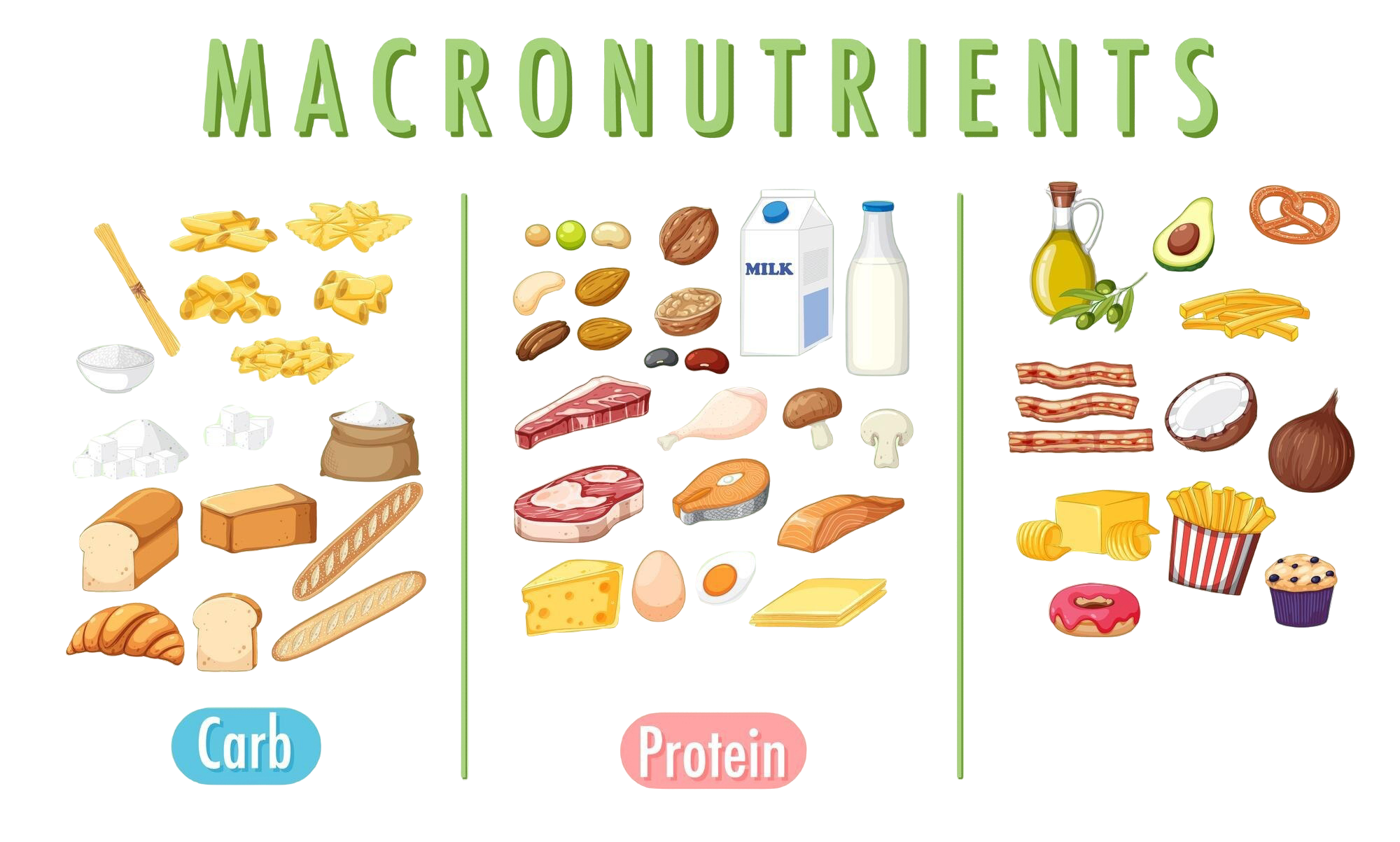
The Mediterranean diet prioritizes whole foods, making it compatible with different dietary needs and preferences. Below, we have created a table containing the swaps that can be made to meet your needs.
Q: Is a Mediterranean diet good for liver disease?
Yes, the Mediterranean diet is good for liver disease due to its omega-3 fatty acids and antioxidants focus. Sources indicate that omega-3 fatty acids may slow the progression of non-alcoholic fatty liver disease (NAFLD). Meanwhile, antioxidants are shown to reduce cell damage and decrease inflammation.
Q: What is the #1 habit to break on the Mediterranean diet?
The number 1 habit to break on the Mediterranean diet is to reduce processed food intake. Research shows that ultra-processed foods are associated with a higher risk of cardiometabolic conditions, mental disorders, and mortality. These foods contain high levels of fat, sugar, and sodium, making them hyper-palatable, which directly opposes the goal of the Mediterranean diet.
Q: What is a typical Mediterranean breakfast?
The typical Mediterranean breakfast should include foods such as oats, yogurt, fruits, or eggs. Recipes such as overnight oats, Mediterranean avocado toast, and Greek yogurt muesli bowl contain protein, fiber, and healthy fats to keep you full and support gut and organ health.
Q: How can I incorporate Mediterranean diet recipes into my daily routine?
You can incorporate Mediterranean diet recipes by following a weekly meal plan. A meal plan provides structure to your weekly meals and gives you a clear outline of the food you must buy to begin the diet. Many of these meals are simple to prepare, and with the right ingredients, are easy to add to your routine.
Q: How does the Mediterranean diet benefit heart health?
The Mediterranean diet supports heart health by reducing cholesterol and inflammation. Studies show that the Mediterranean diet prevents the development of cardiovascular disease and improves waist-to-hip ratio, lipid profiles, and inflammation markers, due to its inclusion of wholegrains, lean protein, fruit, vegetables, and healthy fats.
15 mins Pilates on your terms – anytime, anywhere.
Get your planSources
- Flynn MM, Tierney A, Itsiopoulos C. Is Extra Virgin Olive Oil the Critical Ingredient Driving the Health Benefits of a Mediterranean Diet? A Narrative Review. Nutrients. 2023 Jun 27;15(13):2916. doi: 10.3390/nu15132916. PMID: 37447242; PMCID: PMC10346407. https://pmc.ncbi.nlm.nih.gov/articles/PMC10346407/
- Halton TL, Hu FB. The effects of high protein diets on thermogenesis, satiety and weight loss: a critical review. J Am Coll Nutr. 2004 Oct;23(5):373-85. doi: 10.1080/07315724.2004.10719381. PMID: 15466943. https://pubmed.ncbi.nlm.nih.gov/15466943/
- Lu W, Li S, Li J, Wang J, Zhang R, Zhou Y, Yin Q, Zheng Y, Wang F, Xia Y, Chen K, Liu T, Lu J, Zhou Y, Guo C. Effects of Omega-3 Fatty Acid in Nonalcoholic Fatty Liver Disease: A Meta-Analysis. Gastroenterol Res Pract. 2016;2016:1459790. doi: 10.1155/2016/1459790. Epub 2016 Aug 29. PMID: 27651787; PMCID: PMC5019889. https://pmc.ncbi.nlm.nih.gov/articles/PMC5019889/
- Casas-Grajales S, Muriel P. Antioxidants in liver health. World J Gastrointest Pharmacol Ther. 2015 Aug 6;6(3):59-72. doi: 10.4292/wjgpt.v6.i3.59. PMID: 26261734; PMCID: PMC4526841. https://pmc.ncbi.nlm.nih.gov/articles/PMC4526841/
- Lane, M.M., Gamage, E., Du, S., Ashtree, D.N., McGuinness, A.J., Gauci, S., Baker, P., Lawrence, M. and Marx, W. (2024) ‘Ultra-processed food exposure and adverse health outcomes: Umbrella review of epidemiological meta-analyses’, The BMJ, 384, e077310. https://doi.org/10.1136/bmj-2023-077310, https://www.bmj.com/content/384/bmj-2023-077310
FAQs
Is a Mediterranean diet good for liver disease?
The Mediterranean diet emphasizes antioxidant-rich foods like olive oil, berries, and colorful vegetables alongside anti-inflammatory monounsaturated and omega-3 fats. These components help reduce oxidative stress and inflammation, which are generally linked to overall organ health. The diet is not a specific treatment for liver disease, so anyone managing a liver condition should speak with their doctor about how it fits their care plan.
What is the #1 habit to break on the Mediterranean diet?
The Mediterranean diet emphasizes replacing processed foods with nutrient-dense whole foods such as vegetables, whole grains, legumes, and lean proteins. It also encourages using herbs and spices like garlic, oregano, and rosemary instead of relying on excess salt for flavor. Cutting back on processed items and added salt supports the diet's focus on healthy fats, fiber, and antioxidants.
What is a typical Mediterranean breakfast?
A typical Mediterranean breakfast centers on whole foods like Greek yogurt, oats, berries, and nuts, such as a Greek yogurt berry muesli bowl with walnuts and cinnamon. Other common options include avocado and tomato wholegrain toast or cinnamon apple overnight oats made with chia seeds. These meals combine protein, fiber, and healthy fats to help keep you full through the morning.
How does the Mediterranean diet benefit heart health?
The Mediterranean diet supports heart health primarily through monounsaturated fats from olive oil and avocado, which can help lower blood pressure, decrease LDL cholesterol, and increase HDL cholesterol. Omega-3 fatty acids from oily fish, walnuts, and chia seeds further support the heart while helping reduce inflammation. Together with its fiber and antioxidant content, the diet is associated with a reduced risk of cardiovascular disease.
Is the Mediterranean diet good for weight loss?
The Mediterranean diet is widely recognized as an effective approach to weight management thanks to its focus on nutrient-dense whole foods like lean protein, whole grains, vegetables, and healthy fats. Lean protein sources such as poultry, fish, and Greek yogurt help preserve muscle and promote fullness, while fiber-rich foods support satiety and stable blood sugar. This combination makes it a flexible, sustainable option many women over 40 use to support their overall health.