Weight loss that fits your goals and your life.
Get your plan
Weight loss that fits your goals and your life.
Get your plan
Research shows the average restaurant entrée contains 1,205 calories. This is more than half of a typical woman's daily needs. Based on this alone, it’s easy to recommend that women over 40 avoid eating out whenever possible. But the truth is that you don’t have to do that. Dealing with hormonal shifts affecting metabolism and increased protein needs doesn’t require you to avoid your favorite restaurant.
This guide shows you how to navigate any restaurant menu, handle social situations, and actually enjoy your meals without watching your progress disappear. No guilt, no deprivation, just practical strategies that work.
Mindset Shifts for Dining Out While Losing Weight
Dining out doesn't mean choosing between your social life and your weight loss goals. The biggest barrier isn't the restaurant menu. Rather, it's the belief that you can't have both. These three mindset shifts help you approach any meal with confidence.
You don’t have to avoid restaurants
Skipping every dinner invitation isn't the answer. In fact, isolating yourself often is a bad idea. Research proves that loneliness can trigger unhealthy emotional eating patterns. Studies on women in midlife show that learning mindful restaurant dining skills can increase confidence in managing your diet overall.
One meal doesn’t derail progress
Let's put this in perspective: you'd need to eat roughly 3,500 extra calories to gain one pound of actual fat. That's way more calories than you can eat, even when you indulge yourself when eating out. See a higher number on the scale the next morning? That’s probably just water retention from the sodium. It takes weeks of letting yourself go to gain weight. Understanding this stops the "I already messed up, might as well keep going" spiral that actually does cause problems.
Planning reduces decision stress
Ever notice how much harder it is to make good choices when you're starving and staring at a menu full of tempting options? There's research behind that. You make better choices when you decide ahead of time. A little advance planning makes things easier on yourself since you’re still thinking clearly and your blood sugar levels are stable.
Pre-Restaurant Strategic Planning
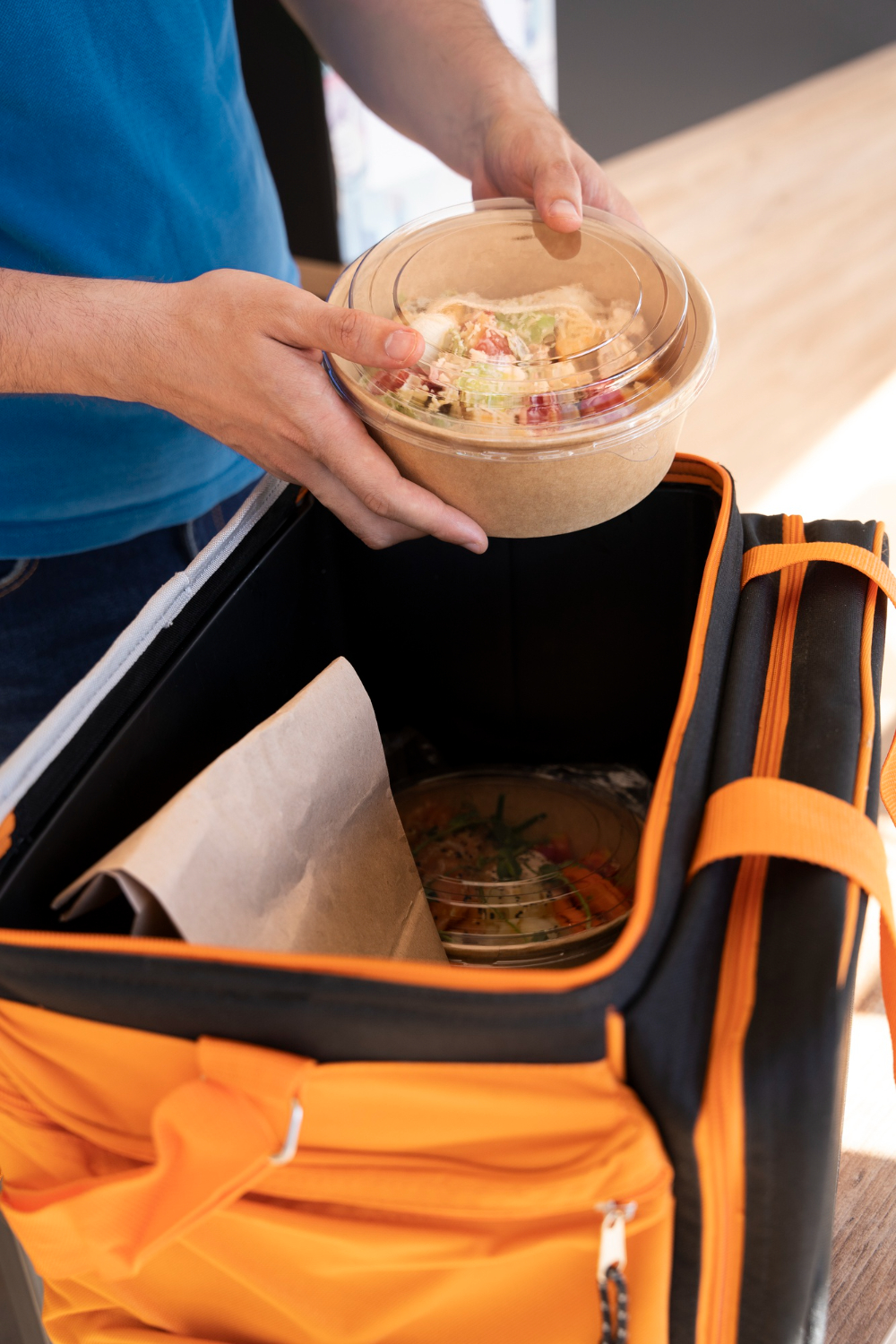
What you do before walking through the restaurant door matters just as much as what happens once you sit down.
Reviewing menu ahead when possible
Most restaurants have menus online. Take three minutes before you leave home to spot the healthiest options. Words like grilled, baked, or steamed, means that they contain less fat from oil and are generally healthier. Conversely, skip anything described as fried, crispy, or loaded. This quick scan means you already know what you're ordering instead of making a split-second decision under pressure.
Eating appropriately before (not starving)
Skipping lunch to "save calories" for dinner? Don’t. You arrive ravenous, eat too fast, and polish off way more than you would have otherwise. Instead, have a small protein-rich snack an hour before if possible. Greek yogurt or a handful of almonds works great for this. This way, you still get to enjoy your dinner, but you’ll actually taste and enjoy eating instead of just gorging mindlessly.
Setting intentions without rigidity
Think "I'll start with a salad tonight" rather than "I absolutely cannot have any bread." See the difference? One gives you direction, the other sets you up for that rebellious "forget it, I'm having everything" moment.
Smart Menu Navigation and Ordering

Once you're at the table, these ordering strategies work across pretty much any type of restaurant.
Protein-forward ordering strategy
Here's something important for women over 40: you actually need more protein. Studies show that consuming 1.0-1.2 grams per kilogram of body weight per day helps protect muscle while you're losing weight. Start by choosing your protein: grilled fish, chicken breast, or lean steak. Everything else on the plate flows from that decision, which naturally keeps other higher-calorie items in check.
Vegetable maximization tactics
Ask for double vegetables instead of rice or potatoes. Most kitchens can add extra vegetables to any dish, often at minimal cost or for free. It’s best to request these additions steamed, grilled, or roasted, or at least dry (without butter) for the best nutritional value. This way, you get a satisfying helping of food that fills you up with fiber, but without the calorie load.
Modifications without being difficult
Here's the thing: restaurants expect customization. Simple requests like "dressing on the side," "cooked with less oil," "vegetables instead of fries," or "can I get a half portion?" are perfectly fine. The key is how you ask. Do it politely. "Could I please have the dressing on the side?" lands better than rattling off a list of demands. Most servers appreciate clear, polite requests.
Cuisine-Specific Strategies

Different cuisines present different challenges. These approaches help you navigate common restaurant types with confidence.
Italian, Mexican, and American restaurants
- Italian restaurants: Marinara sauce is your friend. Look at the "secondi" section (main courses) for grilled proteins, and order the minestrone. Pass on carbonara and Alfredo. These are basically cream and cheese on a plate.
- Mexican spots: Corn tortillas have fewer calories than flour tortillas. Fajitas let you control portions, black beans beat refried every time, and swap sour cream for pico de gallo. Avoid chimichangas, which are just fried burritos.
- American restaurants: Look for "loin" in the meat description (it means leaner cuts), choose baked potatoes over loaded versions.
Asian cuisines (Chinese, Thai, Japanese)
Go for steamed options: steamed dumplings beat fried wontons, steamed fish beats General Tso's chicken. Hot and sour soup gives you filling protein for just 65-90 calories per cup. Ask if they can prepare your dish in broth instead of oil. Use chopsticks and skip anything labeled "crispy," which is code for fried.
Fast-casual and chain restaurants
Places like Chipotle give you total control. Choose bowls over burritos (saves 300+ calories right there), load up on fajita vegetables, and ask for half portions of cheese and rice. Most chains also put their menu and nutritional info online, making planning so much easier and convenient. Check these out before you go so you don’t have to stress yourself about what to order when you’re actually there.
Managing Portions and Extras

Restaurant portions are typically two to three times bigger than what you'd serve yourself at home. You can't willpower your way past that. What you can do is to learn these strategies.
Bread basket and appetizer navigation
Ask your server not to bring the bread basket, or at least push it to the far end of the table. If you really want bread, take one piece and immediately move the basket out of reach. For appetizers, here's an interesting fact from this study: starting with a broth-based soup helps you eat about 20% less overall during the meal.
Sharing and splitting strategies
Split an entrée with someone at your table, or order two appetizers instead of a main course. Another option: just order from the appetizer section. These approaches give you normal-sized portions without making a thing about being "on a diet" or drawing attention to what you're eating.
To-go box tactics from the start
Ask for a to-go box when your food arrives and put half in the container before you take your first bite. This completely eliminates that urge to clean out the plate and gives you a free meal for later.
Beverage and Alcohol Considerations
What you drink can add a shocking number of calories without making you feel any fuller or adding any nutritional value to your diet.
Smart drink choices
Water is your best bet. There's actual research showing that drinking water half an hour before your meal helps you eat less and lose more weight. Unsweetened iced tea or sparkling water with lime is a low-calorie alternative if you insist on infusing more flavor in your drinks. But if possible, skip anything sweetened entirely. A single lemonade can pack 200-330 calories and will still leave you famished.
Alcohol: if, when, and how much
Alcohol contains 7 calories per gram. That’s nearly as much as fat. A glass of wine runs about 158 calories, a pint of beer around 222. But here's the bigger issue: alcohol makes you hungrier, lowers your food judgment, and triggers cravings for salty, fatty foods. If you're going to drink, stick to one and order it after you've eaten something, as research shows a full stomach slows down the rate at which alcohol gets absorbed into your bloodstream.
Staying hydrated while dining
Sometimes you think you're hungry when you're actually thirsty. Drinking water throughout your meal helps you recognize when you're full and offsets the extra sodium restaurants add for flavor. If you're drinking alcohol, alternate each drink with a glass of water. It naturally slows you down and cuts your total alcohol intake.
Social Situations and Special Occasions
The social side of dining out creates its own challenges. People eat differently in groups, and that affects your choices whether you realize it or not.
Navigating social pressure
Research confirms what you probably already know: you eat more when you're with friends and family. It's called social facilitation. Prepare a few neutral responses for comments about your food choices: "I'm just going with what sounds good tonight" is a polite way of shutting down the conversation. Learn to deflect and keep the conversation focused on the people you’re with and not what you’re eating.
The social connection is what makes each meal memorable. You don’t have to eat everything in sight to bond.
Special occasions vs. regular dining out
Birthdays and anniversaries are special. For these celebrations, you can indulge yourself, but don’t go overboard. Instead of having everything, just choose one between dessert and wine or bread and an appetizer. For regular meals, do as you normally would. This separation prevents every restaurant visit from becoming a "special exception” from your meal routine.
Getting back on track afterward
Ate more than you meant to? Don't skip meals the next day trying to "make up for it". Research shows that skipping meals increases the likelihood that you'll overdo it later. Instead: take a 15-minute walk (helps prevent blood sugar spikes), drink plenty of water, eat a protein-rich breakfast the next morning, and just go back to your usual eating pattern. One meal is one meal. Your progress picks up right where you left off with your next choice.
You don't need to avoid restaurants or become "that person" who makes dining out difficult for everyone. Your social life and your weight loss goals can absolutely coexist. You just need the right approach.
Resources:
- Urban, Lorien E., et al. "Energy Contents of Frequently Ordered Restaurant Meals and Comparison with Human Energy Requirements and US Department of Agriculture Database Information: A Multisite Randomized Study." Journal of the Academy of Nutrition and Dietetics, vol. 116, no. 4, 2016, p. 590, https://doi.org/10.1016/j.jand.2015.11.009.
- Hanna, Katherine, et al. "The Association between Loneliness or Social Isolation and Food and Eating Behaviours: A Scoping Review." Appetite, vol. 191, 2023, p. 107051, https://doi.org/10.1016/j.appet.2023.107051.
Timmerman GM, Brown A. The effect of a mindful restaurant eating intervention on weight management in women. J Nutr Educ Behav. 2012 Jan-Feb;44(1):22-8. doi: 10.1016/j.jneb.2011.03.143. PMID: 22243980; PMCID: PMC3259454.
- Reutskaja E, Lindner A, Nagel R, Andersen RA, Camerer CF. Choice overload reduces neural signatures of choice set value in dorsal striatum and anterior cingulate cortex. Nat Hum Behav. 2018 Dec;2(12):925-935. doi: 10.1038/s41562-018-0440-2. Epub 2018 Oct 1. PMID: 30988434.
- Ardisson Korat, Andres V., et al. "Dietary Protein Intake in Midlife in Relation to Healthy Aging – Results from the Prospective Nurses’ Health Study Cohort." The American Journal of Clinical Nutrition, vol. 119, no. 2, 2024, pp. 271-282, https://doi.org/10.1016/j.ajcnut.2023.11.010.
- Flood, Julie E., and Barbara J. Rolls. "Soup Preloads in a Variety of Forms Reduce Meal Energy Intake." Appetite, vol. 49, no. 3, 2007, p. 626, https://doi.org/10.1016/j.appet.2007.04.002.
- Jeong, Ji N. "Effect of Pre-meal Water Consumption on Energy Intake and Satiety in Non-obese Young Adults." Clinical Nutrition Research, vol. 7, no. 4, 2018, p. 291, https://doi.org/10.7762/cnr.2018.7.4.291.
- Ramsbottom, Anna, et al. "Food As Harm Reduction during a Drinking Session: Reducing the Harm or Normalising Harmful Use of Alcohol? A Qualitative Comparative Analysis of Alcohol Industry and Non-alcohol Industry-funded Guidance." Harm Reduction Journal, vol. 19, 2022, p. 66, https://doi.org/10.1186/s12954-022-00648-y.
- Higgs, Suzanne, et al. "Awareness of Social Influences on Eating Is Dependent on Familiarity With Imagined Dining Partners and Type of Eating Occasion." Frontiers in Psychology, vol. 13, 2022, p. 841422, https://doi.org/10.3389/fpsyg.2022.841422.
Zeballos, Eliana, and Jessica E. Todd. "The Effects of Skipping a Meal on Daily Energy Intake and Diet Quality."
Public Health Nutrition
, vol. 23, no. 18, 2020, p. 3346, https://doi.org/10.1017/S1368980020000683.
Weight loss that fits your goals and your life.
Get your plan
Sources
FAQs
What should I do before going to a restaurant to help with my weight loss goals?
Before heading to a restaurant, it's helpful to review the menu online to identify healthier options like grilled or steamed dishes. Consider having a small protein-rich snack beforehand, such as Greek yogurt or almonds, to avoid arriving overly hungry and making impulsive choices.
How can I make healthier choices when ordering at a restaurant?
Focus on ordering protein-forward meals like grilled fish or chicken and choose sides such as vegetables or salads. Avoid dishes described as fried or loaded, and consider starting with a salad to help fill you up before the main course.
Why is it important to shift my mindset about dining out while losing weight?
Shifting your mindset helps you enjoy dining out without guilt. Realize that one meal won't derail your progress and that dining out can fit into your weight loss goals with mindful choices and planning.
Can eating out occasionally still fit into a weight loss plan for women over 40?
Yes, eating out occasionally can fit into a weight loss plan. The key is to be mindful of your choices, plan ahead, and understand that moderation and balance are more sustainable than strict deprivation.
Should I skip meals to save calories for a restaurant dinner?
No, skipping meals is not recommended as it can lead to overeating later. Instead, have a small, healthy snack before dining out to help control your appetite and make better choices during the meal.