Chair Yoga that meets you where you are.
Get your plan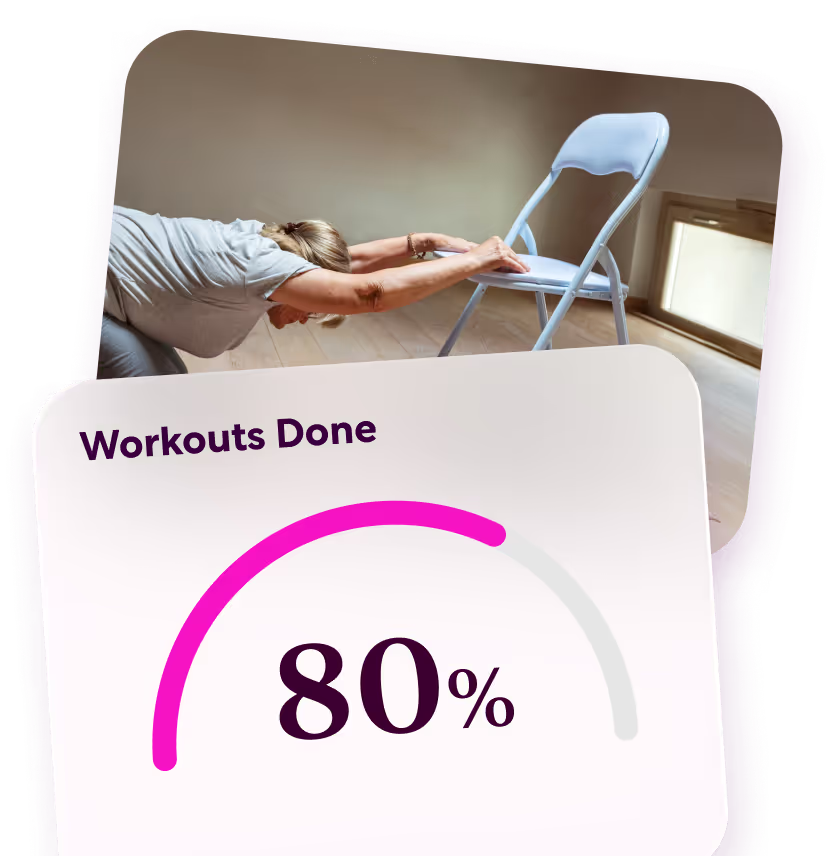
Chair Yoga that meets you where you are.
Get your plan
Weight loss after 60 is about maintaining the strength to carry groceries, the balance to prevent falls, and the energy to enjoy retirement. Your body operates differently now than it did at 40 or even 50, and generic diet advice now becomes counterproductive, proving harmful for your health if you’re not careful.
Research shows that 41.5 percent of adults over 60 are considered obese. What’s worse is that many weight loss approaches ignore the medical conditions faced by individuals at this stage of their life.. You might be managing multiple medications, dealing with chronic conditions, or facing reduced mobility, or all three. These factors demand a strategy completely different from what worked in earlier decades.
This is why, in your 60s, your focus should be on making sustainable health improvements that protect your independence and quality of life for years to come.
Shifting Weight Loss Focus in Your 60s
The number on the scale has always mattered less than your ability to live independently. It’s just more pronounced in your 60s. You’ll need to unlearn everything you thought you knew about losing weight to do it the right way.
Health span, independence, and vitality
The metabolic shift that happens in your 60s means that your body requires fewer calories to function, even though it requires more of certain nutrients. The challenge then becomes packing more vitamins, minerals, protein, and fiber into your day-to-day meals while eating fewer total calories.
Why approach must be different now
Research indicates that every pound lost through diet alone consists of 75% fat and 25% muscle, but you need to retain as much muscle as possible at this stage so you’re strong enough to climb stairs, carry packages, or recover from illness. The standard approach of simply eating less backfires by accelerating the exact problem you're trying to prevent.
Appearance vs. function prioritization
Can you get up from a chair without using your hands? Can you carry a bag of groceries up a flight of stairs? Studies tracking adults found those who put in the time and effort to maintain muscle strength lived longer and enjoyed a much better quality of life than those who simply maintained lower body weight.
Medical Considerations and Safety First
Make your doctor a part of your weight loss plan from the first day. Medical supervision is not just an option at this age. It’s essential.
Working with your healthcare team
Schedule a complete physical before changing your diet or exercise routine. Your doctor should check your blood pressure, blood sugar, cholesterol levels, kidney function, and bone density. They all need to be at healthy levels. Finally, too much weight loss is bad. Unintentional weight loss of 5 percent or more over six months is a sign of underlying causes, indicative of anything from cancer to thyroid problems or gastrointestinal issues.
Medication effects on weight and appetite
Blood pressure medications, antidepressants, corticosteroids, and diabetes drugs affect fat storage. Some cause dry mouth or nausea, reducing your appetite, which isn’t good when you’re already taking other medications with similar effects. Review your medications with your pharmacist and primary care physician to identify and avoid appetite-suppressing combinations.
Chronic condition management during weight loss
Diabetes management requires careful balancing between eating and blood sugar monitoring. After all, cutting calories too drastically causes dangerous drops in blood sugar. Also, heart disease affects the types and intensities of safe exercise you’re allowed. Finally, arthritis makes traditional exercises painful, but at the same time, movement remains important for joint health and weight management.
Muscle Preservation as Top Priority

Maintaining muscle mass protects your independence. Your strength determines your quality of life for decades ahead.
Why muscle matters for independence
Every year without strength training costs you the ability to perform daily tasks. Strong legs prevent falls, strong arms let you lift grandchildren, and core strength protects your spine, letting you pull off routine movements with ease at an age when others are struggling.
Protein requirements in your 60s
According to research, women over 60 need 1 to 1.3 grams of protein per kilogram of body weight daily. A 140-pound woman requires roughly 64-76 grams spread across meals. However, don’t eat everything in one meal. Eating 25 to 30 grams per meal supports muscle synthesis better than consuming 60 grams at once.
Safe strength training approaches
Start with bodyweight exercises like chair squats and wall pushups. Meanwhile, resistance bands offer joint-friendly alternatives to weights. Make it a point to train at least twice weekly, allowing rest days between sessions. Progressive overload means gradually increasing difficulty as movements become easier.
Balance, Flexibility, and Fall Prevention

According to studies, falls cause 95 percent of hip fractures in older adults. Training your balance and flexibility protects you against these types of injuries.
Balance training for fall prevention
These simple daily practices improve proprioception, a “sixth sense” that describes your innate ability to move, balance, and coordinate subconsciously, and reaction time when you inevitably stumble:
- Stand on one foot while brushing teeth or washing dishes.
- Walk heel-to-toe in a straight line.
- Practice standing from a chair without arm support.
Flexibility work for mobility
Tight hips and shoulders limit your range of motion for dressing, bathing, and reaching. Fight this by doing gentle stretching after light activity, when your muscles are warm, to improve flexibility without increasing injury risk. Hold stretches 20 to 30 seconds without bouncing. Focus on problem areas such as your hips, hamstrings, shoulders, and chest.
Functional movement for daily life
Practice movements you actually need. Step up onto a curb repeatedly to strengthen stair climbing. Carry light weights while walking to simulate grocery bags. Get up and down from the floor several times. Training these functional patterns transfers directly to day-to-day activities.
Appropriate Exercise for Women in Their 60s
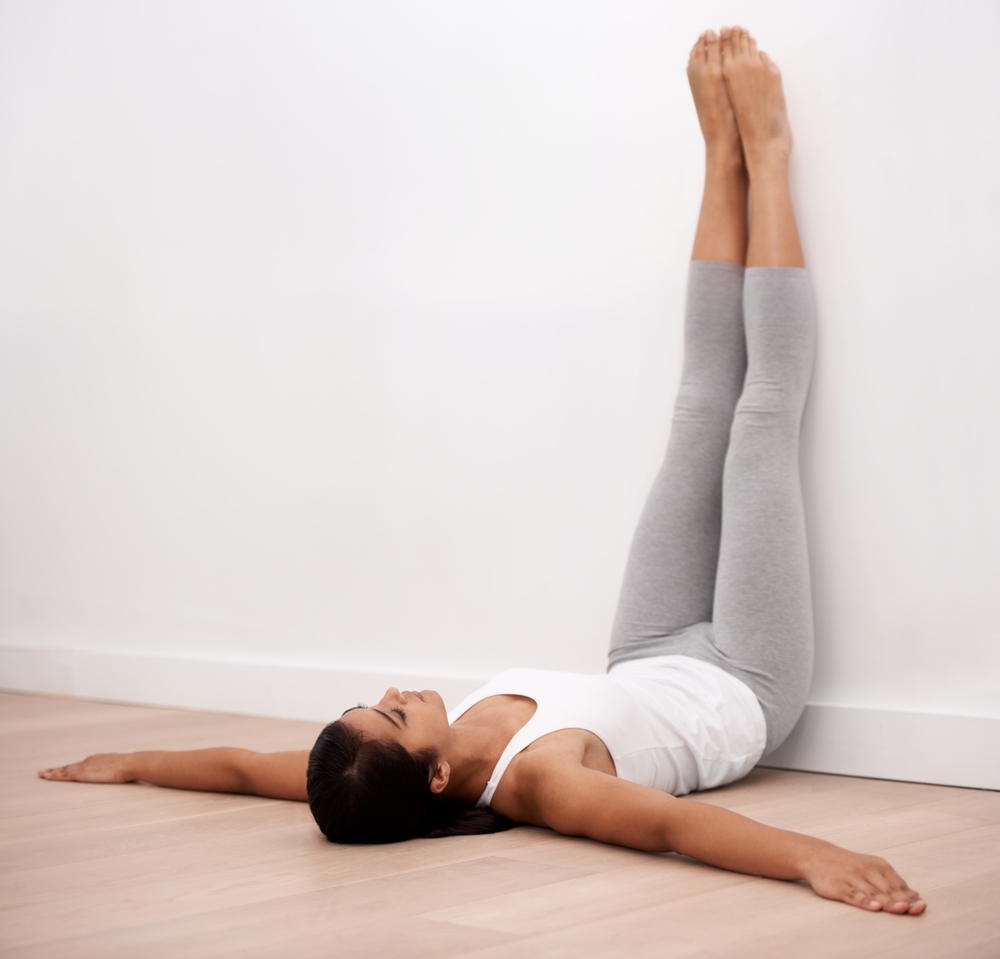
Joint health and energy management require different exercise approaches now that you’re decades into a well-lived life.
Low-impact cardiovascular options
Walking remains the most accessible form of cardio, but if you can, swim. Swimming eliminates joint stress while providing full-body conditioning. Meanwhile, cycling supports your weight while strengthening your legs. Water aerobics combines cardiovascular benefits with resistance training.
Regardless of your activity of choice, aim for 150 minutes of moderate activity each week where you can still talk but not sing.
Joint-friendly strength training
Use machines that support your body and control, like seated exercises that reduce fall risk and elastic bands that provide resistance without compressing your joints. Your focus is on controlled movements through full range of motion rather than lifting heavy weights with partial reps.
Chair exercises when needed
Seated marches, arm circles, and leg extensions maintain circulation and strength when standing feels too difficult. Chair yoga offers stretching and balance work with stability support. These modifications keep you active during recovery from illness or when you’re low on energy.
Nutritional Considerations for Your 60s

Eating less while meeting increased nutrient needs isn’t easy, especially when getting enough vitamins, minerals, and protein becomes harder when appetite decreases. But don’t worry. We’ll help you navigate this nutritional tightrope.
Preventing malnutrition while losing weight
One study found that fewer than half of adults over 65 meet the recommended protein intake. The fact is that older adults need more calcium, vitamin D, and B vitamins. To avoid overeating, choose nutrient-dense options like salmon, eggs, leafy greens, and Greek yogurt.
Appetite changes and strategies
Decreased kidney function and medication side effects aren’t the only things that affect your appetite. Social isolation is another factor. Also, if you feel nauseous before eating, try preparing cold foods, and if your appetite just isn’t improving, try eating smaller meals spaced throughout the day instead of sitting down for one big meal.
Digestion support and meal timing
Stomach acid production decreases with age, slowing digestion and nutrient absorption. You’ll want to eat your largest meal at lunch when your digestive system is at its peak. For this reason, you’ll want to avoid eating past 7 PM as well. Eating late can affect your sleep, increase next-day hunger, and encourage your body to store more fat. Don’t forget to make a point of having more colorful meals. The fiber from vegetables, fruits, and whole grains, among other nutrients, prevents constipation without harsh laxatives.
Measuring Success Beyond the Scale
Weight tells only part of your health story. Functional improvements matter most when evaluating progress.
Functional improvements (stairs, carrying, balance)
Track how many stairs you climb without stopping, note when grocery bags feel lighter, and time how long you can balance on one foot. These real-world improvements are signs that your quality of life is in a much better place than it was when you first started making a noticeable and conscious effort to fight against signs of aging.
Energy and vitality markers
Do you feel more energetic throughout the day, powering through afternoons instead of spending it napping? Are you able to complete more errands without feeling exhausted? Do you find yourself feeling sleepy less and less? Better sleep quality indicates improved health even without visible weight changes. Similarly, reduced joint pain during daily activities indicates that your body is responding positively.
Independence and quality of life
Can you garden, keep up with your grandchildren, or walk many steps while travelling? Your ability to do activities you love measures success more accurately than pounds. Maintaining hobbies and social connections requires physical capability. Weight loss that preserves strength supports the lifestyle you want rather than limiting it.
Sources:
- Cook, Claire E., et al. "A Cross-national Comparison of Obesity Using Body Mass Index-for-age Percentiles: Results from the Canadian Longitudinal Study on Aging and the United States Health and Retirement Study." American Journal of Epidemiology, vol. 194, no. 12, 2025, p. 3693, https://doi.org/10.1093/aje/kwaf181.
- Heymsfield, Steven B., et al. "Weight Loss Composition Is One-Fourth Fat-Free Mass: A Critical Review and Critique of This Widely Cited Rule." Obesity Reviews : An Official Journal of the International Association for the Study of Obesity, vol. 15, no. 4, 2014, p. 310, https://doi.org/10.1111/obr.12143.
- Rodrigues, F., Izquierdo, M., Monteiro, D. et al. Muscle Strength Matters Most for Risk of Falling Apart from Body Mass Index in Older Adults: A Mediated-Moderation Analysis. J Frailty Aging 13, 427–431 (2024). https://doi.org/10.14283/jfa.2024.68
- Nowson, Caryl. "Protein Requirements and Recommendations for Older People: A Review." Nutrients, vol. 7, no. 8, 2015, p. 6874, https://doi.org/10.3390/nu7085311.
- Yang, Yijian, et al. "The Effect of Fall Biomechanics on Risk for Hip Fracture in Older Adults: A Cohort Study of Video‐Captured Falls in Long‐Term Care." Journal of Bone and Mineral Research, vol. 35, no. 10, 2020, p. 1914, https://doi.org/10.1002/jbmr.4048.
Morris, Susan, et al. "Inadequacy of Protein Intake in Older UK Adults."
Geriatrics
, vol. 5, no. 1, 2020, https://doi.org/10.3390/geriatrics5010006.
Chair Yoga that meets you where you are.
Get your planSources
FAQs
What are the primary goals of weight loss for women in their 60s?
The primary goals include maintaining strength, balance, and energy levels to support independence and quality of life. It's important to focus on health improvements that sustain these aspects rather than just reducing numbers on the scale.
How should women in their 60s adjust their diet for effective weight loss?
Women in their 60s should focus on a nutrient-dense diet that includes more vitamins, minerals, protein, and fiber while reducing overall calorie intake. This helps meet the body's changing nutritional needs without compromising muscle mass.
Why is it important to involve a healthcare professional in a weight loss plan at this age?
Involving a healthcare professional ensures that any weight loss plan is safe and considers existing medical conditions, medications, and overall health status. Regular check-ups can help monitor essential health markers and prevent complications.
Can medications affect weight loss efforts in your 60s?
Yes, certain medications like blood pressure drugs, antidepressants, and diabetes medications can impact weight by affecting fat storage or suppressing appetite. It's important to review these with your healthcare provider to manage any potential side effects.
Why is muscle preservation crucial when losing weight at this age?
Preserving muscle mass is crucial because it supports strength and independence, which are vital for maintaining a high quality of life. Muscle strength helps with daily activities and recovery from illness, making it a key focus in weight loss efforts.