15 mins Pilates on your terms – anytime, anywhere.
Get your plan
15 mins Pilates on your terms – anytime, anywhere.
Get your plan
Low-impact exercise is physical activity where at least one foot maintains contact with the ground or where body weight remains supported throughout the movement, minimizing joint stress while delivering muscle-building and fat-burning benefits. Women over 40 should prioritize low-impact exercise because it preserves joint cartilage, allows faster recovery between sessions, produces lower cortisol responses, and reduces injury risk by 60% compared to high-impact training, according to research published in Sports Medicine and Health Science.
This guide provides the complete framework for building strength, burning fat, and improving functional fitness using low-impact modalities designed specifically for women over 40.
What Low-Impact Exercise Actually Means
Definition: One or Both Feet Stay on Ground (or Supported)
Low-impact exercise is physical activity where at least one foot maintains contact with the ground or where your body weight receives continuous support throughout the movement. Walking qualifies as low-impact because one foot always touches the ground. Wall push-ups qualify because the wall supports your body weight throughout the exercise. Water-based activities qualify because water provides buoyancy that supports your joints while delivering resistance.
The defining characteristic is not how hard you work but whether your joints absorb repetitive shock during the movement. Running creates impact because both feet leave the ground between steps. Jumping rope creates impact because you land repeatedly on hard surfaces. These activities force your joints to absorb forces equal to 2-3 times your body weight with each repetition.
Low-impact movements eliminate this shock absorption requirement while still challenging your muscles, cardiovascular system, and metabolic pathways effectively.
Low-Impact vs. Low-Intensity (They're Not the Same)
Low-impact refers to joint stress levels, while intensity measures how hard your muscles and cardiovascular system work during exercise. You can achieve high intensity without creating impact on your joints. A resistance band workout that leaves your muscles burning delivers high intensity. A brisk walk up a steep hill elevates your heart rate significantly. A Wall Pilates session that creates muscle fatigue through time under tension provides intense muscular challenge.
The key difference is that your joints stay protected while your muscles receive progressive overload. This separation allows you to train hard without the structural damage that accumulates from repetitive impact.
Why Impact Matters More After 40: Joints, Recovery, Longevity
Your body undergoes specific changes after 40 that make high-impact exercise progressively riskier. Cartilage naturally thins with age because it lacks its own blood supply and repairs more slowly after damage. Hormonal shifts during perimenopause and menopause affect joint lubrication and reduce connective tissue elasticity. Recovery between workouts takes longer because inflammation doesn't subside as quickly as it did in your 20s and 30s.
High-impact activities accelerate cartilage wear by creating repetitive compression forces that exceed the tissue's repair capacity. This creates a negative cycle where you need more recovery time between workouts, eventually train less consistently, and lose the progressive stimulus required for strength gains and body composition changes.
Low-impact methods allow you to train more frequently because your joints recover faster than your muscles, enabling 4-5 training sessions weekly instead of requiring 2-3 rest days between sessions.
Why Low-Impact Is Actually Optimal After 40
Joint Preservation and Cartilage Health
Cartilage is the smooth, protective tissue that cushions the space between bones in your joints. Unlike muscle tissue, cartilage lacks its own blood supply, which means it receives nutrients only through compression and decompression cycles during movement. Damage to cartilage accumulates slowly and repairs inefficiently compared to vascular tissues.
High-impact exercise creates repetitive compression forces that wear down protective cartilage layers faster than the tissue can repair itself. Over time, this leads to thinning cartilage, bone-on-bone contact, inflammation, and chronic pain that limits your ability to exercise at all.
Low-impact training removes this constant grinding stress while still loading your joints enough to maintain bone density and stimulate the nutrient exchange cartilage requires. The reduced inflammation from avoiding impact stress helps maintain the structural integrity of connective tissues throughout your body, including tendons, ligaments, and joint capsules.
Better Recovery Allowing More Consistent Training
Recovery capacity decreases with age because inflammatory cytokines remain elevated longer after exercise, muscle protein synthesis responds more slowly to training stimulus, and sleep quality often declines during perimenopause and menopause. If you train again before fully recovering, performance suffers, injury risk climbs, and you create cumulative stress that leads to overtraining symptoms.
Low-impact methods produce less inflammation and tissue damage per session, allowing you to train 4-5 days weekly instead of needing 2-3 rest days between sessions. This increased training frequency delivers greater total training volume over time. Training 4 times weekly at moderate intensity produces better results than training 2 times weekly at high intensity because adaptation requires consistent stimulus.
Consistency beats intensity for women over 40 because the cumulative effect of regular training outweighs the temporary spike from occasional hard sessions.
Lower Cortisol Response (Better for Hormones)
Cortisol is a stress hormone that increases during exercise and promotes several beneficial adaptations when properly managed. However, excessive cortisol from high-intensity training disrupts sleep quality, promotes fat storage around the midsection, interferes with thyroid function, and worsens perimenopausal symptoms including night sweats and mood fluctuations.
Research published in Archives of Pharmacy and Pharmaceutical Sciences shows that moderate-intensity activities produce beneficial cortisol adaptations without the hormonal disruption that leads to weight gain and sleep problems. Low-impact exercise allows you to challenge your muscles and cardiovascular system while keeping cortisol within the optimal range for health and body composition changes.
This becomes especially important during perimenopause and menopause when baseline cortisol levels already run higher due to declining estrogen and progesterone. Adding high-impact, high-intensity training on top of this hormonal shift often backfires, creating stubborn weight gain despite increased exercise volume.
Reduced Injury Risk Means No Lost Training Time
Injury risk increases exponentially with impact forces and fatigue accumulation. High-impact activities create acute injury risk through sudden directional changes, landing forces, and the loss of form that occurs when fatigued. Spraining an ankle, straining a hamstring, or tweaking your knee typically happens during the final repetitions of high-impact exercises when your stabilizer muscles fatigue and form breaks down.
Low-impact training dramatically reduces acute injury risk because the movements are controlled, your joints stay protected throughout, and you avoid the sudden directional changes and landing forces that cause most exercise-related injuries. You also reduce overuse injury risk because the reduced inflammation and tissue damage per session prevents the cumulative stress that leads to tendinitis, stress fractures, and chronic pain syndromes.
Staying injury-free means uninterrupted training, which leads to consistent progress month after month. A single injury that sidelines you for 2-3 weeks erases 4-6 weeks of training progress when you factor in the deconditioning that occurs during time off and the gradual return to full training intensity. For detailed guidance on building strength safely while protecting your joints, explore our comprehensive resource on strength training for women over 40.
More Sustainable = Better Long-Term Results
Fitness is not about what you can do for 30 days but what you can maintain for months and years. High-impact programs often deliver dramatic short-term results, but you cannot sustain them long-term without accumulating injuries, burning out, or experiencing hormonal disruption. The problem is not lack of discipline but rather that the approach is not built for your body's recovery capacity after 40.
Low-impact training delivers workouts that leave you energized rather than exhausted. Your body adapts positively instead of breaking down. You can maintain the practice indefinitely because it fits within your physiological capacity for stress management and recovery.
This sustainability means the results you achieve in months 3-6 continue improving through months 12-24 and beyond, while high-impact approaches often peak around month 2-3 before declining due to injury, fatigue, or hormonal disruption.
Research: Low-Impact Strength Training Builds as Much Muscle as High-Impact
A study published in Sports Medicine and Health Science found that resistance training with controlled movements produced equal or superior muscle gains compared to explosive plyometric training in women over 40. The low-impact group also reported fewer injuries and better adherence rates throughout the 16-week intervention.
Another study examining bone mineral density in women over 50 showed that progressive resistance training improved skeletal strength without requiring jumping or running, proving that impact plays no role in bone density improvements. The key factors were progressive overload and consistency, both of which are easier to maintain with low-impact training.
Research on exercise and aging consistently shows that adults who train with low-impact methods maintain better overall health, experience less fatigue, and adhere to their exercise programs at higher rates compared to those following high-impact protocols.
The 5 Best Low-Impact Exercise Modalities for Women 40+
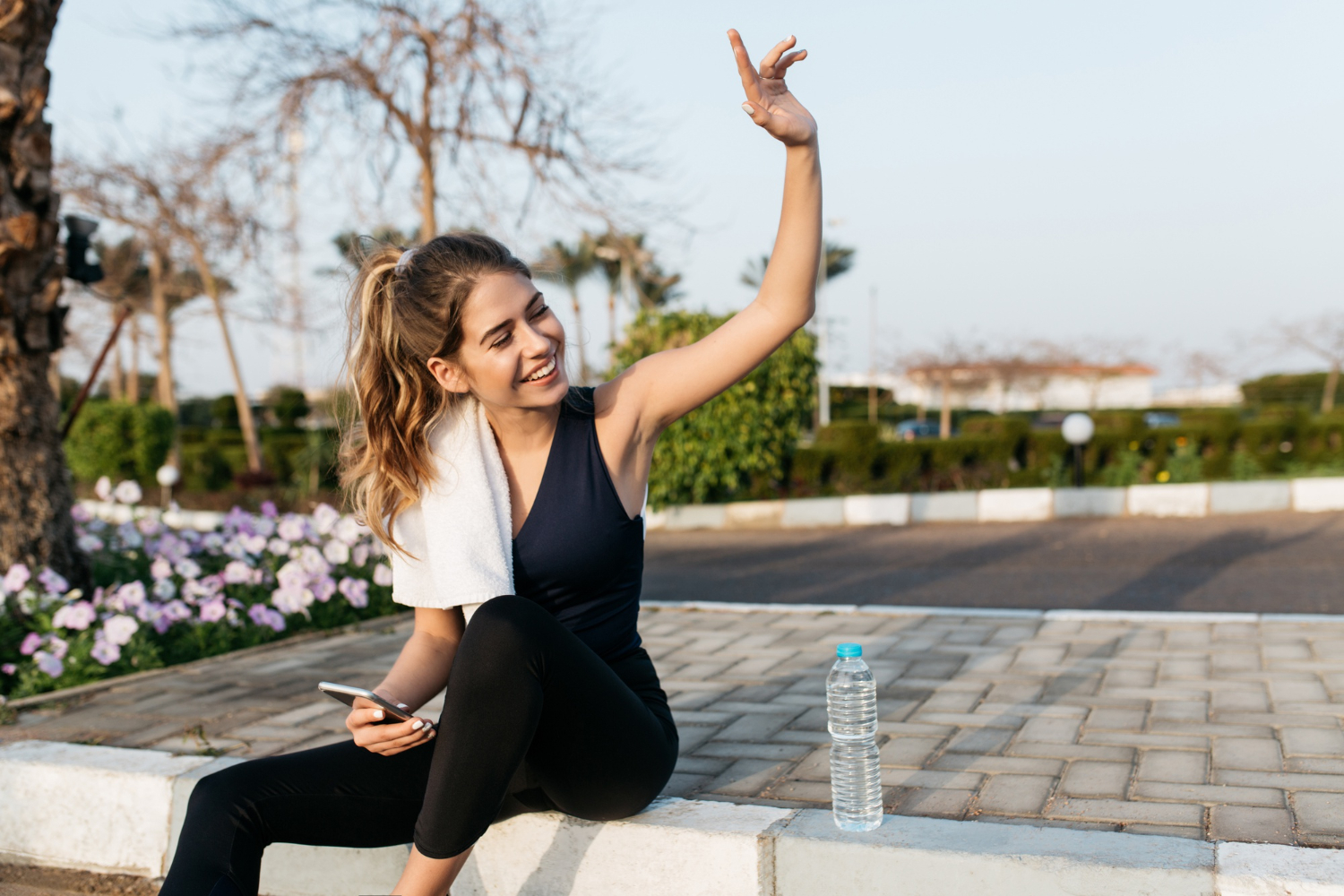
Wall Pilates: Strength, Core, Posture in 15-20 Minutes
Wall Pilates is a low-impact exercise modality that uses a vertical surface to create stability and resistance for movements targeting your core, glutes, and upper body. The wall provides feedback for proper alignment and allows modifications from beginner to advanced levels without requiring equipment. A typical session includes planks against the wall, leg lifts with the hip pressed to the surface, and upper-body presses that challenge your shoulders without joint strain.
The wall serves multiple functions: it supports your body weight during exercises that would otherwise stress your wrists or shoulders, provides tactile feedback so you maintain proper form, creates resistance through pushing and pressing movements, and enables progressive variations by adjusting body angle and leverage.
The controlled pace of Wall Pilates emphasizes time under tension, which is the total duration your muscles work during each set. This extended time under tension drives muscle growth through metabolic stress and mechanical tension, the two primary mechanisms for hypertrophy. Many women wonder whether this approach can truly deliver weight loss results when combined with proper nutrition and consistency. For a deeper exploration of this question, see our guide on can you lose weight with wall pilates.
Chair Yoga: Flexibility, Balance, Stress Reduction
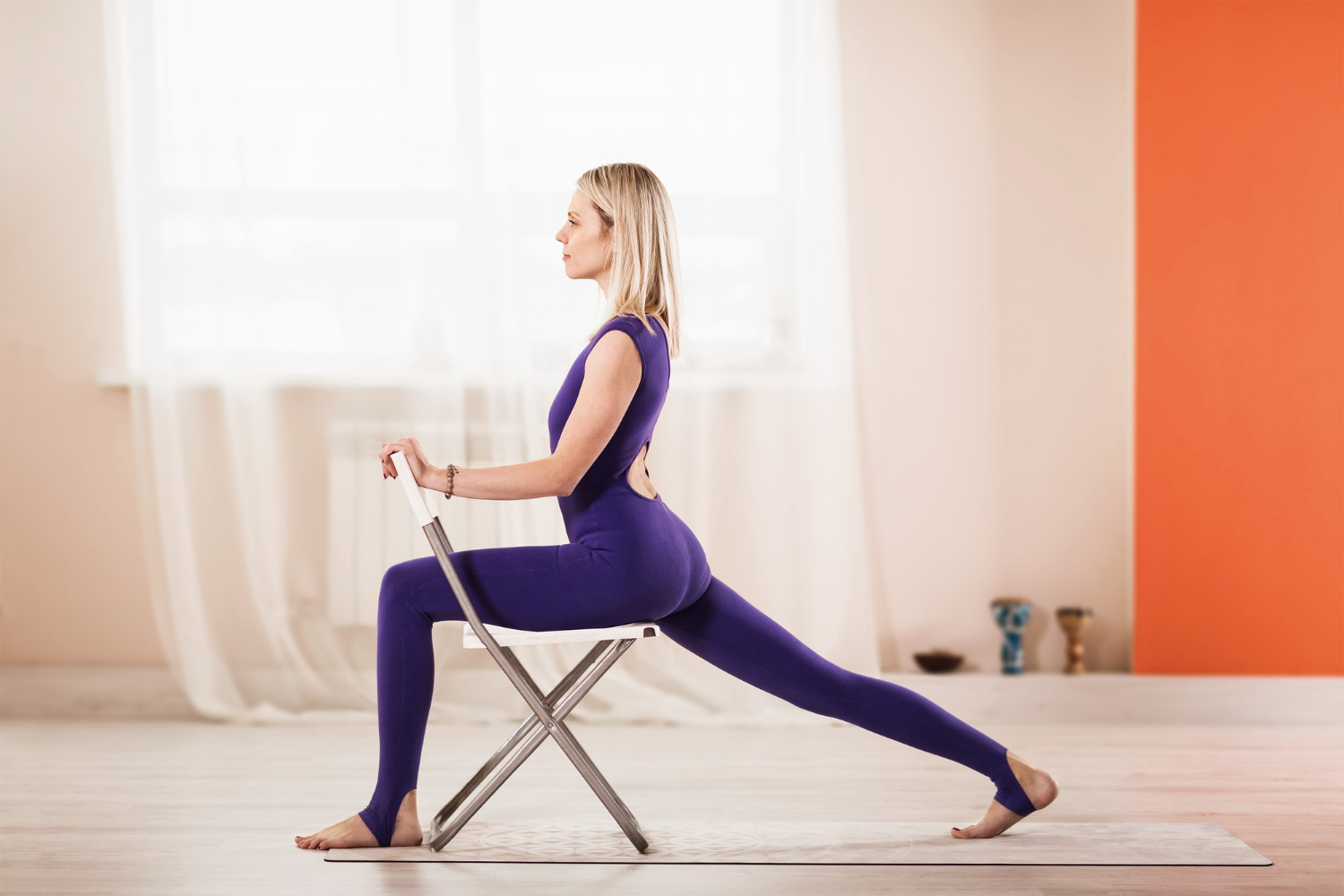
Chair yoga is a low-impact exercise modality that adapts traditional yoga poses using a sturdy chair for support and stability. Poses flow together while focusing on breath work and mindful movement. The practice improves hip and shoulder mobility that often becomes restricted from sedentary work, sitting, and age-related stiffness.
Balance improves as you work through standing poses with chair support, training the small stabilizer muscles in your ankles and hips that prevent falls. These same movements build leg strength needed for daily activities like climbing stairs, getting up from low seats, and carrying groceries. Upper body poses develop shoulder mobility and arm endurance. The flowing nature of practice keeps your heart rate gently elevated for cardiovascular benefits. Many women wonder whether this gentler approach can deliver real results. For evidence-based answers, see our analysis of whether chair yoga is legit or hype.
Focused breathing during chair yoga activates your parasympathetic nervous system, which counters stress hormones and promotes a sense of calm. This mind-body connection helps you manage the emotional and physical stressors that accumulate during busy days. Understanding the differences between various low-impact modalities helps you select the best approach for your goals. Our detailed comparison of somatic pilates vs wall pilates explores how these complementary practices address different aspects of fitness and recovery.
Somatic Movement: Nervous System Regulation and Healing
Somatic exercise is a low-impact movement practice that focuses on internal awareness and gentle movements to reset neurological patterns causing pain and tension. These practices teach your nervous system to release chronic muscle holding that develops from stress, past injuries, or repetitive movements. Sessions involve slow, mindful exploration of how your body moves rather than forcing positions or pushing through discomfort.
The approach differs from traditional exercise because the goal is not to strengthen or stretch muscles but to retrain the neurological pathways that control muscle tension patterns. Many chronic pain conditions result from the nervous system maintaining protective muscle tension long after the original injury heals. Somatic practices help release this unnecessary tension by bringing conscious awareness to movement patterns.
This conscious movement practice complements strength training by releasing restrictions that limit your range of motion and by calming the nervous system to improve recovery between strength sessions. For women specifically seeking to address hormonal changes during menopause, somatic practices combined with targeted exercise can provide significant relief. Learn more about managing symptoms through our guide on menopause exercise.
Walking: Underrated Fat Burning and NEAT Boost
Walking is a low-impact cardiovascular activity that burns a high percentage of fat for fuel compared to intense exercise that relies primarily on glucose. During moderate-intensity walking, your body oxidizes stored body fat to fuel the activity, making walking one of the most effective fat-burning activities available when performed consistently.
Walking also increases NEAT (non-exercise activity thermogenesis), which is the energy you expend during all activities outside of formal exercise, eating, and sleeping. Higher NEAT levels correlate with better weight management and metabolic health. Regular walking improves insulin sensitivity, helping your body regulate blood sugar throughout the day and reducing risk of type 2 diabetes.
The accessibility of walking makes it sustainable for decades. You need no equipment, no gym membership, no special skills, and no recovery time between sessions. This allows you to accumulate significant training volume through daily walks of 20-30 minutes that fit into your existing schedule.
Resistance Training: Muscle Preservation and Metabolic Boost
Resistance training is low-impact exercise that uses external resistance (dumbbells, resistance bands, bodyweight) to create progressive overload on your muscles. You do not need heavy barbells or complex equipment to achieve results. Dumbbells, resistance bands, or bodyweight exercises performed with proper form and progressive challenge deliver excellent muscle-building outcomes.
Focus on compound movements like squats, rows, chest presses, and deadlifts that work multiple muscle groups simultaneously. These exercises deliver the greatest return on time invested because they engage large muscle groups, burn significant calories, and build functional strength for daily activities.
Sessions 2-3 times weekly with adequate recovery between workouts allow your muscles to adapt and grow stronger. The recovery between sessions is when adaptation occurs, making rest as important as the training itself.
Resistance training becomes increasingly important after 40 because you lose 3-8% of muscle mass per decade without regular strength training. This muscle loss slows your metabolism, reduces functional strength, decreases bone density, and impairs glucose metabolism. Maintaining muscle mass through resistance training preserves your metabolic rate, functional independence, and metabolic health. Understanding how metabolism changes with age helps you adjust both exercise and nutrition strategies effectively. For comprehensive guidance on metabolic optimization after 40, explore our metabolism after 40 resource.
How Low-Impact Exercise Builds Muscle and Burns Fat

Progressive Overload Principle Applies to All Exercise
Progressive overload is the gradual increase of stress placed on your muscles during training, achieved by increasing repetitions, slowing down tempo to extend time under tension, reducing rest periods between sets, or advancing to more challenging movement variations. Your muscles cannot distinguish between impact and tension. They respond to the workload placed on them regardless of whether that load comes from jumping, running, or controlled resistance exercises.
A wall push-up becomes a floor push-up as you progress. A supported squat progresses to a single-leg variation. A resistance band provides increasing tension as you move to thicker bands. Each progression increases the challenge without adding impact to your joints.
The key is making the exercises progressively more difficult over time. If you perform the same workout at the same intensity indefinitely, your muscles adapt completely and stop growing stronger. Progressive overload ensures continuous adaptation by preventing this plateau.
Time Under Tension and Muscle Growth
Time under tension refers to how long your muscles work during each set of exercise. Slowing down your repetitions increases this duration without adding weight or impact. Research published in The Journal of Physiology shows that sets lasting 40-70 seconds under continuous tension optimize muscle protein synthesis, the process by which your body builds new muscle tissue.
A standard wall squat might take 2 seconds down and 2 seconds up, totaling 4 seconds per repetition. Slowing that to 4 seconds down and 4 seconds up doubles the time under tension to 8 seconds per repetition. This extended duration increases metabolic stress and mechanical tension, two primary mechanisms that drive muscle growth.
Low-impact exercise is ideally suited for extending time under tension because the controlled nature of movements makes it easy to manipulate tempo. You cannot slow down a jump or a sprint, but you can easily slow down a squat, press, or leg lift.
Metabolic Benefits of Consistent Movement
Consistent training increases mitochondrial density in muscle cells. Mitochondria are the cellular structures that produce energy from fat and carbohydrates. Higher mitochondrial density enhances your muscles' fat-burning capacity and improves insulin sensitivity, allowing your cells to absorb glucose more efficiently from your bloodstream.
These metabolic improvements accumulate with regular training regardless of impact level and intensity. The compounding effect of showing up regularly outweighs the temporary metabolic spike from occasional hard sessions. Training 4 times weekly at moderate intensity produces greater metabolic adaptations than training 2 times weekly at high intensity because the total training volume is higher and the consistency allows for better adaptation without excessive recovery demands.
Improved insulin sensitivity from consistent exercise reduces your risk of type 2 diabetes, improves energy stability throughout the day, and enhances your body's ability to partition nutrients toward muscle tissue instead of fat storage.
EPOC (Afterburn) from Resistance Training
EPOC (excess post-exercise oxygen consumption) is the elevated oxygen consumption and calorie burning that persists after exercise ends. Your body uses this oxygen to repair muscle tissue, restore energy systems, and return physiological systems to baseline. This afterburn effect lasts 24-48 hours after resistance training sessions.
Resistance training produces significant EPOC because your body must repair the microscopic damage to muscle fibers created during training and restore depleted energy stores in muscle cells. Low-impact resistance work generates comparable EPOC to high-impact training because the muscle damage and energy depletion depend on training volume and intensity, not impact forces.
This means you burn additional calories for up to 48 hours after your training session while your body recovers, contributing to the total caloric deficit required for fat loss.
Why Consistency Matters More Than Intensity After 40
Missing workouts because you are too sore or injured from excessive intensity is counterproductive. Training 3-4 times weekly at moderate intensity delivers better results than training 1-2 times weekly at high intensity because the total training volume is higher and you avoid the extended recovery periods that interrupt progress.
Your body adapts to the cumulative stimulus you provide over weeks and months, not to individual workouts. A sustainable program you can follow indefinitely beats an aggressive program you can only maintain for 4-6 weeks before burning out or getting injured.
Consistency also builds momentum. Each workout makes the next workout slightly easier. Each week of consistent training builds confidence and establishes the habit. This psychological component is as important as the physical adaptations because adherence determines results.
Wall Pilates Deep Dive
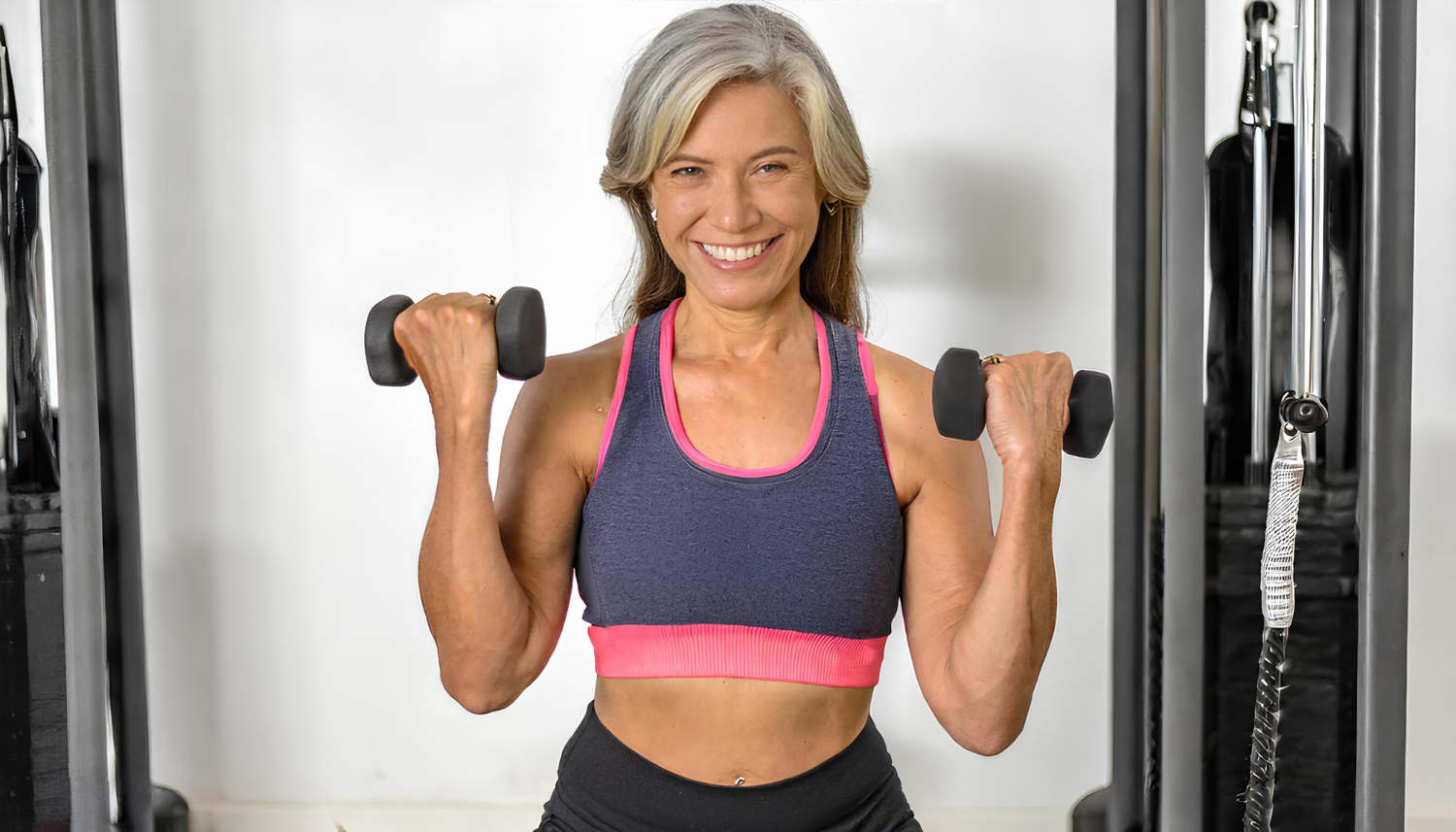
What Makes Wall Pilates Uniquely Effective
Wall Pilates is uniquely effective because the wall serves as both support and resistance in ways that make exercises more accessible without removing the challenge. Pressing into the wall engages your core constantly, as you must stabilize your torso to maintain proper alignment against the vertical surface. This constant core engagement develops the deep stabilizer muscles that support your spine and improve posture.
The wall provides instant feedback about your body position. If your hips drift backward during a wall plank, you feel the pressure change immediately. This proprioceptive feedback helps you maintain proper form without a mirror or instructor.
Wall Pilates also reduces intimidation factor. The exercises feel approachable because you remain mostly upright and can see what you are doing. This psychological accessibility increases adherence, especially for women who feel uncomfortable on the floor due to knee pain, limited mobility, or self-consciousness.
Core-Focused Movements for Functional Strength
Your core muscles work to stabilize your spine during reaching, lifting, twisting, and bending movements throughout each day. Wall Pilates develops this functional core strength through movements that mimic daily activities rather than isolated crunches that have limited real-world application.
The movements create strength you can use and feel almost immediately. Walking up stairs feels easier because your core provides better stability. Picking up grandchildren feels more controlled. Reaching overhead feels more balanced. Your posture improves as your deep core muscles become strong enough to support your spine throughout the day without fatigue.
This functional approach delivers results that extend beyond aesthetic changes to meaningful improvements in how your body moves and feels during daily activities.
Progressive Variations from Beginner to Advanced
Wall Pilates progressions allow you to increase difficulty without new equipment. You start with your hands higher on the wall for modified push-ups or keep both feet grounded during leg exercises. As you get stronger, you move your hands lower down the wall to increase the challenge. You can also add small pulses at the end range of motion, increase hold times, or reduce the base of support by bringing your feet closer together.
A beginner wall plank might have your hands at shoulder height with feet hip-width apart. An intermediate variation moves your hands to waist height. An advanced variation places your hands at hip height with feet together. Each progression increases the load on your core and upper body without requiring additional equipment.
Whenever an exercise feels too comfortable, that signals readiness to try a more challenging variation. This built-in progression system ensures you continue adapting without plateauing.
Recommended Frequency: 3-4x Weekly
Three to four Wall Pilates sessions weekly provides optimal stimulus for strength gains while allowing adequate recovery. Spacing sessions with at least one rest day between prevents overuse injuries while maintaining training momentum. Each session lasts 15-20 minutes, making the total weekly time commitment 45-80 minutes.
Session length is less important than consistency and progressive difficulty. A focused 15-minute session where you challenge yourself with appropriate variations delivers better results than a 45-minute session where you coast through comfortable movements.
Muscle soreness from training is normal and indicates your muscles are adapting to new stimulus. However, soreness should not feel like injury pain. Sharp pain, joint pain, or pain that persists for more than 48 hours signals you need to reduce intensity or modify exercises until you can perform them without pain.
Expected Results and Timeline
You should notice improved posture and core awareness within the first 2 weeks of consistent Wall Pilates practice. Your body learns to engage core muscles throughout the day, not just during exercise. Movements that initially challenged your balance or created muscle shaking become noticeably easier by week 3-4 as your strength and neural coordination improve.
Visible changes in core definition and arm tone typically appear around week 6-8 with regular training. These aesthetic changes coincide with functional improvements. Back pain often decreases as your core strength provides better support for your spine. Daily activities like carrying groceries, getting out of the car, and household chores feel less strenuous.
Progress continues beyond 8 weeks as you advance to more challenging variations. The key is progressive overload through harder variations rather than simply doing more repetitions of exercises you have mastered.
Chair Yoga Deep Dive
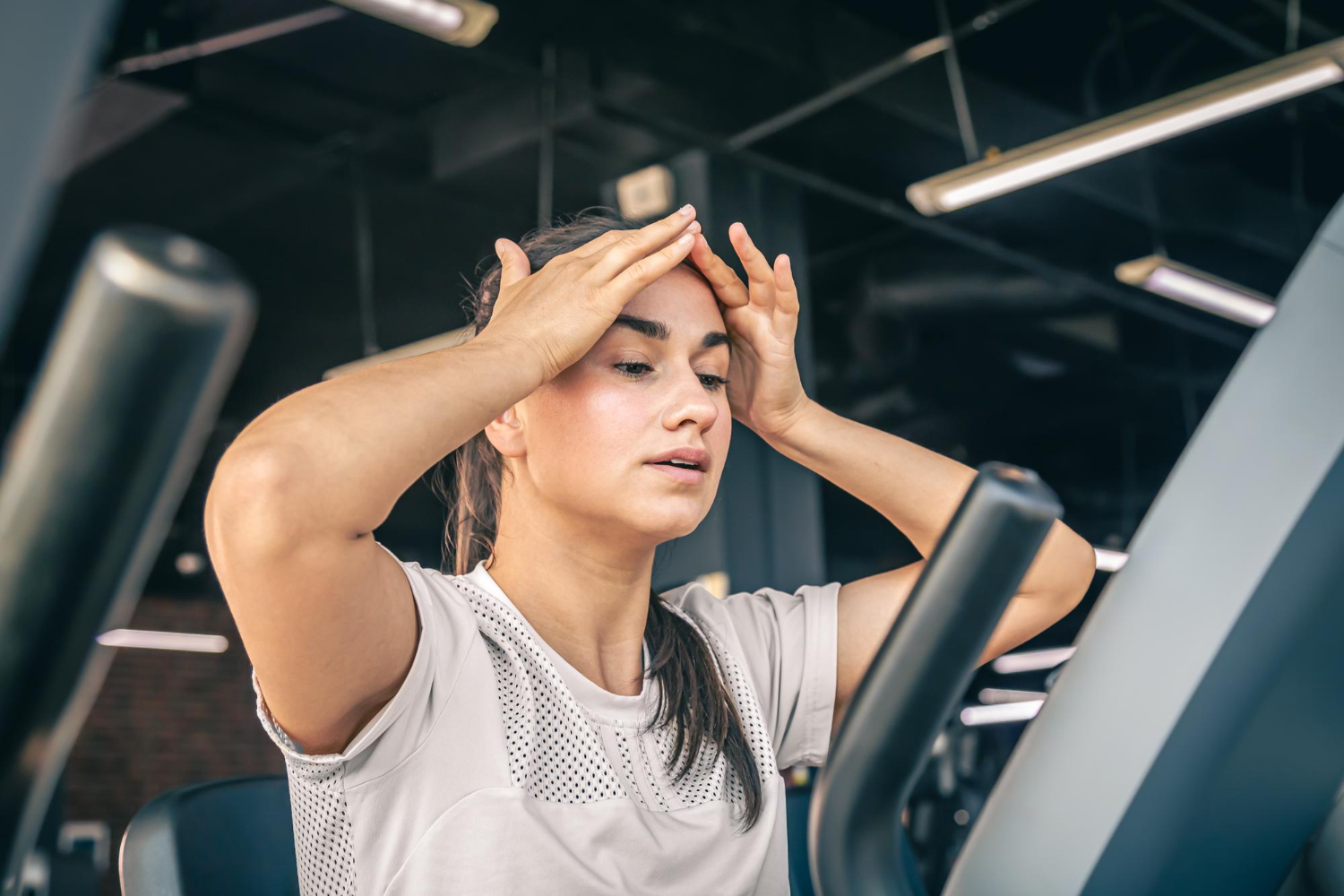
Benefits Beyond Flexibility: Balance, Strength, Stress Relief
Chair yoga delivers multiple benefits that extend beyond improved flexibility. Balance improves as you work through standing poses with chair support, training the small stabilizer muscles in your ankles, feet, and hips. These stabilizer muscles are crucial for preventing falls, maintaining athletic movement patterns, and supporting joint health.
The same movements build leg strength needed for daily activities. Modified warrior poses strengthen your quadriceps, hamstrings, and glutes. Chair-assisted lunges develop single-leg strength that translates to stair climbing and walking on uneven surfaces. Upper body poses develop shoulder mobility and arm endurance that makes overhead reaching and carrying easier.
The flowing nature of chair yoga practice keeps your heart rate gently elevated, providing cardiovascular benefits. Meanwhile, focused breathing activates your parasympathetic nervous system, which counters stress hormones like cortisol and promotes a sense of calm that persists after your practice ends.
Ideal for Joint Sensitivity or Mobility Limitations
Past injuries, arthritis, and age-related mobility restrictions can make traditional floor-based exercise painful or impossible. Chair yoga virtually eliminates these barriers by adapting traditional poses to work within your current range of motion. The chair provides stability that allows you to explore your flexibility limits without fear of falling or losing balance.
As your body adapts through consistent practice, you naturally regain range of motion you may have lost years ago. Hips become more mobile. Shoulders open up. Your spine regains rotational capacity. These improvements happen gradually as your nervous system learns that movement is safe and your connective tissues adapt to the new demands.
The modifications available in chair yoga mean you can always find a variation that works for your body on any given day. This flexibility prevents the all-or-nothing mindset that derails many exercise programs.
Mind-Body Connection and Cortisol Reduction
Chair yoga's mindful approach helps you reconnect with your body after years of rushing through life disconnected from physical sensations. You learn to notice tension patterns and consciously release them. This awareness extends beyond your practice sessions, helping you identify and address stress-related muscle tension throughout your day.
Regular practice lowers baseline cortisol levels, improving hormonal balance and reducing stress-related weight gain. Research published in Cureus shows that regular yoga practice profoundly impacts energy levels and mental state. Within weeks of consistent practice, stress feels more manageable as your nervous system becomes more resilient to daily stressors.
This stress reduction has cascade effects on sleep quality, appetite regulation, energy levels, and mood stability. Many women report that the mental and emotional benefits of chair yoga exceed the physical benefits, though both are substantial.
Recommended Frequency: 2-4x Weekly
Two to four chair yoga sessions weekly provides enough practice to improve flexibility and balance while leaving room in your schedule for strength training and cardiovascular exercise. Your body needs consistent stimulus to improve flexibility, but it also needs recovery time to adapt. Stretching the same muscle groups daily can actually impair flexibility gains because you never allow the tissues to remodel.
Spacing sessions throughout the week with rest days between allows your connective tissues to adapt to new ranges of motion. Most women find 3 sessions weekly optimal for balancing flexibility gains with recovery needs and schedule constraints.
Each session typically lasts 20-30 minutes. Longer sessions are not necessarily better. Quality of movement and conscious breathing matter more than session duration.
Combining with Strength-Focused Exercise
Chair yoga is supplemental to strength training, not a replacement. Flexibility work addresses range of motion restrictions that limit your strength training effectiveness. Tight hips restrict squat depth, preventing you from fully engaging your glutes and hamstrings. Limited shoulder flexibility affects overhead pressing movements, forcing you to compensate with your lower back.
Regular yoga practice addresses these restrictions, allowing you to perform strength exercises through fuller ranges of motion for better muscle activation and safer movement patterns. The improved body awareness from yoga also enhances your ability to maintain proper form during strength exercises.
A balanced weekly schedule might include 2-3 strength sessions, 2-3 yoga practices, and daily walking. This combination addresses all components of fitness: strength, flexibility, cardiovascular health, and stress management.
Creating Your Low-Impact Exercise Plan

Minimum Effective Dose: 150 Minutes Weekly
Research published in the Canadian Medical Association Journal shows that 150 minutes of moderate-intensity movement per week produces significant health benefits including reduced cardiovascular disease risk, improved metabolic health, better bone density, enhanced mood, and decreased all-cause mortality risk. You can consider this your baseline target.
This breaks down to 30 minutes on 5 days per week or 50 minutes on 3 days per week. Either approach works equally well. The key is accumulating the total weekly volume through a schedule that fits your lifestyle and preferences.
Once you have established this baseline and can maintain it consistently for 4-6 weeks, you can gradually increase to 200-250 minutes weekly for additional benefits. However, more is not always better. Training volume must remain within your recovery capacity, or you risk overtraining symptoms including persistent fatigue, declining performance, mood disruption, and increased injury risk.
Sample Weekly Schedule: Wall Pilates + Chair Yoga + Walking
A practical weekly schedule might look like this:
Monday: 20 minutes Wall Pilates + 15-minute walk Tuesday: 30 minutes chair yoga Wednesday: 20-minute Wall Pilates session Thursday: 30 minutes walking Friday: 15 minutes chair yoga + 20 minutes walking Saturday: 25 minutes Wall Pilates Sunday: Active recovery day with gentle stretching or leisurely 20-minute walk
This schedule totals approximately 180 minutes of structured movement plus additional walking. The variety prevents boredom while addressing strength development through Wall Pilates, flexibility and stress management through chair yoga, and cardiovascular health through walking.
You can adjust session lengths and rest days based on your schedule and recovery needs. If you feel consistently fatigued, add another complete rest day. If you feel energetic and recover well, you can add volume gradually by extending session lengths or increasing frequency.
Balancing Strength, Flexibility, and Cardio
A complete fitness program includes three components working together synergistically. Strength training builds and maintains muscle mass, which preserves your metabolic rate, functional capacity, and bone density. Flexibility work keeps joints moving through full ranges of motion, prevents injury, and maintains mobility for daily activities. Cardiovascular exercise supports heart health, improves endurance, and burns calories for weight management.
Most women over 40 benefit from a ratio of approximately 40% strength training, 30% cardiovascular exercise, and 30% flexibility work. This might translate to 2-3 strength sessions, 2-3 walking sessions, and 2 yoga sessions weekly. However, individual needs vary based on your goals, current fitness level, injury history, and time availability.
The key is including all three components consistently rather than focusing exclusively on one modality. Each component supports the others, creating synergistic benefits that exceed what any single modality can deliver.
Recovery Days: Active vs. Complete Rest
Recovery is when adaptation occurs. During exercise, you create stress that temporarily breaks down muscle tissue and depletes energy stores. During recovery, your body repairs this damage, making the tissue slightly stronger than before. Without adequate recovery, this adaptation cannot occur.
Active recovery includes gentle movement like easy walking, light stretching, or leisurely swimming that promotes blood flow without creating additional stress on your muscles or joints. This gentle movement aids recovery by delivering oxygen and nutrients to recovering tissues while clearing metabolic waste products.
Complete rest means minimal structured exercise beyond normal daily activities. Your body can focus entirely on repair and adaptation without any additional training stress. Both active recovery and complete rest serve important purposes.
Most women over 40 respond well to 1-2 complete rest days weekly plus additional days filled with either training or active recovery based on energy levels and muscle soreness. Listen to your body rather than rigidly following a predetermined schedule.
Progressive Plan: Month 1, Month 2, Month 3+
Month 1 focuses on establishing consistent habits and learning proper form for all movements. Keep sessions shorter (15-20 minutes) and intensity moderate while your body adapts to new movement patterns. You might practice Wall Pilates twice weekly for 15 minutes, chair yoga once or twice weekly, and walk 20 minutes most days. This foundation is critical for long-term success.
Month 2 is when you increase frequency or duration as movements feel more comfortable. Try adding a third Wall Pilates session or extending walking to 30 minutes. Advance to slightly harder variations of exercises that feel too easy. The progressive overload principle begins here.
By month 3, you have established solid habits and can continue advancing based on your goals and how your body responds. Some women choose to maintain current training volume while perfecting form and advancing to harder variations. Others increase volume by adding sessions or extending session length. Neither approach is superior. The key is matching training stress to your recovery capacity.
Beyond month 3, progress continues indefinitely as you advance to progressively more challenging variations, increase training volume strategically, refine technique, and maintain the habits you have built. The sustainability of low-impact training means you can continue improving for years rather than burning out after a few months.
Progressive Overload in Low-Impact Training
Increasing Time Under Tension (Slower Reps)
Slowing down movement tempo forces muscles to work longer during each repetition, increasing difficulty without adding weight or impact. A standard squat might take 2 seconds down and 2 seconds up. Doubling that to 4 seconds each direction significantly increases difficulty through extended time under tension.
This controlled pace also improves mind-muscle connection and form quality. You cannot rely on momentum when moving slowly, so your target muscles perform the actual work. Try this with any exercise once the standard tempo feels manageable. Wall push-ups, leg lifts, and seated exercises all become substantially more challenging when executed slowly.
Your muscles will fatigue faster despite using the same movements and same number of repetitions. This fatigue is the adaptive stimulus that drives strength gains and muscle growth.
Adding Holds and Isometric Work
Isometric exercise is muscle contraction without joint movement, such as holding the bottom position of a squat for 10 seconds before rising or pausing halfway through a wall push-up. These holds build strength at specific joint angles and teach your muscles to maintain tension under load.
Isometric training also provides mental benefits by developing focus and body awareness. Holding a challenging position for 20-30 seconds requires mental discipline that translates to other areas of training and life.
You can add isometric holds to any exercise. Pause at the most challenging point of the movement for 5-10 seconds, then complete the repetition. Or hold the end position for 20-30 seconds as a finishing technique after completing your regular repetitions.
Reducing Stability (Advancing Variations)
Decreasing stability forces your muscles to work harder to maintain control and balance during exercises. A two-leg squat becomes a single-leg squat. A wall plank with feet hip-width apart becomes a plank with feet together. Narrow your base of support, close your eyes during balance exercises, or perform movements on unstable surfaces.
The beauty of stability progressions is you can always scale back. Your body dictates the appropriate level rather than forcing yourself into movements beyond your current capability. This self-regulation prevents injury while ensuring you train at the edge of your current ability, where adaptation occurs.
Increasing Volume (More Sets/Reps)
Volume is the total amount of work performed, calculated as sets × repetitions × resistance. If 3 sets of 10 wall push-ups feel comfortable, try 3 sets of 12 or add a fourth set of 10. The additional volume creates greater metabolic stress and muscle damage, which trigger growth during recovery.
Increase volume gradually. Adding 10-20% more volume every 2-3 weeks allows your body to adapt without overwhelming your recovery capacity. Too much volume too quickly leads to overtraining, persistent fatigue, and declining performance.
Track your volume in a simple training log so you can identify when increases occur and how your body responds. This data helps you optimize your training over time.
Reducing Rest Periods
Decreasing rest between exercises maintains higher heart rate throughout your session and increases metabolic stress on working muscles. If you currently rest 60 seconds between exercises, try reducing to 45 seconds, then eventually 30 seconds. This increased density makes workouts more time-efficient without requiring additional exercises.
However, avoid compromising form to maintain short rest periods. If reduced rest causes your form to break down, extend the rest period. Quality movement patterns always take priority over arbitrary time constraints.
Reduced rest periods also challenge your cardiovascular system more intensely, adding a cardio component to strength-focused sessions.
Common Mistakes to Avoid

Mistake 1: Assuming You Need High-Impact for Results
The persistent belief that you need high-impact exercise to see results is the biggest barrier preventing women over 40 from achieving their fitness goals. This myth stems from marketing that emphasizes intensity, sweat, and suffering as markers of effective training. The reality is that muscle growth requires progressive tension and adequate recovery regardless of impact level.
Research consistently shows that low-impact strength training delivers equivalent or superior results to high-impact training because you can maintain consistency with minimal injury risk. A workout does not need to leave you gasping for breath and drenched in sweat to be effective. Effective training challenges your muscles through progressive overload, allows adequate recovery, and can be sustained indefinitely.
Your joints will thank you in 10 years when you are still training pain-free instead of dealing with chronic issues from accumulated impact damage.
Mistake 2: Not Progressively Challenging Yourself
Low-impact training delivers results only if you progressively increase difficulty through longer holds, slower tempos, more repetitions, or advanced variations. Performing the same workout at the same intensity indefinitely leads to complete adaptation where your body no longer responds with strength gains or body composition changes.
Challenge feels uncomfortable, but it creates the adaptation your body needs to improve. The key is finding balance between pushing yourself and respecting your body's recovery capacity. You should feel challenged during workouts but not destroyed. Muscle soreness for 24-48 hours is normal. Pain during exercise or soreness lasting beyond 48 hours signals you pushed too hard.
Progressive overload does not mean making every workout harder than the last. It means gradually increasing training stress over weeks and months through any of the five methods discussed: slower tempo, isometric holds, reduced stability, increased volume, or shortened rest periods.
Mistake 3: Skipping Strength Work Entirely
Many women over 40 focus exclusively on cardiovascular exercise and flexibility work while avoiding strength training due to fear of bulking up, uncertainty about proper form, or preference for movement over lifting. This is problematic because you lose 3-8% of muscle mass per decade after age 30 without regular strength training.
This muscle loss slows your metabolism, reduces functional strength for daily activities, decreases bone density and increases fracture risk, and impairs glucose metabolism increasing diabetes risk. Cardiovascular exercise and flexibility work are important components of complete fitness, but they cannot replace strength training's unique benefits.
You will not bulk up from strength training. Women lack the testosterone levels required for significant muscle mass gains. What you will achieve is improved muscle tone, better functional strength, preserved metabolic rate, and enhanced body composition.
Mistake 4: Doing Too Much Too Soon (Overuse)
Enthusiasm often leads to doing too much too quickly when starting a new exercise program. Jumping from no exercise to daily hour-long sessions overwhelms your body's recovery capacity, leading to persistent fatigue, declining performance, increased injury risk, and eventual burnout.
Start with manageable amounts of exercise and increase gradually. The 10% rule suggests increasing training volume by no more than 10% per week. This conservative approach ensures your body can adapt to new demands without breaking down.
Pushing through fatigue and ignoring pain signals leads to setbacks you could have easily avoided with patience and strategic progression. Two steps forward and one step back from injury or burnout is slower progress than one steady step forward each week.
Mistake 5: Neglecting Recovery and Sleep
Training creates the stimulus for adaptation, but recovery is when adaptation actually occurs. Without adequate sleep, your body cannot repair muscle tissue, balance hormones, consolidate neuromuscular patterns you practiced during training, or restore glycogen stores depleted during exercise.
Sleep deprivation impairs muscle protein synthesis by 18-25%, increases cortisol levels, reduces insulin sensitivity, disrupts appetite-regulating hormones, and impairs cognitive function affecting your ability to maintain proper form. Aim for 7-9 hours of sleep nightly. This is not optional if you want results from your training.
Recovery also includes nutrition, hydration, and stress management. Proper nutrition provides the raw materials for muscle repair. Adequate hydration supports all cellular functions including muscle contraction and recovery. Stress management prevents chronic cortisol elevation that impairs recovery and promotes fat storage.
Measuring Your Progress
Strength Gains: Tracking Reps, Hold Times, Progressions
Keep a simple log of your workouts noting exercises performed, repetitions completed, hold durations, and variations used. This creates objective data showing concrete improvements that demonstrate your body's adaptation to consistent training.
Progress might look like: completing 12 repetitions where you could only do 8 last month, holding a plank for 45 seconds compared to 20 seconds when you started, or advancing from wall push-ups at shoulder height to push-ups at waist height. These measurable improvements validate that your training is working.
Tracking also helps identify when you have plateaued and need to increase challenge through one of the progressive overload methods. If your numbers stop improving for 2-3 weeks, you need more stimulus.
Numbers do not lie. When motivation wanes, reviewing your progress log reminds you how far you have come and renews commitment to continuing.
Body Composition Changes: Measurements and Photos
Body composition refers to the ratio of fat mass to lean mass in your body. Measuring waist, hips, thighs, and arms every 4 weeks tracks circumference changes that reflect fat loss and muscle gain. Use a fabric tape measure and measure at the same locations under consistent conditions (same time of day, before eating).
Progress photos from consistent angles and lighting reveal visual changes you cannot see in the mirror because you see yourself daily. Take photos every 2-4 weeks wearing the same clothing in the same location. Compare photos from 8-12 weeks apart rather than week to week. Body composition changes occur slowly and become obvious only when comparing across longer time periods.
These measurements provide objective feedback independent of scale weight, which fluctuates significantly based on factors unrelated to body composition. A 2-inch reduction in waist circumference represents meaningful fat loss regardless of what the scale shows.
Functional Improvements: Daily Activities Feel Easier
The most meaningful progress shows up in daily activities. Stairs no longer leave you winded. Carrying groceries in one trip feels manageable. Getting up from low chairs requires no hand support. Playing with grandchildren does not exhaust you. Picking up items from the floor feels effortless.
These functional improvements demonstrate that your body is working better for everything you do and want to do. They represent the real-world application of your training rather than abstract numbers or aesthetic changes.
Many women report that these quality of life improvements are the most motivating aspect of consistent training. The confidence and independence that comes from a capable body extends to all areas of life.
Energy Levels and Mood
Research published in Cureus shows that regular exercise profoundly impacts energy levels and mental state. Within 2-3 weeks of consistent training, most women notice stable energy throughout the day, better stress management, improved focus and concentration, more positive mood, and reduced anxiety.
These changes result from multiple mechanisms: improved cardiovascular function delivering more oxygen to tissues, enhanced insulin sensitivity stabilizing blood sugar, increased endorphin production, better sleep quality, and reduced inflammation. The cumulative effect is feeling better physically and mentally.
Track subjective markers like energy, mood, and stress resilience in your training log alongside objective measures. These subjective improvements often manifest before visible body composition changes and provide important feedback about whether your training volume matches your recovery capacity.
Scale Weight (But Not as Primary Metric)
Body weight fluctuates daily based on hydration status, sodium intake, digestive contents, hormonal fluctuations, and muscle glycogen levels. These fluctuations have nothing to do with fat loss or muscle gain. A 2-3 pound increase overnight likely reflects water retention, not fat gain. Similarly, a rapid 2-3 pound decrease reflects water loss, not fat loss.
If you choose to track weight, do so weekly at the same time under consistent conditions (same day of week, first thing in the morning, after using the bathroom, before eating or drinking). Look for trends over 4-6 weeks rather than reacting to daily or weekly fluctuations.
Better yet, prioritize measurements, photos, strength gains, and functional improvements over scale weight. These metrics provide more meaningful information about your body composition changes and training effectiveness.
When and How to Adjust Your Program
Every 4-6 Weeks: Add New Challenges
Your body adapts to training stimulus within 4-6 weeks, requiring program adjustments to continue progressing. This does not mean changing your entire program. Small, strategic adjustments maintain progressive overload while preserving the consistency that drives results.
Adjustments might include adding one exercise to your routine, increasing hold times by 5-10 seconds, progressing to the next variation of exercises you have mastered, or adjusting your weekly schedule to add one session. These incremental adjustments accumulate into significant long-term progress while keeping everything manageable and sustainable.
Planning these adjustments in advance removes decision fatigue and ensures you continue progressing rather than coasting indefinitely at the same training load.
If Progress Stalls: Increase Frequency or Intensity
Plateaus happen and signal that your body has fully adapted to your current regimen. When strength gains stop, measurements plateau for 3-4 weeks, and workouts feel easier than before, you need more stimulus to continue adapting.
Options for breaking plateaus include: reducing rest periods between exercises, slowing down movement tempo to increase time under tension, advancing to more challenging variations, adding volume through more sets or repetitions, or increasing training frequency by adding one session weekly. Choose one variable to adjust rather than changing everything simultaneously. This allows you to identify what works for your body.
Targeted adjustments usually resolve plateaus within 2-3 weeks. If progress still does not resume after adjusting training variables, examine recovery factors including sleep quality, nutrition adequacy, and stress levels. Sometimes the solution to a plateau is more recovery, not more training.
If Feeling Overtrained: Add Recovery or Reduce Volume
Persistent fatigue, declining performance despite increased effort, disrupted sleep or mood changes, elevated resting heart rate, or increased injury susceptibility signal inadequate recovery relative to training demands. Your body is asking for rest. More exercise will not solve this problem. Additional training stress worsens the situation.
Take 2-3 complete rest days with only gentle walking or stretching. Reduce training volume by 30-40% for one week. Ensure you are getting 8+ hours of sleep nightly. Address stress through meditation, breathing exercises, or reducing commitments. These recovery-focused interventions typically restore normal function within 1-2 weeks.
Learning to recognize early warning signs of overtraining and respond appropriately prevents full burnout that can sideline you for weeks or months. Your body provides signals. Listening and adjusting prevents minor issues from becoming major problems.
Listening to Your Body vs. Pushing Through
Productive training creates discomfort that resolves with rest. Muscle burn during exercise, temporary breathlessness, and muscle soreness for 24-48 hours afterward are normal responses to training stimulus. These sensations indicate you worked your muscles adequately to stimulate adaptation.
Harmful stress creates persistent pain, sharp pain during exercise, joint pain, pain that worsens during a set, or pain that persists beyond 48 hours. These signals indicate you are damaging tissue rather than building it. Pushing through these signals leads to injury.
As you gain experience, you develop the ability to distinguish challenging in a good way from harmful stress. Always trust your body when making adjustments rather than blindly following programs designed for average people who may have very different recovery capacity, injury history, and goals than you do.
Structured Programs vs. DIY Approach
Benefits of Following a Structured Challenge
Structured programs remove the guesswork about what exercises to perform, how long to hold positions, when to progress to harder variations, and how to balance different training modalities. The decision fatigue of planning workouts disappears, allowing you to focus energy on execution rather than program design.
Programs also provide logical progression designed by experts who understand how to sequence training stimulus for optimal adaptation. The structure provides accountability through defined timeframes and milestones. Committing to a 28-day challenge is psychologically easier than open-ended commitment to exercise regularly.
The clear endpoint allows you to evaluate results and decide whether to continue, modify, or change approaches based on concrete outcomes rather than vague feelings about whether something is working.
Progressive Video Guidance and Form Corrections
Video instruction provides real-time coaching through holds and transitions, keeping you engaged and motivated throughout sessions. You see exactly how exercises should look, making it easier to replicate proper form. The instructor's voice coaching you through challenging moments helps you push appropriately without overdoing it.
The progression built into quality programs challenges you while preventing injury through appropriate exercise sequencing and volume management. Moving from easier to harder variations at the right pace ensures you build the strength and skill foundation needed for advanced movements.
The video format allows you to train anywhere without requiring gym access. You can exercise at home, in hotel rooms while traveling, or outdoors with just a wall and your phone.
Accountability and Community Support
Joining a structured program connects you with other women working toward similar goals. Seeing others' progress motivates you to stay consistent during moments when motivation wanes. Sharing experiences normalizes the struggles and breakthroughs everyone encounters during fitness journeys.
This community aspect reduces the isolation many women feel when trying to improve their health while managing career, family, and other responsibilities. The knowledge that others are doing the same workout creates solidarity and commitment that individual training often lacks.
Many women report that community support is the factor that keeps them consistent long enough to see meaningful results. Consistency creates results. Community creates consistency.
Expert-Designed Progression That Works
Programs created by experienced trainers incorporate exercise science principles about progressive overload, recovery timing, and balanced programming that ensure you make steady progress. The sequence of workouts builds systematically rather than randomly mixing exercises without regard for how they fit together.
Experts anticipate common challenges and build solutions into program design. Rest days appear when most needed based on typical fatigue patterns. Deload weeks prevent overtraining by reducing volume periodically. Variety prevents boredom while maintaining focus on core movements that deliver results.
This expertise compressed into a structured program allows you to benefit from years of coaching experience without needing to become an expert yourself. You follow the program and trust the process while your body adapts.
Available Programs: 28-Day Wall Pilates, Chair Yoga, Integration Plans
Reverse Health offers structured challenges specifically designed for women over 40. The 28-Day Wall Pilates Challenge progresses from foundational movements to advanced variations with daily video guidance. Each session lasts 15-20 minutes and includes warm-up and cool-down sequences appropriate for your fitness level.
The Chair Yoga program provides similar structured progression through flexibility and balance work, with options for different mobility levels. Sessions adapt to your current range of motion while gradually expanding it through consistent practice.
Integration plans combine multiple modalities into complete weekly schedules, balancing strength development through Wall Pilates, flexibility and stress management through chair yoga, and cardiovascular health through walking recommendations. These programs remove the planning burden and provide clear paths forward based on your specific goals and time availability.
You can cycle through different challenges to maintain variety while building comprehensive fitness. The app tracks your progress automatically and provides reminders to support consistency. After completing one challenge, you can repeat it at higher difficulty levels, try a different modality, or follow an integration plan combining multiple approaches.
Conclusion
Low-impact exercise for women over 40 delivers the strength, fat loss, and functional fitness improvements you seek while protecting your joints, supporting hormonal balance, and fitting within your body's recovery capacity. The five modalities covered in this guide - Wall Pilates, chair yoga, somatic movement, walking, and resistance training - provide complete fitness when combined strategically.
The key principles that ensure success are progressive overload through tempo, holds, stability, volume, or rest period manipulation; consistency maintained through sustainable training frequency and intensity; balanced programming addressing strength, flexibility, and cardiovascular health; adequate recovery including 7-9 hours of sleep nightly; and patience to allow the cumulative benefits of consistent training to compound over months and years.
Your next step is selecting one modality to start with, committing to 2-3 sessions weekly for 4 weeks, tracking your progress through simple workout logs and measurements, and then gradually adding volume or additional modalities as your body adapts. The sustainable nature of low-impact training means you can continue improving indefinitely rather than burning out after a few months of aggressive training.
Start with the approach that resonates most strongly with you. Whether that is Wall Pilates for core strength, chair yoga for flexibility and stress relief, walking for accessible cardiovascular exercise, or a structured program combining multiple modalities, the best program is the one you will follow consistently.
15 mins Pilates on your terms – anytime, anywhere.
Get your planSources
- Chan, Martin L. T., and Doris S. F. Yu. "The Effects of Low-impact Moderate-intensity Stepping Exercise on Fatigue and Other Functional Outcomes in Older Adults with Multimorbidity: A Randomized Controlled Trial." Archives of Gerontology and Geriatrics, vol. 98, 2021, p. 104577, https://doi.org/10.1016/j.archger.2021.104577.
- Singh B, Maurya NK. The Cortisol Connection: Weight Gain and Stress Hormones. Arch Pharm Pharma Sci. 2024; 8: 009-013.
- Kraemer, William J., et al. "Evolution of Resistance Training in Women: History and Mechanisms for Health and Performance." Sports Medicine and Health Science, vol. 7, no. 5, 2025, pp. 351-365, https://doi.org/10.1016/j.smhs.2025.01.005.
- Bocalini, Danilo S., and Andrey J. Serra. "Moderate Resistive Training Maintains Bone Mineral Density and Improves Functional Fitness in Postmenopausal Women." Journal of Aging Research, vol. 2010, 2010, p. 760818, https://doi.org/10.4061/2010/760818.
- Burd, Nicholas A., et al. "Muscle Time under Tension during Resistance Exercise Stimulates Differential Muscle Protein Sub-fractional Synthetic Responses in Men." The Journal of Physiology, vol. 590, no. Pt 2, 2011, p. 351, https://doi.org/10.1113/jphysiol.2011.221200.
- Warburton, Darren E., et al. "Health Benefits of Physical Activity: The Evidence." CMAJ : Canadian Medical Association Journal, vol. 174, no. 6, 2006, p. 801, https://doi.org/10.1503/cmaj.051351.
- Mahindru, Aditya, et al. "Role of Physical Activity on Mental Health and Well-Being: A Review." Cureus, vol. 15, no. 1, 2023, p. e33475, https://doi.org/10.7759/cureus.33475.
FAQs
Is low-impact exercise effective for weight loss after 40?
Yes, low-impact exercise is highly effective for weight loss in women over 40 when combined with appropriate nutrition. Low-impact strength training builds muscle mass that increases your resting metabolic rate, burning more calories 24/7. Walking and other low-impact cardio burn fat directly as fuel during the activity. The sustainability of low-impact training means you can maintain consistent training for months and years, which is the key factor in long-term weight management. Research shows that women who follow low-impact programs achieve similar or better weight loss results compared to high-impact programs because they can maintain consistency without injury interruptions.
How long does it take to see results from Wall Pilates?
You will notice improved posture and core awareness within 2 weeks of consistent Wall Pilates practice. Movements that initially challenged your balance become noticeably easier by week 3-4. Visible changes in core definition and arm tone typically appear around week 6-8 with training 3-4 times weekly. Functional improvements like reduced back pain and easier daily activities often manifest within the first month. Results continue improving beyond 8 weeks as you progress to more challenging variations, with many women reporting their best results appearing between months 3-6 of consistent practice.
Can I build muscle with only low-impact exercise?
Yes, you can build significant muscle with low-impact exercise through progressive resistance training. Muscle growth requires progressive overload and adequate protein intake, not impact forces. Low-impact resistance training using dumbbells, resistance bands, or bodyweight provides all the stimulus needed for muscle protein synthesis. Research published in Sports Medicine and Health Science shows that controlled, low-impact strength training produces equal or superior muscle gains compared to high-impact training in women over 40. The key is progressively increasing difficulty through heavier resistance, slower tempos, longer holds, or more challenging variations while consuming adequate protein (0.8-1.0 grams per pound of body weight daily).
Should I do cardio or strength training first?
For women over 40, perform strength training before cardiovascular exercise when doing both in the same session. Strength training requires maximum muscular effort and precise form, which becomes compromised when you are fatigued from prior cardio. Performing strength first ensures you can lift appropriate loads with proper technique. Following strength work with 15-20 minutes of walking or gentle cardio provides cardiovascular benefits without compromising your strength session quality. Alternatively, separate strength and cardio sessions by at least 4-6 hours or perform them on different days entirely for optimal recovery and performance in both modalities.
How often should women over 40 exercise with low-impact workouts?
Women over 40 should aim for 3-5 low-impact exercise sessions weekly, totaling at least 150 minutes of moderate-intensity activity. A balanced weekly schedule might include 2-3 strength training sessions (Wall Pilates or resistance training), 2 flexibility sessions (chair yoga or stretching), and daily walking for 20-30 minutes. For comprehensive examples of complete weekly plans tailored to different fitness levels and goals, see our guide to [expert-crafted workout routines for women over 40](https://reverse.health/blog/exercise-routines-women-over-40). Include at least 1-2 complete rest days weekly to allow adequate recovery. Listen to your body and adjust frequency based on energy levels, sleep quality, and muscle soreness. More frequent training is not always better. Training 4 times weekly with full recovery between sessions produces better results than training 6 times weekly while chronically fatigued.