15 mins Pilates on your terms – anytime, anywhere.
Get your plan
15 mins Pilates on your terms – anytime, anywhere.
Get your plan
What Is a Wall Pilates Exercise Library?
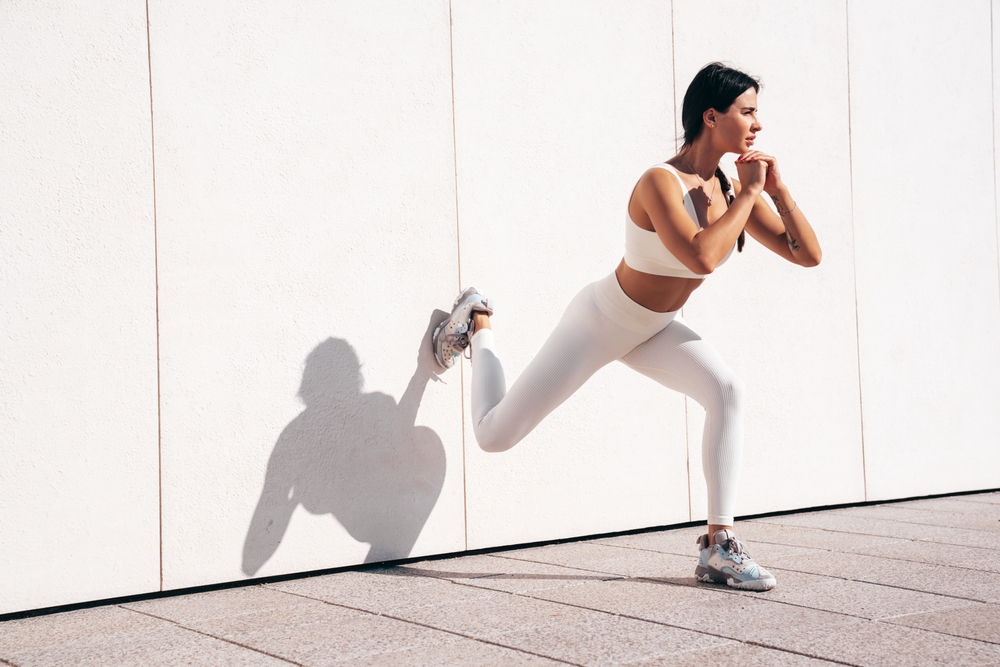
A Wall Pilates Exercise Library is a comprehensive reference catalog that organizes 50+ wall-based Pilates movements by body region, difficulty level, and training objective to help women over 40 build customized strength and flexibility workouts using only a vertical surface.
This library serves as your complete movement resource. Wall Pilates uses a wall as resistance and support equipment, transforming traditional Pilates exercises into accessible variations that reduce joint stress while maintaining exercise effectiveness. Research published in the journal Muscles, Ligaments and Tendons demonstrates that Pilates improves core strength, flexibility, and postural control through controlled, low-impact movements.
The library contains detailed instructions for each exercise including setup positioning, step-by-step execution, breathing patterns, form cues, common mistakes to avoid, and progressive variations. Every exercise can stand alone or combine with others to create full workout sequences targeting specific body regions or fitness goals.
How to Use This Exercise Library
Organization System: Body Part, Difficulty Level, and Goal
Exercises group into five main categories based on the primary body region they target:
Core-Focused Exercises (15 variations) strengthen your abdominal muscles, obliques, and deep stabilizers. These movements improve spinal support and balance.
Lower Body Exercises (18 variations) work your glutes, quadriceps, hamstrings, and inner/outer thighs. These build leg strength and hip stability through resistance-based movements.
Upper Body Exercises (12 variations) engage your chest, back, shoulders, and arms. These improve upper body strength and posture, addressing postural concerns and reducing upper body tension common in women over 40.
Full-Body Integration Exercises (10 variations) combine multiple muscle groups simultaneously. These create efficient, time-saving workouts.
Flexibility and Mobility Exercises (8 variations) increase range of motion and reduce muscle tension. These support injury prevention and recovery.
Within each category, exercises progress from beginner to intermediate to advanced difficulty levels. Beginners start with exercises that provide maximum wall support and simpler movement patterns. Intermediate exercises reduce support or add complexity. Advanced exercises challenge balance, coordination, and strength simultaneously.
What Each Exercise Description Includes
Every exercise in this library follows a consistent structure that makes learning straightforward:
Setup describes your starting position relative to the wall. You learn exactly where to place your hands or feet, how far to stand from the surface, and what body alignment to maintain.
Execution breaks down the movement into sequential steps. You follow the progression from start position through the working phase to the finishing position.
Breathing specifies when to inhale and when to exhale during each movement phase. Proper breathing timing enhances muscle engagement and prevents strain.
Form Cues highlight the most critical technical points. These prevent common errors and help you maintain quality movement throughout each repetition.
Common Mistakes reveal frequent pitfalls that reduce exercise effectiveness or increase injury risk. Knowing what to avoid helps you self-correct during practice.
Progressions and Regressions show how to make each exercise more challenging or more accessible. This ensures exercises remain appropriate as your strength changes.
Selecting Exercises for Your Specific Goals
Your fitness objective determines which exercises you prioritize:
For Core Strength: Focus on the 15 core-focused exercises. Start with pelvic tilts and heel slides, progress to planks and leg lowers as you build stability.
For Leg Toning: Emphasize the 18 lower body exercises. Wall squats, bridges, and lunges develop quad and glute strength. Inner and outer thigh exercises sculpt leg muscles.
For Posture Improvement: Choose upper body exercises that strengthen your back and shoulders. Wall angels, scapular slides, and reverse wall presses counteract slouching.
For Full-Body Fitness: Select integration exercises that work multiple regions simultaneously. Wall burpees, plank-to-pike, and mountain climbers elevate heart rate while building total-body strength.
For Flexibility: Prioritize mobility exercises including hip openers, shoulder stretches, and spinal roll-downs. These increase range of motion and reduce stiffness.
You can combine exercises from multiple categories to create balanced workouts addressing several goals simultaneously.
Progressive Difficulty: When to Advance
Start every new exercise at the beginner level regardless of your overall fitness. Wall Pilates demands precise body control and alignment that differs from other exercise forms. Spending two to three weeks mastering beginner variations builds the foundation for safe progression.
Advance to intermediate exercises when you can complete 12 to 15 repetitions of a beginner exercise while maintaining perfect form throughout every repetition. Your breathing stays smooth, your core remains engaged, and your body alignment doesn't deteriorate on the final reps.
Progress to advanced exercises when intermediate variations feel controlled and you can add 3-second holds at peak contraction without form breakdown. Advanced exercises challenge balance and coordination significantly, so ensure your foundation is solid before attempting them.
Always prioritize quality over difficulty. Performing 8 perfect beginner repetitions builds more strength than performing 15 sloppy intermediate repetitions.
Wall Pilates Form Fundamentals (Apply to All Exercises)
These fundamental principles apply across every exercise in this library. Master these basics before attempting specific movements.
Proper Wall Positioning and Body Alignment
Standing Against the Wall: Stand with your back touching the wall. Three points of contact matter most: the back of your head, your shoulder blades, and your tailbone. These should rest against the surface naturally without forcing excessive arching or flattening. Your neck maintains its natural curve with a small space between your lower back and the wall.
Lying with Feet on Wall: Position yourself close enough that when your feet press against the wall, your knees bend at 90-degree angles and your shins remain perpendicular to the floor. Your lower back presses into the floor beneath you with no arching. Too far from the wall creates excessive hamstring tension. Too close reduces the working range of motion.
Standing Facing the Wall: For exercises with hands on the wall, place your palms at shoulder height and shoulder-width apart. Walk your feet backward until your body forms a straight diagonal line from head to heels. Your hips don't sag toward the floor and your upper back doesn't round. This plank-like position engages your entire core.
Check your positioning at the start of every set. Small alignment errors compound over multiple repetitions, reducing exercise effectiveness and potentially causing discomfort.
Core Engagement: Finding Your Transverse Abdominis
Your transverse abdominis wraps horizontally around your midsection like an internal corset. This deep core muscle stabilizes your spine during all movements.
To locate and activate this muscle, place one hand on your lower abdomen. Imagine pulling your navel gently toward your spine without moving your pelvis. You should feel a subtle tightening beneath your hand, as if you're creating a flat surface across your belly.
The engagement feels subtle, not intense. You shouldn't hold your breath, brace hard like you're expecting a punch, or suck in your stomach dramatically. The contraction allows normal breathing while maintaining low-level constant tension.
This transverse abdominis engagement stays active throughout every exercise in this library. Initially, you'll need to consciously maintain it. After several weeks of practice, the activation becomes automatic, supporting your spine effortlessly during daily activities beyond your workouts.
Breathing Coordination: When to Inhale Versus Exhale
Breathing timing directly impacts exercise effectiveness. Proper breathing supports muscle engagement, prevents blood pressure spikes, and helps you maintain rhythm during repetitions.
Inhale During the Easier Phase: Breathe in through your nose during the preparation or lowering phase of movements. For example, inhale as you lower into a wall squat or as you slide your leg down the wall during heel slides. This phase requires less muscular effort.
Exhale During the Exertion Phase: Breathe out through your mouth during the challenging phase when muscles work hardest. For example, exhale as you press up from the bottom of a wall squat or as you lift your hips during a bridge. Exhalation naturally engages your core deeper, supporting spinal stability during maximum effort.
Never Hold Your Breath: Breath-holding increases blood pressure and reduces oxygen delivery to working muscles. If you catch yourself holding your breath during difficult exercises, that signals you need to reduce the difficulty level or decrease repetition speed. Quality breathing indicates appropriate exercise intensity.
Practice breathing coordination slowly with beginner exercises first. As the pattern becomes automatic, you can maintain it even during challenging advanced variations.
Controlled Movement Speed: 2-2-2 Tempo
Tempo refers to the speed you move through each exercise phase. The 2-2-2 tempo provides optimal muscle engagement without momentum assistance:
2 Seconds for the Working Phase: Take two full seconds to move through the concentric (muscle-shortening) phase. For a wall squat, spend two seconds lowering down. Count "one-one-thousand, two-one-thousand" in your mind.
2 Seconds for the Peak Hold: Pause for two seconds at maximum muscle contraction. In the wall squat, hold at the bottom position for two seconds before rising.
2 Seconds for the Return Phase: Take two full seconds to move through the eccentric (muscle-lengthening) phase. Press up from the bottom of your wall squat over two seconds.
This deliberate pace removes momentum that allows muscles to "rest" during movement. Your muscles work continuously throughout the entire repetition range, significantly increasing time under tension compared to faster, bouncy movements.
When exercises feel too easy at 2-2-2 tempo, progress to 3-3-3 or 4-4-4 tempo before adding more repetitions. Slower tempos increase difficulty without adding external resistance.
Quality Over Quantity Always
Form degradation signals that your muscles have reached their productive work limit for that set. Stop immediately when you notice:
Lower Back Arching Excessively: Your lower back shouldn't peel away from the wall or floor during core exercises. Excessive arching shifts work away from your abdominals onto your hip flexors and spine.
Shoulders Creeping Toward Your Ears: Shoulder elevation indicates neck and upper trap tension replacing proper shoulder and back muscle engagement.
Knees Caving Inward: During squats and lunges, your knees should track over your toes, not collapse toward the midline. Knee collapse stresses your joint structures.
Breathing Becoming Erratic or Held: If you can't maintain smooth, rhythmic breathing, you're working beyond your current capacity.
Movement Speed Increasing: If you start speeding up to complete repetitions, you're relying on momentum rather than muscle control.
When any of these occur, stop that set. Rest completely for 45 to 60 seconds, then begin a new set with proper form. Never sacrifice quality to achieve a target repetition number.
Core-Focused Exercises (15 Variations)
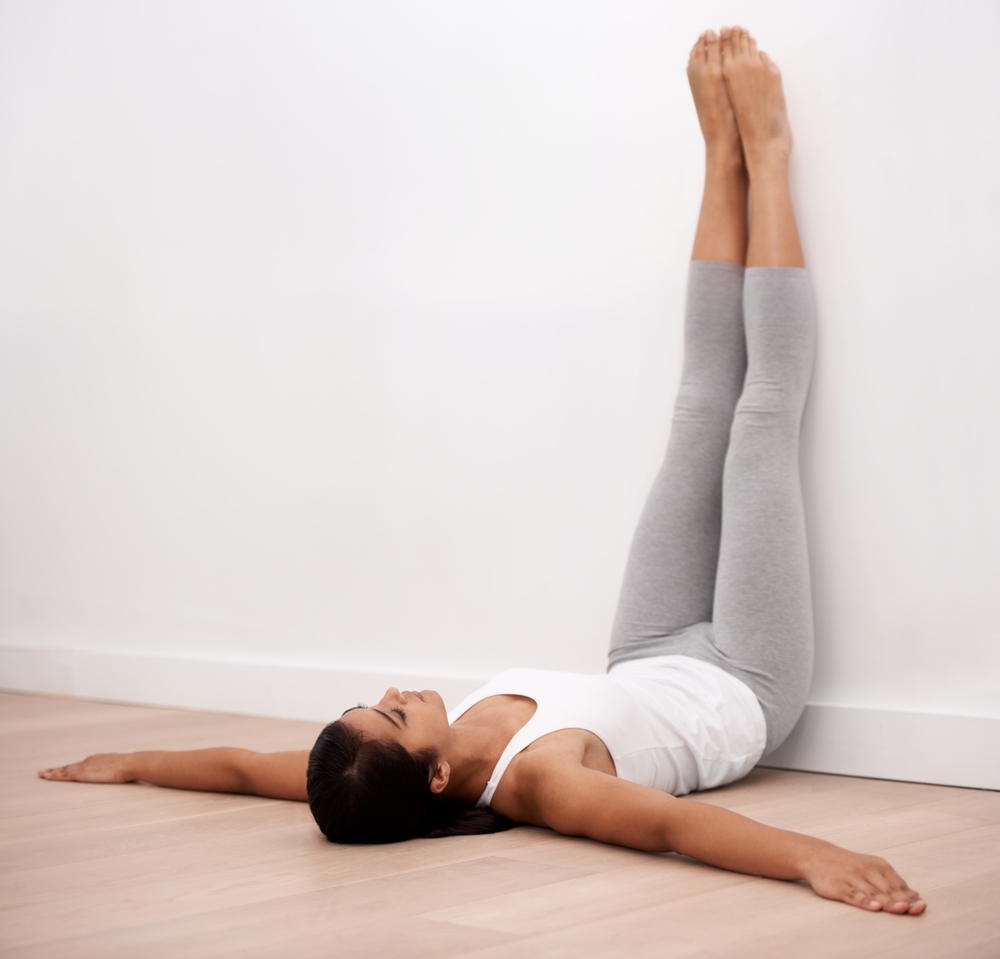
Core exercises strengthen your abdominal muscles, obliques, and deep spinal stabilizers. A strong core supports better posture, reduces lower back pain, and improves balance during daily activities.
Beginner Core Exercises
These five exercises provide the foundation for core strength development. Master these before progressing to intermediate variations.
Wall Sit with Core Engagement
Setup: Stand with your back flat against the wall. Walk your feet forward approximately two feet from the wall base. Your feet should be hip-width apart.
Execution: Slide your spine down the wall until your thighs reach parallel to the floor. Your knees stack directly over your ankles, creating 90-degree angles at your knee joints. Press your entire spine into the wall and pull your navel toward it, engaging your deep core muscles. Hold this static position for 20 to 30 seconds.
Breathing: Breathe naturally throughout the hold. Inhale through your nose for 3 counts, exhale through your mouth for 3 counts. Continue this pattern until your hold time completes.
Form Cues: Keep your weight in your heels, not your toes. Your knees should never drift forward past your toes. Maintain constant spine-to-wall contact without allowing your lower back to arch away from the surface.
Common Mistakes: Allowing knees to extend beyond toes places excessive stress on knee joints. Letting your lower back arch away from the wall disengages your core muscles. Holding your breath creates unnecessary tension.
Progressions: Increase hold duration to 45 or 60 seconds. Lift one heel slightly off the ground for 10 seconds, alternating sides. Place a stability ball between your knees and squeeze throughout the hold.
Pelvic Tilts Against the Wall
Setup: Stand with your back against the wall, feet hip-width apart and positioned approximately six inches from the wall base. Your knees stay soft, not locked.
Execution: Inhale and allow your lower back to arch slightly, creating a small space between your spine and the wall. Exhale and tilt your pelvis posteriorly, pressing your lower back flat against the wall. Your abdominal muscles contract as you tilt. Return to the slight arch position. Repeat this rocking motion for 12 to 15 repetitions.
Breathing: Inhale during the arch phase. Exhale during the posterior tilt when your abs contract.
Form Cues: The movement originates from your pelvis, not from pushing with your legs or pulling with your upper body. Keep your upper back and head in constant wall contact. The motion should feel smooth and controlled, not jerky.
Common Mistakes: Pushing so forcefully that your upper back lifts away from the wall. Moving too quickly, which reduces muscle engagement. Using leg drive rather than abdominal contraction to create the tilt.
Progressions: Add a 3-second hold at maximum tilt. Perform the movement standing away from the wall to remove support. Combine with arm movements, raising arms overhead during the arch and lowering during the tilt.
Heel Slides
Setup: Lie on your back with your feet flat against the wall and your knees bent at 90-degree angles. Your feet should be hip-width apart. Press your lower back into the floor beneath you.
Execution: Engage your core muscles, pulling your navel toward your spine. Slowly slide your right heel down the wall, straightening your leg while maintaining your lower back connection to the floor. Slide the heel back up to the starting 90-degree position. Alternate legs for 10 repetitions per side.
Breathing: Exhale as you slide the heel down. Inhale as you return to the starting position.
Form Cues: Your lower back must remain flat on the floor throughout the entire range of motion. The sliding motion happens slowly and controlled. Both hips stay level without rotating.
Common Mistakes: Allowing your lower back to arch off the floor as your leg extends. Sliding so far down the wall that maintaining back position becomes impossible. Moving too quickly, which relies on momentum rather than control. Rotating your pelvis as your leg moves.
Progressions: Slide both heels simultaneously rather than alternating. Hold the extended position for 3 seconds before returning. Perform the movement without the wall, lowering your leg toward the floor.
Wall Angels
Setup: Stand with your back, head, and arms against the wall. Position your feet about 4 inches from the wall base. Bend your elbows to 90 degrees with your upper arms parallel to the floor. Your arms create a "goal post" shape against the wall.
Execution: Slowly slide your arms up the wall, straightening them overhead while maintaining contact with the surface. All parts of your arms backs of hands, forearms, and elbows stay pressed to the wall throughout the movement. Lower back down with control to the starting goal post position. Complete 8 to 10 repetitions.
Breathing: Inhale as you slide your arms up. Exhale as you lower them down.
Form Cues: Keep your ribcage from flaring forward as your arms rise. Maintain the natural curve of your neck without forcing your head into the wall. Your shoulder blades should glide smoothly along the wall as your arms move.
Common Mistakes: Losing wall contact with your arms, especially your elbows, as they rise. Arching your lower back excessively to compensate for shoulder tightness. Allowing your head to push forward away from the wall.
Progressions: Hold small hand weights (1-2 pounds) to increase resistance. Pause for 3 seconds at the top position. Perform the movement while maintaining a wall sit position with your lower body.
Bent Knee Fallouts
Setup: Lie with your feet flat on the wall and your knees bent at 90 degrees. Your feet should be hip-width apart. Place your hands on your hip bones to monitor pelvic stability.
Execution: Keep your left foot planted against the wall. Slowly lower your right knee out to the side, allowing your foot to slide down and outward on the wall. Your core muscles work to keep your pelvis stable and prevent your lower back from arching. Your left leg remains motionless. Return your right knee to center. Repeat on the opposite side. Perform 8 repetitions per side.
Breathing: Exhale as you lower the knee outward. Inhale as you return to center.
Form Cues: Your pelvis shouldn't tilt, rotate, or shift as your leg moves. The motion comes from your hip joint, not from moving your pelvis. Your lower back maintains floor contact throughout.
Common Mistakes: Allowing your pelvis to roll toward the moving leg. Letting your lower back arch away from the floor. Moving too far into the fallout range before you can control the position. Using momentum to swing your leg rather than controlling the descent.
Progressions: Increase the range of motion as your hip mobility improves. Hold the fallout position for 5 seconds before returning. Perform both sides simultaneously (frog legs position).
Intermediate Core Exercises
Progress to these five exercises when beginner variations feel controlled and you can complete 12-15 repetitions with perfect form.
Single Leg Holds
Setup: Lie with your feet flat against the wall and your knees bent at 90 degrees. Press your lower back firmly into the floor.
Execution: Lift your right foot off the wall and draw your knee toward your chest until your thigh is vertical. Hold this position for 15 to 20 seconds while your left foot remains planted against the wall. Your lower back stays pressed into the floor throughout the hold. Lower your right foot back to the wall. Repeat with your left leg.
Breathing: Breathe naturally throughout the hold. Maintain steady rhythm without holding your breath.
Form Cues: Your pelvis remains level. The planted foot presses actively into the wall rather than resting passively. Your navel pulls toward your spine to engage deep core stabilizers.
Common Mistakes: Allowing your lower back to arch as the hold duration progresses. Letting your pelvis tilt or rotate. Holding your breath, which creates unnecessary tension.
Progressions: Extend the floating leg toward the ceiling instead of keeping the knee bent. Hold both legs off the wall simultaneously (tabletop position). Add small pulses with the lifted leg, moving it 2 inches toward and away from your chest.
Wall Plank Hold
Setup: Stand facing the wall at arm's length. Place your hands on the wall at shoulder height and shoulder-width apart. Walk your feet backward until your body forms a straight diagonal line from head to heels.
Execution: Engage your core to prevent your hips from sagging toward the floor or hiking upward. Your body maintains the same diagonal angle throughout the hold. Hold this position for 30 to 45 seconds while breathing normally. Push evenly through both hands to engage your chest and shoulder muscles.
Breathing: Breathe naturally throughout the hold. Inhale through your nose for 3 counts, exhale through your mouth for 3 counts.
Form Cues: Your head, spine, and legs form one continuous line. Your shoulder blades draw down away from your ears. Your hands press actively into the wall rather than just resting there.
Common Mistakes: Allowing hips to sag, which stresses your lower back. Hiking your hips too high, which reduces core engagement. Letting your head drop forward or crane upward. Holding your breath instead of breathing rhythmically.
Progressions: Walk your feet further back to increase the challenge. Lift one foot off the ground for 10 seconds, alternating sides. Shift to a standard plank position with forearms on the floor once wall variation becomes easy.
Leg Circles
Setup: Lie with your feet flat against the wall and your knees bent at 90 degrees. Press your lower back into the floor.
Execution: Lift your right leg off the wall and extend it toward the ceiling, pointing your foot. Draw small circles in the air, moving from your hip socket rather than your knee. Your leg traces a circular path approximately 8 to 10 inches in diameter. Complete 5 circles clockwise, then 5 circles counterclockwise. Your pelvis stays absolutely still while your leg moves. Lower your leg back to the wall. Repeat with your left leg.
Breathing: Breathe continuously throughout the circles. Don't hold your breath or match breathing to circle completion.
Form Cues: The circle motion originates from your hip, with your entire leg moving as one unit. Your pelvis doesn't rock, tilt, or rotate it remains anchored to the floor. Keep your pointed foot relaxed rather than cramping your toes.
Common Mistakes: Creating circles so large that pelvic stability is lost. Bending your knee during the circle, which reduces hip muscle engagement. Allowing your lower back to arch off the floor. Moving so quickly that control is lost and momentum takes over.
Progressions: Increase circle diameter gradually as control improves. Extend both legs and circle them simultaneously in opposite directions. Add ankle weights to increase resistance.
Roll-Ups
Setup: Lie on your back with your feet flat on the wall and your knees bent at 90 degrees. Extend your arms overhead along the floor, reaching away from your feet.
Execution: Inhale and lift your arms toward the ceiling, followed immediately by lifting your head and shoulder blades off the floor. Exhale and continue rolling up vertebra by vertebra, reaching your hands toward your feet while your lower back peels off the floor. Roll up as far as your flexibility allows, ideally reaching your hands past your knees. Pause briefly. Reverse the motion, rolling back down with control, placing one vertebra at a time back onto the floor. Repeat for 6 to 8 repetitions.
Breathing: Inhale to prepare and lift your arms. Exhale during the rolling up phase. Inhale at the top. Exhale during the rolling down phase.
Form Cues: The movement sequences smoothly from head to upper back to mid back to lower back. Avoid "crunching" your upper body forward. Use your abdominal muscles to peel your spine off the floor rather than using momentum or arm swing.
Common Mistakes: Using momentum to throw yourself up rather than controlling the roll. Holding your breath during the challenging portions. Letting your feet lose wall contact, which makes the movement easier but less effective. Rolling up so far that you feel strain in your lower back.
Progressions: Hold light hand weights (2-3 pounds) overhead to increase difficulty. Extend your legs straight up the wall instead of bent. Perform the full Pilates roll-up on the mat without wall support.
Crisscross
Setup: Lie with your feet flat on the wall and your knees bent at 90 degrees. Place your hands lightly behind your head, fingertips barely touching. Lift your head and shoulder blades off the floor.
Execution: Rotate your torso to bring your left elbow toward your right knee. Your right elbow points behind you as your torso rotates. Your gaze follows past your right elbow to maximize the twist. Return to center. Rotate to the opposite side, bringing your right elbow toward your left knee. Continue alternating sides for 8 to 10 repetitions per side.
Breathing: Exhale as you rotate to each side. Inhale as you return to center.
Form Cues: Keep your elbows wide, creating a frame around your head. The rotation comes from your ribcage turning, not from pulling your head with your hands or yanking your elbows forward. Your lower back maintains floor contact throughout. Your feet stay pressed into the wall without sliding.
Common Mistakes: Pulling on your neck with your hands, which can cause neck strain. Letting your elbows collapse forward rather than staying wide. Rotating by moving your elbow rather than your entire torso. Allowing momentum to create the twist rather than controlled muscle engagement.
Progressions: Lift both feet off the wall and extend your legs into tabletop position. Extend one leg straight while you twist toward the bent knee. Slow the tempo to 3 seconds per rotation.
Advanced Core Exercises
Attempt these five exercises only after mastering intermediate variations. These challenge stability, coordination, and strength simultaneously.
Double Leg Lowers
Setup: Lie on your back with both legs extended straight up the wall. Your arms rest by your sides, palms pressing into the floor.
Execution: Press your lower back firmly into the floor. Slowly lower both legs together down the wall, keeping them straight. Stop before your lower back begins to arch away from the floor. Hold briefly, then lift your legs back up the wall with control. Start with small ranges of motion, perhaps lowering just 12 to 18 inches. As your core strength increases, you can lower further. Perform 6 to 8 repetitions.
Breathing: Inhale at the top. Exhale as you lower your legs. Inhale as you lift them back up.
Form Cues: Your lower back must maintain floor contact. The moment it starts to arch, you've reached your current range limit. Your legs move as one unit, staying pressed together. The motion happens slowly and controlled taking 4 seconds to lower and 4 seconds to lift.
Common Mistakes: Lowering too far, which causes lower back arching and shifts work away from abdominals. Moving too quickly, which relies on momentum. Bending your knees, which makes the exercise significantly easier. Holding your breath during the challenging portions.
Progressions: Gradually increase the range until you can lower legs almost to horizontal. Perform without the wall, lowering toward the floor instead. Add ankle weights for additional resistance.
Wall Plank with Leg Lifts
Setup: Set up in a wall plank position with your hands pressed against the wall at shoulder height, body forming a straight diagonal line from head to heels.
Execution: Once stable in the plank position, lift your right foot 6 to 8 inches off the ground. Hold this single-leg position for 10 seconds. Your hips stay level without rotating or hiking up on one side. Lower your right foot back to the floor. Lift your left foot and hold for 10 seconds. Complete 5 lifts per side, alternating.
Breathing: Breathe naturally throughout each hold. Maintain steady rhythm.
Form Cues: Your hips remain level as if balancing a cup of water on your lower back. Your planted foot presses firmly into the ground to maintain stability. Your shoulder blades stay drawn down away from your ears. Your neck maintains neutral alignment with your spine.
Common Mistakes: Allowing your hips to rotate toward the ceiling as you lift your leg. Hiking the hip of the lifted leg upward. Letting your supporting leg's knee bend. Dropping your head forward or craning it back.
Progressions: Increase hold time to 15 or 20 seconds per leg. Add small pulses with the lifted leg, moving it up and down 2 inches. Transition to a standard plank position with hands on the floor.
Reverse Plank Against Wall
Setup: Sit on the floor facing away from the wall. Place your feet flat against the wall with your knees bent at 90 degrees. Position your hands on the floor behind you, shoulder-width apart, with fingers pointing toward your body. Your hands should be roughly 12 inches behind your hips.
Execution: Press through your palms and your feet simultaneously to lift your hips off the floor. Continue lifting until your body creates a straight line from your knees to your shoulders. Your knees stay bent at 90 degrees with your shins pressing into the wall. Hold this position for 20 to 30 seconds. Lower back down with control.
Breathing: Breathe naturally throughout the hold. Don't hold your breath.
Form Cues: Your chest opens toward the ceiling. Your shoulder blades squeeze together behind you. Your hips press upward actively rather than sagging. Your feet press firmly into the wall to maintain leg stability.
Common Mistakes: Letting your head drop back excessively, which strains your neck. Allowing your hips to sag below the knee-to-shoulder line. Locking your elbows in hyperextension. Holding your breath, which creates unnecessary tension.
Progressions: Extend one leg straight out from the wall while maintaining hip height. Straighten both legs so your heels press into the wall instead of your full feet. Hold light dumbbells to increase upper body work.
Side Plank with Wall Support
Setup: Lie on your right side perpendicular to the wall, with both feet stacked and pressed against it. Prop yourself up on your right forearm with your elbow positioned directly under your shoulder.
Execution: Press your feet into the wall and lift your hips off the ground until your body forms a straight line from your head to your feet. Your right forearm and the outer edge of your right foot support your body weight. Hold this position for 20 to 30 seconds. Lower with control. Switch to your left side and repeat.
Breathing: Breathe naturally throughout the hold. Maintain steady rhythm.
Form Cues: Your hips stay lifted in line with your shoulders and feet no sagging or hiking. Your top shoulder stacks directly over your bottom shoulder. Your head maintains neutral alignment with your spine. Your feet press actively into the wall rather than just resting there.
Common Mistakes: Allowing your hips to sag toward the floor, which reduces oblique engagement. Letting your top shoulder roll forward or backward instead of stacking vertically. Holding your breath. Keeping your neck in a strained position rather than neutral.
Progressions: Lift your top leg away from the bottom leg while maintaining hip height. Extend your top arm straight up toward the ceiling. Hold a light dumbbell at your side. Transition to a side plank on the floor without wall support.
Teaser Prep
Setup: Lie on your back with your feet flat against the wall and your knees bent at 90 degrees. Extend your arms forward at shoulder height, parallel to the floor.
Execution: Engage your core deeply. Roll up to a seated position by peeling your spine off the floor vertebra by vertebra. Continue rolling up until only your tailbone contacts the floor and your body forms a V-shape. Your legs remain in the bent position against the wall. Hold this V-shape for 10 to 15 seconds while pulling your navel toward your spine. Roll back down with control, placing your spine on the floor vertebra by vertebra. Repeat 5 times.
Breathing: Exhale as you roll up. Hold your breath briefly at the top. Inhale as you roll back down.
Form Cues: Keep your chest lifted and shoulders down throughout the hold. Your arms reach forward actively rather than hanging limply. Balance on your tailbone, not on your lower or mid back. Your abdominal muscles stay engaged throughout you shouldn't feel strain in your hip flexors.
Common Mistakes: Rolling back onto your lower or mid back instead of balancing on your tailbone. Rounding your shoulders forward, which collapses your chest. Using momentum to throw yourself up rather than controlling the roll. Holding the position in your hip flexors rather than your abdominals.
Progressions: Hold the V-position for 20 to 30 seconds. Extend your legs straight toward the ceiling during the hold (full teaser). Perform multiple pulses at the top position before lowering. Remove wall support and perform the full teaser on the mat.
Sample Core-Only Sequence
Combine these movements into a focused 12-minute core session that progresses through difficulty levels:
Warm-Up Phase (2 minutes):
- Pelvic Tilts: 15 repetitions to activate deep core muscles
- Heel Slides: 10 repetitions per leg to engage lower abdominals
Strength Phase (7 minutes):
- Wall Sit with Core Engagement: 30-second hold, rest 30 seconds, repeat 3 times
- Single Leg Holds: 20 seconds per side, rest 20 seconds, repeat 2 times per side
- Leg Circles: 5 circles each direction per leg, rest 30 seconds, repeat twice
- Crisscross: 10 repetitions per side, rest 30 seconds, repeat twice
Finishing Phase (3 minutes):
- Wall Plank Hold: 30 seconds, rest 30 seconds, repeat 3 times
- Bent Knee Fallouts: 8 repetitions per side to release hip tension
Rest 60 seconds between phases. Complete this sequence 2 to 3 times per week for progressive core strength development.
Lower Body Exercises (18 Variations)

Lower body exercises strengthen your glutes, quadriceps, hamstrings, and inner/outer thigh muscles. Strong legs improve daily movement quality, support joint health, and boost metabolism.
Glute-Focused Exercises
These six exercises specifically target your gluteal muscles the powerhouse muscle group responsible for hip extension, stability, and lower body strength.
Wall Bridge
Setup: Lie on your back with your feet flat against the wall and your knees bent at 90-degree angles. Your feet should be hip-width apart. Place your arms by your sides, palms pressing into the floor.
Execution: Press through your heels to lift your hips off the floor until your body forms a straight line from your shoulders to your knees. Squeeze your glutes hard at the top position and hold for 2 seconds. Lower your hips back down with control, stopping just before your tailbone touches the floor. Immediately press back up. Complete 12 to 15 repetitions.
Breathing: Inhale as you lower down. Exhale as you press up and squeeze your glutes.
Form Cues: Your weight stays distributed across your shoulder blades, never on your neck. At the top position, your knees, hips, and shoulders form a straight line don't overarch your lower back by lifting too high. Your feet press into the wall throughout the entire movement.
Common Mistakes: Lifting your hips so high that your lower back overarches. Placing weight on your neck instead of your shoulder blades. Pushing through your toes instead of your heels, which shifts work to your quads. Letting your knees fall inward during the press.
Progressions: Lift one foot off the wall and perform single-leg bridges for 8 repetitions per side. Place a resistance band around your thighs just above your knees and press outward against it during each rep. Hold the top position for 5 seconds instead of 2.
Single-Leg Kickbacks
Setup: Start in the wall bridge top position with your hips lifted and your body forming a straight line from shoulders to knees.
Execution: Maintaining this elevated hip position, bend your right knee and pull it toward your chest. Tap your right foot lightly on the mat, then extend your leg back to press your foot against the wall. Your hips stay lifted at the same height throughout. Complete 10 taps per leg without lowering your hips between repetitions.
Breathing: Exhale as you tap your foot down. Inhale as you return your foot to the wall.
Form Cues: Your pelvis remains level it shouldn't drop or rotate as your leg moves. The tapping motion comes from your knee bending and straightening, not from dropping your hips. Both glutes stay engaged throughout, with the planted leg working hard to maintain hip height.
Common Mistakes: Allowing your hips to drop when you tap your foot down. Letting your pelvis rotate toward the moving leg. Rushing through repetitions, which reduces muscle engagement. Resting between taps rather than maintaining continuous tension.
Progressions: Extend your leg fully behind you instead of tapping the floor. Add small pulses at the extended position. Slow the tempo to 3 seconds per tap-and-return cycle.
Wall Squat Hold
Setup: Stand with your back against the wall. Walk your feet forward approximately two feet from the wall base. Your feet should be hip-width apart.
Execution: Slide down the wall until your thighs reach parallel to the floor. Your knees stack directly over your ankles. Hold this position for 45 to 60 seconds while actively pressing your feet into the ground. Your glutes and quadriceps work together to maintain the position without movement.
Breathing: Breathe naturally throughout the hold. Maintain steady rhythm.
Form Cues: Keep your weight concentrated in your heels rather than your toes. Your knees track over your toes without caving inward. Your entire spine presses into the wall behind you. Your chest stays lifted.
Common Mistakes: Allowing your weight to shift forward onto your toes. Letting your knees drift beyond your toes, which stresses knee joints. Holding your breath instead of breathing steadily. Coming up from the position when the burn starts rather than maintaining the hold.
Progressions: Increase hold duration to 90 or 120 seconds. Add 20 small pulses at the bottom position, moving up and down just 2 inches. Hold a weighted object at your chest for added resistance.
Glute March
Setup: Lie with your feet flat on the wall and your knees bent at 90 degrees. Lift your hips into the bridge top position, creating a straight line from shoulders to knees.
Execution: Maintaining elevated hips, slowly lift your right foot off the wall and hold it in the air for 3 seconds. Your knee stays bent at 90 degrees. Place your right foot back on the wall. Immediately lift your left foot and hold for 3 seconds. Continue alternating legs for 10 repetitions per side. Your hips remain perfectly level throughout they don't drop or rotate as legs change.
Breathing: Breathe naturally throughout. Don't hold your breath during the holds.
Form Cues: Your hips stay at the same height whether both feet are planted or one foot is lifted. The planted leg's glute works intensely to maintain stability. Your pelvis doesn't tilt or twist.
Common Mistakes: Allowing your hips to drop when you lift one foot. Letting your pelvis rotate toward the planted leg. Moving too quickly, which reduces the stability challenge. Holding your breath during the challenging portions.
Progressions: Hold each lifted leg for 5 seconds instead of 3. Extend the lifted leg straight instead of keeping the knee bent. Add small circles with the lifted foot while maintaining hip height.
Wide Stance Wall Squat
Setup: Stand with your back against the wall. Position your feet wider than hip-width apart approximately 1.5 times your hip width. Turn your toes out at roughly 45-degree angles.
Execution: Slide down the wall until your thighs reach parallel to the floor. Your knees track over your toes in the direction your feet point. Hold this position for 30 seconds while pressing your knees outward against an imaginary resistance. This external rotation emphasis targets your glute medius, the muscle responsible for hip stability. Press through your heels to stand back up. Repeat for 3 sets.
Breathing: Breathe naturally throughout each hold.
Form Cues: Your knees press outward throughout the hold they shouldn't collapse inward toward the midline. Your entire spine maintains wall contact. Your chest stays lifted rather than rounding forward.
Common Mistakes: Allowing your knees to cave inward, which shifts work away from your glutes. Letting your feet turn out so far that proper depth becomes difficult. Tucking your tailbone under excessively, which rounds your lower back.
Progressions: Increase hold time to 45 or 60 seconds. Add pulses at the bottom position. Hold a medicine ball at chest height for added resistance.
Elevated Bridge Pulses
Setup: Lie on your back with your feet flat against the wall and your knees bent at 90 degrees. Press up into the bridge top position with your hips fully elevated.
Execution: From this elevated position, lower your hips just 3 inches toward the floor, then press back up to full height. This small range of motion keeps your glutes under constant tension. Perform 20 to 25 small pulses without resting your hips on the floor between repetitions. Your glutes never fully relax.
Breathing: Breathe steadily throughout the pulses. Avoid holding your breath.
Form Cues: The movement range stays small only 3 inches down and back up. Your shoulder blades maintain floor contact throughout. Each pulse finishes with a strong glute contraction at the top.
Common Mistakes: Using too large a range of motion, which allows momentary rest at the bottom. Moving so quickly that control is lost. Letting your lower back arch excessively at the top. Holding your breath during the burn.
Progressions: Increase pulse count to 30 or 40 repetitions. Perform single-leg pulses for 15 repetitions per side. Place a resistance band around your thighs for additional glute activation.
Quadriceps-Focused Exercises
These six exercises emphasize your quadriceps muscles on the front of your thighs, which are essential for knee stability and daily movements like climbing stairs and standing from seated positions.
Basic Wall Squat
Setup: Stand with your back flat against the wall, feet hip-width apart and positioned approximately 18 inches from the wall base. Your toes point forward.
Execution: Slide down the wall by bending your knees until they reach 90-degree angles. Your thighs should be parallel to the floor. Hold this position for 20 seconds. Press through your heels to slide back up the wall to standing. Rest briefly. Complete 10 repetitions.
Breathing: Inhale as you slide down. Hold breathing naturally during the static hold. Exhale as you press back up.
Form Cues: Keep your chest lifted and your core engaged throughout the movement. Your knees track over your toes without caving inward or splaying outward. Your entire back maintains contact with the wall.
Common Mistakes: Allowing your knees to extend beyond your toes. Letting your heels lift off the floor. Rounding your shoulders forward. Coming up before reaching the full 20-second hold.
Progressions: Increase hold time to 30 or 45 seconds. Add arm movements, extending your arms forward or raising them overhead during the hold. Step your feet further from the wall to increase the challenge.
Wall Sit with Heel Raises
Setup: Position yourself in the wall squat hold position with your thighs parallel to the floor and your knees bent at 90 degrees.
Execution: From this hold position, lift both heels off the ground and rise onto the balls of your feet. Hold this elevated position for 3 seconds, then lower your heels back down. Repeat 12 times while maintaining your squat depth throughout. Your thighs should burn significantly by the final few repetitions.
Breathing: Breathe naturally throughout. Exhale as you lift your heels. Inhale as you lower them.
Form Cues: Your squat depth remains constant your hips don't rise as you lift your heels. Your weight shifts forward onto the balls of your feet during the raise, but your knees stay stacked over your ankles. Your calves contract hard at the top of each raise.
Common Mistakes: Allowing your hips to rise when you lift your heels, which reduces quad work. Losing balance and shifting your weight side to side. Rushing through repetitions. Only lifting your heels slightly rather than rising fully onto the balls of your feet.
Progressions: Increase repetition count to 15 or 20. Hold the raised position for 5 seconds instead of 3. Perform single-leg heel raises, lifting only one heel at a time.
Sliding Lunges
Setup: Stand facing away from the wall. Place your right foot behind you with your toes on the wall at approximately knee height. Your left foot stays planted on the floor about 2 feet from the wall. Your torso stays upright.
Execution: Bend your left knee to lower down into a lunge position. As you descend, your right foot slides down the wall. Continue lowering until your left thigh reaches parallel to the floor and your left knee stacks over your ankle. Press through your left heel to return to standing, allowing your right foot to slide back up the wall. Complete 10 repetitions on your left leg, then switch sides.
Breathing: Inhale as you lower into the lunge. Exhale as you press back up to standing.
Form Cues: Your front knee tracks over your toes without caving inward. Your torso remains upright rather than leaning forward. Your back foot slides smoothly down and up the wall rather than catching or jerking.
Common Mistakes: Allowing your front knee to cave inward. Letting your front knee extend beyond your toes. Leaning your torso forward excessively. Pushing off your back leg rather than driving through your front heel.
Progressions: Hold light dumbbells at your sides for added resistance. Slow the tempo to 3 seconds down and 3 seconds up. Add a 2-second pause at the bottom of each lunge.
Static Lunge Hold
Setup: Set up in the sliding lunge bottom position with your front thigh parallel to the floor and your front knee stacked over your ankle. Your back foot presses into the wall behind you.
Execution: Hold this static lunge position for 30 to 45 seconds. Your front leg's quadriceps work continuously to maintain the position without movement. Keep your torso upright and your core engaged throughout the hold. Press back up to standing. Rest briefly, then switch legs and repeat.
Breathing: Breathe naturally throughout the hold. Maintain steady rhythm.
Form Cues: Your front knee stays directly over your ankle without drifting forward. Your back foot presses actively into the wall to provide stability. Your hips stay level rather than rotating or tilting.
Common Mistakes: Allowing your torso to lean forward over your front knee. Letting your front knee drift forward beyond your toes as fatigue sets in. Holding your breath instead of breathing steadily. Coming up before completing the full hold time.
Progressions: Increase hold time to 60 seconds. Hold dumbbells at your sides. Add small pulses, moving up and down 2 inches while maintaining the lunge position.
Wall Squat with Alternating Knee Lifts
Setup: Lower yourself into the wall squat position with your thighs parallel to the floor and your knees bent at 90 degrees.
Execution: From this hold position, lift your right foot off the ground and bring your knee higher toward your chest. Hold for 2 seconds while your left leg supports you in the squat position. Return your right foot to the floor. Immediately lift your left foot and hold for 2 seconds. Continue alternating legs for 16 total lifts, 8 per side. Your supporting leg's quadriceps work intensely to maintain squat depth while balancing on one leg.
Breathing: Breathe naturally throughout. Don't hold your breath during the challenging portions.
Form Cues: Your supporting leg maintains the same squat depth whether both feet are down or one foot is lifted. Your weight stays centered over your supporting foot. Your torso remains upright against the wall.
Common Mistakes: Allowing your hips to rise when you lift one foot. Letting your supporting knee cave inward. Rocking side to side to shift weight. Coming up from the squat depth as fatigue increases.
Progressions: Hold each lifted knee for 4 seconds instead of 2. Extend the lifted leg straight out in front of you. Add pulses with the supporting leg, moving up and down 2 inches.
Tempo Squats
Setup: Stand with your back against the wall, feet hip-width apart and approximately 18 inches from the wall base.
Execution: Use an exaggerated slow tempo for each repetition. Take 4 full seconds to slide down the wall into your squat position. Hold at the bottom position with thighs parallel to the floor for 4 seconds. Take 4 full seconds to press back up to standing. This completes one repetition. Complete 6 repetitions with this slow tempo. Rest 30 seconds. Perform 3 sets total.
Breathing: Inhale during the 4-second descent. Hold breathing naturally during the 4-second bottom hold. Exhale during the 4-second ascent.
Form Cues: Count slowly in your mind: "one-one-thousand, two-one-thousand, three-one-thousand, four-one-thousand" for each phase. The motion happens smoothly without stopping or speeding up during any portion. Your muscle engagement feels continuous throughout the entire 12-second repetition.
Common Mistakes: Speeding up during the challenging portions. Not reaching true parallel depth at the bottom. Resting at the top or bottom positions instead of maintaining tension. Holding your breath during the descent or ascent.
Progressions: Extend the tempo to 5-5-5 or 6-6-6. Hold light dumbbells at your chest. Increase repetition count to 8 or 10.
Hamstring-Focused Exercises
These three exercises target the muscles on the back of your thighs, which are often underdeveloped compared to quadriceps and contribute to knee stability and hip extension power.
Wall Hamstring Curls
Setup: Lie on your back with both heels pressed into the wall and your legs straight. Your feet should be hip-width apart. Place your arms by your sides, palms pressing into the floor.
Execution: Lift your hips off the floor into a bridge position, creating a straight line from your shoulders to your heels. From this elevated position, bend your knees to slide your heels down the wall, drawing them toward your glutes. Your hips stay lifted throughout. Straighten your legs back up the wall by pressing through your heels. Complete 12 to 15 repetitions without lowering your hips.
Breathing: Exhale as you bend your knees and curl your heels down. Inhale as you straighten your legs back up.
Form Cues: Your hamstrings work to pull your heels down the wall while your glutes keep your hips elevated. Maintain a neutral spine throughout without overarching your lower back. Your heels maintain firm wall contact as they slide.
Common Mistakes: Allowing your hips to drop as you curl your heels. Overarching your lower back at the top position. Losing wall contact with your heels. Moving so quickly that momentum rather than muscle creates the curl.
Progressions: Slow the tempo to 3 seconds down and 3 seconds up. Add a 2-second pause with heels pulled close to glutes. Increase repetition count to 18 or 20.
Single-Leg Wall Curls
Setup: Lie on your back with only your right heel on the wall, leg straight. Extend your left leg straight out in line with your right leg but not touching the wall.
Execution: Lift your hips into a bridge position. From this elevated position, bend your right knee to curl your right heel down the wall toward your glutes. Your left leg stays extended straight in the air. Press through your right heel to straighten your leg back up the wall. Perform 8 repetitions on your right leg, then switch sides. This unilateral variation significantly increases the demand on your working hamstring.
Breathing: Exhale as you curl. Inhale as you extend.
Form Cues: Your hips stay level despite having only one foot on the wall. Your extended leg remains straight and stable in the air. Your working hamstring contracts hard during the curl phase.
Common Mistakes: Allowing your hips to rotate or drop toward the extended leg side. Bending the non-working leg rather than keeping it straight. Using too much glute and not enough hamstring. Lowering your hips between repetitions.
Progressions: Hold the curled position for 3 seconds before extending. Add small pulses at the fully curled position. Point and flex the foot of your extended leg to increase core stability demand.
Hamstring Stretch with Resistance
Setup: Lie on your back with your right leg extended up the wall and your left leg bent with foot flat on the floor. Your right leg should be as straight as comfortable.
Execution: Flex your right foot, pulling your toes toward your shin. Gently press your right heel into the wall as if trying to push it away from you. This creates an isometric contraction in your hamstring. Hold this press for 5 seconds. Release the press and let your leg rest against the wall for 5 seconds while actively trying to relax deeper into the stretch. Repeat this contract-relax pattern 6 times, then switch legs.
Breathing: Breathe naturally throughout. Don't hold your breath during the contraction.
Form Cues: The pressing force feels moderate about 40-50% of your maximum effort. Your entire leg stays straight during the press. Your lower back maintains floor contact throughout.
Common Mistakes: Pressing so hard that your lower back arches off the floor. Bending your knee during the contraction. Not fully relaxing during the rest phase. Holding your breath during the press.
Progressions: Hold each contraction for 8 seconds. Increase repetition count to 8 or 10. Move your leg higher up the wall to increase stretch intensity.
Inner and Outer Thigh Exercises
These three exercises strengthen the muscles responsible for moving your legs away from and toward your body's midline, which are essential for hip stability and knee alignment.
Wall Abduction
Setup: Lie on your left side perpendicular to the wall with both feet pressed against it and your legs straight. Your body forms a straight line from head to feet. Prop yourself up on your left forearm.
Execution: Keep your left leg pressed against the wall as an anchor. Slide your right leg up the wall, lifting it away from your left leg. Your outer right hip muscles work to lift the leg against gravity and wall resistance. Raise your leg as high as your hip mobility allows while maintaining body alignment. Lower back down with control until your legs reunite. Complete 12 repetitions, then switch sides.
Breathing: Exhale as you lift your leg up the wall. Inhale as you lower it back down.
Form Cues: Your body maintains the same straight alignment throughout don't roll your hip forward or backward as your leg lifts. The lift comes from your hip, not from tilting your pelvis. Your top leg stays straight with a slight knee softness.
Common Mistakes: Rolling your hip forward to cheat the leg higher. Bending your lifting leg's knee. Tilting your entire body rather than isolating the hip movement. Using momentum to swing the leg up.
Progressions: Hold the top position for 3 seconds before lowering. Add ankle weights for increased resistance. Perform small pulses at the top of the range.
Seated Wall Squeeze
Setup: Sit with your back against the wall, knees bent, and feet flat on the floor hip-width apart. Place a small pillow, yoga block, or rolled towel between your knees.
Execution: Squeeze your knees together, pressing into the object between them. Apply steady pressure for 5 seconds, engaging your inner thigh muscles. Release slightly but maintain light pressure don't let the object drop. Repeat 15 times. The wall support allows you to focus entirely on the squeezing action without worrying about balance or posture.
Breathing: Exhale as you squeeze. Inhale as you release slightly.
Form Cues: Your feet stay flat on the floor throughout. Your back maintains contact with the wall behind you. The squeeze intensity feels moderate about 60% of maximum effort.
Common Mistakes: Squeezing so lightly that minimal muscle engagement occurs. Fully releasing pressure between squeezes, which allows rest. Letting your feet lift or twist. Holding your breath during the squeeze.
Progressions: Increase hold time to 8 or 10 seconds per squeeze. Use a firmer object that requires more force to compress. Lift your heels off the floor during the squeeze.
Standing Leg Circles
Setup: Stand sideways to the wall with your right hand resting on it lightly for balance. Your feet start together with weight primarily on your right leg.
Execution: Lift your left leg slightly off the ground approximately 6 inches. Draw small controlled circles in the air with your foot. Complete 8 circles moving clockwise, then 8 circles moving counterclockwise. Your inner and outer thigh muscles stabilize your leg as it moves through different angles and positions. Lower your left leg. Switch sides, placing your left hand on the wall and circling your right leg.
Breathing: Breathe naturally throughout the circles. Don't hold your breath.
Form Cues: The circles originate from your hip joint, not from swinging your knee or ankle. Keep the circles small approximately 12 inches in diameter. Your standing leg remains straight with a soft knee, not locked. Your torso stays upright without leaning.
Common Mistakes: Creating circles so large that balance is lost. Swinging from your knee rather than moving from your hip. Locking your standing leg's knee joint. Leaning your torso to compensate for limited hip mobility.
Progressions: Increase circle diameter gradually. Increase repetition count to 12 per direction. Perform without wall support once balance improves. Add ankle weights.
Sample Lower Body Sequence
This 20-minute comprehensive circuit addresses all major lower body muscle groups through progressive exercise selection:
Warm-Up (2 minutes):
- Basic Wall Squats: 12 repetitions to prepare leg muscles
- Pelvic Tilts: 10 repetitions to activate core stabilizers
Circuit (14 minutes, complete twice):
- Wall Bridges: 15 repetitions focusing on glute engagement
- Single-Leg Kickbacks: 10 repetitions per side without hip drop
- Sliding Lunges: 10 repetitions per leg emphasizing front leg drive
- Wall Hamstring Curls: 12 repetitions maintaining elevated hips
- Wall Abduction: 12 repetitions per side with controlled tempo
- Seated Wall Squeezes: 15 repetitions with 5-second holds
Rest 45 seconds between exercises. Rest 90 seconds between circuit rounds.
Cool-Down (4 minutes):
- Hamstring Stretch with Resistance: 6 contract-relax cycles per leg
- Standing Leg Circles: 8 circles each direction per leg for hip mobility
Research published in the Journal of Bodywork and Movement Therapies demonstrates that 12 weeks of Pilates training significantly improves postural balance, muscle strength, and functional performance in older women, with participants showing measurable improvements in leg strength and mobility.
Upper Body Exercises (12 Variations)
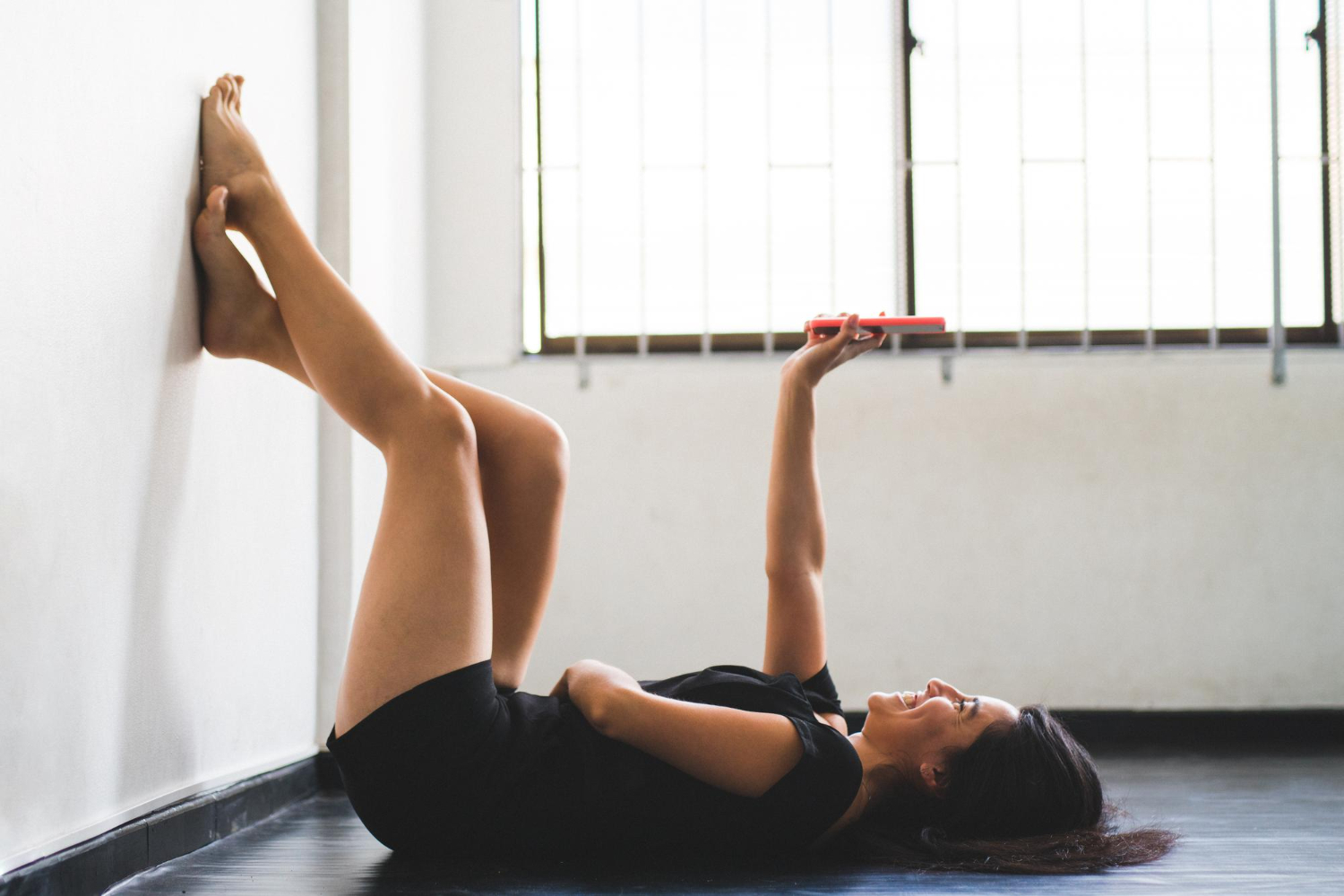
Upper body exercises strengthen your chest, back, shoulders, and arms while improving posture and reducing upper body tension common in women over 40.
Chest and Arm Exercises
These six exercises target your pectoral muscles, triceps, and biceps while engaging shoulder stabilizers.
Wall Push-Ups
Setup: Stand facing the wall at arm's length. Place your hands on the wall at chest height and shoulder-width apart. Walk your feet backward until your body forms a diagonal line from head to heels.
Execution: Engage your core to maintain the straight body line. Bend your elbows to lower your chest toward the wall, keeping your body rigid like a plank. Your elbows should travel backward at approximately 45-degree angles from your body, not flaring straight out to the sides. Press through your palms to push back to the starting position. Complete 12 to 15 repetitions.
Breathing: Inhale as you lower toward the wall. Exhale as you press back to starting position.
Form Cues: Your body moves as one unit hips don't sag toward the floor or pike upward. Your head stays neutral in line with your spine. Your hands press into the wall actively throughout the movement.
Common Mistakes: Letting your hips sag, which stresses your lower back. Allowing your elbows to flare straight out to the sides, which stresses shoulders. Moving your head forward rather than maintaining neutral neck alignment. Performing only partial range of motion by not bringing your chest close to the wall.
Progressions: Step your feet further back to increase the challenge. Slow the tempo to 3 seconds down and 3 seconds up. Perform diamond push-ups with hands closer together. Transition to push-ups with hands on a bench or step once wall version becomes easy.
Tricep Wall Press
Setup: Face the wall and place your hands higher than shoulder height with fingers pointing upward. Position your hands slightly narrower than shoulder-width. Step your feet back until your body forms a diagonal angle.
Execution: Bend your elbows straight backward, keeping them close to your sides as you lower your face and chest toward the wall. Your elbows point directly behind you rather than flaring out to the sides. This elbow position emphasizes tricep engagement. Press back up by straightening your arms. Perform 10 to 12 repetitions.
Breathing: Inhale as you lower. Exhale as you press up.
Form Cues: Your elbows stay close to your body throughout, brushing your ribcage as they bend. Your body maintains a straight line from head to heels. Your forearms remain perpendicular to the wall as your elbows bend.
Common Mistakes: Allowing your elbows to flare out to the sides, which shifts work to your chest and shoulders. Letting your body angle become too upright, which reduces difficulty. Losing core engagement and allowing your hips to sag.
Progressions: Position your hands even closer together. Step your feet further back. Add a 2-second pause at the bottom position. Hold light weights in your hands.
Chest Fly Against Wall
Setup: Stand with your right side against the wall. Extend your right arm at shoulder height, pressing your palm and entire arm against the surface. Your palm faces forward with fingers pointing upward.
Execution: Press your entire arm into the wall, creating resistance without any visible movement. Imagine you're trying to push the wall away using only chest muscle engagement. Hold this isometric contraction for 10 seconds. You should feel your pectoral muscle contract strongly. Release the pressure. Rest briefly. Repeat 8 times, then switch sides.
Breathing: Breathe naturally throughout each press. Don't hold your breath.
Form Cues: Your shoulder stays down away from your ear. Your entire arm from shoulder to hand maintains wall contact. The pressing force feels steady and constant, not pulsing.
Common Mistakes: Holding your breath during the press. Letting your shoulder hike up toward your ear. Rotating your torso toward the wall to create the press rather than isolating your chest. Pressing so lightly that minimal muscle engagement occurs.
Progressions: Increase hold time to 15 seconds. Vary arm height (low, middle, high) to target different pectoral fibers. Increase press intensity to 80% of maximum effort.
Wall Plank Shoulder Taps
Setup: Set up in wall plank position with your hands on the wall at shoulder height, shoulder-width apart, and your body forming a straight diagonal line.
Execution: Shift your weight slightly onto your left hand. Lift your right hand from the wall and tap your left shoulder. Return your right hand to the wall. Shift weight onto your right hand. Lift your left hand and tap your right shoulder. Return your left hand to the wall. Continue alternating for 20 total taps (10 per side). Your hips stay level without rotating as your hands lift.
Breathing: Breathe naturally throughout. Don't hold your breath.
Form Cues: Your hips remain level as if balancing a cup of water on your lower back. The weight shift happens smoothly before you lift each hand. Your supporting arm stays straight. The tap happens quickly, then your hand returns immediately to the wall.
Common Mistakes: Allowing your hips to rotate toward the ceiling when you lift a hand. Lifting your hand without properly shifting weight first. Moving so quickly that control is lost. Letting your supporting elbow bend.
Progressions: Slow the tempo, holding each tap for 2 seconds. Increase total taps to 30 or 40. Shift to floor plank position once wall version becomes easy.
Diamond Push-Ups
Setup: Face the wall and place your hands on it with your thumbs and index fingers touching to form a diamond or triangle shape. This narrow hand placement targets your triceps intensely. Position your body at a diagonal angle by stepping your feet back.
Execution: Maintain the diamond hand position throughout. Lower your chest toward your hands by bending your elbows. Your elbows travel close to your sides as they bend. Lower until your chest nearly touches your hands. Press back up to the starting position. Complete 8 to 10 repetitions.
Breathing: Inhale as you lower. Exhale as you press up.
Form Cues: Your body maintains a straight line throughout. The narrow hand base challenges your shoulder stability, requiring constant core engagement. Your elbows stay close to your body rather than flaring outward.
Common Mistakes: Allowing your body alignment to break by sagging hips. Flaring your elbows outward, which reduces tricep emphasis. Performing only partial repetitions because the narrow base is challenging. Letting your head drop forward or crane backward.
Progressions: Step your feet further back to increase difficulty. Add a 2-second pause at the bottom. Increase repetition count to 12 or 15. Transition to diamond push-ups on the floor.
Arm Circles at Wall
Setup: Stand facing the wall at arm's length. Press your palms against the wall at shoulder height and shoulder-width apart. Your arms stay straight throughout this exercise.
Execution: Make small circles with your hands, moving them in a clockwise direction. Your hands move together, traveling in the same circular path approximately 6 inches in diameter. Maintain constant pressure against the wall throughout. Complete 15 circles clockwise, then 15 circles counterclockwise. Your arms stay straight while your shoulders create the circular motion.
Breathing: Breathe naturally throughout. Don't hold your breath.
Form Cues: Constant wall pressure maintains muscle engagement. The circles originate from your shoulder joints, not from bending your elbows or wrists. Start with small circles and gradually increase diameter as your shoulders warm up.
Common Mistakes: Bending your elbows rather than keeping arms straight. Reducing wall pressure during portions of the circle. Making circles so large that shoulder strain occurs. Moving so quickly that control is lost.
Progressions: Increase circle diameter gradually. Increase repetition count to 20 per direction. Reverse the direction pattern, performing counterclockwise first.
Back and Shoulder Exercises
These four exercises strengthen your upper back muscles and shoulder stabilizers, which counteract the forward shoulder posture common from desk work and daily activities.
Wall Angels with Resistance
Setup: Stand with your back against the wall. Position your feet approximately 4 inches from the wall base. Bend your arms to 90 degrees with your elbows at shoulder height and the backs of your hands touching the wall. This creates a goal post arm position.
Execution: Press your arms firmly into the wall as you slide them upward. Maintain constant pressure and wall contact throughout the entire range of motion. Continue sliding until your arms reach fully overhead with elbows straight. Hold briefly. Slide your arms back down with the same controlled resistance, maintaining constant wall pressure. Complete 10 repetitions.
Breathing: Inhale as you slide your arms up. Exhale as you slide them down.
Form Cues: Your upper back muscles engage to pull your shoulder blades together as your arms move. Maintain ribcage position without allowing it to flare forward as your arms rise. Your entire arm from wrist to elbow maintains wall contact throughout.
Common Mistakes: Losing wall contact with your arms, particularly your elbows, as they rise. Arching your lower back excessively to compensate for shoulder or chest tightness. Letting your head push forward away from the wall. Moving too quickly, which reduces the resistance challenge.
Progressions: Hold light hand weights (1-2 pounds) to increase resistance. Add a 3-second pause at both the top and bottom positions. Slow the tempo to 4 seconds up and 4 seconds down.
Scapular Wall Slides
Setup: Stand facing the wall at arm's length. Press your forearms against the wall with your elbows at shoulder height and bent at 90 degrees. Your forearms parallel each other vertically.
Execution: Slide your forearms up the wall by straightening your arms overhead. Your forearms maintain firm, constant wall contact as they slide upward. Once your arms reach fully extended overhead, begin sliding back down by bending your elbows. As you lower, focus on squeezing your shoulder blades together behind you. Return to the starting position. Perform 12 repetitions.
Breathing: Inhale as you slide up. Exhale as you slide down while squeezing your shoulder blades together.
Form Cues: Your forearms press actively into the wall throughout rather than just resting there. The downward phase emphasizes the shoulder blade squeeze you should feel your upper back muscles engage intensely. Your chest stays lifted and your core engaged throughout.
Common Mistakes: Losing forearm contact with the wall during the movement. Failing to squeeze shoulder blades together during the lowering phase. Allowing your ribcage to flare forward as your arms rise. Moving too quickly, which reduces muscle engagement.
Progressions: Slow the tempo, taking 4 seconds for each direction. Add a 3-second pause with shoulder blades squeezed at the bottom. Increase repetition count to 15 or 18.
Wall Plank with Reaches
Setup: Begin in wall plank position with your hands on the wall at shoulder height, shoulder-width apart, and your body forming a straight diagonal line from head to heels.
Execution: Shift your weight slightly onto your left hand. Extend your right arm straight forward, parallel to the ground, reaching away from the wall. Hold this position for 5 seconds. Your back and core stabilizers work intensely to keep your torso from rotating. Return your right hand to the wall. Shift weight onto your right hand. Extend your left arm forward and hold for 5 seconds. Complete 8 reaches per side, alternating arms.
Breathing: Breathe naturally throughout each hold. Don't hold your breath.
Form Cues: Your hips remain level throughout they don't rotate toward the ceiling when you lift a hand. Your torso stays square to the wall despite being supported by only one hand. Your extended arm reaches actively away from your body rather than hanging limply.
Common Mistakes: Allowing your torso to rotate toward the supporting arm. Letting your hips drop or pike upward when balancing on one arm. Shifting weight side to side rather than maintaining centered position. Bending your supporting arm's elbow.
Progressions: Increase hold time to 8 or 10 seconds per reach. Combine with leg lifts, extending opposite arm and leg simultaneously. Increase total reaches to 12 per side.
Reverse Wall Press
Setup: Stand with your back against the wall and your arms at your sides. Your entire back from head to tailbone contacts the wall.
Execution: Rotate your arms so the backs of your hands face forward. Press the backs of your hands into the wall behind you while simultaneously squeezing your shoulder blades together. Your elbows stay relatively straight. Hold this contraction for 8 seconds. You should feel intense work between your shoulder blades. Release the pressure for 4 seconds while maintaining arm position. Repeat 10 times.
Breathing: Breathe naturally throughout each hold. Don't hold your breath during the press.
Form Cues: The pressing action comes from pulling your shoulder blades together, not from pressing with your arms alone. Your chest opens toward the front as your shoulders pull back. Your head maintains wall contact without pressing hard.
Common Mistakes: Holding your breath during the contraction. Failing to actively squeeze shoulder blades together. Pressing so hard that your back arches away from the wall. Bending your elbows significantly rather than keeping arms relatively straight.
Progressions: Increase hold time to 12 seconds. Increase press intensity to 70-80% of maximum effort. Perform the exercise while maintaining a wall sit position with your lower body.
Arm Sculpting Exercises
These two exercises specifically target your biceps and triceps to improve arm definition and functional strength.
Isometric Bicep Hold
Setup: Stand with your right side closest to the wall. Bend your right elbow to 90 degrees and press the back of your right forearm against the wall. Your palm faces upward toward the ceiling.
Execution: Push your forearm into the wall as if trying to curl your arm upward against immovable resistance. Your bicep contracts intensely but your arm doesn't move this is an isometric contraction. Hold this press for 12 seconds. Release the pressure. Rest briefly. Repeat 6 times on your right arm. Switch sides and perform the same sequence with your left arm.
Breathing: Breathe naturally throughout each hold. Don't hold your breath.
Form Cues: Your elbow stays at 90 degrees throughout. The pressing force feels moderate to strong approximately 60-70% of your maximum effort. Your shoulder stays down away from your ear. Your bicep should feel significantly fatigued by the final repetition.
Common Mistakes: Holding your breath during the contraction. Letting your shoulder hike up toward your ear. Pressing so lightly that minimal muscle engagement occurs. Changing elbow angle during the hold rather than maintaining 90 degrees.
Progressions: Increase hold time to 15 or 18 seconds. Increase press intensity to 80% of maximum effort. Perform the exercise at different elbow angles (60 degrees, 90 degrees, 120 degrees) to target the full strength curve.
Wall Plank Arm Extensions
Setup: Begin in wall plank position with your hands on the wall at shoulder height, shoulder-width apart, and your body forming a straight diagonal line.
Execution: Shift your weight slightly and extend your right arm straight ahead, parallel to the ground. Hold this extended position for 3 seconds. Return your right arm to the wall. Shift weight and extend your left arm straight ahead for 3 seconds. Return it to the wall. Continue alternating arms for 16 total extensions (8 per side). Your shoulders and arms work to support your body weight while one arm reaches.
Breathing: Breathe naturally throughout. Don't hold your breath during the extensions.
Form Cues: Your body maintains its straight line despite having only one hand on the wall. Core engagement prevents swaying or rotating. Your extended arm reaches actively away from your body. Your supporting arm stays straight.
Common Mistakes: Allowing your body to rotate when you extend an arm. Letting your hips sag or pike upward. Bending your supporting arm's elbow. Rushing through extensions without maintaining the 3-second hold.
Progressions: Increase hold time to 5 seconds per extension. Add a small weight (1-2 pounds) in your extending hand. Increase total extensions to 24 or 32.
Sample Upper Body Sequence
This 15-minute workout addresses all major upper body muscle groups through strategic exercise ordering:
Warm-Up (2 minutes):
- Arm Circles at Wall: 15 circles each direction to mobilize shoulders
- Wall Angels without resistance: 8 repetitions to activate upper back
Strength Circuit (11 minutes):
- Wall Push-Ups: 12 repetitions focusing on chest and arms
- Wall Angels with Resistance: 10 repetitions emphasizing upper back engagement
- Scapular Wall Slides: 12 repetitions targeting shoulder blade control
- Tricep Wall Press: 10 repetitions isolating triceps
- Wall Plank Shoulder Taps: 20 total taps building shoulder stability
- Reverse Wall Press: 10 holds of 8 seconds each developing postural muscles
Rest 45 seconds between exercises. Rest 60 seconds, then repeat the circuit once more.
Cool-Down (2 minutes):
- Chest Fly Against Wall: 6 holds per side releasing chest tension
- Shoulder stretches: gentle wall-assisted stretches for chest and shoulders
Complete this upper body workout 1-2 times per week, allowing at least 48 hours between sessions for muscle recovery.
Full-Body Integration Exercises (10 Variations)

Full-body exercises combine movements across multiple muscle groups simultaneously, creating efficient workouts that elevate heart rate while building total-body strength and coordination.
Compound Movements Working Multiple Areas
These six exercises challenge your entire body through integrated movement patterns.
Wall Burpee
Setup: Stand facing the wall at arm's length. Your feet should be hip-width apart.
Execution: Place your hands on the wall at chest height. Walk your feet backward into a wall plank position with your body forming a straight diagonal line. Perform one complete wall push-up, lowering your chest toward the wall and pressing back up. Walk your feet back toward the wall. Stand upright. This completes one repetition. Complete 8 to 10 repetitions, taking your time to maintain proper form rather than rushing through sloppy repetitions.
Breathing: Inhale as you walk your feet back and lower into the push-up. Exhale as you press up from the push-up. Breathe naturally as you walk your feet back in and stand up.
Form Cues: Your body maintains alignment throughout the plank and push-up phases. The feet walk backward and forward rather than jumping. Each phase receives equal attention and control.
Common Mistakes: Rushing through repetitions, which causes form breakdown. Allowing hips to sag during the plank position. Performing only partial push-ups. Letting your back round as you walk your feet back toward the wall.
Progressions: Increase repetition count to 12 or 15. Add a squat at the top position before walking feet back. Increase tempo while maintaining form quality.
Plank to Pike
Setup: Start in wall plank position with your hands on the wall at shoulder height and your body forming a straight diagonal line from head to heels.
Execution: Keep your legs straight as you walk your feet closer to the wall. As your feet approach the wall, your hips lift toward the ceiling. Continue walking until your body forms an inverted V shape with your hips at the peak. Your hands stay fixed on the wall throughout. Hold the pike position briefly. Walk your feet back out to the plank starting position. Complete 8 repetitions.
Breathing: Exhale as you walk your feet in and lift your hips into the pike. Inhale as you walk your feet back out to plank.
Form Cues: Keep your legs as straight as possible throughout the movement. Your heels may lift off the ground as you walk your feet closer to the wall, which is normal. Your arms stay straight throughout. The pike targets your shoulders and core while improving hip flexibility.
Common Mistakes: Bending your knees significantly, which reduces the challenge. Letting your back round in the pike position. Moving too quickly, which reduces muscle engagement. Bending your arms rather than keeping them straight.
Progressions: Hold the pike position for 3-5 seconds before walking back out. Increase repetition count to 12 or 15. Walk your feet closer to the wall to create a deeper pike angle.
Wall Mountain Climbers
Setup: Set up in wall plank position with your hands on the wall at chest height, shoulder-width apart, and your body forming a straight diagonal line.
Execution: Drive your right knee toward your chest. As you extend your right leg back to the starting position, drive your left knee toward your chest. Continue alternating legs in a running motion for 30 seconds. Your arms, shoulders, and core work to stabilize your upper body while your legs drive. Keep your hips level rather than bouncing up and down with each knee drive.
Breathing: Breathe rhythmically throughout. Exhale every 2-3 knee drives.
Form Cues: Your hips stay relatively level despite the leg movement. Your hands press actively into the wall throughout. Your planted leg stays straight. The knee drives feel controlled rather than wild or flailing.
Common Mistakes: Allowing your hips to pike upward with each knee drive. Letting your back round. Moving so quickly that form deteriorates. Bending your arms rather than keeping them straight and stable.
Progressions: Increase duration to 45 or 60 seconds. Increase speed while maintaining form control. Add a twist, bringing your knee toward the opposite elbow. Transition to floor mountain climbers once wall version becomes easy.
Squat to Wall Press
Setup: Stand with your back against the wall, feet hip-width apart and approximately 18 inches from the wall base.
Execution: Slide down the wall into your squat position with thighs parallel to the floor. From this squat hold, raise both arms overhead and press your hands into the wall above you. Apply steady upward pressure for 5 seconds, engaging your shoulders and arms while your legs maintain the squat position. Lower your arms back down. Stand back up by pressing through your heels. Complete 10 repetitions.
Breathing: Inhale as you lower into the squat. Hold breathing naturally during the arm press. Exhale as you stand back up.
Form Cues: Your squat depth remains constant while your arms press overhead. Your lower back maintains wall contact throughout. The arm press feels significant approximately 60% effort.
Common Mistakes: Allowing your squat depth to decrease (hips rising) when you press your arms overhead. Arching your lower back as your arms rise. Pressing your arms so lightly that minimal muscle engagement occurs. Holding your breath during the arm press.
Progressions: Increase squat hold time to 8 or 10 seconds. Increase arm press hold to 8 seconds. Hold light weights in your hands during the press.
Side Plank with Leg Lift
Setup: Lie on your right side perpendicular to the wall with both feet stacked and pressed against it. Prop yourself up on your right forearm with your elbow directly under your shoulder. Lift your hips to create a straight line from head to feet.
Execution: Once stable in the side plank position, lift your top (left) leg away from your bottom leg. Raise it approximately 12 inches while maintaining hip height. Hold the lifted position for 3 seconds. Lower your top leg back down to meet your bottom leg. Complete 8 lifts on your right side, then switch to your left side and repeat. Your obliques stabilize your torso while your outer hip lifts your leg.
Breathing: Breathe naturally throughout. Don't hold your breath during the lifts.
Form Cues: Your hips stay lifted at the same height whether your legs are together or separated. Keep your top leg straight as it lifts. Your hips remain stacked vertically rather than rolling forward or backward.
Common Mistakes: Allowing your hips to drop when you lift your top leg. Letting your torso rotate forward or backward. Bending your lifting leg's knee. Holding your breath during the challenging portions.
Progressions: Increase hold time to 5 seconds per lift. Increase repetition count to 12 per side. Add ankle weights. Transition to side plank on the floor without wall support.
Wall Walkouts
Setup: Stand facing the wall at arm's length. Place your hands on the wall at chest height.
Execution: Walk your hands up the wall, reaching as high as you can while rising onto your toes. Your arms straighten fully overhead. Hold the maximum reach position for 2 seconds. Walk your hands back down the wall with control until you return to the starting chest-height position. Perform 10 repetitions. This exercise mobilizes your shoulders and spine while engaging your core and calves.
Breathing: Inhale as you walk your hands up. Exhale as you walk them back down.
Form Cues: Rise onto your toes at the peak to maximize your reach. Your spine stays long rather than collapsing or rounding. Your abdominal muscles engage to support the overhead reach. The hand walking motion happens smoothly and controlled.
Common Mistakes: Holding your breath during the reach. Arching your lower back excessively as your arms rise. Letting your shoulders shrug up toward your ears. Moving too quickly without control.
Progressions: Hold the top position for 5 seconds. Increase repetition count to 15 or 20. Alternate hands, walking up one hand at a time.
Flow Sequences Connecting Exercises
Once you master individual exercises, you can link them into flowing sequences that move smoothly from one movement to the next without stopping. This approach develops strength, mobility, and coordination across your whole body while using the wall for support.
A sample flow might begin with a wall-supported roll-down to mobilize your spine, transition seamlessly into a wall squat hold to engage your legs, flow from there into a wall-supported glute bridge, and finish with wall leg circles. Move slowly with conscious breathing, using each exercise as a natural lead-in to the next. The transitions between exercises become part of the workout itself.
Flow sequences feel more like movement meditation than traditional exercise. You focus on smooth transitions, breath coordination, and body awareness rather than counting repetitions or achieving specific targets. This approach particularly benefits women over 40 by reducing impact stress while maintaining continuous muscle engagement.
Challenging Full-Body Progressions
As your strength increases, combine movements to create compound exercises that engage multiple muscle groups simultaneously. These advanced progressions significantly increase workout efficiency by working more muscles in less time.
For example, perform a wall squat and transition directly into a calf raise without standing up between movements. Your quadriceps maintain the squat position while your calves work to lift your heels. Another progression combines a wall glute bridge with a single-leg lift lift your hips into bridge position, then raise one leg straight up toward the ceiling while your supporting foot presses into the wall.
These compound progressions engage your core, legs, glutes, and stability muscles simultaneously, transforming simple bodyweight exercises into full-body challenges. The wall continues providing support and feedback about body positioning while significantly increasing exercise difficulty.
Sample Total-Body Workout
This comprehensive 18-minute workout addresses all major muscle groups through strategic exercise selection and ordering:
Mobility Warm-Up (3 minutes):
- Wall Roll-Downs: 6 repetitions to mobilize spine
- Arm Circles at Wall: 10 circles each direction for shoulder preparation
- Hip Circles: 8 circles per direction to prepare lower body
Strength Circuit (12 minutes):
- Wall Squats: 2 sets of 10 repetitions with 30-second rest between sets
- Wall Glute Bridges: 2 sets of 8 repetitions with 30-second rest
- Wall Push-Ups: 2 sets of 10 repetitions with 30-second rest
- Wall Plank Hold: 2 sets of 30-second holds with 30-second rest
- Side Plank with Wall Support: 1 set of 20-second holds per side
- Wall Mountain Climbers: 2 sets of 30 seconds with 45-second rest
Rest 45 to 60 seconds between different exercises.
Cool-Down (3 minutes):
- Wall-Supported Spinal Roll-Down: 4 repetitions for spinal release
- Hip Openers with Wall Support: 20-second holds per side
- Shoulder and Chest Stretches: 20-second holds
Breathe deeply throughout the cool-down. Move at a slow, gentle pace. Focus on releasing muscle tension accumulated during the strength work.
Flexibility and Mobility Exercises (8 Variations)
Flexibility and mobility exercises increase your range of motion, reduce muscle tension, support injury prevention, and improve movement quality during both exercise and daily activities.
Hip Openers with Wall Support
Wall-Supported Outer Hip Stretch
Setup: Stand with your left side against the wall for balance. Place your left hand on the wall at shoulder height.
Execution: Lift your right leg and externally rotate your hip, bringing your right ankle to rest just above your left knee. Your right knee points out to the side, creating a figure-4 shape with your legs. Shift your weight slightly onto your left leg and lean your hips backward as if sitting into a chair. You should feel a stretch deep in your right outer hip and glute. Hold for 20 to 30 seconds while breathing deeply. Switch sides and repeat.
Breathing: Breathe slowly and deeply throughout the stretch. Each exhale allows you to sink slightly deeper.
Form Cues: Your supporting leg's knee stays soft, not locked. Your lifted leg's foot flexes actively rather than pointing limply. Your torso stays relatively upright rather than folding forward excessively.
Common Mistakes: Forcing the stretch by pushing your lifted knee downward. Holding your breath instead of breathing deeply. Rounding your back forward rather than hinging from your hips. Letting your supporting knee cave inward.
Progressions: Hold for 45 or 60 seconds. Perform without wall support once balance improves. Deepen the stretch by sitting your hips lower.
Wall Hip Flexor Stretch (Standing Lunge Variation)
Setup: Face away from the wall. Step your right foot forward approximately one leg length while keeping your left foot several inches from the wall base. Your right foot stays flat on the floor.
Execution: Press your left hip forward toward the wall while keeping your torso upright. Tuck your tailbone slightly under to increase the stretch sensation. You should feel a stretch along the front of your left hip where your hip flexor muscles attach. Hold this position for 20 to 30 seconds while breathing deeply. Switch sides by stepping your left foot forward and stretching your right hip flexor.
Breathing: Breathe slowly and deeply throughout. Each exhale allows your hip to press slightly further forward.
Form Cues: Your back knee stays straight with a slight softness rather than locked. Your front knee bends moderately, stacking over your front ankle. Your torso remains upright rather than leaning forward. The stretch should feel strong but not painful.
Common Mistakes: Arching your lower back excessively instead of tucking your tailbone. Letting your front knee extend beyond your toes. Leaning your torso forward, which reduces hip flexor stretch. Holding your breath instead of breathing deeply.
Progressions: Hold for 45 or 60 seconds. Raise your arms overhead to increase core and hip stretch. Pulse gently, moving your hips forward and back 2 inches to create a dynamic stretch.
Shoulder and Chest Stretches
Wall Shoulder and Chest Stretch (Forward Lean)
Setup: Face the wall and place both palms flat on the surface at shoulder height and shoulder-width apart. Walk your feet backward approximately 2 to 3 feet from the wall.
Execution: Keep your arms straight and allow your chest to drop forward between your arms. Your spine stays long rather than rounded. You should feel a stretch across your chest and the front of your shoulders. Hold this position for 20 to 30 seconds while breathing deeply. Walk your feet back toward the wall and stand upright.
Breathing: Breathe slowly and deeply throughout. Each exhale allows your chest to sink slightly lower.
Form Cues: Your arms stay straight with a slight elbow softness. Your shoulders pull down away from your ears. Your hips stay aligned over your feet rather than pushing backward. The stretch should feel moderate and comfortable, not intense or painful.
Common Mistakes: Rounding your upper back instead of keeping your spine long. Letting your shoulders shrug up toward your ears. Pushing your hips backward excessively, which reduces the chest stretch. Holding your breath.
Progressions: Hold for 45 or 60 seconds. Walk your feet further back to deepen the stretch. Place your hands higher on the wall to target different shoulder fibers.
Wall Corner Chest Stretch
Setup: Stand in a corner or doorway. Place both forearms on the wall(s) or door frame with your elbows at shoulder height and bent at 90 degrees.
Execution: Step one foot forward and lean your body weight forward gently. Your chest moves through the plane created by your arms. You should feel a strong stretch across your chest and the front of your shoulders. Hold for 20 to 30 seconds while breathing deeply. Step back to release the stretch.
Breathing: Breathe slowly and deeply throughout. Each exhale allows you to lean slightly further forward.
Form Cues: Your forearms maintain wall contact throughout. Your chest leads the forward movement. Your lower back doesn't arch excessively. The stretch intensity feels strong but manageable.
Common Mistakes: Leaning so far forward that shoulder strain occurs. Allowing your lower back to arch significantly. Holding your breath. Shrugging your shoulders up toward your ears.
Progressions: Hold for 45 or 60 seconds. Vary elbow height (low, middle, high) to stretch different chest fibers. Add gentle side-to-side movement to target different areas.
Spinal Mobility Movements
Wall-Supported Spinal Roll-Down
Setup: Stand with your back against the wall, feet hip-width apart and positioned several inches away from the wall base. Your knees should have a slight softness, not locked straight.
Execution: Inhale and lengthen your spine upward, growing tall against the wall. On your exhale, gently tuck your chin toward your chest and begin rolling your spine forward and down, one vertebra at a time. Your back peels away from the wall starting from your head, then your upper back, then your mid back, then your lower back. Roll down as far as your flexibility comfortably allows this might be reaching toward your shins or perhaps only to your knees. Pause at your lowest point and take one full breath. Inhale to begin rolling back up, stacking your spine vertebra by vertebra against the wall until you return to standing tall.
Breathing: Inhale to prepare at the top. Exhale throughout the entire roll-down phase. Inhale at the bottom. Exhale throughout the roll-up phase.
Form Cues: The movement sequences smoothly from head to upper back to mid back to lower back avoid hinging at your hips all at once. Your knees stay soft throughout to allow free movement. The roll happens slowly, taking 6 to 8 seconds in each direction.
Common Mistakes: Hinging quickly at your hips rather than rolling vertebra by vertebra. Locking your knees, which restricts the roll. Holding your breath during the movement. Rolling down so far that strain occurs in your hamstrings or lower back.
Progressions: Increase the range of motion gradually. Pause at various points during the roll to isolate specific spinal segments. Perform without wall support once the movement pattern is mastered.
Wall Thoracic Rotation Stretch
Setup: Stand with your right side against the wall, approximately one foot away. Extend your right arm and press your right palm against the wall at shoulder height.
Execution: Keeping your hips square and your right arm straight, rotate your torso to the left, turning your chest away from the wall. Your left arm can swing across your body following the rotation. You should feel a stretch through your mid back (thoracic spine) and a stretch across your chest. Hold the rotated position for 15 to 25 seconds while breathing deeply. Return to center. Switch sides by placing your left side near the wall and rotating right.
Breathing: Breathe slowly and deeply throughout. Each exhale allows slightly more rotation.
Form Cues: Your hips stay facing forward throughout the rotation comes entirely from your spine. Your palm presses into the wall continuously. Your neck rotates naturally with your spine, following the direction of rotation.
Common Mistakes: Allowing your hips to rotate, which reduces spinal rotation demand. Forcing rotation beyond comfortable range. Holding your breath. Rounding your shoulders forward.
Progressions: Hold for 30 to 45 seconds. Add gentle pulsing, rotating slightly further on each exhale. Vary arm height to target different spinal segments.
Post-Workout Cool-Down Sequence
After completing your main workout, invest 4 to 5 minutes in a gentle cool-down sequence using these wall-supported movements:
Begin with Spinal Mobility (1.5 minutes):
- Wall-Supported Spinal Roll-Downs: 3 repetitions moving very slowly
- Wall Thoracic Rotations: 15-second holds per side, repeat twice per side
Continue with Hip Opening (1.5 minutes):
- Wall-Supported Outer Hip Stretch: 25-second holds per side, repeat twice per side
- Wall Hip Flexor Stretch: 25-second holds per side, repeat twice per side
Finish with Upper Body Release (1.5 minutes):
- Wall Shoulder and Chest Stretch: 30-second hold, repeat twice
- Wall Corner Chest Stretch: 20-second hold, repeat twice
Use slow, conscious breathing throughout. Each exhale signals your nervous system to relax, allowing muscles to release tension. Pay attention to areas that feel particularly tight and give them extra attention with longer holds or gentle movement.
This cool-down sequence aids recovery by promoting blood flow to worked muscles, reducing muscle soreness, restoring muscle length after contraction, and improving flexibility over time with consistent practice.
Exercise Progressions: How to Advance
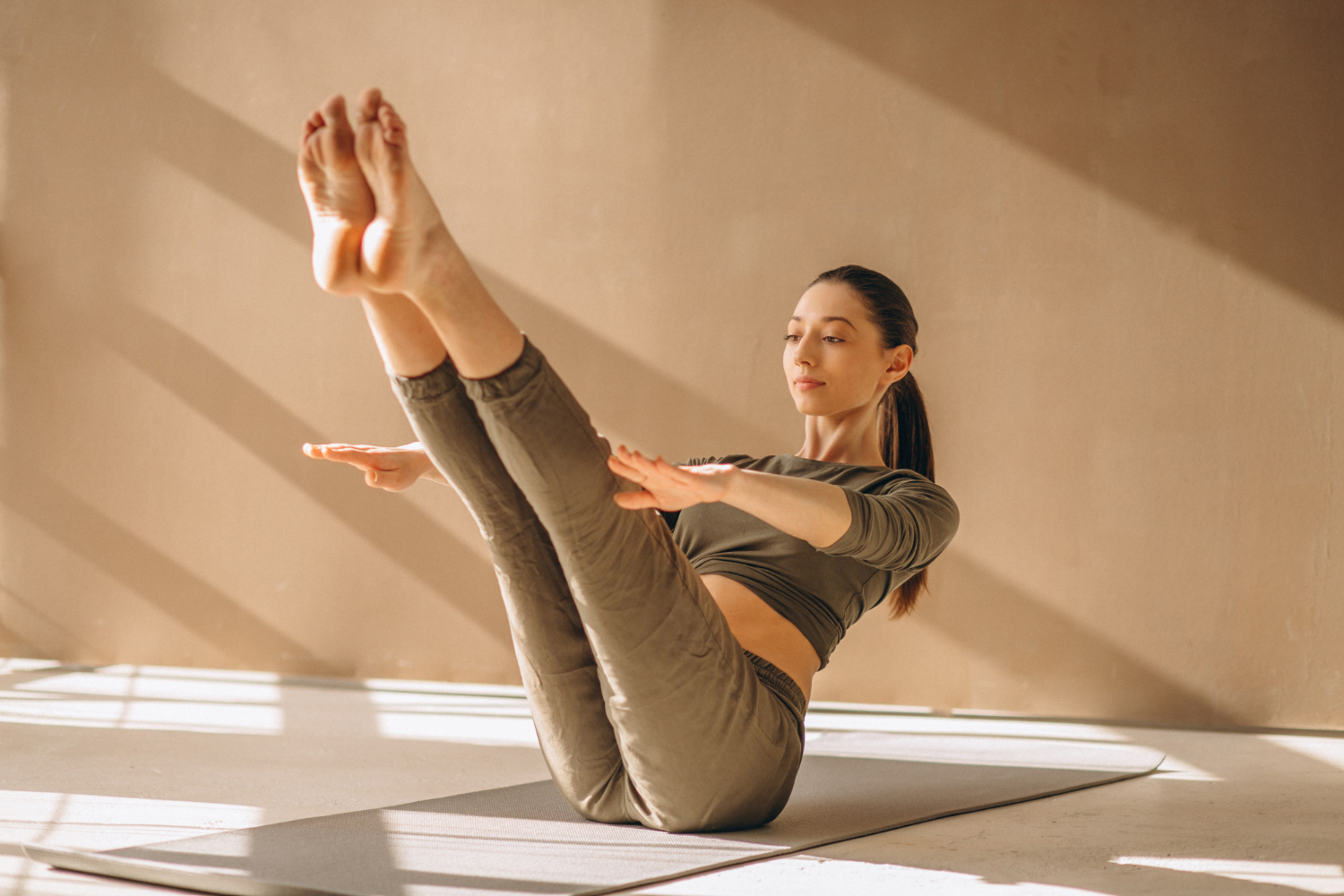
Progressive overload systematically increasing exercise difficulty builds strength continuously rather than reaching a plateau. Use these five progression strategies to keep exercises challenging as your strength improves.
Progression 1: Increase Time Under Tension (Slower Reps)
Once a movement feels easy at the standard 2-2-2 tempo, slow down your repetition speed. If you currently take two seconds to lower down and two seconds to press up, try four seconds in each direction. For example, take four seconds to lower into your wall squat and four seconds to press back up.
Slower tempo increases the duration your muscles work against resistance. Even without adding external weight, this extended time under tension forces muscles to work harder throughout the entire range of motion. Your muscles can't rest or use momentum, creating continuous engagement.
Start by increasing just one phase of the movement perhaps only the lowering (eccentric) phase then progress to slowing all phases once you adapt.
Progression 2: Add Holds and Isometric Pauses
During any exercise, add a pause at the position of maximum muscle contraction. For wall squats, hold at the bottom position with thighs parallel to the floor. For bridges, hold at the top position with hips fully elevated. For push-ups, hold with your chest close to the wall before pressing back up.
These isometric holds challenge stability muscles and build muscular endurance without high-impact stress. Start with 2-second holds and progress to 3, 4, or even 5-second holds as your strength increases.
Isometric training particularly benefits women over 40 because it builds strength without repetitive joint stress. The static hold creates significant muscle engagement while eliminating the eccentric and concentric phases where many joint issues occur.
Progression 3: Reduce Stability (Move Away from Wall)
Once you demonstrate excellent control against the wall, try moving a small distance away so the wall offers less support. For example, transition a wall plank into a floor plank with hands on the ground. Shift wall squats to free-standing squats without any back support. Progress wall push-ups to push-ups with hands on a bench or step.
Reducing wall support forces greater balance and control from your core and stabilizing muscles. The primary movers work similarly, but the supporting cast of smaller stabilizer muscles must engage more intensely.
Make this transition gradually. Perhaps start by touching the wall with just your fingertips for light balance assistance before removing contact entirely.
Progression 4: Add Complexity (Combine Movements)
Merge two or more basic exercises into one fluid compound motion. For instance, perform a wall glute bridge and add a single-leg lift at the top position. Combine a wall squat with a calf raise without standing up between movements. Link a wall plank with alternating leg lifts.
Combining movements increases demand on multiple muscle groups simultaneously and improves coordination. Your nervous system must learn to control several movement patterns simultaneously, which develops functional strength that transfers to daily activities.
Start by mastering each individual component separately before attempting the combined version. Practice the transition points between movements slowly until the flow feels smooth.
Progression 5: Increase Volume (More Reps and Sets)
When form and control remain solid throughout your current repetition and set scheme, add extra repetitions or another set. If you currently perform 10 repetitions per set, progress to 12, then 15, then 18. If you currently complete 2 sets per exercise, add a third set.
More volume adds muscular endurance and endurance-based strength, as long as quality remains high. This progression works well for exercises where you've maxed out other progression options while maintaining wall support.
However, never sacrifice quality for quantity. If your form begins degrading to complete target repetitions, you've progressed too quickly. Return to the previous volume and spend more time building strength there.
Building Your Workouts from the Library
This library provides the exercises now learn how to structure them into effective workout sessions targeting your specific goals and schedule constraints.
Full-Body Workout Template (15 Minutes)
This efficient template addresses all major muscle groups in a single session, ideal for days when time is limited or when you prefer working your entire body rather than splitting sessions.
Warm-Up (2 minutes):
- Wall-Supported Spinal Roll-Downs: 5 repetitions to mobilize spine
- Arm Circles at Wall: 10 circles each direction for shoulder preparation
Main Circuit (11 minutes):
- Wall Squats: 2 sets of 10 repetitions (legs)
- Wall Glute Bridges: 2 sets of 8 repetitions (glutes)
- Wall Push-Ups: 2 sets of 10 repetitions (chest/arms)
- Wall Plank Hold: 2 sets of 30 seconds (core)
- Wall Angels with Resistance: 2 sets of 8 repetitions (back/shoulders)
Rest 30 seconds between sets of the same exercise. Rest 45 seconds between different exercises.
Cool-Down (2 minutes):
- Wall Shoulder and Chest Stretch: 30-second hold
- Wall Hip Flexor Stretch: 20-second holds per side
- Wall-Supported Spinal Roll-Down: 3 repetitions
Perform this full-body template 3 times per week with at least one rest day between sessions.
Upper and Lower Split Template (20 Minutes Each)
Splitting workouts by body region allows more exercises and volume per muscle group, ideal when you have 4 to 5 days available for exercise weekly.
Lower Body Day (20 minutes):
Warm-Up (2 minutes): Hip circles, pelvic tilts
Main Work (15 minutes):
- Basic Wall Squats: 3 sets of 12 reps
- Wall Bridges: 3 sets of 15 reps
- Sliding Lunges: 3 sets of 10 reps per leg
- Wall Hamstring Curls: 2 sets of 12 reps
- Wall Abduction: 2 sets of 12 reps per side
- Seated Wall Squeezes: 2 sets of 15 reps
Cool-Down (3 minutes): Hamstring stretch, hip flexor stretch, hip opener
Upper Body Day (20 minutes):
Warm-Up (2 minutes): Arm circles, wall angels without resistance
Main Work (15 minutes):
- Wall Push-Ups: 3 sets of 12 reps
- Wall Plank Hold: 3 sets of 30 seconds
- Scapular Wall Slides: 3 sets of 12 reps
- Tricep Wall Press: 3 sets of 10 reps
- Reverse Wall Press: 2 sets of 10 holds
- Wall Plank Shoulder Taps: 2 sets of 20 taps
Cool-Down (3 minutes): Shoulder stretches, chest stretches, thoracic rotation
Alternate between lower body and upper body days. For example: Monday (lower), Wednesday (upper), Friday (lower), Sunday (upper).
Core-Focused Workout Template (12 Minutes)
Dedicate entire sessions to core development when abdominal strength and spinal stability are priority goals.
Warm-Up (2 minutes):
- Pelvic Tilts: 15 reps
- Heel Slides: 8 reps per leg
Core Circuit (8 minutes):
- Wall Sit with Core Engagement: 3 sets of 30-second holds
- Single Leg Holds: 2 sets of 20 seconds per side
- Leg Circles: 2 sets of 5 circles each direction per leg
- Crisscross: 2 sets of 10 reps per side
- Wall Plank Hold: 3 sets of 30 seconds
Rest 30 seconds between sets. Rest 45 seconds between different exercises.
Cool-Down (2 minutes):
- Bent Knee Fallouts: 8 reps per side
- Spinal Roll-Down: 4 reps
Perform this core-focused template 2 to 3 times per week, either as standalone sessions or after cardio activities.
Recovery and Mobility Workout Template (15 Minutes)
Use this gentle template on rest days to promote recovery, reduce muscle soreness, and improve flexibility without taxing your muscles.
Spinal Mobility (5 minutes):
- Wall-Supported Spinal Roll-Downs: 6 reps, very slow
- Wall Thoracic Rotations: 30-second holds per side, repeat twice
Hip Mobility (5 minutes):
- Wall-Supported Outer Hip Stretch: 45-second holds per side, repeat twice
- Wall Hip Flexor Stretch: 45-second holds per side, repeat twice
- Standing Leg Circles: 10 circles each direction per leg
Upper Body Mobility (5 minutes):
- Wall Shoulder and Chest Stretch: 45-second hold, repeat twice
- Wall Corner Chest Stretch: 30-second hold, repeat twice
- Arm Circles at Wall: 15 circles each direction
Move slowly throughout. Breathe deeply. Focus on releasing tension rather than achieving specific positions. Never force any stretch beyond mild to moderate intensity.
Workout Frequency: 3-4 Times Weekly for Best Results
Practice Wall Pilates 3 to 4 sessions per week to allow adequate recovery time between workouts. Your muscles adapt and strengthen during rest periods, not during the workout itself. Exercising the same muscles on consecutive days without recovery often leads to overuse injuries and performance plateaus. For those seeking the best wall pilates workout routines, this frequency allows you to rotate through different focus areas targeting core one day, lower body the next, then upper body ensuring balanced development.
A sample weekly schedule might look like:
- Monday: Lower Body (20 minutes)
- Tuesday: Rest or Recovery/Mobility
- Wednesday: Upper Body (20 minutes)
- Thursday: Rest
- Friday: Core-Focused (12 minutes)
- Saturday: Full-Body (15 minutes)
- Sunday: Rest or Recovery/Mobility
On rest days, engage in light activities like walking, gentle stretching, or this template's mobility work. Complete rest (no exercise at all) proves beneficial at least one to two days weekly.
Research published in Physiology & Behavior demonstrates that performing Pilates just once weekly for ten weeks produces significant improvements in both physical and mental health markers, including strength gains, flexibility improvements, and enhanced well-being in previously sedentary women. To see structured examples of the best wall pilates workout routines combining these exercises, explore our comprehensive workout guide.
Form Check: Common Mistakes Across Exercises

Certain form errors appear repeatedly across many different exercises. Learning to recognize and correct these common mistakes improves your results while reducing injury risk.
Losing Core Engagement Mid-Exercise
Your deep abdominal muscles must stay engaged throughout every exercise from start to finish. A frequent mistake occurs when initial focus on core engagement drifts as attention shifts to the primary moving body parts.
When core muscles relax mid-movement, your lower back often arches away from the wall or floor, your pelvis tilts, and your spine loses its stable foundation. This shift increases injury risk and reduces exercise effectiveness by allowing compensatory movement patterns.
If you notice your lower back arching, your ribcage flaring forward, or your pelvis tilting during any exercise, immediately pause, re-engage your core by pulling your navel toward your spine, restore neutral alignment, and then continue with proper engagement.
Build the habit of checking core engagement every few repetitions until maintaining it becomes automatic.
Arching Lower Back Excessively
During movements like squats, glute bridges, or roll-downs, excessive lower back arching shifts stress away from target muscles onto spinal structures. This compensation pattern often develops when attempting exercises beyond your current strength level or when core engagement is insufficient.
Your spine should maintain its natural curves throughout most exercises a complete flattening isn't the goal. However, excessive arching that creates a large space between your lower back and the wall or floor indicates poor form.
Keep your ribcage positioned over your pelvis rather than flaring forward. Maintain that subtle navel-to-spine pull that engages deep stabilizers. If lower back arching persists despite focus on these cues, reduce the exercise difficulty level until you can maintain neutral positioning.
Holding Breath During Movement
Breath-holding during challenging portions of exercises is an instinctive but counterproductive habit. Holding your breath increases blood pressure significantly, reduces oxygen delivery to working muscles, and creates unnecessary tension throughout your body.
Proper breathing patterns actually enhance strength and stability. Exhaling during the exertion phase naturally deepens core engagement, supporting spinal stability precisely when you need it most.
If you catch yourself holding your breath, that signals you're working at too high an intensity for your current capacity. Slow down your movement tempo, reduce your range of motion, or decrease your hold times until you can breathe smoothly and rhythmically throughout.
Rushing Through Repetitions
Speed undermines control. Rushing through repetitions relies on momentum rather than muscular control to move through the range of motion. This reduces time under tension, decreases muscle engagement, and often leads to form breakdown.
The deliberate 2-2-2 tempo (or slower variations) removes momentum assistance, forcing your muscles to work continuously. Every phase of every repetition should feel intentional and controlled.
If you notice yourself speeding up, consciously slow down. Count silently in your head: "one-one-thousand, two-one-thousand" for each movement phase. Quality repetitions at slower speeds build more strength than quantity repetitions performed quickly.
Incorrect Hand or Foot Placement on Wall
Placing your hands or feet too high, too low, too wide, or too narrow disrupts optimal body alignment and reduces exercise effectiveness. Each exercise specifies ideal placement for a reason these positions maximize target muscle engagement while minimizing compensation.
For exercises with feet on wall: Hip-width spacing allows natural knee and hip alignment. Feet too wide or narrow forces compensation patterns that stress joints.
For exercises with hands on wall: Shoulder-width spacing (unless otherwise specified) allows natural shoulder and elbow mechanics. Hands too wide or narrow alters the muscle groups emphasized and can create joint stress.
Always check your hand and foot placement at the start of each set. Make adjustments as needed to match the specifications in the exercise description.
Not Using Full Range of Motion
Performing only partial repetitions such as lowering halfway into a squat or pressing only partially up from a push-up significantly reduces exercise effectiveness. Full range of motion strengthens muscles throughout their entire length and improves joint mobility.
However, "full range" means full range within proper form constraints. Never sacrifice alignment or control to achieve deeper positions. For example, only lower into a squat as far as you can while maintaining your lower back's wall contact. Only lower your legs as far as you can while keeping your lower back pressed into the floor.
Your full range of motion will likely increase over time as flexibility and strength improve. Initially, work within whatever range allows perfect form. Gradually expand that range as your control improves.
Sample 4-Week Progressive Program Using Library
This structured program guides you through four weeks of progressive Wall Pilates training, building strength and coordination systematically from beginner foundations to intermediate challenges. For a comprehensive guided experience with video demonstrations and personalized progression tracking, our wall pilates program provides structured daily workouts designed specifically for women over 40.
Week 1: Mastering Beginner Variations
Week 1 focuses exclusively on beginner-level exercises performed with careful attention to form and technique. Use lower repetition ranges (8-10 reps) and slower tempos (3-3-3) to build movement quality.
Monday - Lower Body:
- Basic Wall Squats: 3 sets of 8 reps at 3-3-3 tempo
- Wall Bridges: 3 sets of 10 reps at 2-2-2 tempo
- Bent Knee Fallouts: 2 sets of 8 reps per side
Wednesday - Upper Body and Core:
- Wall Push-Ups: 3 sets of 8 reps at 3-3-3 tempo
- Wall Plank Hold: 3 sets of 20 seconds
- Pelvic Tilts: 3 sets of 12 reps
- Heel Slides: 2 sets of 10 reps per leg
Friday - Full Body:
- Wall Sit with Core Engagement: 3 sets of 20-second holds
- Wall Angels: 3 sets of 8 reps
- Seated Wall Squeezes: 2 sets of 12 reps
- Wall-Supported Spinal Roll-Downs: 3 sets of 5 reps
Focus this week on learning proper breathing coordination, discovering where your deep core muscles are, and understanding correct body positioning relative to the wall.
Week 2: Adding Holds and Slower Tempo
Week 2 introduces isometric holds at positions of maximum muscle engagement and further slows the tempo on some exercises. Repetition ranges stay similar to Week 1, but time under tension increases.
Monday - Lower Body:
- Wall Squats with 3-second bottom hold: 3 sets of 8 reps
- Wall Bridges with 3-second top hold: 3 sets of 10 reps
- Sliding Lunges: 2 sets of 8 reps per leg at 3-3-3 tempo
Wednesday - Upper Body and Core:
- Wall Push-Ups at 4-4-4 tempo: 3 sets of 6 reps
- Wall Plank Hold: 3 sets of 30 seconds
- Wall Sit with Core Engagement: 3 sets of 30-second holds
- Single Leg Holds: 2 sets of 15 seconds per side
Friday - Full Body:
- Wall Squat to Wall Press: 3 sets of 8 reps
- Scapular Wall Slides: 3 sets of 10 reps
- Crisscross: 2 sets of 8 reps per side
- Hip Openers with Wall Support: 25-second holds per side
The added holds and slower tempos should make exercises feel noticeably more challenging despite similar repetition counts. If holds feel easy, extend hold times by 2-3 seconds.
Week 3: Introducing Intermediate Exercises
Week 3 replaces some beginner exercises with intermediate variations that reduce stability, add complexity, or combine movements. Repetitions can increase to 10-12 as your work capacity improves.
Monday - Lower Body:
- Wall Squat with Alternating Knee Lifts: 3 sets of 12 lifts total
- Single-Leg Kickbacks: 3 sets of 10 reps per side
- Wall Hamstring Curls: 3 sets of 10 reps
- Wall Abduction: 2 sets of 10 reps per side
Wednesday - Upper Body and Core:
- Diamond Push-Ups: 3 sets of 8 reps
- Wall Plank with Shoulder Taps: 3 sets of 16 taps total
- Leg Circles: 3 sets of 5 circles each direction per leg
- Roll-Ups: 2 sets of 6 reps
Friday - Full Body:
- Wall Burpees: 3 sets of 8 reps
- Plank to Pike: 3 sets of 8 reps
- Glute March: 2 sets of 10 reps per side
- Wall Mountain Climbers: 2 sets of 30 seconds
Intermediate exercises demand greater coordination and strength. If any exercise proves too challenging, return to its beginner variation for another week before reattempting.
Week 4: Challenging with Advanced Options
Week 4 incorporates advanced exercises and compound movements that combine multiple exercises into flowing sequences. This week represents a significant challenge celebrate your progress from Week 1 to now.
Monday - Lower Body:
- Tempo Squats (4-4-4): 3 sets of 6 reps
- Elevated Bridge Pulses: 3 sets of 20 pulses
- Single-Leg Wall Curls: 3 sets of 8 reps per side
- Standing Leg Circles: 2 sets of 8 circles each direction per leg
Wednesday - Upper Body and Core:
- Wall Plank with Leg Lifts: 3 sets of 8 lifts per side
- Side Plank with Wall Support: 3 sets of 20-second holds per side
- Double Leg Lowers: 3 sets of 6 reps
- Wall Plank with Reaches: 2 sets of 8 reaches per side
Friday - Full Body Flow:
- Side Plank with Leg Lift: 3 sets of 8 lifts per side
- Wall Walkouts: 3 sets of 10 reps
- Teaser Prep: 3 sets of 5 reps
- Wall Mountain Climbers: 2 sets of 45 seconds
After completing Week 4, you can either repeat the 4-week cycle with increased difficulty (longer holds, more reps, slower tempos) or create your own programs using exercises from across difficulty levels to match your continuing progression.
Customizing Based on Your Goals
Different fitness objectives require different training approaches. Customize your exercise selection, repetition ranges, rest periods, and tempos based on your primary goal.
For Weight Loss: Higher Rep Range, Shorter Rest
Fat loss requires creating a calorie deficit through diet and elevating energy expenditure through exercise. Structure your Wall Pilates workouts to keep your heart rate moderately elevated throughout the session. Many women wonder if they can lose weight with wall pilates research shows that regular wall pilates practice combined with proper nutrition effectively supports fat loss goals.
Exercise Selection: Choose exercises that work large muscle groups and compound movements over isolation exercises. Wall squats, bridges, burpees, and mountain climbers burn more calories than smaller isolation movements.
Repetition Range: Use higher repetition ranges of 15 to 25 reps per set. This extended work duration increases calorie burn and cardiovascular demand.
Rest Periods: Keep rest periods short 30 to 45 seconds between sets. Shorter rest maintains elevated heart rate, increasing total energy expenditure.
Tempo: Use moderate tempo (2-2-2) that allows continuous movement without excessive fatigue. Avoid extremely slow tempos that would limit repetition count.
Workout Structure: Circuit training works well for fat loss. Perform one set of each exercise back-to-back with minimal rest, then rest 60-90 seconds before repeating the circuit. Complete 3-4 circuit rounds.
Frequency: 4-5 times per week, alternating between upper body emphasis and lower body emphasis to allow some recovery while maintaining high weekly training volume. For more detailed strategies on can you lose weight with wall pilates, see our comprehensive guide.
For Muscle Tone: Moderate Reps, Controlled Tempo
Muscle toning (developing visible muscle definition) requires building muscle tissue while reducing body fat to reveal that muscle. Focus on moderate repetition ranges with controlled movement that maximizes muscle engagement.
Exercise Selection: Choose exercises that isolate specific body regions you want to develop. Include exercises from all categories for balanced development.
Repetition Range: Use moderate repetition ranges of 10 to 15 reps per set. This range effectively stimulates muscle growth without excessive fatigue.
Rest Periods: Rest 45 to 60 seconds between sets. This allows partial recovery while maintaining some metabolic stress that promotes adaptation.
Tempo: Use slower, controlled tempo (3-3-3 or 4-2-4) that emphasizes the eccentric (lowering) phase. The eccentric phase creates more muscle micro-damage, which stimulates growth during recovery.
Workout Structure: Perform all sets of one exercise before moving to the next. This traditional structure allows you to maximize performance on each exercise.
Frequency: 3-4 times per week with at least 48 hours between sessions working the same muscle groups. The upper/lower split works well for this goal.
For Strength: Lower Reps, Longer Holds
Building maximum strength requires training your nervous system to recruit muscle fibers more efficiently and teaching muscles to produce force. Focus on high-tension methods rather than high-repetition fatigue.
Exercise Selection: Choose advanced variations that provide maximum resistance. Single-leg exercises, slow tempo variations, and exercises with reduced wall support challenge strength most.
Repetition Range: Use lower repetition ranges of 6 to 10 reps per set. Stop sets before reaching complete muscle failure leave 1-2 reps "in reserve."
Rest Periods: Rest longer between sets 60 to 90 seconds. Full recovery allows maximum force production on each set.
Tempo: Use very slow tempos (5-5-5 or even 6-6-6) or add extended isometric holds of 5-10 seconds at positions of maximum tension. Both methods increase time under tension without adding external weight.
Workout Structure: Perform exercises individually with full rest between sets. Consider performing the same exercises multiple times per week (Monday and Friday, for example) to practice movement patterns and build neural adaptations.
Frequency: 3-4 times per week. Strength training requires frequent practice of movement patterns while allowing adequate recovery for nervous system adaptation.
For Flexibility: Extended Stretches, Gentle Progressions
Improving flexibility requires consistently taking joints through their full range of motion while gradually increasing that range over time. Emphasize mobility exercises and stretching variations. Wall pilates vs. HIIT offers distinct benefits for flexibility development wall pilates provides controlled, sustained stretching that safely increases range of motion without high-impact stress.
Exercise Selection: Prioritize all exercises from the Flexibility and Mobility category. Include dynamic movements like roll-downs and leg circles that take joints through full ranges.
Hold Duration: Extend stretch holds to 45-60 seconds per position. Research shows longer hold durations produce greater flexibility gains.
Intensity: Keep stretch intensity mild to moderate. Never push into painful ranges. Discomfort should feel like a "good stretch" not like sharp or burning pain.
Tempo: Move slowly and mindfully during dynamic mobility exercises. Avoid bouncing or forcing range of motion.
Workout Structure: Dedicate entire sessions to flexibility work 2-3 times per week. Additionally, include 5-10 minutes of mobility work as warm-ups before strength-focused sessions.
Frequency: 5-6 times per week. Flexibility improves with frequent practice. Brief daily mobility sessions (10-15 minutes) prove more effective than occasional longer sessions.
Breathing: Use deep breathing throughout all flexibility work. Each exhale signals your nervous system to relax, allowing muscles to release tension and lengthen. For a detailed comparison of how different exercise modalities affect flexibility, see our guide on wall pilates vs. HIIT.
Conclusion
This Wall Pilates Exercise Library provides you with a comprehensive movement resource containing over 50 exercises organized by body region and difficulty level. Each exercise includes detailed setup instructions, execution cues, breathing patterns, and progressive variations that grow with your strength.
Wall Pilates transforms traditional Pilates exercises into accessible variations using only a vertical surface, making this practice ideal for women over 40 who want to build strength, improve flexibility, and enhance posture without expensive equipment or joint stress. The wall provides constant feedback about body positioning while offering support that reduces injury risk during the learning process.
The exercises in this library address every major muscle group through five categories: Core-Focused movements strengthen abdominal muscles and spinal stabilizers, Lower Body exercises develop leg strength and hip stability, Upper Body movements improve posture and upper body strength, Full-Body Integration exercises create efficient total-body workouts, and Flexibility and Mobility work increases range of motion while reducing muscle tension.
Progressive difficulty levels ensure exercises remain appropriate regardless of your current fitness level. Begin with beginner variations that provide maximum wall support and simpler movement patterns. Advance to intermediate exercises when form remains perfect throughout 12-15 repetitions. Progress to advanced exercises only after mastering intermediate variations and demonstrating excellent body control.
The form fundamentals section establishes principles that apply across all exercises: proper wall positioning creates optimal body alignment, core engagement protects your spine during movement, coordinated breathing enhances muscle engagement, controlled tempo removes momentum assistance, and quality focus prevents the form breakdown that leads to injury.
Build workouts from this library by selecting exercises that match your goals, combining them into structured sessions, and practicing 3-4 times weekly with adequate recovery between sessions. The sample workout templates provide starting frameworks for full-body training, upper/lower splits, core-focused sessions, and mobility work.
The 4-week progressive program demonstrates how to systematically build strength from beginner foundations through intermediate challenges. Week 1 establishes proper form with beginner exercises, Week 2 adds holds and slower tempos, Week 3 introduces intermediate variations, and Week 4 challenges you with advanced options and compound movements.
Customize your training approach based on your primary objective. Weight loss benefits from higher repetitions with shorter rest periods, muscle toning develops through moderate repetitions with controlled tempo, strength building requires lower repetitions with longer holds, and flexibility improvement demands extended stretch durations with gentle progressions.
Scientific research consistently validates Pilates' effectiveness for improving core strength, postural control, balance, and functional movement quality, particularly in women over 40. The low-impact nature of Wall Pilates makes these benefits accessible while accommodating joint concerns and mobility limitations common in this population.
Return to this library regularly to discover new exercises, refresh your workout routines, and continue progressing toward more advanced variations. Your Wall Pilates practice can evolve continuously, providing appropriate challenges for years to come. For additional guidance and tracking support, the best pilates apps for menopause offer structured programs, video demonstrations, and progress tracking designed specifically for women navigating hormonal changes. Explore our review of the best pilates apps for menopause to find digital tools that complement this library.
15 mins Pilates on your terms – anytime, anywhere.
Get your planSources
Kloubec, June. "Pilates: How Does It Work and Who Needs It?" Muscles, Ligaments and Tendons Journal, vol. 1, no. 2, 2011, p. 61, https://pmc.ncbi.nlm.nih.gov/articles/PMC3666467/.
Tolnai, Nóra, et al. "Physical and Psychological Benefits of Once-a-week Pilates Exercises in Young Sedentary Women: A 10-week Longitudinal Study." Physiology & Behavior, vol. 163, 2016, pp. 211-218, https://doi.org/10.1016/j.physbeh.2016.05.025.
Vieira, Natália D., et al. "The Effects of 12 Weeks Pilates-inspired Exercise Training on Functional Performance in Older Women: A Randomized Clinical Trial." Journal of Bodywork and Movement Therapies, vol. 21, no. 2, 2017, pp. 251-258, https://doi.org/10.1016/j.jbmt.2016.06.010.
FAQs
How often should I practice Wall Pilates exercises from this library?
Practice Wall Pilates 3 to 4 times per week for optimal results. This frequency provides sufficient training stimulus to build strength and improve flexibility while allowing adequate recovery time between sessions. Your muscles adapt and strengthen during rest periods, not during the workout itself, making recovery days essential. A sample schedule might include Monday (lower body), Wednesday (upper body), Friday (core-focused), and Sunday (full-body or mobility work). On rest days, engage in light activities like walking or gentle stretching, but avoid intense Wall Pilates training of the same muscle groups worked the previous day. Complete rest with no exercise proves beneficial at least one day weekly. Research demonstrates that even practicing Pilates once weekly produces measurable improvements in strength, flexibility, and well-being, though 3-4 weekly sessions accelerate progress significantly. If you're looking for structured guidance on how to get started with wall pilates, our comprehensive beginner's guide walks you through [how to get started with wall pilates](https://reverse.health/blog/start-wall-pilates-guide) with proper form and progression strategies.
Can I combine exercises from different difficulty levels in one workout?
Yes, combining exercises from different difficulty levels in a single workout is an effective strategy, especially as you progress beyond the beginner stage. You might find some exercises (like wall squats) have become easy enough for intermediate or advanced variations, while other movements (like push-ups) still require beginner variations. Structure your workout by performing exercises at the highest difficulty level you can execute with perfect form. For example, use advanced core exercises, intermediate lower body movements, and beginner upper body exercises in the same session. This approach ensures each muscle group receives appropriate challenge regardless of varying strength levels across different body regions. Always prioritize form quality over difficulty level performing a beginner exercise perfectly builds more strength than performing an advanced exercise with poor form. As your overall strength improves, you'll naturally progress more exercises to intermediate and advanced levels.
How long should I hold isometric positions like wall sits and planks?
Begin isometric holds with 20 to 30-second durations when first learning exercises. This duration allows you to focus on proper form and breathing without excessive fatigue. Once you can maintain perfect form for 30 seconds core engaged, breathing steady, alignment correct progress to 45-second holds. Further advance to 60-second holds when 45 seconds feels controlled and comfortable. For advanced practitioners, holds of 90 to 120 seconds provide significant strength challenges. However, never extend hold durations if your form begins degrading. Signs that you should end a hold include lower back arching excessively, shoulders creeping toward ears, breathing becoming erratic, or involuntary shaking that prevents position maintenance. Quality positioning for shorter durations builds more functional strength than poor positioning held longer. When extending hold times, progress gradually by adding just 5 seconds per week rather than making large jumps that compromise form.
What should I do if I feel pain during an exercise?
Stop the exercise immediately if you experience sharp, stabbing, or burning pain. These sensations indicate potential injury rather than normal muscle work. Distinguish this from the burning sensation in muscles during challenging holds, which represents muscle fatigue and is normal. Joint pain, sharp pains, or pain that increases with continued movement require stopping immediately. Rest for several days and attempt the exercise again at a lower difficulty level. If pain persists when you retry the movement, avoid that exercise and consult a healthcare provider to rule out injury. Common causes of pain include progressing too quickly to advanced variations, sacrificing form to complete target repetitions, or pre-existing conditions that make certain movements inappropriate. Always start new exercises at the beginner level regardless of your overall fitness to learn proper form before increasing difficulty. Modify exercises by reducing range of motion, slowing tempo, or using easier variations until you can perform movements pain-free with proper form.
How do I know when to progress from beginner to intermediate exercises?
Progress to intermediate exercises when you can complete 12 to 15 repetitions of a beginner exercise while maintaining perfect form throughout every single repetition. Your form checklist includes: breathing remains smooth and rhythmic without breath-holding, core stays engaged with lower back in proper position, body alignment doesn't deteriorate on final repetitions, movement tempo stays controlled without speeding up, and you feel the exercise working target muscles appropriately. Additionally, the beginner variation should feel relatively easy perhaps a 6 out of 10 difficulty level rather than a maximal 9 or 10. If you reach 15 repetitions but your form breaks down on the last 2-3 reps, you're not ready to progress. Instead, continue practicing the beginner variation while applying progression strategies like slower tempo, added holds, or increased volume until your form mastery is complete. Patience during this foundation-building phase prevents injuries and creates better long-term strength gains compared to rushing toward advanced exercises before you're prepared.