Weight loss that fits your goals and your life.
Get your plan
Weight loss that fits your goals and your life.
Get your plan
Strength training is a form of resistance exercise that builds muscle mass, increases bone density, and improves metabolic function through progressive mechanical load. Home strength training for women over 40 is the practice of performing these resistance exercises at home using minimal equipment to combat age-related muscle loss, bone density decline, and metabolic changes.
After age 40, women experience declining estrogen levels that directly impact muscle preservation, bone health, and metabolism. Strength training provides the mechanical stimulus needed to counteract these changes without requiring gym equipment or memberships.
You don't need expensive equipment to get bulky or risk injury these are common misconceptions. Building significant muscle mass requires specific hormonal conditions and years of progressive training that most women naturally lack. Meanwhile, proper strength training actually reduces injury risk by strengthening joints, connective tissues, and stabilizing muscles.
This guide covers why strength training becomes essential after 40, the minimal equipment needed for home training, the eight foundational movement patterns for complete strength development, how to structure your weekly program, proper form techniques, progression strategies, and recovery protocols specific to women over 40.
Why Strength Training Becomes Non-Negotiable After 40
Women over 40 face three major physiological changes that make strength training essential: accelerated muscle loss (sarcopenia), declining bone density, and metabolic dysfunction. Resistance training directly addresses each of these changes through mechanical loading that stimulates tissue adaptation.
Muscle Loss (Sarcopenia) and Prevention
Sarcopenia is the age-related loss of skeletal muscle mass, strength, and quality that accelerates after age 40. Research shows that declining estrogen significantly decreases muscle mass and muscle quality in women during their 40s and beyond.
Without intervention, women lose 3-8% of muscle mass per decade after age 30, with accelerated loss after menopause. This decline reduces functional capacity, coordination, balance, and mobility impacting quality of life both immediately and in later years.
Studies demonstrate that resistance training prevents muscle atrophy and improves strength even in aging populations. Progressive mechanical load signals muscle protein synthesis, counteracting the catabolic effects of hormonal changes. Two to three strength training sessions per week maintain and often increase muscle mass in women over 40.
Muscle preservation becomes particularly important as estrogen levels decline. Building lean muscle mass through resistance training helps maintain strength, independence, and quality of life. For comprehensive guidance on building lean muscle for women over 40, understanding the hormonal context helps you structure your training effectively.
Bone Density and Osteoporosis Risk
Bone density is the measure of mineral content in bone tissue, reflecting bone strength and fracture resistance. Estrogen decline increases bone turnover with an imbalance between bone resorption (breakdown) and bone formation, according to research.
Osteoporosis is a skeletal disease characterized by low bone mass and structural deterioration that increases fracture risk. Clinical evidence shows that osteoporosis increases fracture risk, fall susceptibility, and frailty while decreasing quality of life in women over 40.
Mechanical loading is how bones sense and respond to physical stress through cellular adaptation. Studies confirm that mechanical load applied during resistance training elicits an osteogenic (bone-building) effect, improving bone mineral density. Strength training creates muscular forces on bones that stimulate osteoblast activity and bone formation, preserving bone mass and dramatically reducing osteoporosis risk.
Bone health directly benefits from weight-bearing resistance exercises. Women who prioritize bone health through strength training see measurable improvements in bone density and fracture resistance. Understanding the specific connection between bone health and strength training for women helps you select exercises that maximize osteogenic stimulus.
Metabolic Benefits and Insulin Sensitivity
Metabolic function refers to how the body processes energy from food, regulates blood sugar, and stores or burns fat. Estrogen decline negatively impacts these metabolic systems, leading to increased abdominal fat storage and metabolic syndrome risk.
Metabolic syndrome is a cluster of conditions including insulin resistance, abdominal obesity, high blood pressure, and abnormal cholesterol levels. This syndrome increases the risk of type 2 diabetes, heart disease, stroke, and fatty liver disease.
Insulin sensitivity is how effectively cells respond to insulin signals to absorb glucose from the bloodstream. Research demonstrates that resistance training reduces total body fat and abdominal fat while increasing insulin sensitivity, directly addressing metabolic dysfunction. Muscle tissue acts as a glucose sink more muscle mass means better blood sugar regulation and improved metabolic health.
Metabolism naturally slows after 40 due to hormonal changes and muscle loss. Strength training counteracts this metabolic decline by increasing muscle mass and improving insulin sensitivity. Learning how to boost metabolism after 40 through strategic resistance training and nutrition helps you maintain healthy body composition.
Home Strength Training Essentials
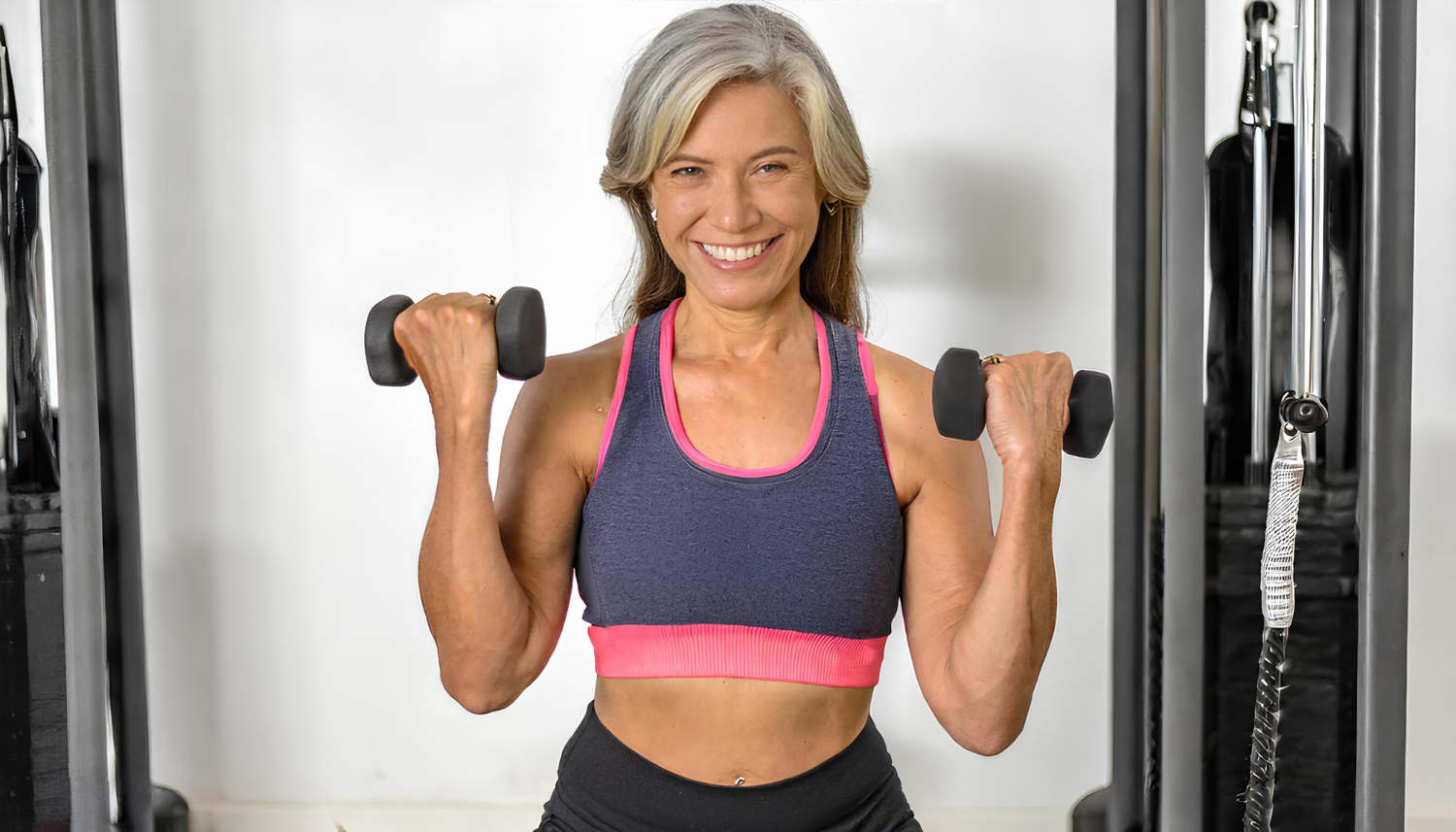
Home strength training requires minimal equipment when programmed correctly. You can begin training immediately using only your bodyweight, then expand your equipment collection as your strength and budget allow.
Minimal Equipment That Maximizes Results
Bodyweight training, also called calisthenics, is a form of strength training using your own body mass as resistance. Bodyweight exercises including push-ups, squats, lunges, planks, and hip thrusts provide sufficient stimulus for muscle growth and strength gains, particularly for beginners.
Progressive equipment purchases expand exercise variety and resistance options over time. Based on budget constraints, here's the recommended equipment hierarchy:
Budget-Friendly Options ($20-$100)
- Resistance bands (multiple resistance levels)
- Exercise mat (cushioning for floor work)
- Stability ball (core engagement)
- Suspension trainer (variable angle bodyweight exercises)
Mid-Range Options ($100-$300)
- Adjustable dumbbells (space-efficient, wide weight range)
- Kettlebell set (dynamic movements)
- Medicine ball (power training)
- Sandbags (grip strength, instability training)
Premium Options ($300-$1000+)
- Dumbbell set (fixed weights, durable)
- Barbell with plates (heavy loading capacity)
- Squat rack (safety for heavy lifts)
- Adjustable bench (exercise variety)
For women over 40 beginning home strength training, start with resistance bands and a mat. These provide sufficient resistance and variety for the first 3-6 months without significant financial investment. Add adjustable dumbbells or kettlebells when you can perform 15+ repetitions of band exercises with the highest resistance.
Creating an Effective Workout Space
An effective workout space is a dedicated area with sufficient room for movement, organized equipment, and minimal distractions. The space doesn't require a dedicated room a cleared corner of a bedroom, garage, or living room works effectively.
Space Requirements
- Minimum 6 feet × 6 feet for bodyweight exercises
- 8 feet × 8 feet for exercises with equipment
- Clear floor space free of tripping hazards
- Adequate ceiling height for overhead movements
Essential Space Elements
Clean and Clear: A clutter-free environment improves focus and safety during exercises. Store equipment accessibly but not in movement paths.
Equipment Organization: Use wall hooks, shelving, or storage bins to keep resistance bands, weights, and accessories organized. Accessible equipment gets used; equipment stored under beds gets forgotten.
Distraction Elimination: A dedicated training space creates psychological separation from daily activities. Turn off phone notifications, use dedicated workout music, and establish the space as your non-negotiable time for self-investment even if just 20 minutes three times per week.
Progressive Overload at Home
Progressive overload is the gradual increase of training stress through higher resistance, more repetitions, additional sets, or increased intensity. Research confirms that progressive overload is the primary driver of strength and muscle adaptations.
Progressive Overload Methods for Home Training
Increase Repetitions: Perform more reps per set with the same resistance (e.g., 8 reps to 12 reps with bands)
Add Sets: Include more total sets per exercise (e.g., 2 sets to 3 sets of push-ups)
Increase Resistance: Use heavier weights, stronger bands, or more challenging body positions
Reduce Rest Time: Decrease rest intervals between sets to increase workout density
Improve Range of Motion: Increase movement depth (e.g., shallow squats to full-depth squats)
Change Body Position: Modify leverage to increase difficulty (e.g., regular push-ups to elevated-feet push-ups)
For bodyweight exercises, change body position and leverage to increase resistance. For weighted exercises, increase load and reduce rest periods. Small weekly adjustments even 1-2 additional reps create continued adaptation and strength gains.
8 Essential Movement Patterns for Complete Strength

Complete strength development requires training eight fundamental movement patterns, not isolated muscles. These patterns build functional strength that transfers to daily activities while ensuring balanced muscular development.
Push, Pull, Squat, Hinge Foundations
The four foundational patterns form the base of every comprehensive strength program. Training these movements develops the major muscle groups while improving coordination and movement quality.
Push Pattern
Pushing movements involve pressing resistance away from the body using chest, shoulders, and triceps. Push exercises strengthen the anterior (front) upper body.
Home push exercises:
- Push-ups (standard, incline, decline)
- Overhead press (dumbbells, bands, kettlebells)
- Dips (using chairs or bench)
- Tricep extensions
Pull Pattern
Pulling movements bring resistance toward the body using back muscles, rear shoulders, and biceps. Pull exercises strengthen the posterior (back) upper body and improve posture.
Home pull exercises:
- Band rows (various grips)
- Band lat pulldowns
- Dumbbell rows
- Face pulls (bands)
- Bicep curls
Squat Pattern
Squatting movements involve hip and knee flexion with vertical shin angles. Squats develop leg strength, hip mobility, and core stability.
Home squat exercises:
- Bodyweight squats
- Goblet squats (dumbbell or kettlebell)
- Sumo squats (wider stance)
- Front squats (weight at chest)
Hinge Pattern
Hinging movements involve hip flexion with minimal knee bend, targeting posterior chain muscles (glutes, hamstrings, lower back).
Home hinge exercises:
- Hip thrusts
- Glute bridges
- Deadlifts (kettlebell or dumbbell)
- Romanian deadlifts
- Good mornings
- Kettlebell swings
Carry, Lunge, Rotation, Anti-Movement Patterns
These four supplementary patterns complement the foundational movements, developing functional strength, stability, and core control.
Carry Pattern
Loaded carries involve walking while holding weight, developing grip strength, core stability, and full-body tension.
Home carry exercises:
- Farmer's walk (weight in both hands)
- Suitcase carry (weight in one hand)
- Overhead carry (weight held overhead)
- Bear hug carry (sandbag at chest)
Lunge Pattern
Lunging movements involve split-stance leg work that develops single-leg strength, balance, and hip stability.
Home lunge exercises:
- Walking lunges
- Reverse lunges
- Split squats (stationary)
- Bulgarian split squats (rear foot elevated)
Rotation Pattern
Rotational movements involve torso twisting that strengthens obliques and develops anti-rotation strength.
Home rotation exercises:
- Plank twists
- Band rotations
- Bicycle crunches
- Russian twists
Anti-Movement Pattern
Anti-movements resist unwanted motion (flexion, extension, rotation, or lateral flexion), building core stability and strength.
Home anti-movement exercises:
- Planks (anti-extension)
- Side planks (anti-lateral flexion)
- Pallof press with bands (anti-rotation)
- Bird dogs
- Dead bugs
- Stability ball rollouts
Bodyweight Progressions for Each Pattern
Bodyweight progression is the systematic increase of exercise difficulty through position changes, leverage modifications, or movement complexity. These progressions maintain training stimulus without additional equipment.
Push Progressions
- Wall push-ups → Incline push-ups → Standard push-ups → Decline push-ups → One-arm push-ups
- Increase difficulty by elevating feet or reducing hand width
Pull Progressions
- Bent-over band rows → Inverted rows (body 45°) → Inverted rows (body horizontal) → Pull-ups
- Suspension trainer rows allow continuous difficulty adjustment through body angle
Squat Progressions
- Assisted squats (holding support) → Bodyweight squats → Pause squats → Pistol squats (single-leg)
- Increase depth, add pauses at bottom, or slow descent tempo
Hinge Progressions
- Glute bridges → Single-leg glute bridges → Hip thrusts → Single-leg hip thrusts
- Increase repetitions, add pauses at top, or add resistance with bands
Lunge Progressions
- Split squats → Reverse lunges → Walking lunges → Elevated split squats → Bulgarian split squats
- Add depth, hold bottom position, or elevate front or rear foot
Carry Progressions
- Farmer's walk → Suitcase carry → Overhead carry → Uneven carries
- Increase distance, weight, or duration
Rotation Progressions
- Seated twists → Standing band rotations → Explosive rotations
- Increase range of motion, speed, or resistance
Anti-Movement Progressions
- Plank (knees) → Plank (toes) → Plank (feet elevated) → Plank with limb lifts
- Increase hold duration, reduce base of support, or add instability
Building Your Home Strength Training Program
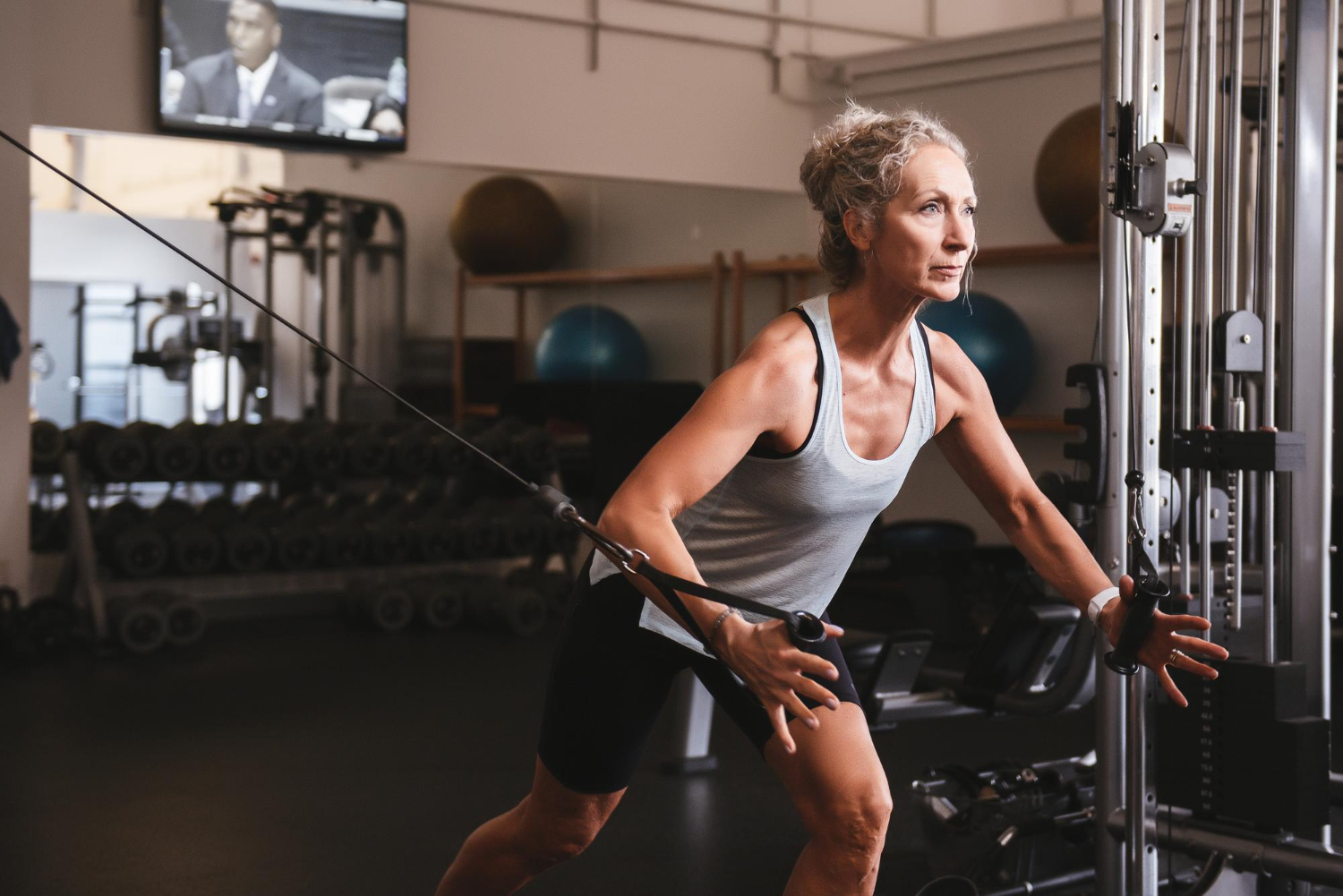
A complete training program structures exercises, sets, repetitions, and weekly frequency to optimize strength gains while preventing overtraining. Programs vary based on experience level and time availability.
Weekly Workout Structure
Beginners should perform full-body workouts three times per week on non-consecutive days (e.g., Monday, Wednesday, Friday). Full-body training exposes you to all movement patterns multiple times weekly, accelerating learning and technique development.
Intermediate and advanced trainees can use split routines that divide training by movement pattern or body region, allowing 3-5 training sessions weekly. Split programs enable higher volume per muscle group while maintaining adequate recovery.
Beginner Weekly Structure (Full-Body)
Monday: Full-Body (all 8 movement patterns)
Tuesday: Rest
Wednesday: Full-Body (all 8 movement patterns)
Thursday: Rest
Friday: Full-Body (all 8 movement patterns)
Saturday: Rest
Sunday: Rest
Advanced Weekly Structure (Push/Pull/Legs)
Monday: Push (chest, shoulders, triceps)
Tuesday: Pull (back, biceps)
Wednesday: Legs (squat and hinge patterns)
Thursday: Rest
Friday: Push
Saturday: Pull
Sunday: Rest
Sample Full-Body Routine (30 Minutes)
This beginner full-body routine develops foundational strength across all eight movement patterns. Perform this workout three times weekly with at least one rest day between sessions.
Beginner Full-Body Routine
| Exercise | Sets | Reps | Rest |
|---|---|---|---|
| Hip Thrusts (hinge) | 2-3 | 8-12 | 30-45 sec |
| Goblet Squats (squat) | 3 | 8-10 | 45-60 sec |
| Walking Lunges (lunge) | 3 | 8-10 per leg | 45-60 sec |
| Band Rows (pull) | 3 | 8-12 | 30-45 sec |
| Push-Ups (push) | 3 | 8-12 | 30-45 sec |
| Band Bicep Curls (pull) | 3 | 8-12 | 30-45 sec |
| Plank (anti-movement) | 2-3 | 30 sec hold | 30-45 sec |
Exercise Notes
- Use incline push-ups if standard push-ups are too challenging
- Use bodyweight for squats and lunges if you don't have dumbbells or kettlebells
- Rest 45-60 seconds between compound movements (squats, rows)
- Rest 30-45 seconds between isolation movements (curls, hip thrusts)
Progression Strategy Week 1-2: Learn movement patterns, focus on form Week 3-4: Increase to upper range of rep recommendations Week 5-6: Add one set to each exercise or decrease rest by 15 seconds Week 7-8: Progress to intermediate program or increase resistance
Strength training for women over 40 requires structured progression and proper programming. Many women benefit from following a comprehensive strength training program for women over 40 that provides periodized training phases and exercise progression guidance.
Split Routines for More Time
Split routines divide training by movement pattern or body region, allowing higher volume per session with adequate recovery between similar muscle groups. Use split routines after 8-12 weeks of full-body training.
Common Split Structures
Upper/Lower Split (4 days/week)
- Day 1: Upper body (push + pull)
- Day 2: Lower body (squat + hinge + carry)
- Day 3: Rest
- Day 4: Upper body
- Day 5: Lower body
- Days 6-7: Rest
Push/Pull/Legs Split (3-6 days/week)
- Push: All pushing movements (chest, shoulders, triceps)
- Pull: All pulling movements (back, biceps)
- Legs: All lower body (squat, hinge, lunge, carry)
- Repeat or add rest days based on recovery
Full-Body Split (3 days/week)
- Each session includes all movement patterns
- Exercise selection varies by session (e.g., front squat Monday, goblet squat Wednesday, sumo squat Friday)
Advanced Push/Pull/Legs Sample
Push Day (30-40 minutes)
| Exercise | Sets | Reps | Rest |
|---|---|---|---|
| Goblet Squats | 3-4 | 8-12 | 45-60 sec |
| Sumo Squats | 3-4 | 8-12 | 45-60 sec |
| Reverse Lunges | 3-4 | 10-12 per leg | 45-60 sec |
| Incline Push-Ups | 3-4 | 8-12 | 30-45 sec |
| Overhead Press | 3-4 | 8-10 | 30-45 sec |
| Tricep Dips | 3-4 | 8-10 | 30-45 sec |
| Pallof Press | 3 | 8-12 per side | 30-45 sec |
Pull Day (30-40 minutes)
| Exercise | Sets | Reps | Rest |
|---|---|---|---|
| Deadlifts | 3-4 | 8-12 | 45-60 sec |
| Band Lat Pulldowns | 3-4 | 8-12 | 45-60 sec |
| Bent-Over Rows | 3-4 | 8-12 | 45-60 sec |
| Wide-Grip Rows | 3-4 | 8-12 | 45-60 sec |
| Bicep Curls | 3-4 | 8-10 | 45-60 sec |
| Plank Twists | 3-4 | 16-20 total | 45-60 sec |
Leg Day (30-40 minutes)
| Exercise | Sets | Reps | Rest |
|---|---|---|---|
| Hip Thrusts | 3-4 | 8-12 | 45-60 sec |
| Front Squats | 3-4 | 8-12 | 45-60 sec |
| Split Squats | 3 | 8-10 per leg | 45-60 sec |
| Romanian Deadlifts | 3-4 | 8-12 | 30-45 sec |
| Side Planks | 2-3 | 20 sec per side | 30-45 sec |
| Suitcase Carries | 3-4 | 30 meters | 30-45 sec |
Proper Form and Injury Prevention

Proper form is the biomechanically efficient execution of an exercise that maximizes target muscle engagement while minimizing injury risk. Form quality matters more than resistance load, repetition count, or workout duration.
Self-Cueing Technique
Self-cueing is the practice of using internal cues to correct your own form during exercise execution. Understanding correct technique allows you to identify and fix form breakdowns as they occur.
Squat Self-Cues
- "Hips back first" (prevents knee-dominant squatting)
- "Chest up" (maintains neutral spine)
- "Knees track over toes" (prevents valgus collapse)
- "Weight through midfoot" (prevents forward weight shift)
Push-Up Self-Cues
- "Tight plank position" (prevents sagging hips)
- "Elbows 45 degrees" (protects shoulder joints)
- "Full range of motion" (chest to floor)
- "Shoulders away from ears" (proper shoulder position)
Hinge Self-Cues
- "Push hips back" (initiates with hip flexion)
- "Slight knee bend" (distinguishes hinge from squat)
- "Neutral spine" (prevents lower back rounding)
- "Feel hamstrings stretch" (confirms proper hinge pattern)
Develop self-cueing ability by learning one cue at a time, practicing with light resistance until the cue becomes automatic.
Recording and Assessing Form
Recording your training sessions allows objective form assessment that reveals errors you can't feel during execution. Video yourself from multiple angles to identify form breakdowns.
Recording Best Practices
- Film from the side for squat depth and spine position
- Film from the front for knee tracking and balance
- Use slow-motion playback to catch quick form errors
- Compare your form to demonstration videos
What to Look For
- Neutral spine maintained throughout movement
- Smooth, controlled tempo (no jerking or momentum)
- Full range of motion (complete movement patterns)
- Symmetrical movement (balanced left and right sides)
- Stable positions (no wobbling or compensation)
Record yourself weekly during your first 4-8 weeks of training, then monthly once movement patterns are established. When adding new exercises or increasing weight significantly, record again to verify form maintenance.
When to Reduce Load or Modify
Reducing resistance or modifying exercises maintains proper form and prevents injury during challenging sets or when fatigue accumulates.
Reduce Load When:
- You cannot complete a repetition with proper form
- You feel sharp pain (not muscle burning) during movement
- Your form breaks down before reaching target repetitions
- You cannot control the eccentric (lowering) phase
Modify the Exercise When:
- Bodyweight versions are too challenging (use incline push-ups instead of standard)
- You lack the mobility for full range of motion (reduce depth until mobility improves)
- Previous injuries prevent certain movements (substitute similar pattern)
- You cannot maintain neutral spine (use lighter resistance or different variation)
These adjustments aren't setbacks they build the foundation for long-term progress. Struggling with proper form on the final set indicates optimal training intensity. Struggling from the first set indicates excessive load or insufficient recovery.
Progressing Strength Without Gym Equipment

Home training limitations require creative progression strategies beyond simply adding weight. Multiple progression methods ensure continued strength gains without extensive equipment.
Bodyweight Progression Strategies
Bodyweight progression manipulates four variables: repetitions, sets, tempo, and body position. These changes increase training stress without additional equipment.
Repetition Progression
Increase repetitions per set from 8 to 15 before changing other variables. This builds muscular endurance and work capacity before advancing to harder variations.
Example progression:
- Week 1: 3 sets × 8 reps push-ups
- Week 2: 3 sets × 10 reps push-ups
- Week 3: 3 sets × 12 reps push-ups
- Week 4: 3 sets × 15 reps push-ups
- Week 5: Progress to harder variation or add resistance
Tempo Manipulation
Tempo is the speed of movement phases (eccentric, pause, concentric). Slower tempos increase time under tension and training stimulus.
Standard tempo: 2-second eccentric, 1-second pause, 1-second concentric (2-1-1) Strength tempo: 3-second eccentric, 2-second pause, explosive concentric (3-2-X) Hypertrophy tempo: 4-second eccentric, 1-second pause, 2-second concentric (4-1-2)
Position Modification
Changing body position alters leverage and resistance. Position changes create significant progression without equipment.
Push-up position progressions:
- Wall push-ups (minimal resistance)
- Incline push-ups on chair
- Standard push-ups
- Feet-elevated push-ups
- One-arm push-ups (maximum bodyweight resistance)
Each position change increases resistance by 10-30%.
Adding Resistance Cleverly
Resistance additions don't require purchasing equipment. Household items and clever modifications increase training load.
Household Resistance Options
- Backpack filled with books (adjustable weight for squats, lunges)
- Water bottles or jugs (substitute for light dumbbells)
- Towels (increase grip difficulty for rows and carries)
- Furniture sliders (create instability for lunges and planks)
- Stairs (step-ups, Bulgarian split squats with rear foot elevated)
Band Resistance Strategies
Resistance bands provide variable resistance that increases throughout the range of motion. Band resistance complements bodyweight exercises effectively.
Band-assisted progressions:
- Band-assisted pull-ups (reduce bodyweight)
- Band-assisted pistol squats (improve balance and depth)
Band-resisted progressions:
- Band-resisted push-ups (increase resistance at top)
- Band-resisted squats (develop explosive power)
- Band-resisted hip thrusts (peak contraction tension)
Unilateral Loading
Unilateral exercises (single-limb) increase difficulty using the same total load. A 10kg dumbbell split squat challenges legs more than a 10kg goblet squat because all weight loads one leg.
Bilateral to unilateral progressions:
- Goblet squats → Bulgarian split squats (same weight, harder exercise)
- Standard push-ups → Archer push-ups (weight shifts toward one arm)
- Planks → Side planks (halved base of support)
Tracking and Celebrating Progress
Progress tracking provides objective data on strength improvements, identifies stagnation, and motivates continued training. Track workouts using a simple notebook, spreadsheet, or fitness app.
What to Track
- Exercise name
- Sets completed
- Repetitions per set
- Resistance used (weight, band color, body position)
- Rest intervals
- Subjective difficulty (1-10 scale)
- Form quality notes
Sample Training Log Entry
Date: January 15, 2025
Exercise: Goblet Squats
Sets: 3
Reps: 10, 10, 8
Weight: 12kg kettlebell
Rest: 60 seconds
Difficulty: 7/10
Notes: Last set challenging, form held throughout
Progress Indicators
- Same exercise with heavier resistance
- Same resistance with more repetitions
- Same resistance with less rest time
- Progressed to harder exercise variation
- Improved range of motion or form quality
Review your training log monthly to identify progress patterns. Celebrate when you achieve a new repetition record, lift heavier weight, or master a challenging exercise variation. These milestones validate your training consistency and provide motivation during plateaus.
Recovery and Frequency for Women 40+
Recovery is the period between training sessions when muscle repair, adaptation, and growth occur. Adequate recovery is when training consistently improves performance without accumulating fatigue or injury risk.
Optimal Training Frequency
Training frequency is how many strength sessions you perform per week. Optimal frequency balances training stimulus with recovery capacity.
Research indicates that 48-72 hours between training the same muscle groups allows complete recovery, muscle protein synthesis, and glycogen restoration.
Beginner Frequency (First 8-12 Weeks)
Three full-body sessions per week with 48 hours between sessions:
- Monday: Full-body
- Wednesday: Full-body
- Friday: Full-body
This frequency provides sufficient stimulus while allowing adaptation to new training stress.
Intermediate/Advanced Frequency
Split routines enable higher weekly frequency (4-5 sessions) because different muscle groups train on different days:
Upper/Lower Split (4 sessions):
- Monday: Upper
- Tuesday: Lower
- Thursday: Upper
- Friday: Lower
Push/Pull/Legs (6 sessions):
- Monday: Push
- Tuesday: Pull
- Wednesday: Legs
- Thursday: Push
- Friday: Pull
- Saturday: Legs
Even with higher frequency, ensure 48 hours before training the same muscle groups again.
Recovery Signals to Watch
Your body provides clear signals indicating inadequate recovery. Ignoring these signals leads to overtraining, injury, and performance decline.
Signs of Insufficient Recovery
- Persistent muscle soreness lasting beyond 72 hours
- Performance decline (fewer reps, lower weights than previous session)
- Chronic fatigue and low energy throughout the day
- Sleep disturbances (difficulty falling asleep, frequent waking)
- Mood changes (irritability, lack of motivation)
- Elevated resting heart rate
- Frequent minor illnesses
- Reduced appetite
- Joint pain beyond normal post-workout soreness
Recovery Optimization Checklist
If you notice multiple recovery signals, audit these areas:
Sleep
- Target: 7-9 hours per night
- Quality: Uninterrupted, deep sleep cycles
- Consistency: Same bedtime and wake time daily
Protein Intake
- Target: 1.2-2.0g per kg bodyweight daily
- Timing: 20-40g within 2 hours post-workout
- Quality: Complete protein sources (animal or combined plant proteins)
Hydration
- Target: 2.2 liters per day minimum
- Increase: Additional 500-750ml on training days
- Timing: Consistent throughout day, not just during workouts
Rest Between Muscle Groups
- Target: 48-72 hours before training same muscles
- Implementation: Use split routines or reduce training frequency
- Signs: Muscles should feel recovered, not still sore from previous session
Supporting Strength with Nutrition
Nutrition provides the raw materials for muscle repair, growth, and energy replenishment. Without adequate nutrition, training breaks down muscle without rebuilding it.
Protein Requirements
Protein provides amino acids necessary for muscle protein synthesis. Women over 40 require higher protein intake than younger women due to decreased protein synthesis efficiency.
Recommended intake: 1.6-2.0g protein per kg bodyweight daily for muscle preservation and growth.
For a 70kg woman: 112-140g protein daily
Protein Sources
- Animal: Chicken breast, lean beef, pork tenderloin, fish (salmon, tuna), eggs, Greek yogurt
- Plant: Lentils, chickpeas, black beans, tofu, tempeh, edamame, quinoa
- Supplemental: Whey protein, pea protein, soy protein isolate
Distribute protein across 3-4 meals (25-35g per meal) for optimal muscle protein synthesis throughout the day.
Carbohydrate Requirements
Carbohydrates fuel high-intensity training and replenish glycogen stores. Complex carbohydrates provide sustained energy without blood sugar spikes.
Recommended intake: 2-4g per kg bodyweight daily, varying with training intensity and body composition goals.
Carbohydrate Sources
- Whole grains: Brown rice, quinoa, oats, whole wheat bread
- Starchy vegetables: Sweet potatoes, potatoes, butternut squash
- Legumes: Lentils, beans, chickpeas (also provide protein)
- Fruits: Bananas, berries, apples (provide vitamins and fiber)
Time carbohydrate intake around training: 1-2 hours before training for energy, immediately after for glycogen restoration.
Healthy Fat Requirements
Fats support hormone production, nutrient absorption, and inflammation management. Women over 40 particularly need adequate fat for hormonal health.
Recommended intake: 0.8-1.0g per kg bodyweight daily
Fat Sources
- Omega-3 fatty acids: Salmon, mackerel, sardines, walnuts, flaxseeds
- Monounsaturated fats: Olive oil, avocados, almonds, cashews
- Medium-chain triglycerides: Coconut oil (use moderately)
Prioritize omega-3 sources for anti-inflammatory benefits that support recovery and joint health.
Getting Started with Home Strength Training
Home strength training for women over 40 provides an accessible, effective solution for combating muscle loss, bone density decline, and metabolic dysfunction without gym memberships or expensive equipment.
What This Guide Covered:
Why strength training is non-negotiable after 40 - Estrogen decline accelerates sarcopenia, osteoporosis risk, and metabolic dysfunction; resistance training directly counteracts these changes through mechanical loading
Minimal equipment requirements - Begin with bodyweight training, add resistance bands and dumbbells as needed; expensive equipment is optional, not required
Eight essential movement patterns - Push, pull, squat, hinge, carry, lunge, rotation, and anti-movements develop complete functional strength
Program structure - Beginners train full-body three times weekly; intermediate/advanced trainees use split routines 4-5 times weekly
Proper form and progression - Learn self-cueing, record yourself for form checks, progress through position changes and resistance additions
Recovery optimization - Allow 48-72 hours between training same muscle groups, monitor recovery signals, support training with adequate sleep and nutrition
Nutrition support - Consume 1.6-2.0g protein per kg bodyweight, time carbohydrates around training, include anti-inflammatory omega-3 fats
Start This Week
Begin with the 30-minute beginner full-body routine twice this week, focusing on learning movement patterns and proper form rather than lifting heavy or reaching failure. Master these foundational movements before progressing to advanced variations or split routines.
Once you can perform the beginner routine with consistent form for 4 weeks, a structured weight loss program designed for women over 40 provides periodized training with progressive resistance programming and nutrition guidance.
Weight loss that fits your goals and your life.
Get your plan
Sources
Collins BC, Laakkonen EK, Lowe DA. Aging of the musculoskeletal system: How the loss of estrogen impacts muscle strength. Bone. 2019 Jun;123:137-144. doi: 10.1016/j.bone.2019.03.033. Epub 2019 Mar 28. PMID: 30930293; PMCID: PMC6491229. https://pmc.ncbi.nlm.nih.gov/articles/PMC6491229/
Chen A, Guo C, Zhou Y. Effects of resistance training on preventing muscle atrophy and bone loss in simulated weightless population: a systematic review and meta-analysis. Front Physiol. 2025 Nov 14;16:1694891. doi: 10.3389/fphys.2025.1694891. PMID: 41321499; PMCID: PMC12660080. https://pmc.ncbi.nlm.nih.gov/articles/PMC12660080/
Cheng CH, Chen LR, Chen KH. Osteoporosis Due to Hormone Imbalance: An Overview of the Effects of Estrogen Deficiency and Glucocorticoid Overuse on Bone Turnover. Int J Mol Sci. 2022 Jan 25;23(3):1376. doi: 10.3390/ijms23031376. PMID: 35163300; PMCID: PMC8836058. https://pmc.ncbi.nlm.nih.gov/articles/PMC8836058/
Porter JL, Varacallo MA. Osteoporosis(Archived) [Updated 2023 Aug 4]. In: StatPearls [Internet]. Treasure Island (FL): StatPearls Publishing; 2025 Jan-. Available from: https://www.ncbi.nlm.nih.gov/books/NBK441901/
Hong AR, Kim SW. Effects of Resistance Exercise on Bone Health. Endocrinol Metab (Seoul). 2018 Dec;33(4):435-444. doi: 10.3803/EnM.2018.33.4.435. PMID: 30513557; PMCID: PMC6279907. https://pmc.ncbi.nlm.nih.gov/articles/PMC6279907/
Opoku, A.A., Abushama, M. and Konje, J.C. (2023) 'Obesity and menopause', Best Practice & Research Clinical Obstetrics & Gynaecology, 88, 102348. https://doi.org/10.1016/j.bpobgyn.2023.102348. https://www.sciencedirect.com/science/article/pii/S1521693423000482
Sundell J. Resistance Training Is an Effective Tool against Metabolic and Frailty Syndromes. Adv Prev Med. 2011;2011:984683. doi: 10.4061/2011/984683. Epub 2010 Dec 13. PMID: 21991450; PMCID: PMC3168930.https://pmc.ncbi.nlm.nih.gov/articles/PMC3168930/
Plotkin D, Coleman M, Van Every D, Maldonado J, Oberlin D, Israetel M, Feather J, Alto A, Vigotsky AD, Schoenfeld BJ. Progressive overload without progressing load? The effects of load or repetition progression on muscular adaptations. PeerJ. 2022 Sep 30;10:e14142. doi: 10.7717/peerj.14142. PMID: 36199287; PMCID: PMC9528903. https://pmc.ncbi.nlm.nih.gov/articles/PMC9528903/
Monteiro ER, Vingren JL, Corrêa Neto VG, Neves EB, Steele J, Novaes JS. Effects of Different Between Test Rest Intervals in Reproducibility of the 10-Repetition Maximum Load Test: A Pilot Study with Recreationally Resistance Trained Men. Int J Exerc Sci. 2019 Aug 1;12(4):932-940. doi: 10.70252/RYPO6126. PMID: 31523350; PMCID: PMC6719818. https://pmc.ncbi.nlm.nih.gov/articles/PMC6719818/
FAQs
Is strength training safe for women over 40 with no previous exercise experience?
Yes, strength training is safe for beginners over 40 when you start with bodyweight exercises and progress gradually. The bodyweight movements in the beginner program build foundational strength and coordination before adding external resistance. Start with 2 sessions weekly, master proper form for each movement pattern, then increase frequency and resistance. Consult your physician before beginning if you have existing joint issues, osteoporosis, or cardiovascular conditions.
How long does it take to see results from home strength training?
You will notice improved energy and movement quality within 2-3 weeks of consistent training. Measurable strength gains appear within 4-6 weeks as your nervous system adapts to new movement patterns. Visible body composition changes (muscle definition, reduced body fat) become noticeable after 8-12 weeks with consistent training and proper nutrition. Progress speed depends on training consistency, nutrition quality, sleep adequacy, and stress management.
Can home strength training really prevent osteoporosis without heavy weights?
Yes, research confirms that progressive mechanical loading not absolute weight triggers bone density improvements. Exercises that load bones through muscle contraction (squats, lunges, hip thrusts) stimulate osteoblast activity and bone formation. You don't need a barbell bodyweight exercises, resistance bands, and moderate dumbbells provide sufficient mechanical stress when performed with proper form and progressive overload. Consistency (2-3 sessions weekly) matters more than equipment.
Is it true that strength training will make women bulky?
No, women lack the testosterone levels required for significant muscle hypertrophy that creates a "bulky" appearance. Women over 40 have even lower testosterone than younger women, making accidental muscle bulk physiologically improbable. What you will develop is lean muscle mass that creates a toned, defined appearance while increasing resting metabolism. Building significant muscle mass requires years of specialized training, specific nutrition protocols, and often supplementation outcomes that don't occur accidentally from home strength training programs.
How much protein do I actually need when strength training over 40?
You need 1.6-2.0g of protein per kilogram of bodyweight daily for optimal muscle protein synthesis and recovery. For a 70kg (154lb) woman, this equals 112-140g protein per day. Distribute this across 3-4 meals (25-35g per meal) rather than consuming most protein in one meal. Protein requirements increase over 40 because muscle protein synthesis becomes less efficient with age. Without adequate protein, training breaks down muscle without providing building blocks for repair and growth.