15 mins Pilates on your terms – anytime, anywhere.
Get your plan
15 mins Pilates on your terms – anytime, anywhere.
Get your plan
Wall Pilates for core strength is a low-impact exercise method that uses a wall for support and resistance to strengthen the deep core musculature, improve postural stability, and enhance functional movement capacity. Core strength, in this context, refers to the ability of the trunk muscles to stabilize the spine, maintain posture, and transfer force efficiently during movement. For women over 40, this approach provides a safe, accessible path to building the deep core stability needed to counter age-related muscle loss, hormonal changes, and postural decline.
The significance of core strength extends far beyond aesthetic goals. True core strength creates spinal stability that reduces back pain, improves balance, and supports the functional movements required for daily life from lifting groceries to maintaining posture during prolonged sitting. Wall Pilates uniquely addresses these needs through isometric holds and controlled movements that target the transverse abdominis and pelvic floor, the deepest core muscles responsible for true trunk stabilization.
This article explores Wall Pilates as a core-strengthening solution for women over 40. We examine why core strength becomes critical after age 40, the anatomy of true core function beyond superficial "abs," proper core engagement techniques specific to wall-based movements, eight essential Wall Pilates exercises progressing from foundational to advanced, programming strategies for core-focused routines, the connection between core strength and back pain relief, and methods for tracking meaningful progress.
Why Core Strength Becomes Critical After 40
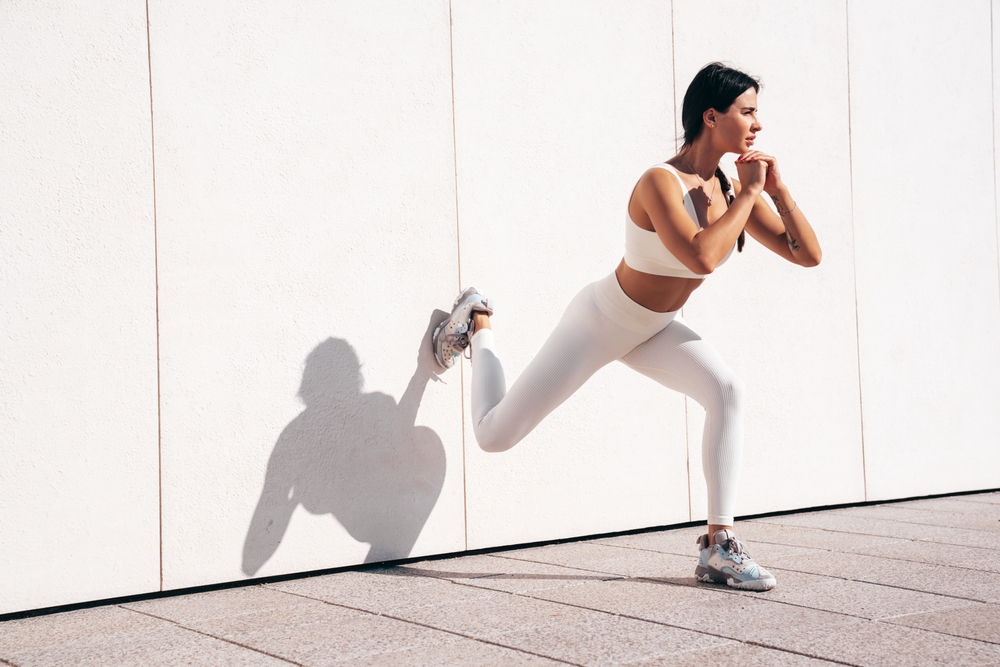
Core strength becomes critical after 40 because hormonal transitions, bone density changes, and muscle mass decline converge to compromise spinal stability, postural alignment, and functional movement capacity. The core musculature comprising the transverse abdominis, obliques, rectus abdominis, and pelvic floor serves as the foundation for all movement and posture. When this foundation weakens, the consequences extend to every aspect of physical function and quality of life.
Hormonal Changes Affecting Core Stability
Hormonal changes during perimenopause and menopause directly impact core stability by reducing muscle mass, altering fat distribution, and decreasing bone density. During the 40s, women experience a progressive decline in estrogen, the primary sex hormone regulating these metabolic processes.
Studies demonstrate that declining estrogen levels result in decreased bone mass and muscle mass, which can impair both strength and functional capacity. This loss of muscle tissue, termed sarcopenia, affects all muscles but particularly impacts the core, where muscle strength is essential for spinal support.
Simultaneously, fat storage patterns shift from the hips and thighs to the abdomen. This visceral fat accumulation, shown to increase during menopause, leads to metabolic dysfunction and can contribute to type 2 diabetes, metabolic syndrome, and cardiovascular disease. Beyond metabolic concerns, abdominal fat accumulation directly affects core function.
Research indicates that carrying additional abdominal fat decreases abdominal muscle strength. Combined with the concurrent decrease in muscle and bone mass, this creates a compounding effect that can lead to functional limitations, increased fall risk, and accelerated physical decline if left unaddressed.
Posture Shifts and Spinal Health
Posture shifts and spinal health deteriorate after 40 due to the combined effects of bone density loss, muscle weakness, and the gravitational stress accumulated over decades. Bones provide the structural framework and protect vital organs, while muscles attach to this framework to create movement and maintain postural alignment. When both systems weaken simultaneously, the spine becomes vulnerable.
Studies show that postmenopausal women experience a higher prevalence of low back pain, accelerated disc degeneration, facet joint osteoarthritis, and osteoporosis-related spinal fractures. The core muscles, when strong, counteract these forces by providing active stabilization that supplements the passive support from bones and ligaments.
Strengthening core muscles helps stabilize the spine and improve posture by creating muscular "guy-wires" that hold vertebrae in proper alignment. This muscular support reduces compressive forces on spinal discs, decreases stress on facet joints, and helps preserve bone density through the mechanical loading that stimulates bone remodeling.
Functional Strength for Daily Life
Functional strength for daily life refers to the physical capacity to perform everyday movements lifting, carrying, reaching, bending, and maintaining balance with control and without pain or injury risk. Core strength is the foundation of functional movement because the trunk stabilizes the spine while the limbs generate force.
Research indicates that core strengthening exercises effectively stabilize the lumbar spine and improve motor control, which directly supports balance and coordination during functional tasks. This stabilization prevents compensatory movement patterns that lead to injury and allows for efficient force transfer from the lower body to the upper body.
Combined with improvements to posture, spinal alignment, and neuromuscular control, enhanced core strength translates directly to improved function in daily life. Simple tasks like standing from a chair, carrying groceries, or maintaining posture during desk work all require core engagement. When core strength improves, these movements become easier, safer, and less fatiguing.
Understanding Your Core Beyond "Abs"
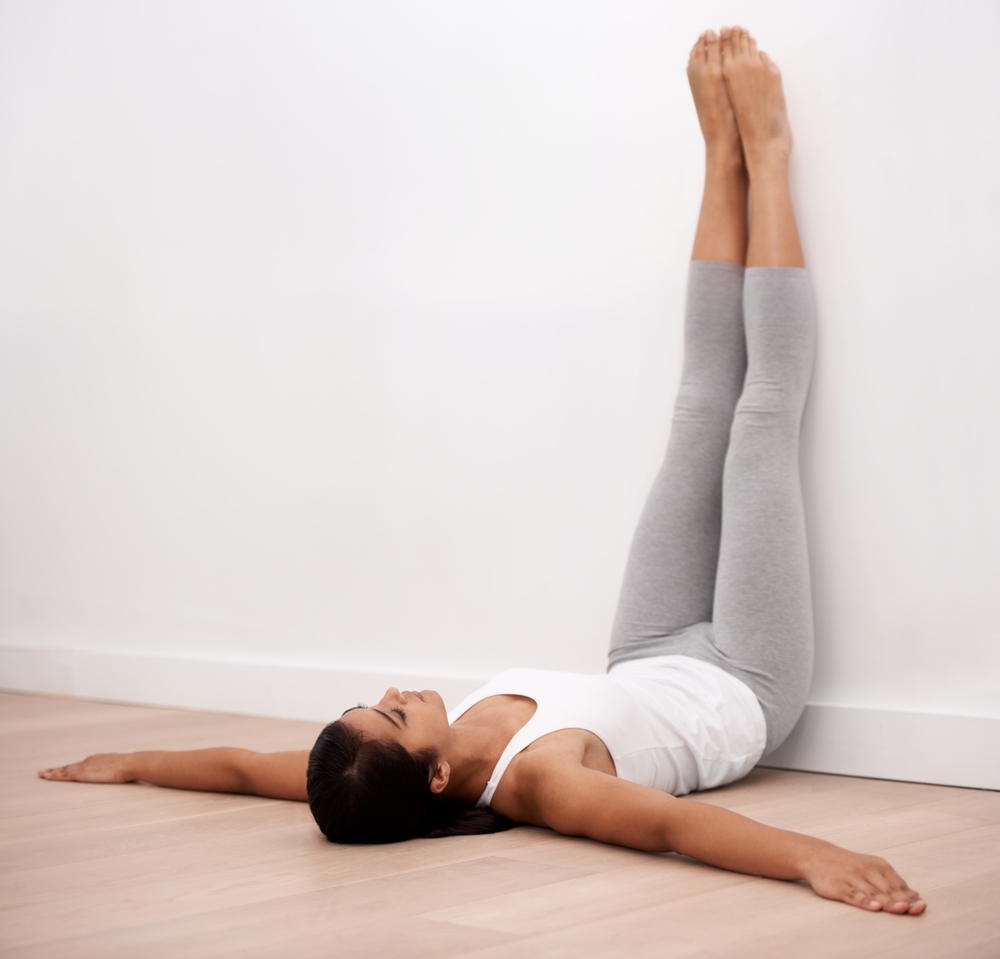
The core is a complex three-dimensional muscular system comprising four distinct layers of abdominal muscles, the pelvic floor, and the deep spinal stabilizers that work together to support the spine, control trunk movement, and maintain intra-abdominal pressure. True core function extends far beyond the superficial rectus abdominis muscle visible as "six-pack abs." Understanding this deeper anatomy is essential for targeting the muscles that create genuine stability.
The Four Layers of Core Musculature
The four layers of core musculature are the rectus abdominis, external obliques, internal obliques, and transverse abdominis. These muscles layer from superficial to deep, with each serving distinct yet integrated functions. Together, they create a muscular cylinder that surrounds the spine and abdominal cavity.
Rectus Abdominis
The rectus abdominis is the outermost visible abdominal muscle, best known for creating the "six-pack" appearance when body fat is low. This muscle runs vertically along the front of the abdomen and is primarily responsible for trunk flexion bending the torso forward.
- Origin: Pubic crest and pubic symphysis (front of the pelvis)
- Insertion: Cartilage of the 5th, 6th, and 7th ribs
- Action: Flexes the trunk forward, as in crunches or sit-ups
While the rectus abdominis is important for certain movements, it plays a limited role in spinal stabilization compared to the deeper core layers.
External Obliques
The external obliques run diagonally down the sides of the torso, covering the lateral walls of the abdomen. These muscles work to rotate the trunk to the opposite side, bend the torso laterally (side-to-side), and assist in forward flexion.
- Origin: External surfaces of ribs 5-12
- Insertion: Iliac crest (top of the hip bone), pubic tubercle, and linea alba (midline connective tissue)
- Action: Rotates the trunk to the opposite side, flexes the trunk laterally and forward
The external obliques are visible along the sides of a lean torso and contribute to the V-shape taper from ribs to hips.
Internal Obliques
The internal obliques lie beneath the external obliques, running in the opposite diagonal direction. This opposing fiber orientation allows the internal and external obliques to work together synergistically to create rotation and lateral flexion.
- Origin: Thoracolumbar fascia, anterior two-thirds of the iliac crest, and inguinal ligament
- Insertion: Ribs 10-12, linea alba, and pubic crest
- Action: Rotates the trunk to the same side, flexes the trunk laterally and forward
When the left internal oblique contracts with the right external oblique, rotation occurs. This coordinated action is essential for walking, turning, and all rotational movements.
Transverse Abdominis
The transverse abdominis is the deepest layer of the core muscles and the primary target in Pilates training. Acting like a natural corset, this muscle originates from the spine and wraps horizontally around the torso to insert at the front midline. This horizontal fiber orientation makes it uniquely suited for creating intra-abdominal pressure and spinal stabilization.
- Origin: Ribs 7-12, iliac crest, thoracolumbar fascia, and inguinal ligament
- Insertion: Linea alba, pubic crest, and aponeurosis of the internal oblique
- Action: Stabilizes the trunk, maintains intra-abdominal pressure, and holds abdominal organs in place
The transverse abdominis contracts before all limb movements, creating a stable base from which the arms and legs can move efficiently. This anticipatory stabilization is the hallmark of functional core strength.
Pelvic Floor Integration
The pelvic floor works as the bottom of the core cylinder, integrating with the abdominal muscles to increase intra-abdominal pressure, stabilize the spine, support breathing mechanics, and facilitate efficient force transfer. Proper pelvic floor engagement enhances overall core stability and prevents the downward pressure that can lead to pelvic organ prolapse.
During core engagement, the pelvic floor lifts gently upward and inward, working in coordination with the transverse abdominis. This coordinated action creates the cylinder of pressure that truly stabilizes the spine. Wall Pilates exercises naturally cue this integration through the breathing patterns and body positions used.
Deep Core vs. Superficial Muscles
Deep core muscles and superficial core muscles serve different but complementary functions in trunk control and movement. The deep core muscles primarily the transverse abdominis, multifidus (small spinal stabilizers), and pelvic floor create internal pressure and segmental spinal stabilization. This stabilization occurs before and during all movements to protect the spine.
The superficial core muscles the rectus abdominis and obliques create visible movement of the trunk, including flexion, lateral flexion, and rotation. These muscles are important for generating force and creating movement, but they cannot provide the deep stabilization required for spinal health.
Traditional ab exercises like crunches and sit-ups primarily target the superficial muscles while often bypassing the deep stabilizers. Wall Pilates, by contrast, emphasizes controlled movements and isometric holds that require deep core activation throughout, making it superior for building functional core strength.
Wall Pilates Core Engagement Technique

Core engagement in Wall Pilates refers to the active contraction of the deep abdominal muscles, particularly the transverse abdominis and pelvic floor, to create spinal stability and intra-abdominal pressure during movement. This engagement creates a stable link in the kinetic chain, allowing force to transfer efficiently from the lower body to the upper body and vice versa.
Proper core engagement requires coordinated breathing, conscious muscle activation, and neutral spinal alignment. The techniques below establish this foundation for all Wall Pilates exercises.
Finding True Core Activation
True core activation involves engaging the transverse abdominis and pelvic floor while maintaining a neutral spine position. This creates the deep stabilization required for safe, effective movement. Follow these steps to establish proper activation:
- Stand with your back and heels against the wall
- Place one hand on your lower abdomen below the navel
- Place your other hand behind your lower back, palm facing the wall
- Gently draw your shoulder blades back and down against the wall
- Tilt your hips back to flatten your lower back against your hand (posterior pelvic tilt)
- Then arch your lower back so it lifts away from your hand (anterior pelvic tilt)
- Find the position midway between these two extremes this is your neutral spine
- Inhale deeply through your nose, expanding your ribcage to the sides and back
- Exhale slowly and draw your belly button toward your spine
- Feel your lower abdominal muscles contract and firm beneath your hand
At the end of the exhale, you should feel a deep, internal tension not a superficial "sucking in" of the stomach, but a genuine muscular contraction from deep within the core. This sensation confirms transverse abdominis activation.
Breathing Pattern for Maximum Engagement
Breathing pattern for maximum engagement in Pilates is lateral thoracic breathing inhaling to expand the ribcage laterally while maintaining abdominal engagement, then exhaling to deepen core contraction. This breathing pattern differs fundamentally from belly breathing and is essential for maintaining core tension throughout movement.
The Pattern:
Inhale through the nose
- Allow the breath to fill your lungs and expand your ribcage laterally to the sides and back
- Imagine your ribcage is an accordion expanding horizontally
- Maintain a "proud chest" position with the sternum slightly lifted
- Avoid belly breathing the abdomen should not push outward
Exhale slowly through the mouth
- Engage your abdominal muscles, drawing the belly button deeper toward the spine
- Simultaneously engage the pelvic floor with a gentle upward lift
- The ribcage descends and returns to its starting position
- This is when you perform the effort phase of each exercise
Coordinate breathing with movement
- Exhale during the challenging or lifting phase of each movement
- Inhale during the return or lowering phase
- This coordination maintains intra-abdominal pressure and keeps the trunk stable throughout the full range of motion
This breathing pattern allows you to maintain core engagement continuously rather than holding your breath, which would increase blood pressure and reduce oxygen delivery to working muscles.
Common Engagement Mistakes
Common engagement mistakes compromise core activation effectiveness and can lead to compensatory patterns that reduce exercise benefits. Understanding these errors allows you to self-correct during practice.
Arching or Rounding the Back
Arching or rounding the back prevents even engagement of all four core muscle layers. An arched back (excessive lumbar lordosis) shifts tension to the superficial rectus abdominis and hip flexors while disengaging the transverse abdominis. A rounded back (posterior pelvic tilt) shortens the rectus abdominis but prevents the obliques and transverse abdominis from functioning optimally.
To avoid this, find and maintain a neutral spine position using the technique described above. Check your position frequently by placing your hand behind your lower back you should feel a small, natural curve, approximately the depth of your hand's thickness.
Not Incorporating Breathing
Not incorporating proper breathing is one of the most common mistakes that dramatically reduces core engagement intensity. Breathing drives the core contraction the exhale naturally engages the transverse abdominis and pelvic floor through the diaphragm's upward movement. When breathing is absent or improper, core engagement becomes superficial and ineffective.
To remedy this, pair every movement with conscious breathing. Practice the lateral thoracic breathing pattern in isolation before adding it to exercises. This deliberate practice establishes the neuromuscular pathway, making coordinated breathing automatic during exercise.
Not Engaging Transverse Abdominis
Not engaging the transverse abdominis means missing the primary stabilizer that Pilates specifically targets. The transverse abdominis is the deepest layer and the most challenging to access consciously. Many people can contract their rectus abdominis (the superficial "six-pack" muscle) but struggle to feel the deep, corset-like contraction of the transverse abdominis.
To ensure transverse abdominis engagement, practice the core activation technique regularly in standing or lying positions. Focus on the "drawing in" sensation rather than "sucking in" or "bracing." The contraction should feel deep and internal, not superficial. With consistent practice, you'll develop the mind-muscle connection needed to engage this muscle at will.
8 Essential Wall Pilates Exercises for Core Strength
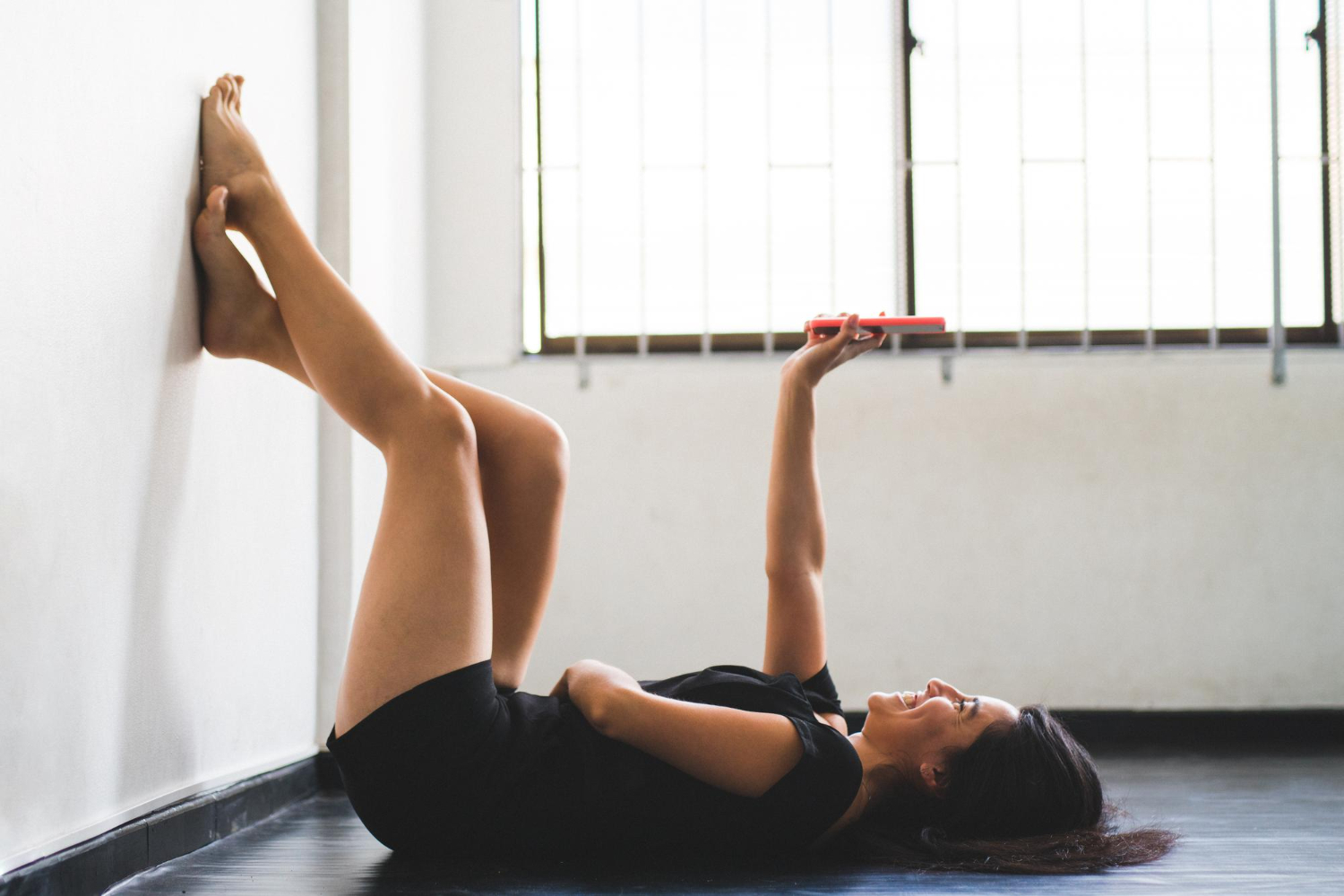
Wall Pilates exercises for core strength are specific movements that use the wall for support, resistance, or feedback while requiring sustained core engagement. These exercises progress from foundational movements that establish proper activation patterns to advanced challenges that demand high levels of strength and control.
The eight exercises below provide a complete core-strengthening system. Master the foundational exercises before progressing to advanced variations.
Exercises 1-4: Foundational Core Builders
Foundational core builders are entry-level Wall Pilates exercises that establish proper core engagement patterns, develop baseline strength in the deep stabilizers, and create the neuromuscular control required for more challenging movements. These four exercises form the foundation of any core-focused Wall Pilates practice.
For those new to Wall Pilates, understanding the fundamentals is essential before diving into core-specific training. Wall Pilates fundamentals cover the essential setup, safety considerations, and foundational movements that create the base for all advanced training. Once you master proper wall positioning, breathing techniques, and basic movements, you'll be ready to tackle the core-specific exercises below.
1. Wall Plank
The wall plank is a modified plank variation performed in a standing position with the forearms against the wall. This angle reduces the percentage of body weight being supported compared to a floor plank, making it accessible for beginners while still creating genuine core engagement.
Target Muscles:
- Transverse abdominis (primary stabilizer)
- Internal and external obliques (lateral stabilization)
- Rectus abdominis (trunk stability)
- Anterior deltoids and serratus anterior (shoulder stabilization)
How to Perform Wall Plank:
- Stand facing the wall, approximately 2-3 feet away
- Bend your elbows to 90 degrees and place your forearms flat against the wall at head height
- Position your feet hip-width apart
- Engage your core using the activation technique described earlier
- Lean your body weight into your forearms, creating a straight line from head to heels
- Avoid sagging at the hips or hiking the hips too high
- Hold this position for the designated duration while maintaining steady breathing
Professional Tips:
Beginners should start with their feet closer to the wall, which decreases the angle and reduces the resistance. As strength improves, step further back to increase difficulty. A distance of 3-4 feet creates a challenging angle for most practitioners.
Focus on maintaining neutral spine throughout the hold. The most common error is allowing the hips to sag, which shifts tension from the core to the lower back. If your hips begin to drop, step closer to the wall to reduce resistance.
2. Wall Roll-Down
The wall roll-down is a standing articulation exercise that strengthens the abdominal muscles eccentrically (during lengthening), mobilizes the spine segment by segment, and improves flexibility in the posterior chain. This movement teaches spinal articulation the ability to move one vertebra at a time which is fundamental to all Pilates practice.
Target Muscles:
- Paraspinal muscles (spinal erectors working eccentrically)
- Rectus abdominis (controlling trunk flexion)
- Internal and external obliques (controlling rotation and lateral stability)
- Transverse abdominis (maintaining core engagement throughout)
- Hamstrings (lengthening during the forward fold)
How to Perform Wall Roll-Down:
- Stand with your heels and back against the wall, feet hip-width apart
- Inhale to prepare, lengthening through the crown of your head
- Exhale and tuck your chin to your chest
- Begin rolling forward, peeling one vertebra at a time away from the wall
- Allow your arms to hang heavily as you continue rolling down
- Lower until your head reaches approximately knee height or your hands touch the floor
- Pause briefly in the bottom position
- Inhale to prepare for the return
- Exhale and roll back up, stacking one vertebra at a time against the wall
- The head returns to neutral position last
Professional Tips:
During the roll-down, focus on moving one segment of the spine at a time rather than hinging from the hips. This segmental articulation creates spinal mobility and deep core engagement.
Coordinate your breathing with the movement exhale as you roll down to allow greater depth and core activation. The exhalation naturally engages the transverse abdominis, which supports and controls the descent.
If you cannot reach the floor with your hands, simply lower as far as comfortable. The depth of the forward fold is less important than the quality of spinal articulation.
3. Wall Hundreds
The wall hundreds is a modified version of the classical Pilates hundred exercise. This foundational movement activates the entire core, increases circulation, and builds endurance in the stabilizing muscles. The wall provides support for the legs, making the exercise more accessible than the traditional version.
Target Muscles:
- Transverse abdominis and obliques (primary core stabilizers)
- Hip flexors (maintaining leg position)
- Anterior deltoids and arms (pumping movement)
- Rectus abdominis (maintaining spinal flexion)
How to Perform Wall Hundreds:
- Place your mat perpendicular to the wall
- Lie on your back with your heels against the wall and your arms by your sides, palms down
- Slide your feet up the wall so your legs form approximately a 60-degree angle with the floor
- Lift your feet away from the wall and point your toes, maintaining the 60-degree angle
- Curl your head and shoulders off the mat, reaching your arms forward
- Begin pumping your arms up and down in small, controlled movements (approximately 6 inches of range)
- Inhale for 5 arm pumps, then exhale for 5 arm pumps
- Complete 10 breathing cycles for a total of 100 arm pumps
- If you need to rest, touch your feet to the wall briefly, then continue
Professional Tips:
Beginners should start with legs at a 45-degree angle or rest their feet on the wall every 20 pumps. This reduces the demand on the hip flexors and core, allowing you to build endurance gradually.
Focus on maintaining neutral spine throughout avoid pressing your lower back into the mat, which would create posterior pelvic tilt. The natural lumbar curve should remain present. If your lower back begins to arch excessively, raise your leg angle or rest your feet on the wall.
The arm pumping should come from the shoulder, not from flicking the wrists. Keep your arms straight and engaged throughout.
4. Wall Single-Leg Stretch
The wall single-leg stretch is a dynamic core stability exercise that requires the core to maintain trunk position while the legs move independently. This challenges the anti-rotation and anti-extension functions of the core essential for functional movement.
Target Muscles:
- Rectus abdominis (maintaining trunk flexion)
- Transverse abdominis and obliques (preventing rotation and extension)
- Hip flexors (controlling leg movement)
- Hamstrings (controlling eccentric lengthening)
How to Perform Wall Single-Leg Stretch:
- Place your mat perpendicular to the wall
- Lie on your back with your feet flat against the wall, knees bent at 90 degrees
- Tuck your chin and curl your chest and shoulders off the mat
- Pull your left knee toward your chest while extending your right leg, pointing the toes to touch the wall at approximately a 60-degree angle
- Place your left hand on your left ankle and your right hand on your left knee (for gentle assistance)
- Switch legs: pull your right knee to your chest while extending your left leg toward the wall
- Continue alternating legs for the designated number of repetitions
- Maintain steady breathing: exhale as you switch legs
Professional Tips:
Beginners should start with the extended leg at a 45-degree angle (higher) to reduce the demand on the lower abdominals. As strength improves, lower the extended leg toward 30 degrees.
The most common error is allowing the torso to rock side to side as you switch legs. This rocking indicates inadequate core stability. To prevent this, slow down the leg switches and focus on maintaining a completely still torso.
Exhale each time you extend a leg. This breathing pattern helps maintain core engagement during the challenging phase of the movement.
Exercises 5-8: Advanced Core Challenges
Advanced core challenges are progressions of the foundational exercises that require higher levels of strength, control, and endurance. These four exercises should be attempted only after mastering the foundational movements with proper form.
5. Wall Double Leg Stretch
The wall double leg stretch is the progression from the single-leg stretch. Extending both legs simultaneously creates significantly greater demand on the lower abdominals and hip flexors, making it one of the most challenging classical Pilates movements.
Target Muscles:
- Rectus abdominis (resisting spinal extension)
- Transverse abdominis and obliques (maintaining core stability)
- Hip flexors (controlling both legs)
- Hamstrings (eccentric control)
How to Perform Wall Double Leg Stretch:
- Position your mat perpendicular to the wall
- Lie on your back with your feet flat on the wall and knees bent
- Tuck your chin and curl your shoulders off the mat
- Lift both legs off the wall to a 60-degree angle (or higher for beginners)
- Point your toes so they touch the wall
- Reach your arms overhead alongside your ears
- Inhale and pull both knees to your chest, wrapping your hands around your shins
- Pause briefly in this tucked position
- Exhale and extend both legs back to the starting position at 60 degrees while reaching arms overhead
- Repeat for the designated number of repetitions
Professional Tips:
The critical moment is the extension phase when both legs straighten. This is when most people lose core engagement and allow the lower back to arch. To prevent this, exhale forcefully during the extension and focus on pressing your lower back toward the mat (posterior pelvic tilt).
If you cannot maintain a neutral spine at 60 degrees, perform the movement with legs at 45 degrees until strength improves. Quality of core engagement is far more important than leg angle.
6. Wall Sit with Marches
The wall sit with marches combines isometric strengthening of the lower body with dynamic core stabilization. The static hold develops muscle and tendon strength, while the alternating leg lifts challenge the core to prevent rotation and maintain level hips.
Target Muscles:
- Quadriceps (primary movers in the isometric hold)
- Hamstrings and gluteus maximus (hip and knee stability)
- Adductors (inner thigh stabilization)
- Calves (ankle stabilization)
- Transverse abdominis and obliques (preventing rotation and lateral shift during marches)
How to Perform Wall Sit with Marches:
- Stand with your back against the wall and feet hip-width apart
- Press your back firmly against the wall and take one step forward with both feet
- Slide your back down the wall until your hips and knees are both bent to 90 degrees
- Your thighs should be parallel to the floor, knees directly over ankles
- Engage your core using the activation technique described earlier
- Inhale to prepare
- Exhale and lift your left foot approximately 4 inches off the floor, keeping the knee bent at 90 degrees
- Hold for 2-3 seconds, then lower with control
- Lift your right foot 4 inches off the floor
- Continue alternating for the designated duration
Professional Tips:
Start with smaller marches (2 inches) to make stabilization easier. As core strength improves, increase the march height to 4-6 inches.
If you are new to wall sits, begin with your knees bent at only 45 degrees (partial squat position) rather than the full 90-degree depth. This reduces the demand on both the legs and core, allowing you to build strength progressively.
Research shows that isometric exercises like wall sits effectively develop muscle mass and improve tendon structure, making this exercise valuable for both strength and structural adaptation.
7. Wall Roll-Up
The wall roll-up is an advanced articulation exercise that requires the core to lift the entire torso off the mat against gravity while simultaneously mobilizing the spine and improving hamstring flexibility. This movement demands significant abdominal strength and control.
Target Muscles:
- Rectus abdominis (trunk flexion)
- Transverse abdominis and obliques (core stabilization)
- Hip flexors (assisting the initial lift)
- Hamstrings (eccentric lengthening)
How to Perform Wall Roll-Up:
- Position your mat perpendicular to the wall
- Lie on your back with knees bent and feet flat on the wall
- Position your feet so your knees are bent slightly more than 90 degrees
- Extend your arms overhead, reaching toward the wall behind you
- Inhale to prepare
- Exhale, lift your arms toward the ceiling, and begin curling your head, shoulders, and upper back off the mat
- Continue rolling up sequentially, peeling each vertebra off the mat
- Reach forward as your torso comes to an upright position, arms extending toward your feet at a 45-degree angle
- Inhale at the top position
- Exhale and reverse the movement, rolling your spine back down to the mat one vertebra at a time
- Lower your arms overhead to return to the starting position
Professional Tips:
Press your feet firmly into the wall throughout the movement. This creates a stable base and provides a small amount of assistance during the challenging lifting phase.
Perform the entire movement with control and intention. The temptation is to use momentum to "throw" yourself up, but this bypasses the core strengthening benefit. If you cannot complete the roll-up smoothly, practice the wall roll-down (exercise #2) to build eccentric strength first.
The exhale is crucial during the rolling-up phase. The forced exhalation engages the transverse abdominis powerfully, providing the internal pressure needed to lift the torso.
8. Wall Oblique Twists
The wall oblique twists target the rotational core muscles the internal and external obliques while requiring the deeper stabilizers to prevent unwanted movement. This exercise develops both rotational strength and anti-rotation stability.
Target Muscles:
- Internal and external obliques (rotation)
- Rectus abdominis (maintaining flexion)
- Transverse abdominis (preventing extension)
How to Perform Wall Oblique Twists:
- Place your mat perpendicular to the wall
- Lie on your back with your knees bent at 90 degrees and feet flat on the wall
- Place both hands behind your head with elbows wide
- Curl your head and shoulders off the mat to establish the starting position
- Inhale to prepare
- Exhale and rotate your left shoulder toward your right knee, bringing your left elbow across your body
- The goal is to rotate, not to touch elbow to knee focus on the oblique contraction
- Inhale and lower back to center, maintaining the chest-lifted position
- Exhale and rotate your right shoulder toward your left knee
- Inhale and return to center
- Continue alternating for the designated number of repetitions
Professional Tips:
Keep your hands placed gently behind your head to support the neck do not pull on your head with your arms. The rotation should come entirely from the obliques twisting the torso, not from the arms yanking the head.
Avoid swinging or using momentum. Each rotation should be performed with control, with a brief pause at full rotation to maximize the contraction.
Keep your hips completely still and level throughout. The rotation occurs only in the upper torso. If your hips begin to rock side to side, slow down and reduce your range of motion.
Programming Core-Focused Wall Pilates Workouts

Programming core-focused Wall Pilates workouts involves strategically organizing exercises, sets, repetitions, rest periods, and weekly frequency to create progressive overload and systematic strength development. Proper programming ensures consistent progress while allowing adequate recovery.
The two programs below provide structured routines for beginners and advanced practitioners. Each program includes exercise selection, volume prescriptions, and weekly scheduling.
Beginner 20-Minute Targeted Core Routine
The beginner routine introduces the four foundational Wall Pilates exercises using a three-day-per-week frequency that balances training stimulus with recovery time. This program builds baseline core strength, establishes proper movement patterns, and creates the neuromuscular adaptations needed for progression.
Training Frequency: Three days per week with at least one rest day between sessions
Program Duration: 4-6 weeks before progressing to advanced routine
Weekly Structure:
| Mon | Tues | Wed | Thurs | Fri | Sat | Sun |
|---|---|---|---|---|---|---|
| Train | Rest | Train | Rest | Train | Rest | Rest |
Beginner Routine:
| Exercise | Sets | Reps/Duration | Rest Time |
|---|---|---|---|
| Wall Hundreds | 1 | 100 Reps | 20-30 Sec |
| Wall Plank | 3 | 30 Sec | 45-60 Sec |
| Wall Roll-Down | 3 | 10 Reps | 45-60 Sec |
| Wall Single-Leg Stretch | 3 | 10-12 Reps/Leg | 45-60 Sec |
Execution Notes:
- Wall Hundreds: Complete as one continuous set. Rest briefly if needed by touching feet to wall.
- Wall Plank: Focus on quality of alignment. Reduce duration to 20 seconds if proper form cannot be maintained.
- Wall Roll-Down: Articulate spine one vertebra at a time. Depth is less important than control.
- Wall Single-Leg Stretch: Reps are per leg (10-12 per side = 20-24 total switches).
Progression Indicators:
You are ready to progress to the advanced routine when you can:
- Complete all sets with proper form
- Hold wall plank for 30 seconds without form breakdown
- Perform single-leg stretch with legs at 45-degree angle
- Recover fully between sessions (no excessive soreness lasting >48 hours)
Advanced 20-Minute Targeted Core Routine
The advanced routine incorporates both foundational and advanced exercises, increases training frequency to four days per week, reduces rest periods, and adds volume to create greater progressive overload. This program develops advanced core strength, endurance, and control.
Training Frequency: Four days per week with strategic rest day placement
Program Duration: 6-8 weeks before modifying exercises or adding complexity
Weekly Structure:
| Mon | Tues | Wed | Thurs | Fri | Sat | Sun |
|---|---|---|---|---|---|---|
| Train | Rest | Train | Rest | Train | Rest | Train |
Advanced Routine:
| Exercise | Sets | Reps/Duration | Rest Time |
|---|---|---|---|
| Wall Hundreds | 1 | 100 Reps | 20-30 Sec |
| Wall Roll-Up | 3 | 6-10 Reps | 30-45 Sec |
| Wall Oblique Twists | 3 | 12-16 Reps/Side | 30-45 Sec |
| Wall Double Leg Stretch | 2 | 10-12 Reps | 30-45 Sec |
| Wall Sit with Marches | 1 | 30 Sec | 30-45 Sec |
Execution Notes:
- Wall Roll-Up: If you cannot complete 6 reps with control, substitute wall roll-downs until strength improves.
- Wall Oblique Twists: Reps are per side (12-16 per side = 24-32 total rotations).
- Wall Double Leg Stretch: Start with legs at 45 degrees and progress to 30 degrees as strength allows.
- Wall Sit with Marches: Maintain 90-degree knee angle throughout. If this is too challenging, reduce to 60-degree knee bend.
Progression Strategies:
Continue progressive overload by:
- Increasing repetitions (add 1-2 reps per week)
- Decreasing rest periods (reduce by 5 seconds per week)
- Increasing time under tension (slow down movement tempo)
- Advancing exercise variations (lower leg angles, increase march height)
Progressive Overload for Core
Progressive overload for core training is the systematic increase in training stress over time through manipulating volume, intensity, time under tension, or movement complexity. This principle drives continued adaptation and strength gains beyond the initial beginner phase.
Research explains that progressive overload can be achieved by increasing resistance, sets, repetitions, or training intensity. For Wall Pilates, where external resistance is limited, progression occurs primarily through:
Body Position Modification
Adjusting body angle changes the percentage of body weight resisted. For wall planks, stepping further from the wall increases the challenge. For leg-based exercises like the wall hundreds and stretches, lowering the leg angle from 60 degrees to 45 degrees to 30 degrees progressively increases core demand.
Volume Increases
Adding sets or repetitions increases total work performed. Begin by adding 1-2 repetitions per week to each exercise. Once you reach the upper end of the rep range (e.g., 16 reps), add an additional set.
Intensity Methods
Extending hold durations for isometric exercises (wall planks, wall sits) or slowing movement tempo for dynamic exercises increases time under tension, which creates greater metabolic stress and muscular adaptation.
Rest Period Reduction
Decreasing rest intervals between sets increases workout density and cardiovascular demand while maintaining the strength stimulus. Reduce rest by 5-second increments weekly.
Apply these methods strategically, changing only one variable at a time to ensure you can track which progression drives your improvements.
Core Strength for Back Pain Relief
Core strength for back pain relief works by improving spinal stability, reducing excessive load on passive structures (discs, ligaments, facet joints), and correcting movement patterns that contribute to pain. Back pain is remarkably prevalent, with studies showing that 23% of adults suffer from back pain globally, with lifetime prevalence reaching 84%. Common causes include trauma, degenerative changes, inflammatory conditions, postural stress, and referred pain from other structures.
Developing core strength addresses the mechanical contributors to back pain by creating active muscular support that supplements the passive spinal structures.
Addressing Lower Back Pain Through Core
Addressing lower back pain through core strengthening works by creating muscular "guy-wires" that stabilize the lumbar spine, reducing compressive and shear forces on pain-sensitive structures. Research demonstrates that back pain can be effectively addressed by strengthening both the core musculature and posterior chain muscles (hamstrings, gluteus maximus, spinal erectors).
Pilates specifically has been shown to be highly effective for pain relief and functional enhancement in individuals with chronic low back pain. This effectiveness stems from Pilates' emphasis on deep core activation, controlled movement, and the integration of breathing all factors that improve spinal stability and motor control.
The optimal approach combines multiple training modalities. Evidence suggests that effective core training for back pain includes either traditional resistance training 3-4 sessions per week (30-45 minutes per session) or Pilates training 2-3 sessions per week (50 minutes per session) for a duration of 8-12 weeks. Wall Pilates fits the latter prescription perfectly.
Safe Modifications for Existing Pain
Safe modifications for existing pain involve adjusting exercise intensity, range of motion, and complexity to allow training within tolerable pain levels while avoiding movements that exacerbate symptoms. The goal is to strengthen the core progressively without causing pain flares that interrupt training consistency.
When training with existing back pain, a pain level of 1-4 on a 10-point scale during exercise is generally acceptable, provided pain decreases to baseline within 24-48 hours post-exercise. This guideline, commonly used in rehabilitation settings, allows for some discomfort during training while ensuring you're not causing tissue damage or inflammation.
Key Modifications:
- Reduce range of motion (partial movements only)
- Increase rest periods between sets (allow 90-120 seconds if needed)
- Decrease exercise difficulty (use easier variations)
- Avoid end-range spinal flexion or extension if these movements provoke pain
- Prioritize exercises in neutral spine positions
If you have a diagnosed spinal condition (herniated disc, spinal stenosis, spondylolisthesis, etc.), consult with your healthcare provider before beginning this program. Certain conditions require specific exercise modifications or precautions.
Wall Pilates has proven particularly effective for addressing specific back pain conditions. For those experiencing lower back discomfort, targeted exercises that strengthen the core while maintaining neutral spine positioning can provide significant relief. Exercises like the wall plank, wall roll-down, and modified stretches focus on building deep core stability without excessive spinal flexion or extension.
When to Progress Intensity
When to progress intensity depends on your ability to complete the current program volume with proper form, minimal fatigue, and no pain increase. Progression should be gradual, changing only one training variable at a time.
Progression Readiness Indicators:
- You complete all prescribed sets and reps with proper form
- The prescribed volume feels moderately challenging but not exhausting
- You recover fully between sessions (soreness resolves within 48 hours)
- Pain levels remain stable or decrease over 2-3 weeks
- You can perform exercises with better control and awareness than when you started
How to Progress:
When you meet the readiness indicators above, progress using the strategies outlined in the Progressive Overload section:
- Add 1-2 repetitions per exercise
- Increase hold durations by 5-10 seconds
- Decrease rest periods by 5-10 seconds
- Advance to more challenging exercise variations
Never progress multiple variables simultaneously. For example, if you increase repetitions this week, maintain rest periods and exercise variations constant. This methodical approach allows you to identify which progression strategies work best for your body.
Some practitioners find that combining Wall Pilates with complementary training methods accelerates results. Wall Pilates pairs particularly well with resistance band work, which adds variable resistance to core movements. Resistance bands enhance the progressive overload principle by allowing incremental strength increases through band tension adjustments.
Measuring Core Strength Progress
Measuring core strength progress involves tracking functional improvements, stability gains, and performance markers that reflect real-world changes in capability. While aesthetic changes (visible muscle definition) may occur, these are poor indicators of deep core strength and function. The metrics below provide meaningful feedback on your core development.
Functional Markers Beyond Appearance
Functional markers beyond appearance are observable improvements in exercise performance and daily activity capabilities that demonstrate genuine strength gains. These markers include increased endurance in core exercises, improved technique quality, and enhanced automatic core engagement during daily movements.
Exercise Performance Markers:
- Increased repetitions completed with proper form
- Extended hold durations in isometric exercises (wall plank, wall sit)
- Improved exercise technique (better control, less compensation)
- Ability to perform exercises at more challenging angles or positions
- Reduced perceived exertion for the same workout volume
Daily Function Markers:
- Core muscles automatically engage when lifting or carrying objects
- Improved posture during prolonged sitting or standing
- Less fatigue during activities requiring trunk stability
- Easier performance of functional movements (getting up from floor, reaching overhead, bending to pick up objects)
- Reduced need to consciously "remember" to engage core it happens reflexively
These functional improvements are the true measure of core training success because they demonstrate that the strength you're building transfers to real-life demands.
For practitioners seeking structured progression beyond the routines provided here, following a systematic Wall Pilates program with progressive phases can optimize results. A well-designed program typically includes 4-6 week training blocks with built-in progression, recovery weeks, and assessment points. Structured programs provide daily workouts that systematically build core strength from foundational to advanced levels, ensuring consistent progress without guesswork.
Tracking Stability Improvements
Tracking stability improvements involves monitoring changes in your ability to maintain trunk position during movement, balance during single-leg tasks, and spinal control during challenging exercises. Stability improvements often manifest as:
Reduced Pain:
If you began this program with back pain, decreasing pain intensity and frequency indicates that core stabilization is protecting spinal structures more effectively. Track pain levels on a 0-10 scale weekly.
Improved Balance and Proprioception:
Better balance during single-leg exercises, reduced wobbling during holds, and improved awareness of body position in space all reflect enhanced neuromuscular control driven by core stability.
Feeling of Abdominal Support:
Many practitioners report a sensation of the core "holding them up" or providing internal support during both exercise and daily activities. This subjective feeling reflects improved automatic activation of the deep stabilizers.
Movement Confidence:
Individuals with a history of back pain often develop movement apprehension hesitation before performing certain movements due to fear of pain. As core strength and stability improve, this apprehension typically decreases, and movement confidence increases.
Record these observations in a training journal. While subjective, these qualitative markers provide valuable feedback on the functional impact of your training.
Long-Term Core Maintenance
Long-term core maintenance refers to the ongoing training commitment required to preserve core strength and the integration of core engagement into daily movement patterns. Core strength, like all fitness qualities, operates on a "use it or lose it" principle detraining occurs when stimulus is removed.
Maintaining core strength long-term requires:
Consistent Training
Continue performing core-focused Wall Pilates 2-3 times per week indefinitely. This frequency maintains the neuromuscular adaptations you've developed while allowing adequate recovery.
Progressive Variation
Periodically modify your routine by changing exercise selection, adjusting sets and reps, or incorporating new movement patterns. This variation prevents adaptation plateaus and maintains training engagement.
Daily Integration
Make core engagement habitual during daily activities. Practice engaging your core when standing from a chair, lifting objects, walking, or maintaining posture during desk work. This integration reinforces the mind-muscle connection and ensures your training transfers to real-world function.
Body Awareness
Maintain awareness of your posture and movement quality. Notice when you're slumping or compensating, and consciously correct these patterns using your improved core strength.
With consistent practice and mindful integration, core strength becomes a permanent foundation for improved movement quality, reduced injury risk, and enhanced quality of life.
Wall Pilates for Core Strength: Essential Takeaways

Wall Pilates for core strength provides women over 40 with a safe, progressive method for building the deep trunk stability needed to counter age-related muscle loss, improve posture, reduce back pain, and enhance functional movement capacity. Unlike traditional ab exercises that target superficial muscles, Wall Pilates specifically engages the transverse abdominis and pelvic floor the foundational stabilizers that create true spinal support.
Key concepts covered:
Why core strength becomes critical after 40: Hormonal changes reduce muscle mass and alter fat distribution, while bone density loss and postural decline compromise spinal stability. Strong core muscles counteract these changes by providing active support that supplements passive structures.
True core anatomy beyond "abs": The four-layer core system (rectus abdominis, external obliques, internal obliques, transverse abdominis) plus the pelvic floor work together to stabilize the spine. The deepest layer the transverse abdominis is the primary target in Pilates training.
Wall Pilates core engagement technique: Proper engagement requires finding neutral spine, practicing lateral thoracic breathing, and consciously activating the transverse abdominis. Common mistakes include arching/rounding the back, improper breathing, and failure to engage the deepest layer.
Eight essential exercises with progression: The program moves from foundational movements (wall plank, roll-down, hundreds, single-leg stretch) to advanced challenges (double leg stretch, wall sit with marches, roll-up, oblique twists), each targeting different aspects of core function.
Strategic programming: Beginners train 3 days per week with moderate volume and longer rest periods. Advanced practitioners train 4 days per week with increased volume and reduced rest. Progressive overload occurs through position modification, volume increases, and intensity methods.
Back pain relief through core strength: Research demonstrates that core strengthening, particularly through Pilates, effectively reduces chronic low back pain by improving spinal stability and motor control. Training within tolerable pain levels (1-4/10) while avoiding pain flares allows progressive strengthening.
Meaningful progress tracking: Focus on functional markers (exercise performance, daily movement quality) and stability improvements (reduced pain, better balance, movement confidence) rather than aesthetic changes.
Begin with the beginner 20-minute routine twice this week, prioritizing proper breathing and core engagement over speed or depth. Master the foundational exercises before progressing to advanced variations.
Many women wonder whether Wall Pilates can support weight loss goals alongside core strengthening. The answer is yes when practiced consistently with proper nutrition, Wall Pilates creates a sustainable calorie deficit while building lean muscle mass. Wall Pilates for weight loss combines the core-strengthening benefits covered in this guide with metabolic conditioning that enhances fat burning. The deep muscle engagement increases resting metabolic rate, while the controlled movements burn calories without excessive joint stress.
Many practitioners compare Wall Pilates to other popular Pilates variations to understand which approach best suits their goals. Wall Pilates differs from mat Pilates primarily in accessibility and stability the wall provides consistent support that makes proper form easier to achieve. Understanding these differences helps you select the most effective training approach for your specific fitness level and goals.
For a complete progressive Wall Pilates system with structured programming and expert coaching, explore our Wall Pilates program.
15 mins Pilates on your terms – anytime, anywhere.
Get your planSources
Sipilä S, Törmäkangas T, Sillanpää E, Aukee P, Kujala UM, Kovanen V, Laakkonen EK. Muscle and bone mass in middle-aged women: role of menopausal status and physical activity. J Cachexia Sarcopenia Muscle. 2020 Jun;11(3):698-709. doi: 10.1002/jcsm.12547. Epub 2020 Feb 3. PMID: 32017473; PMCID: PMC7296268. https://pmc.ncbi.nlm.nih.gov/articles/PMC7296268/
Lizcano F, Guzmán G. Estrogen Deficiency and the Origin of Obesity during Menopause. Biomed Res Int. 2014;2014:757461. doi: 10.1155/2014/757461. Epub 2014 Mar 6. PMID: 24734243; PMCID: PMC3964739. https://pmc.ncbi.nlm.nih.gov/articles/PMC3964739/
Arif, M., Gaur, D.K., Gemini, N., Iqbal, Z.A. and Alghadir, A.H. (2022) 'Correlation of percentage body fat, waist circumference and waist-to-hip ratio with abdominal muscle strength', Healthcare, 10(12), 2467. doi:10.3390/healthcare10122467. https://www.mdpi.com/2227-9032/10/12/2467
Wang YXJ. Menopause as a potential cause for higher prevalence of low back pain in women than in age-matched men. J Orthop Translat. 2016 Jun 14;8:1-4. doi: 10.1016/j.jot.2016.05.012. PMID: 30035087; PMCID: PMC5987020. https://pmc.ncbi.nlm.nih.gov/articles/PMC5987020/
Kang KY. Effects of core muscle stability training on the weight distribution and stability of the elderly. J Phys Ther Sci. 2015 Oct;27(10):3163-5. doi: 10.1589/jpts.27.3163. Epub 2015 Oct 30. PMID: 26644666; PMCID: PMC4668157. https://pmc.ncbi.nlm.nih.gov/articles/PMC4668157/
Plotkin D, Coleman M, Van Every D, Maldonado J, Oberlin D, Israetel M, Feather J, Alto A, Vigotsky AD, Schoenfeld BJ. Progressive overload without progressing load? The effects of load or repetition progression on muscular adaptations. PeerJ. 2022 Sep 30;10:e14142. doi: 10.7717/peerj.14142. PMID: 36199287; PMCID: PMC9528903. https://pmc.ncbi.nlm.nih.gov/articles/PMC9528903/
Oranchuk DJ, Storey AG, Nelson AR, Cronin JB. Isometric training and long-term adaptations: Effects of muscle length, intensity, and intent: A systematic review. Scand J Med Sci Sports. 2019 Apr;29(4):484-503. doi: 10.1111/sms.13375. Epub 2019 Jan 13. PMID: 30580468. https://pubmed.ncbi.nlm.nih.gov/30580468/
Tataryn, N., Simas, V., Catterall, T. et al. Posterior-Chain Resistance Training Compared to General Exercise and Walking Programmes for the Treatment of Chronic Low Back Pain in the General Population: A Systematic Review and Meta-Analysis. Sports Med - Open 7, 17 (2021). https://doi.org/10.1186/s40798-021-00306-w
Guo, X.B., Lan, Q., Ding, J., Tang, L. and Yang, M. (2025) 'Effects of different types of core training on pain and functional status in patients with chronic nonspecific low back pain: a systematic review and meta-analysis', Frontiers in Physiology, 16, 1672010. doi:10.3389/fphys.2025.1672010. https://www.frontiersin.org/journals/physiology/articles/10.3389/fphys.2025.1672010/full
Lin HT, Hung WC, Hung JL, Wu PS, Liaw LJ, Chang JH. Effects of pilates on patients with chronic non-specific low back pain: a systematic review. J Phys Ther Sci. 2016 Oct;28(10):2961-2969. doi: 10.1589/jpts.28.2961. Epub 2016 Oct 28. PMID: 27821970; PMCID: PMC5088161. https://pmc.ncbi.nlm.nih.gov/articles/PMC5088161/
Low Back Pain. In: StatPearls [Internet]. Treasure Island (FL): StatPearls Publishing; 2024. https://www.ncbi.nlm.nih.gov/books/NBK538173/
FAQs
### Is Wall Pilates effective for building core strength?
Yes, Wall Pilates is highly effective for building core strength, particularly the deep stabilizing muscles that traditional ab exercises often miss. Wall Pilates specifically targets the transverse abdominis and pelvic floor through controlled movements, isometric holds, and coordinated breathing patterns. Research shows that Pilates-based training significantly improves core strength, spinal stability, and functional capacity in adults, with particular benefits for those over 40 experiencing age-related muscle loss.
How long does it take to see core strength results from Wall Pilates?
Most practitioners notice initial improvements in core engagement awareness and exercise technique within 2-3 weeks of consistent practice. Measurable strength gains increased hold durations, more repetitions, better stability during exercises typically appear within 4-6 weeks when training 2-3 times per week. Functional improvements like reduced back pain, better posture, and enhanced daily movement quality often develop within 6-8 weeks. The timeline varies based on starting fitness level, training consistency, and program intensity.
Can Wall Pilates replace traditional ab workouts for core strength?
Yes, for most people Wall Pilates can completely replace traditional ab workouts and will likely produce superior functional core strength. Traditional ab exercises like crunches primarily target the superficial rectus abdominis while often bypassing the deep stabilizers. Wall Pilates, by contrast, emphasizes transverse abdominis engagement the muscle that creates genuine spinal stability. Unless your specific goal is maximum rectus abdominis hypertrophy for competitive bodybuilding, Wall Pilates provides more comprehensive and functional core development.
Is Wall Pilates safe for core training with existing back pain?
Yes, Wall Pilates is generally safe for those with existing back pain and is often recommended in rehabilitation settings specifically for back pain management. The wall provides stability that prevents excessive spinal movement, while the controlled pace and emphasis on proper form minimize injury risk. Training within a pain level of 1-4 out of 10, avoiding movements that provoke sharp pain, and using appropriate modifications allows progressive strengthening without exacerbating symptoms. However, individuals with diagnosed spinal conditions should consult their healthcare provider before beginning any exercise program.
How many times per week should I do Wall Pilates for core strength?
Practice Wall Pilates for core strength 2-3 times per week with at least one rest day between sessions. This frequency provides sufficient stimulus for strength gains while allowing adequate recovery time for the core muscles to adapt. Beginners should start with 2 sessions per week and add a third session after 3-4 weeks once the movement patterns feel comfortable. Training more than 3 times per week offers minimal additional benefit for core strength and may compromise recovery, particularly for those over 40 whose recovery capacity is reduced compared to younger individuals.