15 mins Pilates on your terms – anytime, anywhere.
Get your plan
15 mins Pilates on your terms – anytime, anywhere.
Get your plan
Advanced Wall Pilates is a progression stage of Wall Pilates practice that combines multiple movement patterns, extended time under tension, and sophisticated mind-muscle connection to challenge experienced practitioners. This practice builds on foundational Wall Pilates movements by adding complexity, dynamic elements, and increased intensity specifically designed for women over 40 who have established consistent practice.
The natural progression from beginner practice requires mastery of core principles and sufficient strength foundation before attempting higher-level techniques. Progression at this stage focuses on movement sophistication rather than difficulty alone, challenging the body through controlled complexity without risking injury.
This article covers readiness assessment for advancing your practice, progressive overload principles specific to Wall Pilates, ten advanced movements with detailed form cues, dynamic movement flow creation, programming strategies, and injury prevention at higher intensity levels.
Determining Your Readiness for Advanced Practice
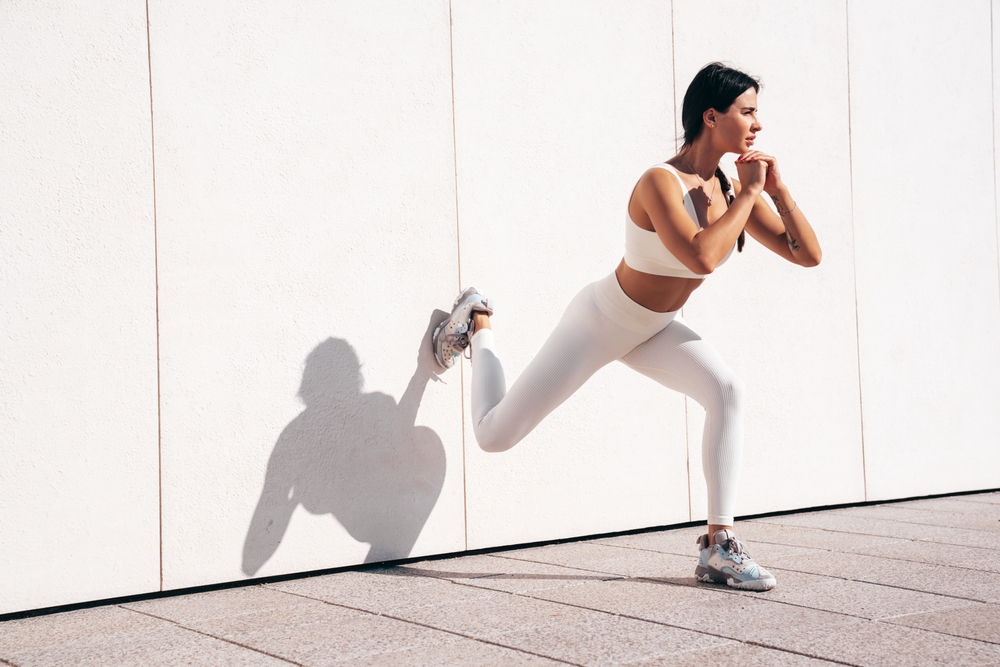
Readiness for advanced Wall Pilates practice involves three key assessment areas: mastery checkpoint verification, strength and stability prerequisites, and understanding of personal progression patterns. Advancing too quickly without proper foundation increases injury risk and limits progress potential.
Mastery Checkpoints Before Advancing
Mastering core movement principles is essential for advancing in Wall Pilates. Progression requires the ability to perform movements with consistent alignment, control, and precision not simply the ability to complete the exercises. The six core Pilates principles provide the framework for assessing advancement readiness.
Breathing mastery means controlling breath patterns to align and engage the core throughout movement sequences. Proper breathing supports muscle engagement and maintains spinal stability during complex movements.
Concentration refers to establishing and maintaining deliberate mind-muscle connection, actively engaging core and target muscles for the entire workout duration. Advanced movements require sustained focus to execute properly.
Centering is the ability to initiate all movements from deep core muscles, allowing the core to dictate exercise execution without relying on arms and legs. This principle becomes increasingly important as movements grow more complex.
Control involves performing exercises with sustained precision through the full range of motion. Advanced movements challenge control significantly maintaining it becomes progressively harder as complexity increases.
Precision means accurately executing combined aspects of exercise including breathing, muscle engagement, and technique simultaneously. Quality of movement matters more than quantity, with emphasis on completing quality repetitions rather than maximum repetitions.
Flow is the capacity to transition between movements seamlessly throughout a session. Effective position changes without disruption require endurance, balance, and control working together.
Strength and Stability Prerequisites
Progressing to advanced Wall Pilates requires sufficient strength and stability levels to perform complex movements safely and effectively.
Strength prerequisite involves demonstrating the capacity to perform beginner and intermediate Wall Pilates movements with control through the entire range of motion without using momentum. This requires muscles to maintain greater time under tension, particularly challenging in end ranges of motion where leverage decreases.
Stability prerequisite means the core, hips, and shoulders engage and function as one integrated unit throughout movements. Dynamic stability maintaining alignment while moving distinguishes advanced practitioners from intermediate ones.
When these elements are consistently present during fundamental Wall Pilates exercises, the foundation exists for advancing to higher-level movements. If you're still building these foundations, our guide on Pilates for women over 40 provides essential progressions.
Understanding Personal Progression
Understanding personal progression patterns is essential when advancing Wall Pilates practice. This requires examining how you feel and perform during and after sessions, noting changes over time.
For example, establishing mind-body connection may have been difficult initially. Early fatigue was common, and certain exercises presented significant challenges. These experiences create baseline data points.
As practice progresses, these aspects improve mind-body connection strengthens, fatigue resistance increases, and previously challenging exercises become manageable. These changes indicate personal progression.
Assessing performance through mental or written notes including energy levels, specific challenges, breakthrough moments, and recovery patterns creates valuable data. Over time, this information reveals training experience patterns and highlights measurable progress. For women starting their journey, our comprehensive guide to getting started with Wall Pilates provides the foundational framework needed before advancing to higher-level techniques.
Progressive Overload Principles in Wall Pilates
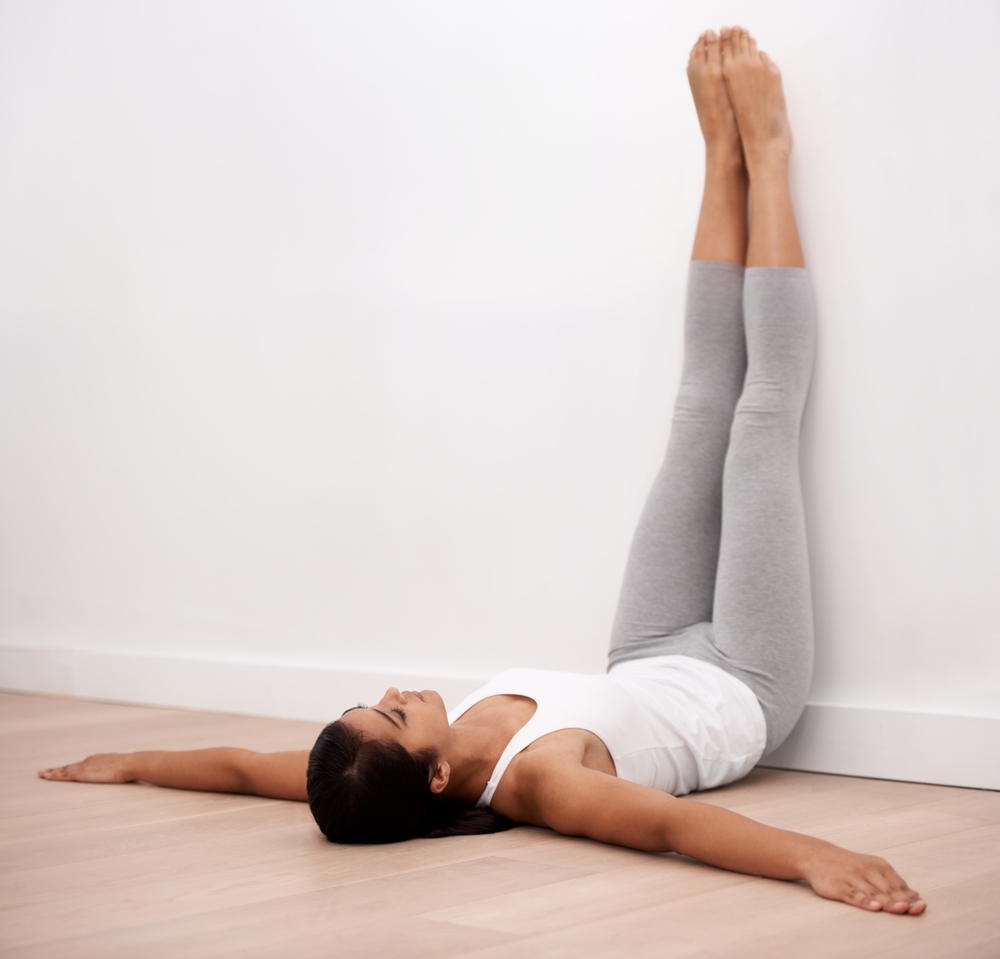
Progressive overload is the gradual increase of stress placed on the body during resistance training, achieved by increasing weight, sets, repetitions, or intensity. Research confirms that progressive overload drives muscular adaptation and strength gains across training modalities.
Progressive overload in Wall Pilates follows these same fundamental principles by extending time under tension duration, increasing intensity through eccentric phase emphasis, and strategically modifying movement complexity.
Increasing Time Under Tension Safely
Time under tension refers to the duration muscles remain under load during exercise. Studies demonstrate that modifying time under tension by slowing movement speed increases muscle activation, leading to strength gains without excessive load.
This principle makes time under tension particularly effective for Wall Pilates, allowing progressive overload through extended hold durations and slower movements without added external resistance.
Safe time under tension progression involves slowing movements using controlled tempos such as 4 seconds down and 4 seconds up. The key is selecting tempo or duration that allows maintaining correct technique, stability, and spinal alignment throughout the movement.
Adding Complexity Without Compensation
Progressive overload through complexity requires challenging yourself while maintaining correct technique. Compensation patterns using incorrect muscles or movement patterns to complete exercises undermine progression and create injury risk.
Increased repetitions and duration apply greater stimulus to muscles, leading to progressive overload. Add repetitions or duration only when current volume can be completed with perfect form.
Extended levers involve straightening limbs or moving the body further from the wall, increasing resistance and intensity through leverage changes. Extended positions challenge stability significantly.
Reduced points of contact means removing support taking one foot or hand off the wall reduces stability and increases resistance demand. This progression method requires strong foundational strength.
Equipment and props such as resistance bands, Pilates balls, Pilates circles, and light weights add or alter resistance patterns, placing greater demand on core stability and strength.
Eccentric Control Emphasis
Eccentric control refers to the lengthening phase of muscle contraction while under tension. A 2019 study revealed that regularly performing eccentric contractions promotes greater gains in muscle mass, strength, and neural adaptations compared to concentric-only training.
Wall Pilates emphasis on control and precision enables concentrated focus on the eccentric phase, progressively overloading muscles. This leads to superior muscle mass development, strength gains, and improved neuromuscular coordination.
10 Advanced Wall Pilates Movements

Advancing to higher-level Wall Pilates practice doesn't require immediately jumping into the most complex movements. Strategic progression involves gradually introducing new exercises over time as foundational strength and control improve.
The following ten advanced Wall Pilates movements include five foundation-building exercises and five mastery-level challenges designed to develop exceptional core strength and full-body control. Many practitioners wonder about the effectiveness of this approach our article on can you lose weight with Wall Pilates explores how advanced techniques contribute to body composition changes.
Movements 1-5: Building on Foundations
1. Standing Wall Hip Extensions
Standing wall hip extensions are an advanced movement requiring posterior chain and core integration to align the spine and stabilize the hips against rotation. The complex positioning combined with single-leg hip extension makes this exercise suitable only for advanced Wall Pilates practitioners.
Target Muscles
- Transverse abdominis
- Obliques
- Glutes (maximus, medius, minimus)
- Erector spinae
- Hamstrings
- Calves
- Deltoids
- Trapezius
- Triceps
How To Perform Standing Wall Hip Extensions
Stand facing the wall approximately 1.5 meters away with feet shoulder-width apart. Lift arms directly overhead and shift your weight to your right foot.
Inhale, then exhale while tilting your torso forward. Continue tilting until your torso reaches parallel to the floor with hands flat against the wall.
Inhale, then exhale while extending your left leg back until it becomes parallel to the floor. Lower it back down to the starting position with control.
Complete all repetitions on this side, then switch to the opposite leg.
Professional Cues
Focus on breathing and pressing hands firmly into the wall. This helps keep your torso rigid and spine aligned for the duration of the set.
For initial repetitions, consider performing the movement at 70 degrees rather than full parallel. This modification makes holding the position easier while building strength.
2. Wall Pilates Alternating Crunches
Wall Pilates alternating crunches are designed to strengthen deep core muscles and develop defined abdominal musculature. The lying position allows focused attention on breathing and quality contractions without balance concerns.
Target Muscles
- Transverse abdominis
- Obliques
- Rectus abdominis
- Erector spinae
How To Perform Wall Pilates Alternating Crunches
Place your mat on the floor perpendicular to the wall. Lie on your back and place your feet on the wall.
Shuffle your hips toward the wall until your knees bend at 90-degree angles. Place both hands behind your head.
Breathe in, then breathe out as you curl your head and shoulders off the floor. As you lift, tuck your right knee toward your chest and rotate your left elbow to meet it.
Lower back down with control, then repeat with the opposite side.
Professional Cues
Perform each repetition with deliberate control, focusing on engaging your core completely. This ensures proper transverse abdominis and oblique activation.
Concentrate on breathing, exhaling fully as you bring your elbow to the opposite knee. This intensifies muscle contraction and maintains core engagement.
3. Wall Single-Leg Hip Raises
Wall single-leg hip raises are an excellent exercise for developing hip and core stability through unilateral training. Single-leg work reveals and corrects strength imbalances between sides.
Target Muscles
- Transverse abdominis
- Obliques
- Glutes (maximus, medius, minimus)
- Erector spinae
- Hamstrings
How To Perform Wall Single-Leg Hip Raises
Set up your mat lengthways away from the wall. Lie on the mat with the soles of your feet flat against the wall and arms by your sides.
Position your feet on the wall with your knees bent at 45-degree angles. Lift your right leg off the wall until it points vertically toward the ceiling.
Lift your hips off the floor by pressing through your left foot, then lower them back down to the floor with control.
Perform all desired repetitions, then switch legs.
Professional Cues
Focus on lifting the hips rather than pushing down through the legs. This cue helps target the glutes more effectively.
Keep the hips parallel to each other throughout the movement. This engages the glutes and core to prevent rotation and maintain stability.
4. Wall Hip Raises with March
Wall hip raises with march engage the core and target the glutes through sustained hip extension. The torso maintains a 45-degree angle upward, requiring core stabilization and spinal alignment. The glutes must engage to keep the hips extended. The marching element forces dynamic core stabilization to reduce hip rotation.
Target Muscles
- Transverse abdominis
- Obliques
- Glutes (maximus, medius, minimus)
- Erector spinae
- Hamstrings
- Quadriceps
- Calves
How To Perform Wall Hip Raises with March
Place your mat on the floor perpendicular to the wall. Lie on your back with your feet flat on the wall and arms by your sides.
Shuffle your hips toward the wall. Place your feet on the wall so your knees bend at 90 degrees, then straighten your legs toward the ceiling.
Breathe in, then breathe out while lifting your hips off the floor. Lift until your torso and upper legs form a straight line with a bend at the knees.
Breathe out, march your right leg up until your toes point to the ceiling. Return it to the wall, and repeat with the left leg.
Perform for the desired number of repetitions.
Professional Cues
Keep the core engaged for the entire exercise duration. This improves control and stability throughout the marching movement.
Focus on breathing, exhaling and engaging your transverse abdominis each time you lift your leg. This maintains core tension during dynamic movement.
5. Wall Hip Raises with Lateral Leg Swing
Wall hip raises with lateral leg swing develop dynamic stability through multi-directional movement challenge. From the moment hips elevate, the core and lower body must create a stable foundation. Weight then transfers to one leg as the other lifts to perform swings, requiring the hips and core to resist rotation and stabilize against dynamic swing movement.
Target Muscles
- Transverse abdominis
- Obliques
- Glutes (maximus, medius, minimus)
- Erector spinae
- Hamstrings
- Quadriceps
- Adductors
- Calves
How To Perform Wall Hip Raises with Lateral Leg Swing
Place your mat on the floor perpendicular to the wall. Lie on your back with your feet flat on the wall and arms by your sides.
Shuffle your hips toward the wall. Position your feet on the wall with your knees bent at 90 degrees.
Exhale, brace your core, and lift your hips off the floor. Breathe out and lift your right leg up until toes point to the ceiling.
Gently swing your leg left to right in a controlled manner for the designated duration. Return your leg to the wall, and repeat with the left leg.
Professional Cues
Beginners should focus on maintaining a stable foundation and performing smaller swing arcs. As stability improves, gradually increase swing range.
Focus on breathing, performing controlled breaths with each swing while engaging your transverse abdominis. This ensures your core remains activated with each repetition.
Movements 6-10: Mastery-Level Challenges
6. Wall Side Planks with Knee Lift
Wall side planks with knee lift is a variation of traditional side planks with added balance and dynamic stability elements. This exercise intensely engages the transverse abdominis, obliques, and glute medius.
Target Muscles
- Transverse abdominis
- Obliques
- Gluteus medius
- Erector spinae
- Hamstrings
- Quadriceps
- Calves
- Deltoids
How To Perform Wall Side Planks with Knee Lift
Stand facing the wall, then turn 90 degrees so your left shoulder is closest to the wall. Bend your left elbow and lift it to 90 degrees, placing your forearm flat on the wall.
Take a step sideways to your right to angle your torso. Your hips, knees, and feet should be stacked vertically.
Breathe in, brace your core, and lift your left knee until it reaches 90 degrees. Lower the leg back down with control.
Perform all repetitions on this side, then switch sides.
Professional Cues
Start with a slight body angle. This reduces demand on core muscles. Once comfortable with this position, increase the angle to intensify the exercise.
Keep the torso and legs in line for the entire set duration. This ensures your hips and core are working properly to maintain alignment.
7. Wall Kneeling Hip Extensions
Wall kneeling hip extensions are a modified version of standing hip extensions. The kneeling position means the core, hips, shoulders, and arms must work harder to keep the torso parallel to the floor while the hip extends and leg lifts.
Target Muscles
- Transverse abdominis
- Obliques
- Glutes (maximus, medius, minimus)
- Erector spinae
- Hamstrings
- Deltoids
- Trapezius
- Triceps
How To Perform Wall Kneeling Hip Extensions
Place your mat on the floor perpendicular to the wall. Kneel down off the mat and place your hands on the mat so you are on all fours.
Looking at the floor, walk forward with both arms until your palms press against the wall. Breathe out, engage your core muscles, and extend your right leg back until it is parallel with the floor.
Return the knee back to the floor with control. Repeat for the desired number of repetitions, then switch legs.
Professional Cues
Keep your core engaged and your hands pressed firmly into the wall for the entire set duration. This helps keep your torso rigid and prevents sagging.
Focus on exhaling and bracing your core each time you extend the leg. This improves stability and prevents lower back arching.
8. Wall Hip Raises with Leg Circles
Wall Pilates hip raises with leg circles progress from the leg swing variation. Performed in the same elevated hip position, the leg moves in circular motion, placing greater demand on core stability and control.
Target Muscles
- Transverse abdominis
- Obliques
- Glutes (maximus, medius, minimus)
- Erector spinae
- Hamstrings
- Quadriceps
- Adductors
- Calves
How To Perform Wall Hip Raises with Leg Circles
Place your mat on the floor perpendicular to the wall. Lie on your back with your feet flat on the wall and arms by your sides.
Shuffle your hips toward the wall. Position your feet on the wall with your knees bent at 90 degrees.
Exhale, brace your core, and lift your hips off the floor. Lift your right leg up until toes point to the ceiling.
Gently draw circles with your leg, moving inward then outward for the designated duration. Return your leg to the wall, and repeat with the left leg.
Professional Cues
Beginners should start with smaller circles and progressively increase circle diameter as control improves.
Maintain positioning and prioritize quality repetitions. If you begin losing your foundation stability, pause, rest briefly, and resume with better control.
9. Wall Pilates Scissors
Wall Pilates scissors take a traditional Pilates exercise and add hip elevation to increase demand on the glutes and core. During the movement, the hips and core must stabilize to prevent hips from dropping and core from rotating. These combined elements make it an exceptional exercise for targeting abdominal muscles, hips, and legs.
Target Muscles
- Transverse abdominis
- Obliques
- Glutes (maximus, medius, minimus)
- Erector spinae
- Hip flexors
- Hamstrings
- Quadriceps
How To Perform Wall Pilates Scissors
Place your mat on the floor perpendicular to the wall. Lie on your back with your feet flat on the wall and arms by your sides.
Lift your feet up and shuffle your hips toward the wall so your knees bend at 90 degrees. Lift your hips off the floor with legs straight so your torso aligns with your thighs.
Breathe out, engage your core, and lift your right leg until it reaches over your chest. Return your right leg to the wall, then lift your left leg until it reaches over your chest.
Perform for the designated number of repetitions.
Professional Cues
Concentrate on keeping your hips elevated and glutes engaged. This creates a stable foundation for the scissor movement.
Focus on exhaling with each leg lift and inhaling as you return it to the wall. This breathing pattern keeps your core rigid and spine aligned.
10. Wall Teaser
Wall teasers are an advanced core exercise requiring flexibility, mobility, and strength in combination. Performed in a V-shape position, the core and hip flexors engage to support the torso while the quadriceps keep the knees straight.
Target Muscles
- Transverse abdominis
- Obliques
- Glutes (maximus, medius, minimus)
- Erector spinae
- Hip flexors
- Quadriceps
How To Perform Wall Teasers
Position your mat on the floor perpendicular to the wall. Sit on the mat with your feet making contact with the wall.
With straight legs, lift them so they reach eye level to form a V-shape. Lie back on the mat with your arms overhead.
Begin by exhaling, bracing your core, and lifting your arms directly over the top of your head. Then lift your torso up and continue reaching the arms forward until your body forms a V-shape with your arms angled at 45 degrees.
Lift your arms overhead and lower the torso back to the floor, finishing by resting the hands back overhead.
Professional Cues
Beginners can perform the exercise with knees bent at 90 degrees. This modification reduces demand on core strength and hip flexor flexibility.
Perform the movement with control throughout both lifting and lowering phases. This increases time under tension and emphasizes the eccentric phase for greater strength development.
Creating Dynamic Movement Flows

Creating dynamic flows with Wall Pilates exercises helps maintain target muscle engagement and creates smooth session transitions. Strategic sequencing enhances workout efficiency and maintains intensity throughout practice. Understanding how to structure complete sessions is essential our best Wall Pilates workouts guide provides sample sequences for all experience levels.
Combining Movements Seamlessly
Transitioning between exercises can be achieved by pairing movements with similar positions or movement patterns. This reduces setup time and maintains muscular engagement.
For example, wall hip raises seamlessly transition to wall hip raises with leg circles by simply lifting your leg on the final repetition. These exercises both transition smoothly to wall teasers or wall alternating crunches with minimal position adjustment.
During transitions, focus on flowing into the following exercise using the same breathing rhythm while maintaining core engagement. This reduces disruption and helps maintain momentum during your session.
Transitions That Challenge Stability
Transitioning to different exercises also provides opportunities to challenge stability. Changes involving complete body position shifts and altered foot positioning test coordination and stability while maintaining core engagement.
For example, transitions from wall hip raises to wall scissors require changing from bent knees to straight legs. When performed in motion, this requires precise control, coordination, and core stability to execute smoothly.
Building Your Own Sequences
Identifying and linking similar movement patterns helps build personalized sequences. This can involve programming movements that target similar muscle groups or share similar starting positions.
Additionally, sequences can be developed by selecting easier exercises followed by more intense movements. This approach prepares the body before increasing intensity with more complex movement challenges.
Advanced Programming and Periodization
Programming advanced Wall Pilates sessions involves more than simply performing high-intensity sessions it requires developing movement quality through strategic variation and recovery. Proper programming balances intensity with adequate recovery for continued improvement.
Structuring Progressive Weekly Workouts
Advanced workouts should be designed with the goal of improving some aspect each session, whether performance metrics, energy levels, movement quality, or recovery capacity.
Sessions should be programmed with a mixture of fundamental movements that support core strength combined with exercises that challenge current capabilities. This balance maintains foundational strength while promoting continued adaptation.
Cycling Intensity for Continued Adaptation
Cycling intensity during weekly Pilates sessions allows pushing intensity while still permitting adequate recovery. This can be achieved by alternating high-intensity sessions with lighter sessions that focus on movement quality and prioritize recovery.
The following example schedule demonstrates intensity cycling. This four-day-per-week training schedule contains three high-intensity sessions, one recovery session, and two days of complete rest.
Complete rest days are essential for proper recovery, allowing the mind and body to decompress, which improves training longevity and prevents burnout.
- Monday: High-intensity session (advanced movements)
- Tuesday: Rest
- Wednesday: High-intensity session
- Thursday: Rest
- Friday: High-intensity session
- Saturday: Recovery session (focus on breathing, stretching, and gentle movement)
- Sunday: Rest
When to Return to Basics
Regularly cycling back to fundamental movements is an essential part of Pilates growth and development. While performing advanced movements challenges you to learn new skills and places greater demand on mind and body, basic movements consolidate breathing, control, precision, and engagement fundamentals.
We recommend performing basic exercises weekly as part of warm-ups and lighter recovery sessions. This enables maintaining a strong foundation while still progressing with advanced techniques.
Injury Prevention at Advanced Levels
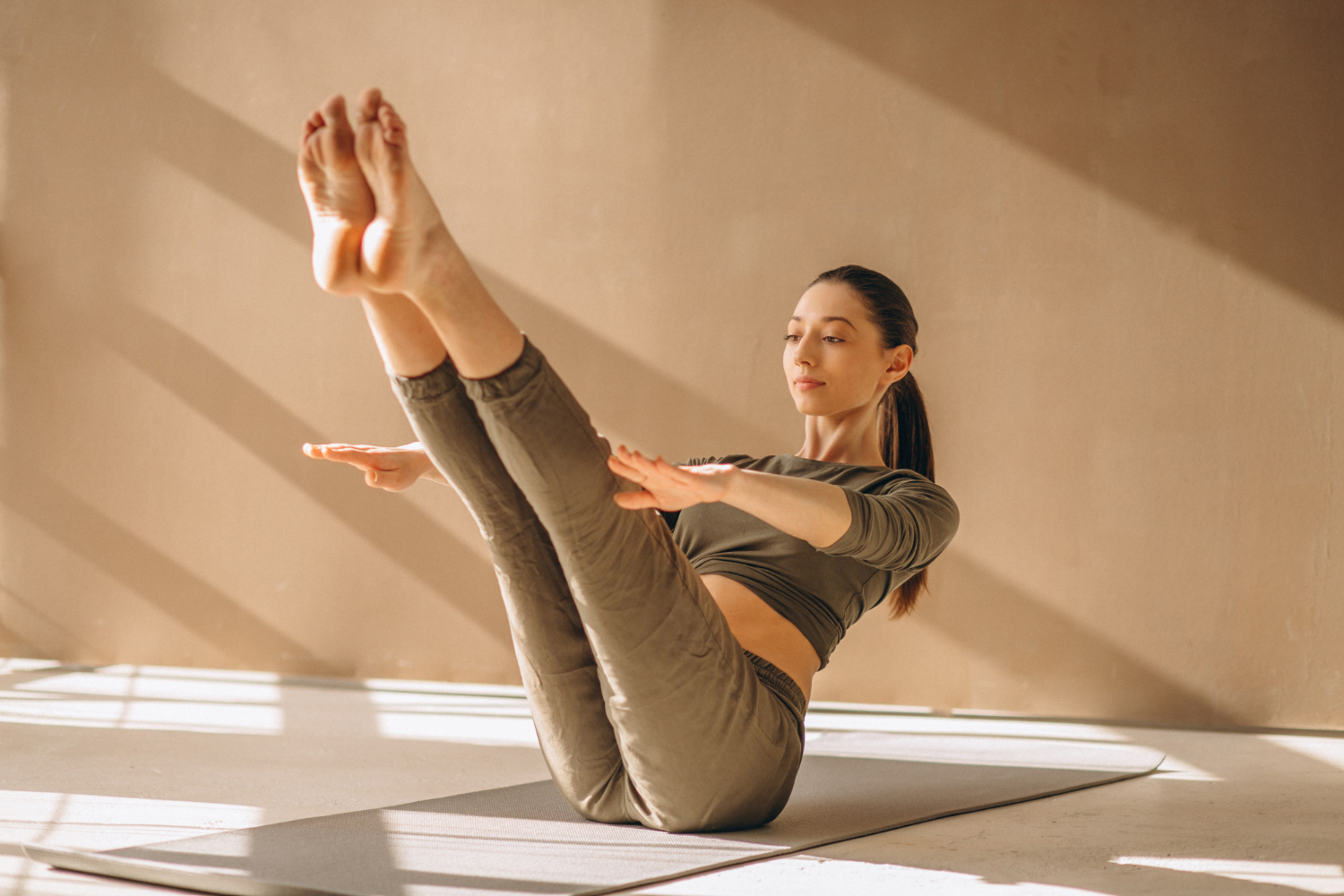
Injuries can occur during advanced Wall Pilates practice. Like all forms of exercise, performing at higher intensity increases injury risk. Understanding prevention strategies protects your body while allowing continued progression.
Listening to Your Body at Higher Intensity
Listening to your body is essential when performing advanced Wall Pilates routines. Feelings of excessive fatigue, persistent soreness, sharp pain, and even disinterest are key indicators that you may need to modify training to reduce injury chances and prevent burnout.
Pain during movement indicates a problem requiring attention. Distinguish between productive muscle fatigue and potentially harmful pain if movement causes sharp or shooting pain, stop immediately and assess.
Recovery Needs for Advanced Practice
When performing advanced Wall Pilates exercises, prioritizing recovery is important to offset the demand of high-intensity sessions and allow adaptation to occur.
Each week should contain a lighter recovery session centered around gentle, flowing movements, stretching, and breathing practice, along with complete rest days.
This approach helps continue developing skills on the mat while allowing time for mind and body to recover from more demanding sessions. Recovery is when adaptation occurs without adequate recovery, progress stalls.
Managing Age-Related Considerations
Age-related factors such as joint health, bone density, hormonal changes, and recovery capacity require consideration when advancing Wall Pilates practice. For those with functional restrictions, you can modify positioning of your torso and foot placement to decrease demand on core and lower body.
If you have pre-existing conditions, we recommend speaking to your healthcare professional before undertaking advanced Wall Pilates. They will be able to clear you for training and inform you of any specific considerations that must be made during your sessions for safety. Many women discover that Wall Pilates offers benefits for managing age-related challenges learn more about Pilates benefits to understand how this practice supports overall health and fitness goals.
Advanced Wall Pilates Summary

Advanced Wall Pilates provides women over 40 with established practice a pathway to continued strength development, enhanced movement sophistication, and sustained progress through strategic progression.
What we covered:
- Readiness assessment using mastery checkpoints, strength prerequisites, and personal progression tracking
- Progressive overload principles including time under tension, complexity addition, and eccentric emphasis
- Ten advanced movements from foundation-building exercises to mastery-level challenges
- Dynamic movement flow creation through seamless transitions and strategic sequencing
- Programming strategies using intensity cycling and periodization
- Injury prevention through body awareness, recovery prioritization, and age-appropriate modifications
Begin by honestly assessing your readiness using the mastery checkpoints. If you meet the prerequisites, start incorporating one or two advanced movements into your current routine before attempting full advanced sessions. Progression should be gradual rushing increases injury risk and limits long-term development. For a complete structured program, explore our Wall Pilates training program designed specifically for progressive advancement.
15 mins Pilates on your terms – anytime, anywhere.
Get your planSources
- Plotkin D, Coleman M, Van Every D, Maldonado J, Oberlin D, Israetel M, Feather J, Alto A, Vigotsky AD, Schoenfeld BJ. Progressive overload without progressing load? The effects of load or repetition progression on muscular adaptations. PeerJ. 2022 Sep 30;10:e14142. doi: 10.7717/peerj.14142. PMID: 36199287; PMCID: PMC9528903. https://pmc.ncbi.nlm.nih.gov/articles/PMC9528903/
- Wilk M, Zajac A, Tufano JJ. The Influence of Movement Tempo During Resistance Training on Muscular Strength and Hypertrophy Responses: A Review. Sports Med. 2021 Aug;51(8):1629-1650. doi: 10.1007/s40279-021-01465-2. Epub 2021 May 27. PMID: 34043184; PMCID: PMC8310485. https://pmc.ncbi.nlm.nih.gov/articles/PMC8310485/
- Hody S, Croisier JL, Bury T, Rogister B, Leprince P. Eccentric Muscle Contractions: Risks and Benefits. Front Physiol. 2019 May 3;10:536. doi: 10.3389/fphys.2019.00536. PMID: 31130877; PMCID: PMC6510035. https://pmc.ncbi.nlm.nih.gov/articles/PMC6510035/
FAQs
Is advanced Wall Pilates safe for women over 50?
Yes, advanced Wall Pilates is safe for women over 50 who have established foundational practice and meet the strength and stability prerequisites. The key is ensuring proper progression advancing only after mastering fundamentals reduces injury risk significantly. Women over 50 may need slightly longer recovery periods between intense sessions, making the intensity cycling approach particularly beneficial for this age group.
How long does it take to progress from beginner to advanced Wall Pilates?
Most practitioners require 6-12 months of consistent practice (2-3 sessions weekly) to develop the foundation necessary for advanced Wall Pilates movements. This timeline varies based on starting fitness level, consistency of practice, and individual progression rate. Focus on meeting the mastery checkpoints rather than following a specific timeline quality progression matters more than speed.
Can advanced Wall Pilates replace traditional strength training?
Advanced Wall Pilates can serve as primary strength training for most functional fitness goals, providing sufficient resistance for maintaining and building lean muscle mass. The progressive overload principles particularly time under tension and eccentric emphasis create effective strength stimulus. However, those seeking maximum muscle hypertrophy may benefit from supplementing with traditional resistance training using heavier external loads.
Is it normal to feel more sore after advanced Wall Pilates than traditional Pilates?
Yes, increased muscle soreness is normal when progressing to advanced Wall Pilates due to greater time under tension, eccentric emphasis, and novel movement patterns. This delayed onset muscle soreness (DOMS) typically peaks 24-48 hours after sessions. Distinguish between productive muscle soreness and pain indicating injury soreness should decrease with continued practice as your body adapts to advanced movements.
How many times per week should I practice advanced Wall Pilates?
Practice advanced Wall Pilates 2-3 times weekly with at least one rest day between high-intensity sessions. This frequency provides sufficient stimulus for strength adaptation while allowing adequate recovery. The four-day schedule with three intense sessions and one recovery session works well for most practitioners. Beginners to advanced practice should start with twice weekly and add a third session after 4-6 weeks of adaptation.