Keto that finally moves the scale again.
Get your plan
Keto that finally moves the scale again.
Get your plan
The keto diet is an effective strategy for weight loss, managing blood sugar, and improving heart health.
In this article, we introduce the free keto diet plan. We cover nutrient targets, essential foods, recommended portion sizes, foods to avoid, and a downloadable keto diet plan to kickstart your keto journey.
Free Keto Diet Plan Quick Reference Card
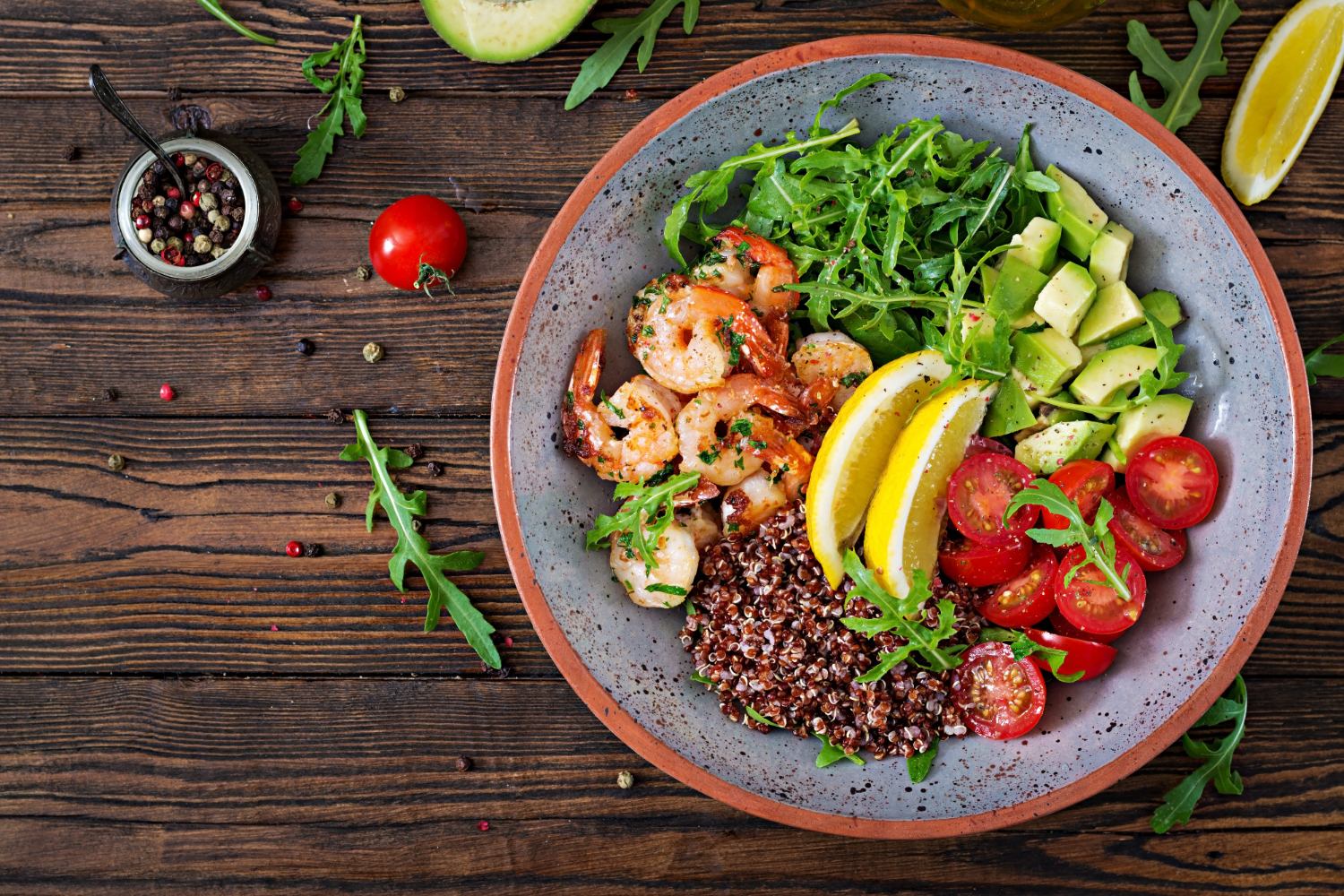
This reference card makes sticking to keto easy! It contains all the vital information to stay in ketosis and sustainable healthy weight loss, including key nutrient targets, essential foods, and portion sizing.
Key Facts & Rules
Key Facts
- Keto is a very low-carbohydrate diet (5-10% of daily calories)
- Is a high-fat diet
- Focuses on limiting grain, sugar, and high-carb foods
- Used for weight loss, appetite control, and blood sugar management
Key Rules
- Keep carbs below 5-10% (20 to 50 g) per day
- Prioritize healthy fats
- Consume moderate protein
- Read labels for hidden carbs
- Stay hydrated and consume electrolytes
- Focus on whole foods.
Key Nutrient Targets
Below is a list of recommended macronutrient and nutrient targets for maintaining the keto diet.
Keto Diet Macronutrients
- Fats: 70-80% of your daily calories
- Protein: 20-25% of your daily calories
- Carbohydrates: 5-10% of your daily calories
Example Based on a 2,000 Calorie (kcal) Diet
- Fat: 150–180 g/day
- Protein: 100–150g/day
- Carbohydrate: 20–50 g/day
Nutrient Targets
- Fiber: As much as possible within carb limits
- Water: 2–3 Litres/day
- Electrolytes: Sodium, potassium, and magnesium
Essential Foods and Portions
These are the essential foods and their recommended portions for quick reference.
Healthy Fats
- Avocados
- Olive oil and avocado oil
- Nuts and seeds
- Nut butter
- Olives
Protein
- Meat
- Poultry
- Fish and seafood
- Tofu and tempeh
Low-Carb Vegetables
- Leafy greens
- Broccoli
- Cauliflower
- Zucchini
- Asapargus
- Cucumber
- Bell peppers
Dairy (Optional)
- Cheese
- Greek yogurt
- Butter
- Cream
Portion Sizing Guide
- Protein: Palm-sized serving (100-150 g cooked)
- Healthy Fats: 1–2 tbsp oil, ½ avocado, small handful of nuts
- Low-carb vegetables: 2–3 cups per meal
- Cheese: 30–40 g per serving
Keto Plate Method
- Low-Carb Vegetables: ½ plate
- Healthy Fats: ¼ plate
- Protein: ¼ plate
7-Day Keto Meal Plan
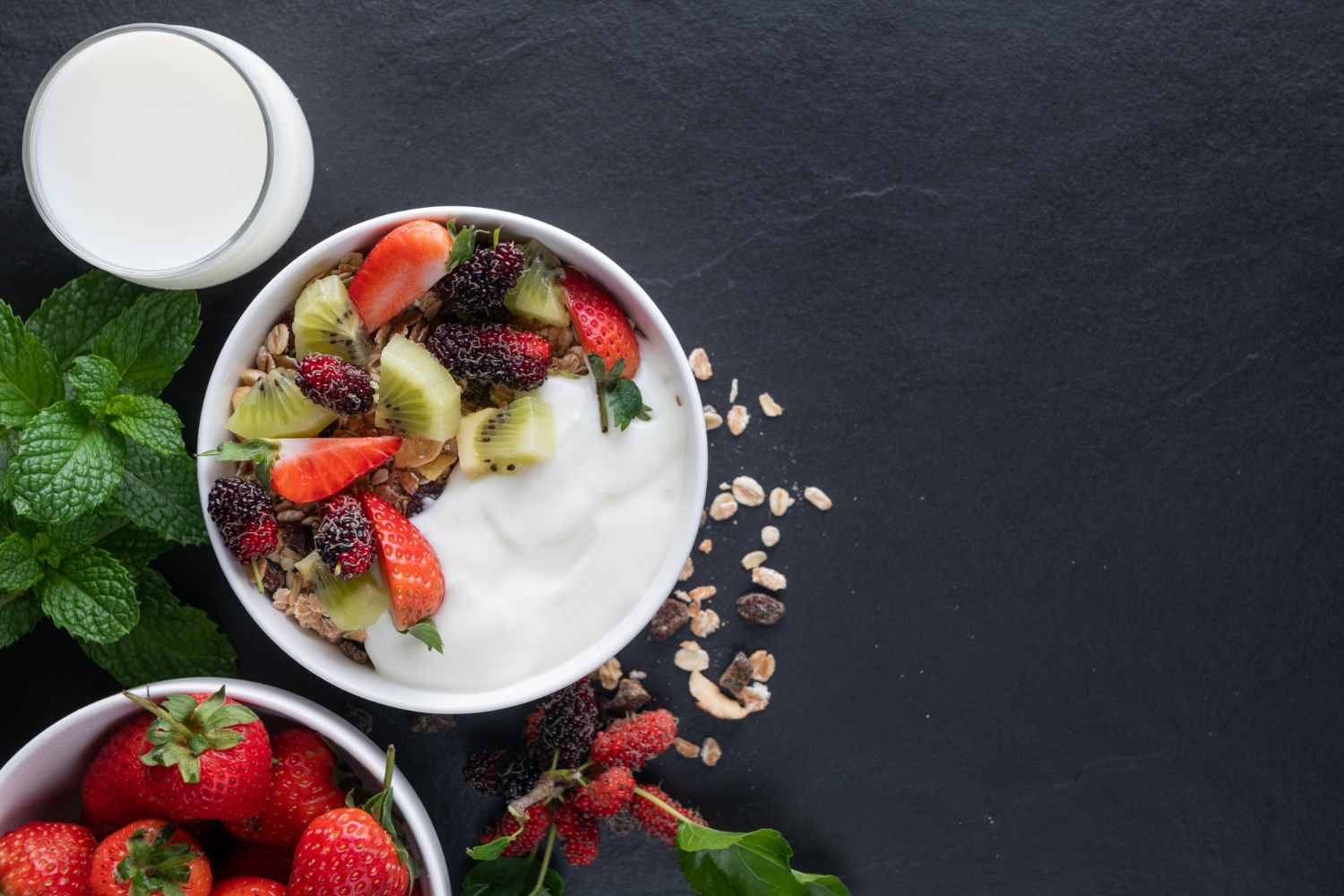
The 7-day meal plan contains breakfast, lunch, dinner, and snacks. It is based on a 1,600 kcal/day diet.
Each meal is listed with total calories and macros, and grams for each ingredient. Alongside this are the daily totals.
Day 1
Total Macros: 1,600 kcal | Fat: 133 g | Protein: 90 g | Net Carbs: 20 g
8:00 AM: Breakfast – Avocado Egg Bowl
Macros: 500 kcal | Fat: 42 g | Protein: 23 g | Net Carbs: 5 g
- Eggs – 3
- Avocado – 100 g
- Cheddar cheese – 30 g
- Spinach – 1 cup
Prep tip: Mash the avocado first, then top with sliced eggs and cheese.
12:30 PM: Lunch – Chicken Caesar Salad
Macros: 500 kcal | Fat: 40 g | Protein: 35 g | Net Carbs: 6 g
- Chicken breast – 140 g
- Romaine lettuce – 3 cups
- Parmesan cheese – 20 g
- Caesar dressing – 2 tbsp
Prep tip: Slice chicken after resting for 5 minutes to keep it juicy.
3:30 PM: Snack – Nuts & Cheese
Macros: 250 kcal | Fat: 22 g | Protein: 10 g | Net Carbs: 3 g
- Almonds – 30 g
- Cheddar cheese – 30 g
Prep tip: Cut the cheese into bite-sized cubes and serve alongside the almonds.
7:00 PM: Dinner – Salmon & Broccoli
Macros: 350 kcal | Fat: 29 g | Protein: 22 g | Net Carbs: 6 g
- Salmon fillet – 140 g
- Broccoli – 120 g
- Olive oil – 1 tbsp
Prep tip: Roast the broccoli until lightly browned while the salmon bakes.
Day 2
Total Macros: 1,600 kcal | Fat: 135 g | Protein: 88 g | Net Carbs: 18 g
8:00 AM: Breakfast – Keto Omelet
Macros: 480 kcal | Fat: 39 g | Protein: 26 g | Net Carbs: 4 g
- Eggs – 3
- Mushrooms – 80 g
- Cheese – 40 g
- Butter – 1 tbsp
Prep tip: Sauté the mushrooms before adding the eggs to remove excess moisture.
12:30 PM: Lunch – Tuna Avocado Salad
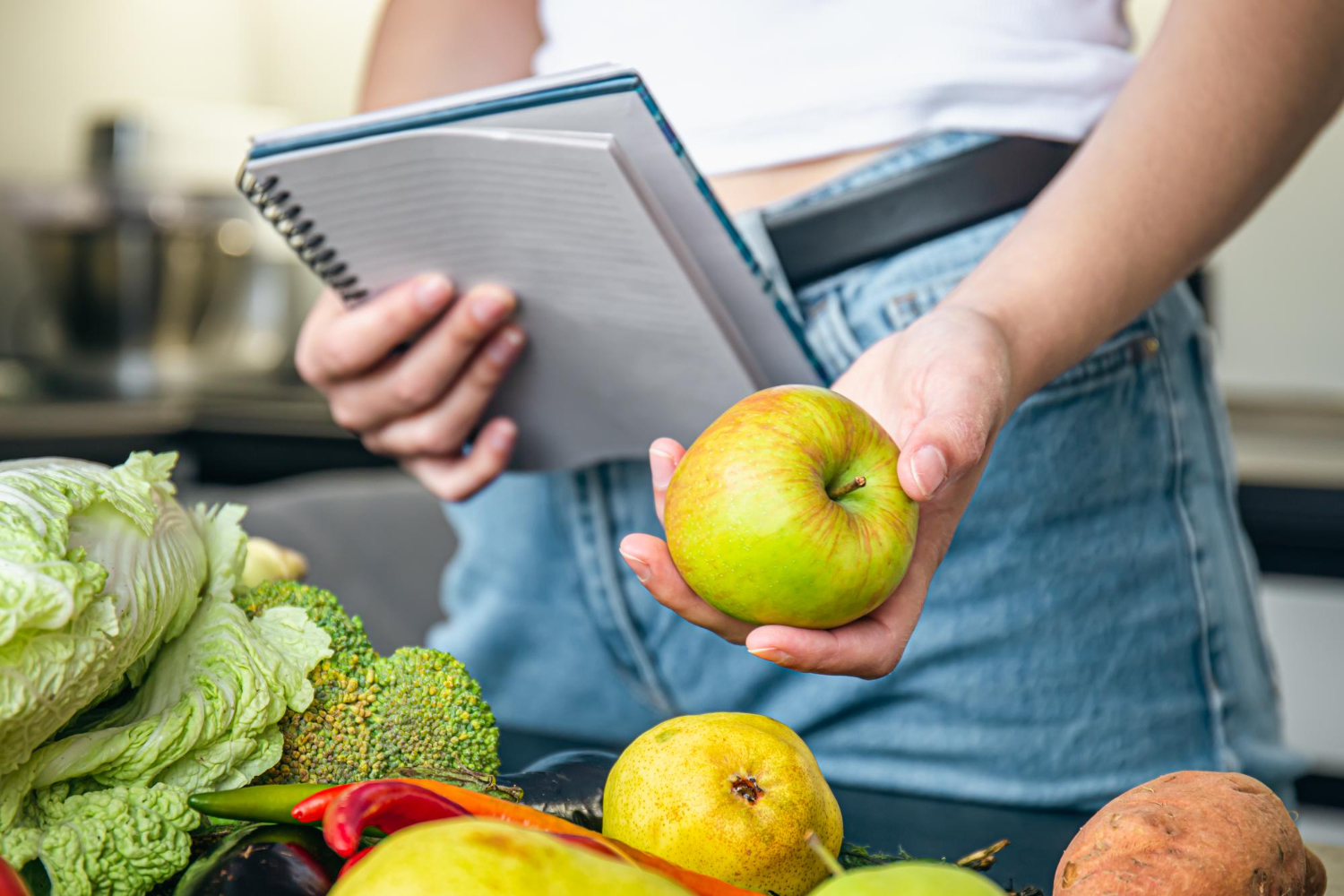
Macros: 500 kcal | Fat: 42 g | Protein: 32 g | Net Carbs: 5 g
- Tuna – 140 g
- Avocado – 100 g
- Mixed greens – 3 cups
- Olive oil – 1 tbsp
Prep tip: Gently fold the avocado into the salad just before serving.
3:30 PM: Snack – Celery & Peanut Butter
Macros: 240 kcal | Fat: 20 g | Protein: 8 g | Net Carbs: 4 g
- Celery sticks – 100 g
- Natural peanut butter – 2 tbsp
Prep tip: Fill celery sticks with peanut butter immediately before eating for the best texture.
7:00 PM: Dinner – Beef & Zucchini Skillet
Macros: 380 kcal | Fat: 34 g | Protein: 22 g | Net Carbs: 5 g
- Lean ground beef – 120 g
- Zucchini – 150 g
- Olive oil – 1 tbsp
Prep tip: Cook the zucchini until just tender to prevent it from becoming watery.
Day 3
Total Macros: 1,600 kcal | Fat: 132 g | Protein: 92 g | Net Carbs: 21 g
8:00 AM: Breakfast – Greek Yogurt Keto Bowl
Macros: 450 kcal | Fat: 35 g | Protein: 28 g | Net Carbs: 7 g
- Full-fat Greek yogurt – 200 g
- Chia seeds – 20 g
- Walnuts – 25 g
- Raspberries – 40 g
Prep tip: Layer the yogurt first, then top with berries, walnuts, and chia seeds.
12:30 PM: Lunch – Turkey Lettuce Wraps
Macros: 500 kcal | Fat: 42 g | Protein: 34 g | Net Carbs: 5 g
- Turkey breast – 140 g
- Avocado – 80 g
- Lettuce leaves – 4 large
- Mayonnaise – 1 tbsp
Prep tip: Place the avocado and turkey in the center of the lettuce leaves before rolling.
3:30 PM: Snack – Hard-Boiled Eggs
Macros: 250 kcal | Fat: 20 g | Protein: 13 g | Net Carbs: 1 g
- Eggs – 2
- Macadamia nuts – 20 g
Prep tip: Cool eggs in ice water after cooking for easier peeling.
7:00 PM: Dinner – Garlic Shrimp & Asparagus
Macros: 400 kcal | Fat: 35 g | Protein: 17 g | Net Carbs: 8 g
- Shrimp – 150 g
- Asparagus – 120 g
- Olive oil – 1½ tbsp
Prep tip: Cook the shrimp until just pink and opaque to keep them tender.
Day 4
Total Macros: 1,600 kcal | Fat: 134 g | Protein: 89 g | Net Carbs: 19 g
8:00 AM: Breakfast – Bacon & Eggs
Macros: 500 kcal | Fat: 43 g | Protein: 25 g | Net Carbs: 3 g
- Eggs – 3
- Bacon – 3 slices
- Avocado – 70 g
Prep tip: Cook the bacon first, then use a small amount of the rendered fat to cook the eggs.
12:30 PM: Lunch – Cobb Salad
Macros: 480 kcal | Fat: 40 g | Protein: 32 g | Net Carbs: 6 g
- Chicken breast – 120 g
- Avocado – 80 g
- Bacon – 2 slices
- Mixed greens – 3 cups
- Ranch dressing – 2 tbsp
Prep tip: Chop all ingredients into similar-sized pieces for easier eating.
3:30 PM: Snack – Cheese & Pecans
Macros: 250 kcal | Fat: 22 g | Protein: 9 g | Net Carbs: 2 g
- Cheddar cheese – 40 g
- Pecans – 25 g
Prep tip: Cube the cheese and combine with pecans just before serving.
7:00 PM: Dinner – Baked Cod & Cauliflower Mash
Macros: 370 kcal | Fat: 29 g | Protein: 23 g | Net Carbs: 8 g
- Cod – 150 g
- Cauliflower – 150 g
- Butter – 1 tbsp
- Heavy cream – 2 tbsp
Prep tip: Drain the cauliflower thoroughly before mashing for a smoother texture.
Day 5
Total Macros: 1,600 kcal | Fat: 133 g | Protein: 91 g | Net Carbs: 20 g
8:00 AM: Breakfast – Keto Smoothie
Macros: 500 kcal | Fat: 43 g | Protein: 24 g | Net Carbs: 6 g
- Unsweetened almond milk – 250 ml
- Protein powder – 1 scoop
- Peanut butter – 2 tbsp
- Chia seeds – 15 g
- Spinach – 1 cup
Prep tip: Blend the liquid and spinach first, then add the remaining ingredients.
12:30 PM: Lunch – Salmon Salad
Macros: 500 kcal | Fat: 42 g | Protein: 33 g | Net Carbs: 5 g
- Salmon – 140 g
- Mixed greens – 3 cups
- Avocado – 80 g
- Olive oil dressing – 1 tbsp
Prep tip: Flake the cooked salmon into bite-sized pieces before tossing with the greens.
3:30 PM: Snack – Olives & Cheese
Macros: 220 kcal | Fat: 19 g | Protein: 8 g | Net Carbs: 2 g
- Olives – 50 g
- Cheese – 40 g
Prep tip: Drain the olives well before serving with the cheese.
7:00 PM: Dinner – Chicken Thighs & Green Beans
Macros: 380 kcal | Fat: 29 g | Protein: 26 g | Net Carbs: 7 g
- Chicken thighs – 150 g
- Green beans – 120 g
- Butter – 1 tbsp
Prep tip: Toss the green beans in melted butter before roasting.

Day 6
Total Macros: 1,600 kcal | Fat: 135 g | Protein: 88 g | Net Carbs: 18 g
8:00 AM: Breakfast – Mushroom Cheese Omelet
Macros: 500 kcal | Fat: 42 g | Protein: 26 g | Net Carbs: 4 g
- Eggs – 3
- Cheese – 40 g
- Mushrooms – 100 g
- Butter – 1 tbsp
Prep tip: Cook the mushrooms until softened before adding the egg mixture.
12:30 PM: Lunch – Beef Taco Bowl
Macros: 500 kcal | Fat: 43 g | Protein: 32 g | Net Carbs: 6 g
- Ground beef – 140 g
- Lettuce – 2 cups
- Avocado – 80 g
- Sour cream – 2 tbsp
Prep tip: Brown the beef with seasonings first, then layer it over the lettuce and toppings.
3:30 PM: Snack – Walnuts & Egg
Macros: 240 kcal | Fat: 21 g | Protein: 8 g | Net Carbs: 2 g
- Walnuts – 30 g
- Hard-boiled egg – 1
Prep tip: Slice the egg just before serving and pair it with the walnuts.
7:00 PM: Dinner – Pork Chop & Broccoli
Macros: 360 kcal | Fat: 29 g | Protein: 22 g | Net Carbs: 6 g
- Pork chop – 140 g
- Broccoli – 120 g
- Olive oil – 1 tbsp
Prep tip: Allow the pork chop to rest for 5 minutes before slicing.
Day 7
Total Macros: 1,600 kcal | Fat: 132 g | Protein: 92 g | Net Carbs: 20 g
8:00 AM: Breakfast – Avocado Egg Scramble
Macros: 500 kcal | Fat: 42 g | Protein: 25 g | Net Carbs: 5 g
- Eggs – 3
- Avocado – 100 g
- Cheese – 30 g
- Spinach – 1 cup
Prep tip: Stir the avocado into the eggs at the end of cooking to maintain its texture.
12:30 PM: Lunch – Shrimp Caesar Salad
Macros: 480 kcal | Fat: 39 g | Protein: 34 g | Net Carbs: 6 g
- Shrimp – 150 g
- Romaine lettuce – 3 cups
- Parmesan cheese – 20 g
- Caesar dressing – 2 tbsp
Prep tip: Toss the lettuce with dressing first, then add the shrimp and parmesan.
3:30 PM: Snack – Macadamia Nuts
Macros: 250 kcal | Fat: 24 g | Protein: 3 g | Net Carbs: 2 g
- Macadamia nuts – 35 g
Prep tip: Serve in a small bowl or portioned container to help manage portions.
7:00 PM: Dinner – Steak & Roasted Vegetables
Macros: 370 kcal | Fat: 27 g | Protein: 30 g | Net Carbs: 7 g
- Sirloin steak – 140 g
- Zucchini – 120 g
- Bell peppers – 80 g
- Olive oil – 1 tbsp
Prep tip:
Let the steak rest for 5 minutes before slicing and serving with the vegetables.
Keto Diet Food List
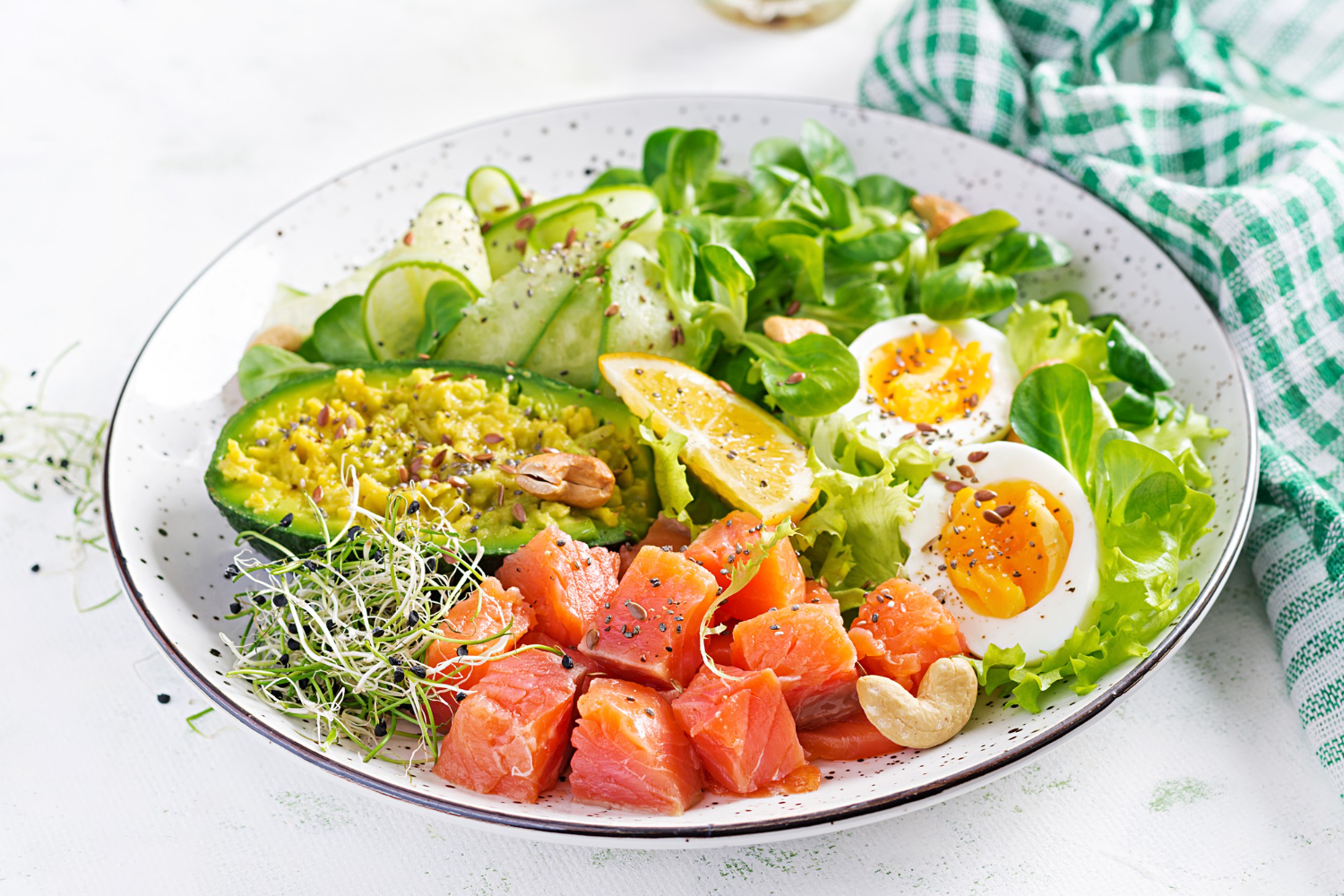
This contains your go-to keto foods for your diet. Below we list the food group, foods, and portion sizing.
Proteins
The recommended daily protein intake is 1.2–1.6 g per kilogram of body weight per day. Adding 25-30 g of protein to each of your meals with foods such as chicken, turkey, fish, and eggs will help you meet your daily needs, keep you full, and preserve muscle.
Vegetables
Vegetables are an important part of the keto diet, accounting for 50% of your meals. However, they must be consumed carefully to avoid excess carbohydrate intake.
You should be eating 5 servings of vegetables each day. These are vital for the intake of fiber, vitamins, minerals, and satiety.
Examples of One Serve
- Broccoli: 1 cup raw or ½ cup cooked
- Cauliflower: 1 cup raw florets or ½ cup cooked
- Spinach: 2 cups raw or 1 cup cooked
- Zucchini: 1 cup sliced raw or ½ cup cooked
- Green Beans: 1 cup raw or ½ cup cooked
Fats
Fats account for 70–80% of your daily calorie intake, which is approximately 6-10 servings per day. These should be consumed as healthy fats such as fatty fish, eggs, full-fat dairy, nut butters, olive oil, avocado, and seeds.
Examples of One Serve
- 1 tbsp oil (olive oil, avocado oil, coconut)
- ½ avocado
- 30 g nuts (small handful)
- 1–2 tbsp seeds
Foods to Limit or Avoid
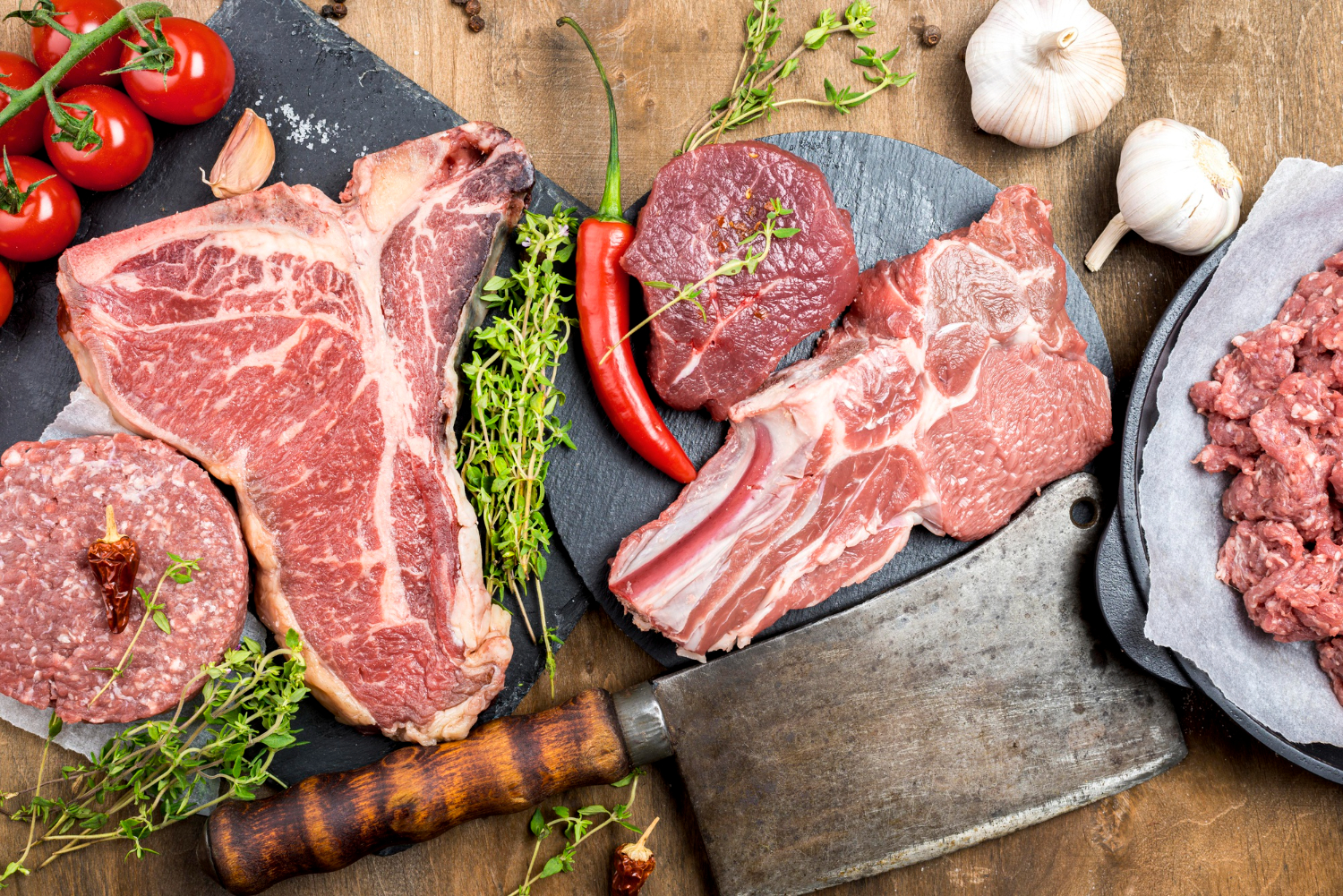
These foods should be avoided or limited due to their carbohydrate content.
Download the Full Free Keto Diet Plan PDF
The downloadable resource contains keto diet strategies to help you enter ketosis and sustain it for successful weight loss. When combined with the Reverse Health program, it provides you with all the tools you need to lose weight and manage your hormonal health.
Included in the Download
- Keto Strategy Guide
- 28-Day Keto Meal Plan
- Keto Diet Recipes
- Keto Shopping List
- Progress Tracker
Connecting with the Reverse Health Program
The Reverse Health program is designed for women over 40 to help them navigate menopause and the challenges of midlife. When combined with the keto diet plan, it provides valuable insights and strategies to help women lose weight during this time.

From addressing hormone-related weight gain and menopause symptoms to managing common conditions, these offer comprehensive support for women over 40.
Beginner Keto Diet Plan PDF
The beginner-friendly keto plan offers techniques that will help you gradually enter ketosis for long-term sustainability.
Focused on simple meals, regular hydration, and easy-to-follow steps, it will make it easier to navigate the keto diet and allow you to focus on your health.
Free 28-Day Keto Meal Plan
The 28-day keto meal plan contains weekly strategies to transition into low-carb, high-fat eating.
Week 1: Transition into Keto
Week 1 focuses on gradually decreasing carbohydrate intake and replacing it with healthy fats. To enter ketosis, you must consume 5–10% of your daily calorie intake from carbohydrates. This is 20–50 grams of carbohydrates per day for someone on a 2,000 kcal diet
This can be done with the following schedule.
- Monday: 80 g
- Tuesday: 80 g
- Wednesday: 60 g
- Thursday: 50 g
- Friday: 50 g
- Saturday: 40 g
- Sunday: 40 g
Weekly Goals
- Gradually lower carbs below 5–10% of daily calorie intake
- Prioritize healthy fats
- Add 25–30 g of protein to each meal
- Learn keto-approved foods
- Maintain hydration and electrolyte intake
Week 2: Adapt to Ketosis
Your focus for week 2 is to maintain energy levels, manage hunger, and prevent keto side effects such as headaches and fatigue.
Weekly Goals
- Maintain carbohydrate intake
- Prioritize electrolyte-rich foods
- Focus on meal consistency
- Maintain satiety with healthy fats
- Focus on whole foods
Electrolyte-Rich Foods
- Potassium: Avocado, banana, sweet potato, white potato, spinach, salmon
- Magnesium: Almonds, cashews, pumpkin, chia seeds, dark chocolate, black beans
- Calcium: Greek yogurt, milk, cheese, tofu
- Sodium & Chloride: Sea salt, table salt. Pickles, celery, deli meats
Week 3: Build Balanced Keto Meals
After stabilizing week 2, you can begin expanding meal variety while emphasizing nutrient density. Introduce a variety of healthy fat foods, maintain protein intake, and consolidate a consistent meal routine.
Weekly Goal
- Eat 3–5 servings of low-carb vegetables per day
- Eat fatty fish 2–3 times per week
- Introduce a variety of healthy fat foods
- Maintain protein intake at each meal
- Maintain hydration 2–3 L/day
- Establish a consistent meal routine
Week 4: Long-term Keto Success
Week 4 aims to consolidate the new routine and healthy habits, while encouraging flexibility to support sustainability beyond the 28-day plan.
Weekly Goals
- Improve confidence in keto meal planning
- Practice flexible food choices
- Experiment and build keto meals without strict tracking
- Maintain protein, hydration, and electrolyte intake
- Focus on consistency over perfection
Adapting the Keto Diet for Seniors
The keto diet can help seniors manage weight and blood sugar. However, when done incorrectly, it carries the risk of muscle loss, kidney strain, dehydration, and nutrient deficiencies.
How to Adapt for Seniors
- Prioritize Protein: Add 25–30 g/meal (fish, eggs, Greek yogurt, tofu, lean meats)
- Eat Healthy Fats: Avocados, olive oil, nuts, seeds, fatty fish, olives
- Maintain Vegetable Intake: 3–5 servings low-carb/day
- Maintain Hydration: 2–3L/day
- Eat Fiber-Rich Foods: Support digestion and gut health.
- Consider Moderate Low-Carb Diet: 100 to 130 g/day
Speak With a Healthcare Professional
Before starting, speak to your healthcare provider if you have:
- Type 2 diabetes
- Kidney disease
- Liver disease
- Heart disease
- High blood pressure
- Other medical conditions
Q: Is there a free keto diet?

Yes, there are free keto diet plans available online, including on Reverse Health. This provides a comprehensive breakdown of the keto diet, including facts, key rules, strategies, keto food lists, recipes, and a meal plan for long-term sustainability.
Q: Is a keto diet good for liver cirrhosis?
The keto diet is not good for liver cirrhosis. While it is beneficial for treating Non-Alcoholic Fatty Liver Disease (NAFLD), it can be dangerous for individuals with liver cirrhosis.
Q: Can I lose 20 lbs in 2 months on keto?
You can lose 20 lbs in 2 months on keto. This can be done by losing 2.5 lbs (1.13 kg) each week. These results can vary depending on starting weight, exercise routine, and adherence to the nutrition plan.
Q: How can seniors adapt the keto diet plan to their needs?
Seniors should modify keto to a moderate low-carbohydrate (100-130 g/day) diet. This still supports weight management and blood sugar regulation, while allowing for higher fiber intake and nutrient variety.
Keto that finally moves the scale again.
Get your planSources
- Nunes EA, Colenso-Semple L, McKellar SR, Yau T, Ali MU, Fitzpatrick-Lewis D, Sherifali D, Gaudichon C, Tomé D, Atherton PJ, Robles MC, Naranjo-Modad S, Braun M, Landi F, Phillips SM. Systematic review and meta-analysis of protein intake to support muscle mass and function in healthy adults. J Cachexia Sarcopenia Muscle. 2022 Apr;13(2):795-810. doi: 10.1002/jcsm.12922. Epub 2022 Feb 20. PMID: 35187864; PMCID: PMC8978023. https://pmc.ncbi.nlm.nih.gov/articles/PMC8978023/
FAQs
Is there a free keto diet?
Yes, there are free keto diet plans available online. Highlight resources where users can find free keto diet plans.
Is a keto diet good for liver cirrhosis?
Consult a healthcare provider for personalized advice. Explain potential benefits and risks of keto for liver health.
Can I lose 20 lbs in 2 months on keto?
Weight loss varies by individual. Discuss typical weight loss expectations and factors affecting results on keto.