Weight loss that fits your goals and your life.
Get your plan
Weight loss that fits your goals and your life.
Get your plan
Fat is the most energy-dense macronutrient containing 9 calories (kcal) per gram, compared to 4 kcal/g of protein or carbohydrates.
Vital for human health, they must be managed to ensure balanced calorie intake to maintain a healthy weight.
This is why we have developed the comprehensive low-fat diet food list and plan. A resource designed to help you manage fat intake for weight management and optimal health.
In this article, we introduce the low-fat diet food list. We cover weekly meal plans, foods to avoid, and a comprehensive low-fat food diet meal plan to support your goals.
Low Fat Diet Quick Reference Card
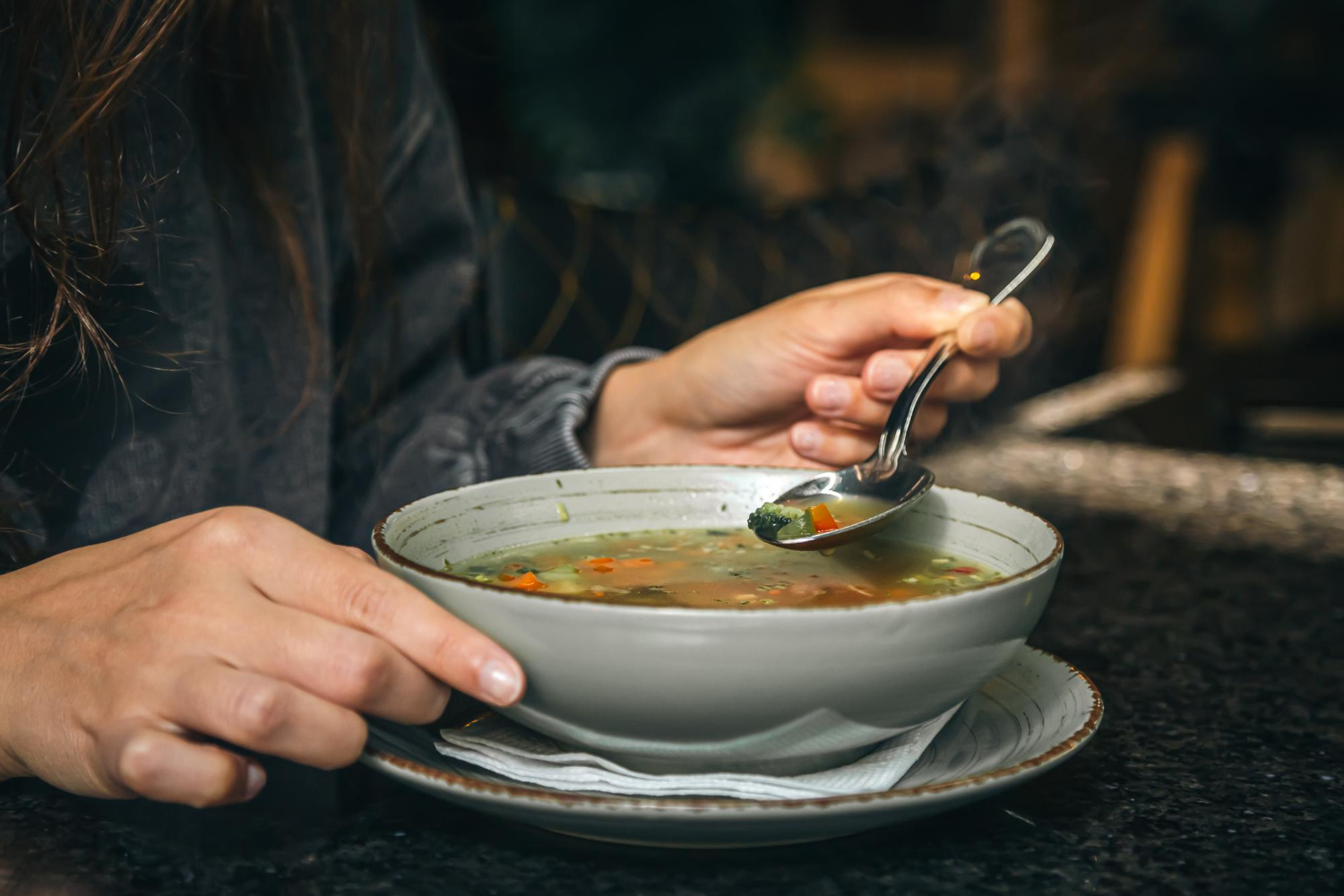
Here is a quick reference card highlighting guidelines for eating low-fat while maintaining healthy fat intake for optimal health. This includes facts and rules, and a summary table displaying daily calorie limits, fat percentages, and example meals.
Essential Facts and Rules
A low-fat diet does not mean a no-fat diet, but rather the focus on removing unhealthy trans fats while prioritizing healthy fats.
Low-Fat Diet Guidelines and Rules
- Remove Processed Foods — Prepackaged, fried, and processed foods contain unhealthy trans fats.
- Limit saturated and Trans Fats — Reduce butter, fatty meat, fried foods, and processed snacks
- Prioritize Whole Foods — Fruits, vegetables, whole grains, lean protein
- Choose Lean Protein —- Chicken breast, turkey, low-fat dairy, legumes
- Focus on Fiber — Improve satiety, support digestion, and stabilize blood sugar
- Aim for Balance, Not Elimination — Fat is essential for hormone health, energy, and nutrient absorption.
Printable Summary Table
Create a small table summarizing the most important aspects of the diet, such as daily calorie limits, fat percentage, and example meals.
Low-Fat Diet Macronutrient Percentages
- Carbohydrates: 40–60% of total calorie intake
- Protein: 20–40% of total calorie intake
- Fats: 20–30% of total calorie intake
Recommended Portions
- ½ plate of vegetables
- ¼ plate of lean protein
- ¼ plate whole grains
Low-Fat Meals
- Banana & Berry Oatmeal Bowl
- Low-Fat Greek Yogurt Bowl
- Grilled Chicken Salad
- Whole Grain Turkey Sandwich
- Grilled Chicken Rice Bowl
- Baked Fish with Steamed Vegetables
- Chicken Stir Fry
- Lean Beef Bowl with Quinoa and Steamed Vegetables
Weekly Low-Fat Diet Meal Plan
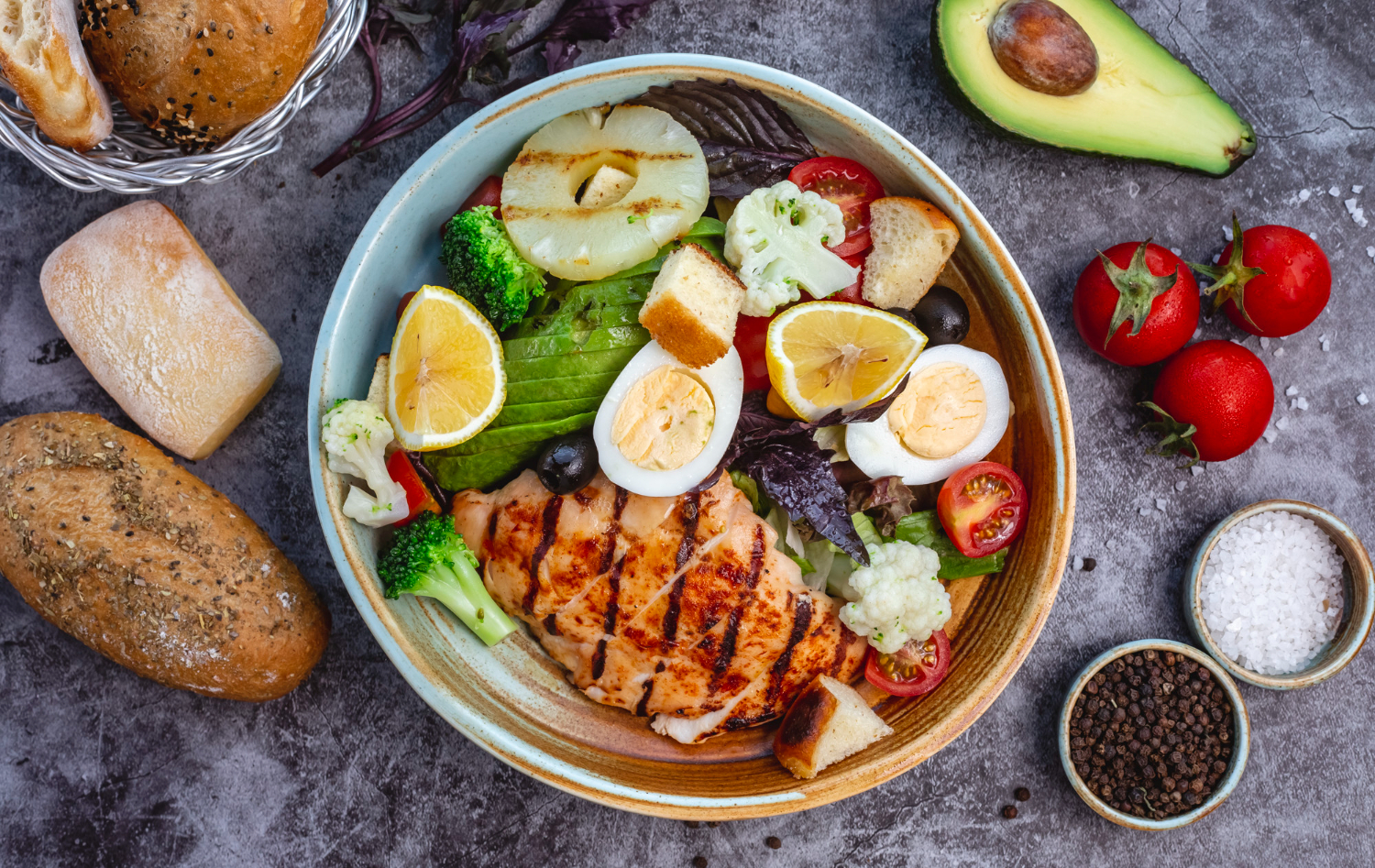
The following low-fat meal plan focuses on lean protein, complex carbohydrates, and healthy fats, while limiting processed foods and trans fats.
The meal plan is based on a 1,500 kcal/day diet. Below, are the calorie and macronutrient ratios show you exactly how it works.
Day 1
Total Macros: 1,400 kcal | Protein: 93 g | Carbs: 135 g | Fat: 37 g
Breakfast – Oatmeal & Yogurt Bowl
Macros: 350 kcal | Protein: 20 g | Carbs: 50 g | Fat: 6 g
- Oats – 50 g
- Low-fat Greek yogurt – 150 g
- Blueberries – 50 g
- Chia seeds – 5 g
Lunch – Grilled Chicken Salad
Macros: 400 kcal | Protein: 35 g | Carbs: 10 g | Fat: 14 g
- Chicken breast (grilled) – 120 g
- Mixed greens – 100 g
- Cherry tomatoes – 50 g
- Cucumber – 50 g
- Olive oil – 1 tsp (5 g)
Dinner – Baked Fish with Rice & Veggies
Macros: 500 kcal | Protein: 35 g | Carbs: 55 g | Fat: 10 g
- White fish (cod) – 150 g
- Brown rice (cooked) – 150 g
- Broccoli – 100 g
- Olive oil – 1 tsp
Snack
Macros: 150 kcal | Protein: 3 g | Carbs: 20 g | Fat: 7 g
- Apple – 1 medium
- Almonds – 10 g
Day 2
Total Macros: 1,480 kcal | Protein: 107 g | Carbs: 150 g | Fat: 32 g
Breakfast – Egg White Toast Plate
Macros: 350 kcal | Protein: 22 g | Carbs: 30 g | Fat: 10 g
- Egg whites – 4
- Whole-grain toast – 2 slices
- Avocado – 30 g
Lunch – Turkey & Quinoa Bowl
Macros: 450 kcal | Protein: 35 g | Carbs: 40 g | Fat: 12 g
- Lean turkey – 120 g
- Quinoa (cooked) – 120 g
- Spinach – 50 g
- Olive oil – 1 tsp
Dinner – Chicken Stir-Fry (Low Oil)
Macros: 500 kcal | Protein: 40 g | Carbs: 50 g | Fat: 8 g
- Chicken breast – 150 g
- Mixed vegetables – 150 g
- Brown rice – 120 g
- Soy sauce (light)
Snack
Macros: 180 kcal | Protein: 10 g | Carbs: 30 g | Fat: 2 g
- Low-fat yogurt – 150 g
- Banana – 1 small
Day 3
Total Macros: 1,500 kcal | Protein: 103 g | Carbs: 160 g | Fat: 30 g
Breakfast – Smoothie Bowl
Macros: 400 kcal | Protein: 30 g | Carbs: 50 g | Fat: 5 g
- Low-fat milk – 200 ml
- Protein powder (lean) – 1 scoop
- Banana – 1 small
- Oats – 30 g
Lunch – Tuna Salad Wrap
Macros: 400 kcal | Protein: 35 g | Carbs: 35 g | Fat: 8 g
- Tuna (in water) – 120 g
- Whole grain wrap – 1
- Lettuce + tomato
- Low-fat yogurt (as dressing)
Dinner – Lean Beef Plate
Macros: 550 kcal | Protein: 35 g | Carbs: 50 g | Fat: 15 g
- Lean beef (sirloin) – 120 g
- Sweet potato – 150 g
- Green beans – 100 g
- Olive oil – 1 tsp
Snack
Macros: 150 kcal | Protein: 3 g | Carbs: 25 g | Fat: 2 g
- Air-popped popcorn – 20 g
- Orange – 1 medium
Day 4
Total Macros: 1,500 kcal | Protein: 102 g | Carbs: 160 g | Fat: 35 g
Breakfast – Yogurt & Fruit Bowl
Macros: 350 kcal | Protein: 22 g | Carbs: 45 g | Fat: 6 g
- Low-fat Greek yogurt – 200 g
- Strawberries – 80 g
- Oats – 30 g
- Chia seeds – 5 g
Lunch – Chicken & Rice Bowl
Macros: 480 kcal | Protein: 38 g | Carbs: 50 g | Fat: 10 g
- Chicken breast – 130 g
- Brown rice (cooked) – 150 g
- Zucchini – 100 g
- Olive oil – 1 tsp
Dinner – Baked Salmon & Veggies
- Salmon – 120 g
- Quinoa (cooked) – 120 g
- Asparagus – 100 g
Macros: 520 kcal | Protein: 35 g | Carbs: 40 g | Fat: 18 g
Snack
Macros: 150 kcal | Protein: 7 g | Carbs: 25 g | Fat: 1 g
- Apple – 1 medium
- Low-fat yogurt – 100 g
Day 5
Total Macros: 1,470 kcal | Protein: 103 g | Carbs: 165 g | Fat: 27 g
Breakfast – Egg White & Oats Plate
Macros: 350 kcal | Protein: 25 g | Carbs: 45 g | Fat: 3 g
- Egg whites – 5
- Oats – 40 g
- Banana – 1 small
Lunch – Tuna & Potato Salad
Macros: 450 kcal | Protein: 35 g | Carbs: 50 g | Fat: 9 g
- Tuna (in water) – 120 g
- Boiled potatoes – 200 g
- Green beans – 100 g
- Olive oil – 1 tsp
Dinner – Turkey Stir-Fry
Macros: 520 kcal | Protein: 40 g | Carbs: 50 g | Fat: 8 g
- Lean turkey – 150 g
- Mixed vegetables – 150 g
- Brown rice – 120 g
Snack
Macros: 150 kcal | Protein: 3 g | Carbs: 20 g | Fat: 7 g
- Orange – 1 medium
- Almonds – 10 g
Day 6
Total Macros: 1,530 kcal | Protein: 103 g | Carbs: 160 g | Fat: 29 g
Breakfast – Smoothie
Macros: 400 kcal | Protein: 30 g | Carbs: 45 g | Fat: 5 g
- Low-fat milk – 200 ml
- Protein powder – 1 scoop
- Oats – 30 g
- Blueberries – 50 g
Lunch – Chicken Wrap
Macros: 420 kcal | Protein: 35 g | Carbs: 35 g | Fat: 7 g
- Chicken breast – 120 g
- Whole grain wrap – 1
- Lettuce + tomato
- Low-fat yogurt dressing
Dinner – Lean Beef & Sweet Potato
Macros: 550 kcal | Protein: 35 g | Carbs: 50 g | Fat: 15 g
- Lean beef – 120 g
- Sweet potato – 150 g
- Broccoli – 100 g
- Olive oil – 1 tsp
Snack
Macros: 160 kcal | Protein: 3 g | Carbs: 30 g | Fat: 2 g
- Air-popped popcorn – 20 g
- Banana – 1 small
Day 7
Total Macros: 1,550 kcal | Protein: 104 g | Carbs: 165 g | Fat: 34 g
Breakfast – Yogurt Parfait
Macros: 380 kcal | Protein: 22 g | Carbs: 50 g | Fat: 8 g
- Low-fat Greek yogurt – 200 g
- Granola – 30 g
- Berries – 50 g
Lunch – Salmon Rice Bowl
Macros: 500 kcal | Protein: 35 g | Carbs: 45 g | Fat: 15 g
- Salmon – 120 g
- Brown rice – 150 g
- Spinach – 50 g
Dinner – Chicken & Veg Plate
Macros: 520 kcal | Protein: 40 g | Carbs: 45 g | Fat: 10 g
- Chicken breast – 150 g
- Quinoa – 120 g
- Mixed vegetables – 100 g
- Olive oil – 1 tsp
Snack
Macros: 150 kcal | Protein: 7 g | Carbs: 25 g | Fat: 1 g
- Apple – 1 medium
- Low-fat yogurt – 100 g
Low-Fat Diet Food List
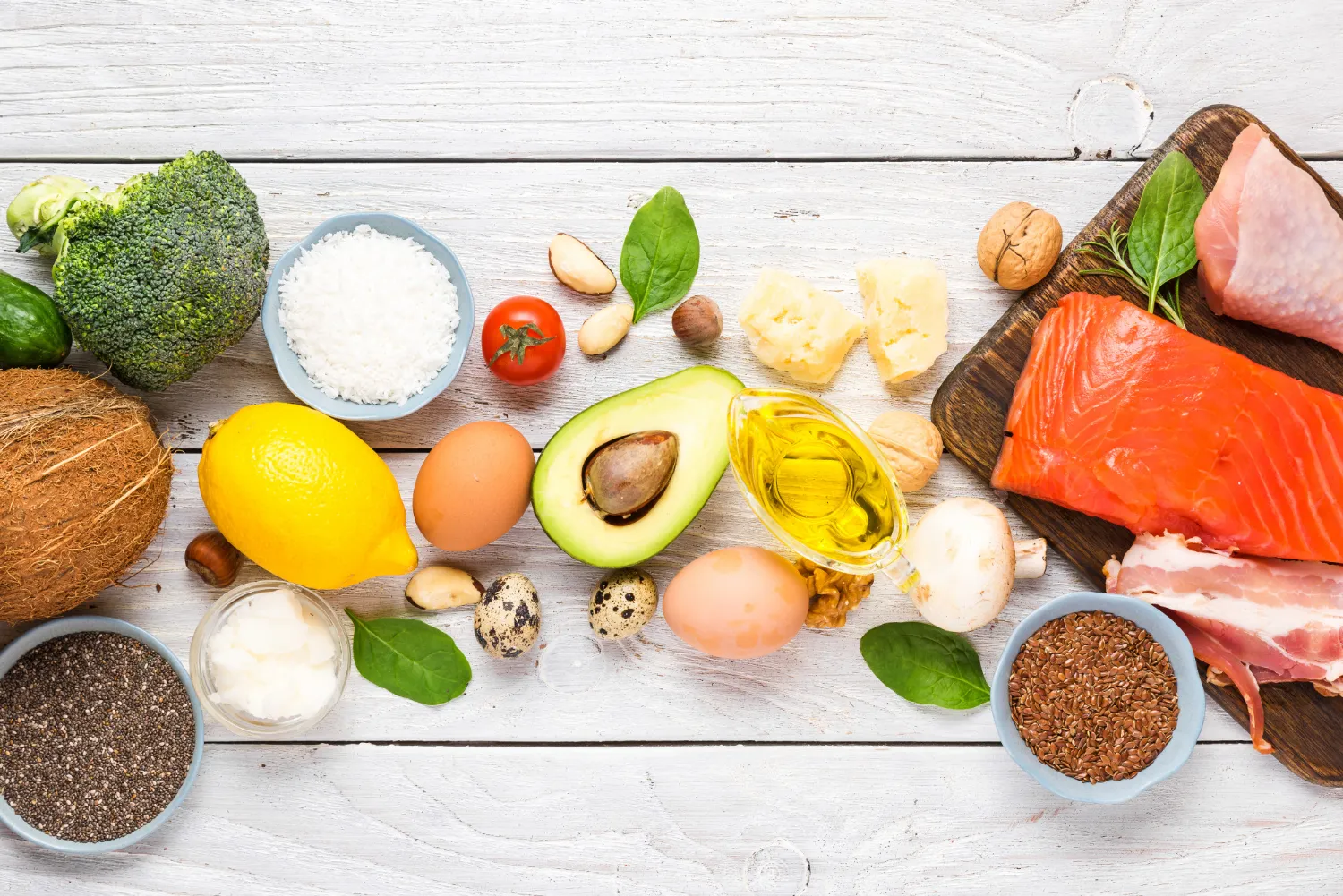
The list below contains low-fat foods that will be staples for your low-fat meal plans. These range from lean protein and complex carbohydrates to dairy and healthy fats. We also list the foods to avoid to help you maintain your low-fat diet.
Each food is listed with serving size, calories, and macronutrients to give you an overview, followed by a brief explanation of lean meats and grains.
Dairy Products
Low-fat dairy products like low-fat milk, Greek yogurt, and cottage cheese remove the majority of milk fat, reducing it to 1–2%, decreasing calories while maintaining nutrient density.
Certain varieties of low-fat dairy are fortified with nutrients such as vitamins A, C, D, and calcium, increasing nutritional value.
Lean Meats
Lean meats such as chicken breast, turkey breast, cod, and tuna are lean, with fat making up just 1–3% of total weight. Loaded with 26–30 g of protein per 100 g, these are incredible for a low-fat diet.
Preparation for lean meats is also easy, with the simplest methods such as air frying, baking, and grilling with seasoning being an excellent way to enhance flavour without blowing out the calories.
Grains
Grains such as brown rice, quinoa, and wholegrain bread are very low in fat, containing approximately 1–4% fat per serve. Packed with complex carbohydrates, fiber, and essential nutrients, they provide sustainable energy and support gut health without unnecessary fats.
Foods to Limit or Avoid
Food that contains a high fat content should be limited. This includes:
- High-fat meats — Fatty cuts, bacon, sausage, pork belly
- Full-fat dairy — Whole milk, cream, butter, full-fat cheese
- Fried food — Fast food, fried chicken, French fries
- Baked Goods — Cakes, pastries, cookies, donuts
- Ultra-Processed Foods — Chips, fast food, packaged snacks
Download the Full Low Fat Diet PDF
Describe what is included in the downloadable guide, such as a shopping list and a 30-day plan. Explain how it connects to the Reverse Health program, focusing on the value provided.
The low-fat diet PDF is designed to help you implement your low-fat nutrition plan. Coupled with the Reverse Health program, it will give you the framework to achieve amazing results.
Included in the Guide
- Low-Fat Food List
- Strategies to Balance Hormonal Health
- Shopping List
- 30-Meal Plan
- Progress Tracker
- Calorie & Macronutrient Recommendations
Connection to Reverse Health Program
Explain how the guide integrates with the Reverse Health program, emphasizing the benefits and resources available without using hard-sell language.
The Reverse Health program takes the benefits of a low-fat diet and combines them with evidence-based principles and strategies to achieve amazing results.
This program helps women:
- Improve weight management
- Balance hormones
- Improve cardiovascular health
- Reduce the risk of disease
Rather than a staple low-fat plan, Reverse Health aims to make low-fat nutrition applicable for women. Not only does this lead to lasting results, but it also improves overall health and well-being.
Simple Low-Fat Diet Plan
Here is a sample 1,600/day low-fat diet plan for a beginner.
Daily Macros: 1,600 kcal | Protein: 105 g | Carbs: 190 g | Fat: 27 g
Breakfast – Oatmeal & Yogurt Bowl
Macros: 400 kcal | Protein: 20 g | Carbs: 65 g | Fat: 5 g
- Oats – 50 g
- Low-fat milk – 200 ml
- Low-fat Greek yogurt – 100 g
- Banana – 1 small
Lunch – Chicken Rice Bowl
Macros: 500 kcal | Protein: 40 g | Carbs: 45 g | Fat: 10 g
- Chicken breast (grilled) – 150 g
- Brown rice (cooked) – 150 g
- Broccoli – 100 g
- Olive oil – 1 tsp (5 g)
Snack
Macros: 180 kcal | Protein: 10 g | Carbs: 30 g | Fat: 2 g
- Apple – 1 medium
- Low-fat yogurt – 150 g
Dinner – Fish & Potato Plate
Macros: 520 kcal | Protein: 35 g | Carbs: 50 g | Fat: 10 g
- Cod – 150 g
- Boiled potatoes – 200 g
- Green beans – 100 g
- Olive oil – 1 tsp
What is Considered a Low Fat Diet? [definition]
A low-fat diet typically contains 20–30% total daily calories from fat. This amount allows for sufficient healthy fat for energy, hormone support, and nutrient absorption.
This equates to the following amounts for 1,600 kcal and 2,000 kcal/day diets.
- 1,600 kcal/day = 35–53 g fat
- 2,000 kcal/day = 44–67 g fat
We recommend using a nutrition tracking app to meet these requirements. These allow you to track your calorie and macronutrient intake, which can lead to better results.
Q: What is an example of a low-fat meal?
An example of a low-fat meal is a Mediterranean chicken and hummus wrap. This contains low-fat ingredients such as chicken breast, cucumber, tomato, spinach, hummus, and a whole-grain wrap.
Q: How can I adapt a low-fat diet for quick weight loss?
You can adapt a low-fat diet for quick weight loss by being in a calorie deficit, which is consuming fewer calories than your total daily energy expenditure (TDEE). However, this is discouraging as large calorie deficits require significant restriction of calorie intake, which is unhealthy and unsustainable.
Instead, we recommend gradual weight loss focused on a smaller calorie deficit, portion control, resistance training, and increased daily steps.
Q: What is the lowest fat food to eat?
The lowest fat foods to eat are fruits and vegetables, which contain approximately 0.5 g of fat per 100 g. These are excellent for a low-fat diet, allowing you to increase food volume and nutrient intake without exceeding your daily fat intake allowance.
Q: What is considered a low fat diet in grams?
A low-fat diet in grams limits daily intake to 40-50 g/day. However, this is more accurately measured by percentage to ensure sufficient fat is consumed to support the body, with sources highlighting 20–30% being commonly cited as low–fat.
Q: Is a low-fat diet effective for weight loss?
A low-fat diet is effective for weight loss; however, it must be combined with a calorie deficit. Lower fat intake can reduce the amount of calories consumed, but without a calorie deficit, there can be no weight loss.
Weight loss that fits your goals and your life.
Get your plan
Sources
FAQs
What are some key foods to include in a low-fat diet?
Key foods to include in a low-fat diet are lean proteins like chicken breast and turkey, whole grains such as oats and brown rice, and a variety of fruits and vegetables. Low-fat dairy products and legumes can also be great options for maintaining a balanced diet.
How can I reduce unhealthy fats in my diet?
To reduce unhealthy fats, limit processed and fried foods, and avoid trans fats. Opt for cooking methods like grilling or baking instead of frying, and choose lean cuts of meat and low-fat dairy to decrease saturated fat intake.
Why should I not eliminate fats completely from my diet?
Fats are essential for hormone production, energy, and nutrient absorption, so it's important not to eliminate them entirely. Instead, focus on consuming healthy fats from sources like olive oil, nuts, and avocados in moderation.
Can a low-fat diet help with weight management?
Yes, a low-fat diet can aid in weight management by reducing overall calorie intake, as fats are calorie-dense. By focusing on whole foods and lean proteins, you can create a balanced diet that supports weight goals while ensuring nutrient needs are met.
Should I consult a professional before starting a low-fat diet?
It's generally a good idea to consult a healthcare professional or a registered dietitian before making significant changes to your diet, especially if you have underlying health conditions. They can provide personalized guidance to ensure that your nutritional needs are met.