Chair Yoga that meets you where you are.
Get your plan
Chair Yoga that meets you where you are.
Get your plan
Weight loss in your 50s is a physiological process that differs fundamentally from weight loss in earlier decades due to hormonal transitions, metabolic adaptations, and body composition changes specific to this life stage.
Your body at 50 operates under different metabolic rules than it did at 40 or 30. Menopause or post-menopause has altered how your body stores fat, processes energy, and maintains muscle mass. Estrogen decline affects hunger regulation, glucose metabolism, and fat distribution patterns. Your metabolism burns approximately 200 fewer calories daily compared to your 30s. Muscle loss accelerates without intervention. These physiological shifts mean previous weight loss methods produce different results now.
This guide addresses the specific challenges women face during their 50s and provides evidence-based approaches that work with your changing physiology rather than against it. You will learn how hormonal changes affect weight, what nutritional adjustments support your metabolism, which exercise protocols preserve muscle mass, and how to set realistic expectations for sustainable progress.
Understanding Weight Loss Challenges in Your 50s

Women in their 50s face three concurrent physiological challenges that make weight loss more complex: hormonal fluctuations from menopause, metabolic rate reduction, and accelerated muscle tissue loss.
Menopause and Post-Menopause Metabolic Impact
Menopause is a permanent cessation of menstruation that triggers significant metabolic changes through estrogen decline and hormonal reorganization.
Research demonstrates that women gain an average of 5 pounds during the menopausal transition, with weight increasing at a rate of 1.5 pounds per year throughout their 50s. Estrogen decline drives this weight gain. Estrogen regulates hunger signaling, body weight homeostasis, glucose metabolism, and insulin sensitivity. Lower estrogen concentrations trigger increased abdominal fat storage, particularly visceral fat that accumulates around internal organs.
The hormonal transition creates insulin resistance, meaning your cells respond less effectively to insulin signals. Foods that previously maintained stable blood sugar now contribute more readily to fat storage. Your body produces elevated cortisol during this transition, which promotes further fat accumulation in the abdominal region. These metabolic shifts occur regardless of dietary habits, though nutrition can influence their severity.
Visceral Fat Accumulation Tendency
Visceral fat is adipose tissue stored within the abdominal cavity around internal organs, distinguished from subcutaneous fat stored beneath the skin.
Studies tracking women across decades found that visceral fat surges between ages 30 and 70, with the most dramatic increases occurring during menopausal years. Visceral fat functions as an endocrine organ, producing and releasing hormones that affect sexual function, blood clotting mechanisms, blood pressure regulation, and insulin sensitivity. Higher visceral fat levels increase cardiovascular disease risk, diabetes risk, and stroke risk more significantly than equivalent amounts of subcutaneous fat stored elsewhere.
Waist circumference provides a practical measurement for visceral fat levels. A waist measurement exceeding 35 inches in women indicates elevated visceral fat and increased health risks. This measurement offers more valuable health information than total body weight because it specifically identifies the most metabolically harmful fat deposits.
Accelerated Muscle Loss (Sarcopenia)
Sarcopenia is the age-related progressive loss of skeletal muscle mass and strength that begins in the third decade of life.
Starting at age 30, you lose 3-8% of muscle mass per decade, with loss rates accelerating after age 50. Reduced muscle mass decreases your resting metabolic rate because muscle tissue burns more calories at rest than fat tissue. One pound of muscle burns approximately 6 calories daily at rest, while one pound of fat burns only 2 calories. Declining growth hormone production and reduced testosterone levels compound this muscle loss. You might maintain the same weight you had years ago while having dramatically different body composition with more fat and less muscle.
Sarcopenia also affects functional capacity. Reduced muscle strength impairs balance, increases fall risk, and limits physical independence. Preventing or reversing sarcopenia requires specific interventions, particularly resistance training combined with adequate protein intake.
Nutritional Adjustments for Women in Their 50s

Nutrition requirements shift during your 50s because your margin for dietary error narrows. You need more of certain nutrients while requiring fewer total calories.
Calorie Needs: How They've Shifted
Calorie needs are the total amount of energy your body requires daily to maintain bodily functions and support physical activity.
Your metabolism slows by approximately 10% each decade after your 20s. By age 50, you burn roughly 200 fewer calories daily compared to age 30. A sedentary woman in her 50s needs approximately 1,600 calories daily to maintain weight, compared to 1,800-2,000 calories needed in her 30s. Eating the same portions you consumed in previous decades gradually adds pounds because your energy expenditure has decreased.
This calorie reduction must come from less nutrient-dense foods rather than nutrient-rich foods. Eliminate empty calories from processed snacks, sugary beverages, and refined carbohydrates first. Preserve calories for foods providing essential nutrients like protein, fiber, vitamins, and minerals. Track portion sizes because portion creep contributes to unintentional calorie surplus.
The challenge lies in maintaining energy levels and satiety while consuming less food overall. Choose foods with high satiety per calorie, such as lean proteins, fibrous vegetables, and whole grains that keep you full longer.
Protein: Even More Critical Now
Protein is a macronutrient composed of amino acids that serves as the primary building block for muscle tissue, enzymes, and hormones.
A study examining women ages 70-79 found that higher protein intake protected against muscle loss over three years. Women consuming adequate protein maintained muscle mass better than those with lower intake. Current research suggests women over 50 need 1.0-1.2 grams of protein per kilogram of body weight daily, higher than the 0.8 g/kg recommended for younger adults.
Protein distribution throughout the day matters as much as total intake. Spreading protein evenly across three meals stimulates muscle protein synthesis more effectively than concentrating protein in one meal. Aim for 25-30 grams of protein at breakfast, lunch, and dinner. Morning protein intake particularly supports metabolism and reduces hunger throughout the day.
High-quality protein sources include eggs (6 grams per egg), Greek yogurt (15-20 grams per cup), chicken breast (26 grams per 3 ounces), salmon (22 grams per 3 ounces), cottage cheese (14 grams per half cup), and legumes (15 grams per cup). Plant-based proteins work effectively when combined to provide complete amino acid profiles.
Nutrient Density and Supplementation
Nutrient density is the concentration of vitamins, minerals, and beneficial compounds per calorie in a food.
Every calorie needs to deliver more nutritional value now. Focus on foods providing high amounts of essential nutrients relative to their calorie content. Menopause increases calcium and vitamin D requirements to protect bone density. Women Over 50 need 1,200 mg of calcium daily and 800-1,000 IU of vitamin D. B vitamins support energy production and cognitive function. Vitamin C supports collagen production, which maintains skin elasticity during weight loss. Magnesium supports over 300 enzymatic reactions, including energy metabolism. For comprehensive nutritional guidance, explore our Macros for Women Over 50 guide.
Choose nutrient-dense options over empty calories. Replace processed snacks with berries and cottage cheese (providing antioxidants, protein, and calcium). Substitute chips with vegetables and hummus (providing fiber, protein, and healthy fats). Choose walnuts with an apple over cookies (providing omega-3 fatty acids, fiber, and sustained energy).
Supplementation may prove necessary for nutrients difficult to obtain through diet alone. Consider calcium with vitamin D for bone health, omega-3 fatty acids for cardiovascular and cognitive function, and B-complex vitamins for energy metabolism. Consult your physician before starting supplements, particularly if taking medications that may interact with supplements.
Exercise Essentials for 50s Weight Loss

Physical activity becomes your most powerful tool for managing weight during your 50s. Exercise preserves muscle mass, supports bone density, maintains metabolic function, and improves insulin sensitivity.
Strength Training: Absolutely Non-Negotiable
Strength training is resistance exercise that challenges muscles against external resistance to build strength and muscle mass.
Research confirms that resistance training represents your best defense against age-related muscle loss. Training with resistance at least three times weekly preserves existing muscle and builds new muscle tissue that keeps your metabolism active. You don't need heavy weights to achieve results. Studies show that training to muscle fatigue produces similar muscle-building effects regardless of weight used.
Focus on proper form and progressive challenge. Start with bodyweight exercises like squats, push-ups, and lunges. Add resistance bands as you build strength. Incorporate light dumbbells when bodyweight exercises become too easy. Progress by increasing weight, repetitions, or sets over time.
Compound exercises that work multiple muscle groups simultaneously produce the greatest metabolic benefits. Squats work legs and core. Push-ups engage chest, shoulders, and core. Rows strengthen back and arms. Deadlifts activate legs, back, and core. These multi-joint movements burn more calories during exercise and build more functional strength than isolation exercises.
Aim for 2-3 strength training sessions weekly, allowing 48 hours between sessions for muscle recovery. Each session should last 30-45 minutes and include 6-8 exercises targeting different muscle groups.
Cardiovascular Exercise: Heart-Health Focus
Cardiovascular exercise is sustained physical activity that elevates heart rate and breathing rate to strengthen the cardiovascular system.
Cardio exercise protects cardiovascular health while burning calories. The American Heart Association recommends at least 150 minutes of moderate-intensity aerobic activity weekly. Moderate intensity means you can talk but not sing during the activity. Divide this into 30-minute sessions five days weekly, or 50-minute sessions three days weekly.
Research shows that morning cardio may provide the strongest metabolic boost, elevating calorie burn throughout the day. Morning exercise also improves adherence because fewer schedule conflicts occur early in the day. However, the best time for cardio is whatever time you will consistently perform it.
Choose activities you enjoy because consistency matters more than specific exercise type. Walking burns 200-300 calories per hour at a brisk pace. Swimming provides excellent calorie burn with minimal joint stress. Cycling offers cardiovascular benefits while protecting knees and hips. Dancing combines cardio benefits with enjoyment and social connection.
Increase intensity periodically to continue challenging your cardiovascular system. Interval training, alternating between higher and lower intensities, burns more calories in less time than steady-state cardio. Try 30 seconds of faster walking followed by 90 seconds of normal pace, repeated throughout your walk.
Joint-Friendly Movement Options
Joint-friendly exercise is physical activity that provides fitness benefits while minimizing stress on joints and connective tissues.
Your joints need protection as you age. High-impact activities that felt comfortable in younger years might cause problems now. Repeated impact stresses cartilage and connective tissues that have less regenerative capacity in your 50s. Choose lower-impact alternatives that provide similar benefits without injury risk.
Swimming provides excellent cardiovascular exercise with minimal joint stress. Water buoyancy supports your body weight, removing pressure from joints. Water resistance builds strength while protecting knees and hips. Swimming burns 400-500 calories per hour while working every major muscle group.
Cycling offers low-impact cardiovascular exercise that burns significant calories. Stationary bikes eliminate fall risk while providing the same fitness benefits as outdoor cycling. Recumbent bikes provide additional back support. Cycling burns 400-600 calories per hour depending on intensity.
Yoga improves flexibility and balance while building functional strength. Yoga strengthens stabilizer muscles that support joints and prevent injury. Regular yoga practice improves range of motion, which typically decreases with age. Gentle and restorative yoga styles work well for beginners, while more vigorous styles like vinyasa provide greater cardiovascular challenge.
Elliptical machines provide cardiovascular exercise without the impact of running. Your feet never leave the pedals, eliminating the impact that stresses knees and ankles. Ellipticals burn 300-400 calories per hour while strengthening legs and engaging core muscles.
Choose activities you can sustain long-term without injury risk. Consistency over years produces better results than intense exercise that leads to injury and forced breaks.
Managing Menopause Symptoms While Losing Weight

Menopause symptoms can undermine weight loss efforts if left unaddressed. Hot flashes, sleep disruption, and hormonal fluctuations require specific management strategies.
Hot Flashes and Exercise Adaptation
Hot flashes are sudden feelings of intense heat, typically affecting the face, neck, and chest, caused by hormonal changes affecting temperature regulation.
Hot flashes make exercise uncomfortable and discourage physical activity. Exercise in cooler environments when possible. Morning workouts typically occur in cooler temperatures than afternoon sessions. Indoor facilities with air conditioning provide temperature control. Wear moisture-wicking fabrics that pull sweat away from skin and dry quickly. Keep cold water nearby to cool down when hot flashes occur.
Interestingly, regular exercise reduces hot flash frequency and severity over time. Women who exercise regularly report fewer hot flashes than sedentary women. Exercise helps regulate body temperature systems and reduces stress, which triggers hot flashes. Short-term discomfort during exercise leads to long-term symptom improvement.
Avoid triggers that increase hot flash likelihood. Spicy foods, caffeine, and alcohol can trigger hot flashes. High-intensity exercise in hot environments increases hot flash risk. Find your personal exercise intensity that challenges you without triggering excessive hot flashes.
Sleep Disruption Strategies
Sleep disruption is difficulty falling asleep, staying asleep, or achieving restorative sleep, common during menopause due to hormonal changes.
Studies show that 35-60% of postmenopausal women struggle with sleep problems. Low progesterone makes falling asleep harder. Declining estrogen causes night sweats that disrupt sleep. Poor sleep increases hunger hormones (ghrelin) and decreases satiety hormones (leptin), making weight loss harder. Sleep deprivation also slows metabolism and increases cortisol, promoting fat storage.
Improve sleep quality through consistent sleep habits. Go to bed and wake at the same times daily, even on weekends. This consistency regulates your circadian rhythm. Create a bedtime routine starting at least one hour before sleep. Turn off electronic devices that emit blue light interfering with melatonin production. Change into sleepwear, brush teeth, and perform relaxing activities to signal your body that rest approaches.
Optimize your sleep environment. Keep your bedroom cool (65-68°F works best for most people). Use breathable bedding that wicks moisture away. Consider a fan for air circulation and white noise. Make the room as dark as possible with blackout curtains or an eye mask.
Limit caffeine after 2 PM because it remains in your system for 6-8 hours. Avoid alcohol close to bedtime, as it disrupts sleep quality even though it may help you fall asleep initially. Exercise regularly but complete workouts at least 3-4 hours before bed, as exercise stimulates the nervous system.
Hormone Replacement Therapy Considerations
Hormone replacement therapy (HRT) is medical treatment that supplements declining estrogen and sometimes progesterone to manage menopause symptoms and metabolic changes.
Hormone replacement therapy can help manage weight gain by restoring estrogen levels and reducing insulin resistance. HRT also addresses multiple menopause symptoms including hot flashes, mood changes, sleep disruption, and bone density loss. Studies show that women using HRT during the menopausal transition accumulate less visceral fat than those not using HRT.
However, HRT carries potential risks that vary based on individual health factors. Discuss your personal risk profile with your physician before starting HRT. Consider factors including family history of breast cancer or cardiovascular disease, current age, time since menopause, and specific symptoms affecting your quality of life.
HRT works best when combined with proper nutrition and exercise rather than as a standalone solution. Hormones help restore metabolic function to pre-menopausal levels, but healthy behaviors determine whether you lose, maintain, or gain weight. Think of HRT as removing metabolic barriers that make weight loss harder, not as a weight loss treatment itself.
Bioidentical hormones have molecular structures identical to hormones your body produces naturally. Some women prefer bioidentical hormones, though research has not definitively proven them safer or more effective than synthetic hormones. Discuss all hormone options with your healthcare provider.
Metabolic and Hormonal Support

Your endocrine system needs support during this transition. Several factors beyond diet and exercise influence how your body burns calories and maintains hormonal balance.
Supporting Metabolism Naturally
Metabolism is the sum of all chemical reactions in your body that convert nutrients into energy and build or repair tissues.
Your metabolism depends on multiple factors beyond muscle mass. Staying hydrated helps your body convert nutrients into energy efficiently. Every metabolic reaction occurs in water. Dehydration forces your body to slow metabolic processes. Drinking cold water triggers thermogenesis as your body expends energy bringing the water to body temperature, burning additional calories in the process.
Aim for eight 8-ounce glasses of water daily, more if you exercise heavily or live in hot climates. Eat water-rich foods like cucumbers, watermelon, celery, and leafy greens that provide hydration plus nutrients. Your urine color indicates hydration status pale yellow indicates good hydration, while dark yellow suggests you need more water.
Avoid long gaps between meals, as this signals your body to conserve energy. When your body doesn't know when the next meal will arrive, it reduces metabolic rate to preserve energy stores. Eat every 3-4 hours to maintain steady blood sugar and keep metabolism active. This doesn't mean eating more total calories, but rather distributing your calories across more frequent, smaller meals.
Protein increases thermogenesis more than carbohydrates or fats. Your body burns 20-30% of protein calories during digestion, compared to 5-10% of carbohydrate calories and 0-3% of fat calories. Including protein in every meal slightly elevates metabolic rate throughout the day.
Adequate sleep supports metabolism. Sleep deprivation disrupts hormones that regulate hunger and metabolism. Aim for 7-9 hours nightly. Poor sleep reduces leptin (your satiety hormone) and increases ghrelin (your hunger hormone), making you eat more while burning fewer calories.
Stress Management in Your 50s
Stress is your body's physical and psychological response to challenges or threats, triggering hormonal changes that affect metabolism and appetite.
Chronic stress elevates cortisol levels, promoting fat storage around your abdomen. Cortisol signals your body to store energy as fat because stress historically indicated times of danger or scarcity. Stress also increases ghrelin, your hunger hormone, making you eat more. This combination proves particularly dangerous for weight management. Research shows that women in early perimenopause often experience higher stress levels than women in other life stages.
Find stress management outlets that work for your lifestyle. Daily meditation, even for five minutes, lowers cortisol production. Meditation studies demonstrate measurable cortisol reductions in participants practicing regularly. You don't need elaborate meditation practices simply sitting quietly and focusing on breathing for five minutes daily produces benefits.
Yoga combines stress relief with strength building and flexibility work. Yoga's mindfulness component reduces cortisol while its physical component builds muscle and burns calories. Even gentle yoga styles provide stress reduction benefits.
Regular walks outdoors relieve stress and burn calories simultaneously. Nature exposure reduces cortisol more effectively than walking indoors. Aim for 15-30 minute walks in natural settings when possible. Walking in morning sunlight also helps regulate circadian rhythms, improving sleep quality.
Identify your stress triggers and develop specific responses. If work stress drives overeating, create stress management habits during work hours like brief walking breaks or breathing exercises. If family responsibilities create stress, build in short periods of personal time daily. If financial concerns cause stress, working with a financial planner reduces anxiety.
Thyroid and Hormonal Screening
Thyroid screening is medical testing that measures thyroid hormone levels to identify thyroid dysfunction that affects metabolism.
Hypothyroidism becomes more common as you age. This condition occurs when your thyroid gland produces insufficient thyroid hormone, slowing metabolism and causing weight gain. Hypothyroidism also causes fatigue, constipation, dry skin, hair loss, and cold intolerance. If you experience rapid weight gain despite maintaining healthy habits, ask your doctor for a complete thyroid panel including TSH, Free T3, Free T4, and thyroid antibodies.
Standard TSH tests alone may miss subclinical hypothyroidism where TSH falls within normal range but Free T3 or Free T4 levels are low. Comprehensive testing provides a complete picture of thyroid function.
Some medications commonly prescribed for conditions affecting adults in their 50s cause weight gain as a side effect. Beta-blockers prescribed for high blood pressure can slow metabolism. Certain antidepressants promote weight gain. Some diabetes medications increase fat storage. Corticosteroids used for inflammatory conditions cause significant weight gain.
Discuss medication side effects with your physician if you suspect your medication affects your weight. Alternative medications may provide the same therapeutic benefits without weight gain side effects. Never stop prescribed medications without medical supervision, but do advocate for yourself by discussing concerns with your healthcare provider.
Regular health screenings become increasingly important during your 50s. Annual physical examinations should include thyroid function tests, blood sugar testing, cholesterol panels, and blood pressure monitoring. These tests identify metabolic issues early when they're easier to address.
Realistic Expectations and Timeline

Weight loss occurs more slowly in your 50s than in previous decades. Understanding realistic expectations prevents frustration and helps you maintain motivation throughout the process.
Progress Will Be Slower (And That's Okay)
Weight loss rate is the speed at which you lose body weight, measured in pounds or kilograms per week or month.
Your body loses weight at a different pace now. Expect gradual changes rather than rapid drops. A healthy, sustainable rate for women in their 50s is 1-2 pounds per month rather than per week. This slower pace actually benefits you because rapid weight loss in your 50s often comes from muscle loss rather than fat loss. Losing weight too quickly causes metabolic slowdown, nutritional deficiencies, and loose skin.
The weight you lose slowly tends to stay off because you're building sustainable habits rather than following restrictive diets. Crash diets produce rapid initial weight loss followed by regain, often gaining back more than you lost. Gradual weight loss allows your body to adapt metabolically, maintaining metabolic rate better than rapid loss.
Calculate a realistic timeline. If you want to lose 20 pounds, expect this to take 10-20 months. This might feel discouragingly slow, but consider that those months will pass regardless of whether you take action. Starting now means you'll be 20 pounds lighter a year from now. Not starting means you might be the same weight or heavier a year from now.
Trust the process even when Results feel painfully slow. Small changes compound over time. Losing just one pound monthly adds up to 12 pounds yearly. Maintaining that loss year after year produces dramatic long-term results.
For tailored support on your weight loss journey, the Reverse Health Weight Loss Program provides personalized plans specifically designed for women in their 50s navigating hormonal changes and metabolic shifts.
Focusing on Health Markers Beyond the Scale
Health markers are measurable indicators of physical health including blood pressure, cholesterol, blood sugar, waist circumference, and functional fitness.
The number on the scale tells only part of your health story. Your body composition matters more than total weight. You might maintain the same weight while losing fat and gaining muscle, dramatically improving health. Muscle weighs more than fat by volume, so body composition improvements may not show on the scale initially.
Track your waist circumference instead of or in addition to scale weight. Research shows that reducing belly fat by 1.5 inches cuts diabetes risk by 60% regardless of total weight change. Measure your waist at the narrowest point between your ribs and hips, typically near your belly button. Record measurements monthly rather than weekly, as waist circumference changes more slowly than weight.
Monitor blood pressure, cholesterol levels, and fasting blood sugar through regular medical checkups. These markers often improve before significant weight loss occurs. Losing even 5-10% of body weight produces measurable improvements in cardiovascular risk factors, blood sugar control, and inflammation markers.
Notice how your clothes fit. Clothes fitting more loosely indicates fat loss even when the scale hasn't changed. Take progress photos monthly because visual changes occur gradually and you might not notice them day-to-day. Photos provide objective evidence of changes you can't see in the mirror.
Track your energy levels throughout the day. Improved energy indicates better metabolic function and blood sugar stability. Notice your ability to climb stairs without breathlessness. Improved functional fitness matters more than weight for quality of life.
Celebrating Non-Scale Victories
Non-scale victories are positive changes in health, fitness, or well-being not measured by weight but indicating progress toward better health.
Physical changes extend beyond pounds lost. Your stamina increases as cardiovascular fitness improves. You'll notice you can walk farther, climb stairs more easily, or exercise longer before fatigue. Increased stamina improves daily life quality more than weight changes.
You sleep better as your body adjusts to regular activity. Exercise improves sleep quality and makes falling asleep easier. Better sleep then supports weight loss by regulating hunger hormones and improving energy for exercise.
Your mood stabilizes as exercise releases endorphins and reduces stress hormones. Regular exercise has antidepressant effects comparable to medication for mild to moderate depression. Improved mood makes it easier to maintain healthy behaviors.
Joint pain often decreases as you lose weight and build supporting muscle. Every pound lost removes approximately four pounds of pressure from your knees. Stronger muscles stabilize joints better, reducing pain from wear and tear.
Your skin may look healthier as improved nutrition provides better building blocks for skin cells. Adequate protein supports collagen production. Antioxidants from vegetables and fruits protect skin from damage. Hydration improves skin appearance.
Celebrate lifting heavier weights than when you started. Celebrate walking farther distances. Celebrate choosing nutritious foods over processed options. Celebrate consistency in showing up for workouts. These victories indicate real progress even when the scale seems stuck.
Long-Term Health Focus Beyond Weight
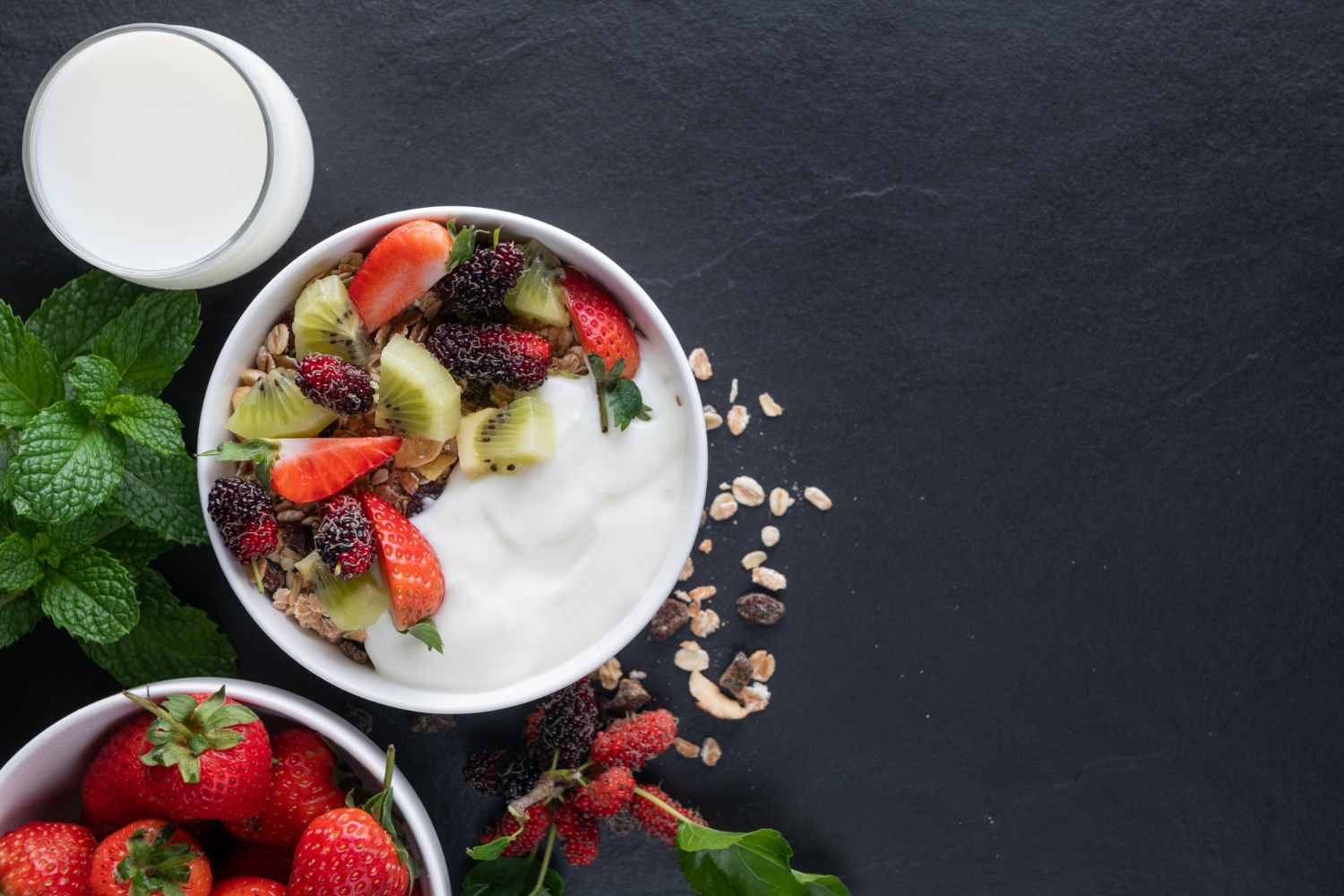
Your choices now directly influence your quality of life in the decades ahead. Focus on building lasting health rather than achieving a specific number on the scale.
Bone Density Preservation
Bone density is the amount of mineral matter per square centimeter of bone, indicating bone strength and fracture risk.
Bone loss accelerates after menopause as estrogen decline affects calcium absorption and bone remodeling. Studies show that women can lose 20-30% of bone mass during the menopausal transition and continuing years. This bone loss increases osteoporosis risk and fracture risk. Hip fractures particularly threaten independence and quality of life in later years.
Weight-bearing exercises signal your bones to maintain density. When you place stress on bones through impact or resistance, bones respond by strengthening. Walking, dancing, and hiking provide weight-bearing stimulus. Strength training with weights or resistance bands stresses bones even more effectively than walking.
Calcium and vitamin D support bone health, but exercise provides the mechanical stimulus bones need to Stay Strong. Bones adapt to the loads placed on them sedentary bones receive no signal to stay strong and gradually weaken. Active bones receive constant signals to maintain or increase density.
Consume adequate calcium (1,200 mg daily) from dairy products, fortified plant milks, leafy greens, and canned fish with bones. Ensure adequate vitamin D (800-1,000 IU daily) through sunlight exposure, fatty fish, fortified foods, or supplements. Vitamin D enables calcium absorption, so both nutrients work together.
Building strong bones at 50 prevents fractures at 70 and beyond. Bone health directly determines your ability to maintain independence as you age. Preventing bone loss now is easier than treating osteoporosis later.
Cardiovascular Health Priorities
Cardiovascular health is the condition and function of your heart and blood vessels, determining your risk of heart disease, stroke, and related conditions.
Heart disease becomes the leading cause of death for women during midlife. Your risk increases as estrogen's protective cardiovascular effects diminish. Estrogen helps maintain flexible blood vessels, healthy cholesterol ratios, and lower blood pressure. Losing estrogen's protection makes cardiovascular health a priority focus.
Maintaining healthy weight reduces strain on your heart. Every pound lost decreases the total blood vessel length your heart must pump through. Weight loss improves cholesterol profiles by raising HDL (good cholesterol) and lowering LDL (bad cholesterol) and triglycerides.
Regular cardiovascular exercise strengthens heart muscle and improves circulation. Your heart becomes more efficient, pumping more blood per beat so it doesn't need to beat as frequently. Exercise also improves blood vessel flexibility and reduces inflammation in blood vessels.
Blood pressure often improves with weight loss and exercise. Every 2 pounds lost typically reduces blood pressure by 1 point. If caught early, lifestyle changes can eliminate the need for blood pressure medication. Even if medication becomes necessary, lower doses work better when combined with healthy behaviors.
Monitor key cardiovascular markers through annual checkups: blood pressure (target below 120/80), total cholesterol (target below 200), LDL cholesterol (target below 100), HDL cholesterol (target above 50 for women), and triglycerides (target below 150). These numbers matter more than scale weight for long-term health.
The habits you build now determine your cardiovascular health for the next 30+ years. Preventing heart disease is far easier than treating it after it develops.
Longevity and Quality of Life Focus
Longevity is the length of life, while quality of life is your physical capacity, independence, and vitality throughout your years.
The goal isn't just living longer but maintaining vitality and independence throughout your life. Living to 90 with good health and independence differs dramatically from living to 90 with disability and dependence on others. Your 50s represent the decade when your choices most powerfully influence how you'll experience your 70s, 80s, and beyond.
The more muscle and strength you build in your 50s, the more mobile you remain in your 70s and beyond. Muscle reserves in midlife provide a buffer against age-related decline. Think of muscle as your retirement savings account for physical function the more you build and preserve now, the more you have to draw from later.
Building strength, maintaining healthy body composition, and establishing sustainable habits create a foundation for decades of active living. Results come slower than they did before, but they carry greater significance for your long-term health and quality of life.
Focus on functional fitness that supports daily activities. Can you carry groceries up stairs? Can you get up from the floor without using your hands? Can you walk a mile without excessive fatigue? These functional capacities determine your independence more than any number on a scale.
Invest in health now to enjoy vitality later. Every workout builds your capacity for future years. Every nutritious meal supports your body's long-term function. Every pound of muscle preserved maintains future mobility. The effort you invest today pays dividends throughout the rest of your life.
Conclusion
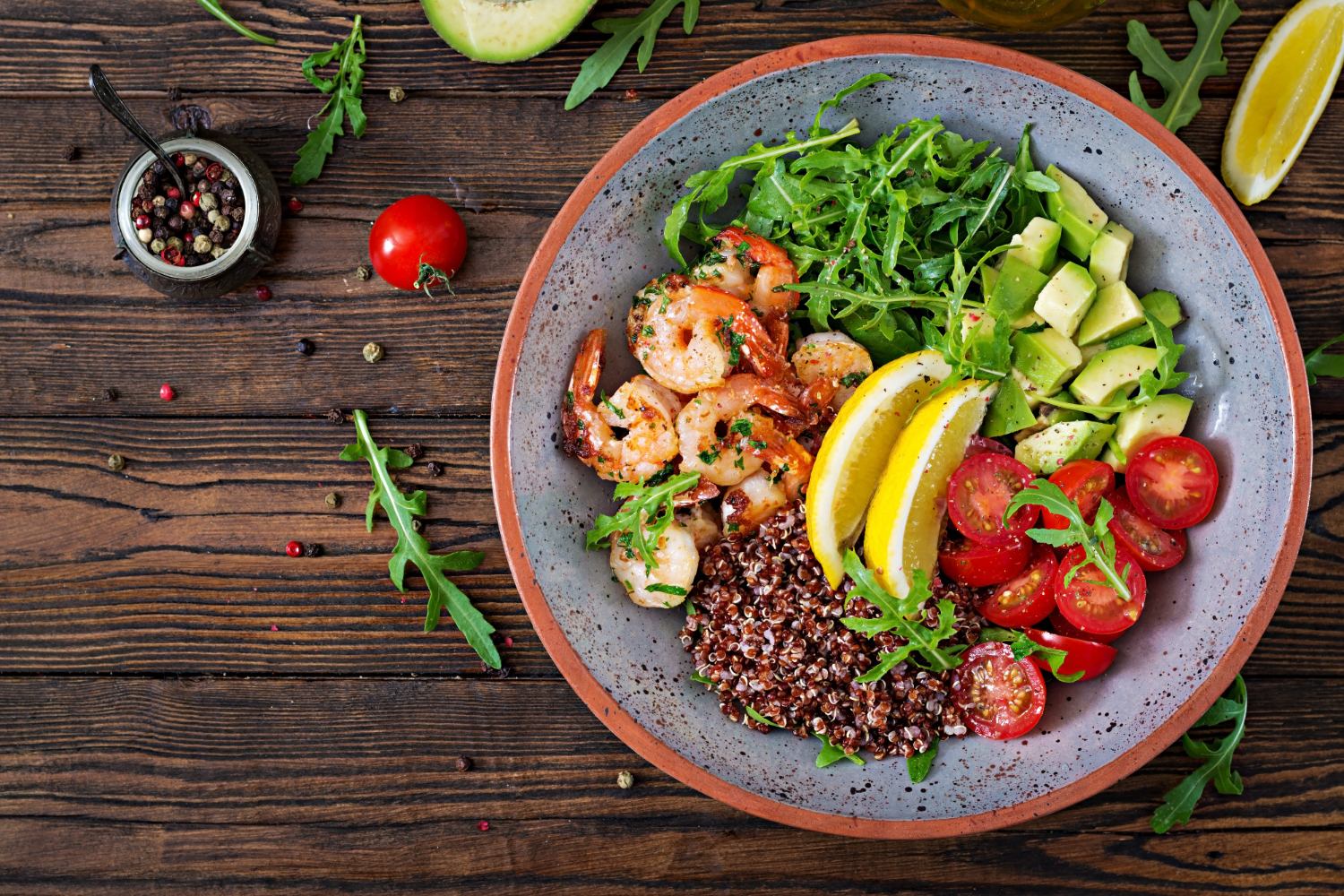
Weight loss in your 50s requires a fundamentally different approach than weight loss in earlier decades. Your body has changed through menopause or post-menopause, altering how you store fat, maintain muscle, and process energy. These changes mean previous strategies won't work the same way now.
Success in your 50s depends on understanding and working with your current physiology. Acknowledge that metabolism has slowed, requiring fewer calories than before. Recognize that estrogen decline has changed fat storage patterns, making visceral fat more prevalent. Accept that muscle loss accelerates without intervention, reducing your metabolic rate.
The strategies outlined in this guide address these specific challenges. Increase protein intake to preserve muscle mass. Prioritize strength training as non-negotiable for maintaining metabolism and bone density. Choose joint-friendly cardio that you can sustain long-term. Manage menopause symptoms that interfere with healthy behaviors. Support your metabolism through hydration, stress management, and adequate sleep. Set realistic expectations for gradual progress rather than rapid results.
Most importantly, shift your focus from weight alone to overall health markers. Improved body composition matters more than scale weight. Better cardiovascular health, preserved bone density, and maintained muscle mass determine your quality of life in coming decades. Non-scale victories like increased energy, better sleep, and improved mood indicate real progress.
Your 50s represent a critical decade for building the foundation for healthy aging. The habits you establish now directly influence your vitality, independence, and quality of life through your 60s, 70s, 80s, and beyond. Approach this decade as an investment in your future self. Results will come more slowly than before, but they carry greater long-term significance.
Chair Yoga that meets you where you are.
Get your planSources
Kodoth, Varna, et al. "Adverse Changes in Body Composition During the Menopausal Transition and Relation to Cardiovascular Risk: A Contemporary Review." Women's Health Reports, vol. 3, no. 1, 2022, p. 573, https://doi.org/10.1089/whr.2021.0119.
Hunter, Gary R., et al. "Age Related Shift in Visceral Fat." International Journal of Body Composition Research, vol. 8, no. 3, 2010, p. 103, https://pmc.ncbi.nlm.nih.gov/articles/PMC4018766/.
Houston, Denise K., et al. "Dietary Protein Intake Is Associated with Lean Mass Change in Older, Community-dwelling Adults: The Health, Aging, and Body Composition (Health ABC) Study." The American Journal of Clinical Nutrition, vol. 87, no. 1, 2007, pp. 150-155, https://doi.org/10.1093/ajcn/87.1.150.
Brady, Anne O., and Chad R. Straight. "Muscle Capacity and Physical Function in Older Women: What Are the Impacts of Resistance Training?" Journal of Sport and Health Science, vol. 3, no. 3, 2014, pp. 179-188, https://doi.org/10.1016/j.jshs.2014.04.002.
Tandon, Vishal R., et al. "Menopause and Sleep Disorders." Journal of Mid-Life Health, vol. 13, no. 1, 2022, p. 26, https://doi.org/10.4103/jmh.jmh_18_22.
Kuck, Ming J., and Eef Hogervorst. "Stress, Depression, and Anxiety: Psychological Complaints across Menopausal Stages." Frontiers in Psychiatry, vol. 15, 2024, p. 1323743, https://doi.org/10.3389/fpsyt.2024.1323743.
Alhawatmeh, Hossam N., et al. "The Benefits of Mindfulness Meditation on Trait Mindfulness, Perceived Stress, Cortisol, and C-Reactive Protein in Nursing Students: A Randomized Controlled Trial." Advances in Medical Education and Practice, vol. 13, 2022, p. 47, https://doi.org/10.2147/AMEP.S348062.
Deutsches Zentrum fuer Diabetesforschung DZD. "You don't have to lose weight to lower your diabetes risk, scientists say." ScienceDaily, 6 Oct. 2025, https://www.sciencedaily.com/releases/2025/10/251006051117.htm.
De Villiers, Tobie J. "Bone Health and Menopause: Osteoporosis Prevention and Treatment." Best Practice & Research Clinical Endocrinology & Metabolism, vol. 38, no. 1, 2023, p. 101782, https://doi.org/10.1016/j.beem.2023.101782.