Keto that finally moves the scale again.
Get your plan
Keto that finally moves the scale again.
Get your plan
Shifting to different dietary preferences requires time. Between limiting certain foods and identifying suitable foods, the transition can feel overwhelming.
This is why we have created a carnivore diet food list and meal plans — a helpful resource designed for immediate use. It will help you transition and sustain a carnivore diet.
In this article, we introduce the carnivore diet food list. We cover essential foods, portions, and key guidelines, a 7-day carnivore diet meal plan, and a 30-day meal plan for beginners.
Carnivore Diet Quick Reference Card

Here is a summary of the carnivore diet foods, rules, and daily intake guidelines.
Key Rules and Guidelines
Here is a summary of the carnivore diet key guidelines:
- Eat only animal-based foods (Including organ meat)
- Consume 60–75% of calories from fat
- Eliminate plant foods (fruit, vegetables, grains, legumes, nuts, seeds, sugars, veg oils)
- Focus on consuming meat, salt, and water
- Eat until full, use hunger and satiety cues to guide food intake.
- Allow 1–2 weeks for the body to adapt (may cause fatigue, cravings, and headaches)
7-Day Carnivore Diet Meal Plan
Present a numbered list of meals for each day of a 7-day plan. Include specific foods, portions, calories, and macros.
Day 1
Daily Macros Totals: 1440 kcal | Protein: 117 g | Fat: 105 g
Breakfast
Macros: 420 kcal | Pro: 27 g | Fat: 33 g
- 3 eggs
- Bacon – 40 g
- Butter – 1 tbsp
Lunch
Macros: 500 kcal | Pro: 40 g | Fat: 38 g
- Ribeye steak – 150 g
- Eggs – 1
Dinner
Macros: 520 kcal | Pro: 50 g | Fat: 34 g
- Chicken thighs (with skin) – 200 g
- Chicken liver – 80 g
Day 2
Daily Macros Totals: 1590 kcal | Protein: 118 g | Fat: 118 g
Breakfast
Macros: 500 kcal | Pro: 25 g | Fat: 42 g
- 3 eggs
- Sausages – 80 g
Lunch
Macros: 550 kcal | Pro: 45 g | Fat: 38 g
- Salmon – 180 g
- Sardines – 60 g
Dinner
Macros: 540 kcal | Pro: 45 g | Fat: 38 g
- Ground beef (80/20) – 180 g
- Egg yolks – 1
Day 3
Daily Macros Totals: 1620 kcal | Protein: 108 g | Fat: 119 g
Breakfast
Macros: 450 kcal | Pro: 28 g | Fat: 32 g
- Whole eggs – 3
- Smoked salmon – 60 g
- Cream cheese – 20 g
Lunch
Macros: 580 kcal | Pro: 45 g | Fat: 42 g
- Lamb chops – 150 g
- Beef liver – 80 g
Dinner
Macros: 590 kcal | Pro: 35 g | Fat: 45 g
- Pork belly – 100 g
- Shrimp – 120 g
Day 4
Daily Macros Totals: 1560 kcal | Protein: 112 g | Fat: 117 g
Breakfast
Macros: 500 kcal | Pro: 32 g | Fat: 40 g
- Whole eggs – 3
- Ground beef (80/20) – 80 g
Lunch
Macros: 540 kcal | Pro: 35 g | Fat: 42 g
- Mackerel – 150 g
- Eggs – 1
Dinner
Macros: 520 kcal | Pro: 45 g | Fat: 35 g
- Pork chops – 200 g
- Butter – 1 tsp (5 g)
Day 5
Daily Macros Totals: 1630 kcal | Protein: 120 g | Fat: 120 g
Breakfast
Macros: 520 kcal | Pro: 30 g | Fat: 42 g
- Whole eggs – 3
- Cheese (cheddar) – 30 g
- Bacon – 30 g
Lunch
Macros: 560 kcal | Pro: 45 g | Fat: 40 g
- Ribeye steak – 150 g
- Shrimp – 100 g
Dinner
Macros: 550 kcal | Pro: 45 g | Fat: 38 g
- Chicken thighs (with skin) – 200 g
- Eggs – 1
Day 6
Daily Macros Totals: 1540 kcal | Protein: 117 g | Fat: 110 g
Breakfast
Macros: 520 kcal | Pro: 30 g | Fat: 28 g
- Whole eggs – 3
- Smoked salmon – 80 g
Lunch
Macros: 570 kcal | Pro: 45 g | Fat: 42 g
- Lamb chops – 150 g
- Beef liver – 70 g
Dinner
Macros: 550 kcal | Pro: 42 g | Fat: 40 g
- Ground beef (80/20) – 180 g
- Butter – 1 tsp (5 g)
Day 7
Daily Macros Totals: 1640 kcal | Protein: 118 g | Fat: 120 g
Breakfast
Macros: 500 kcal | Pro: 28 g | Fat: 42 g
- Whole eggs – 3
- Sausages – 80 g
Lunch
Macros: 560 kcal | Pro: 45 g | Fat: 40 g
- Salmon – 180 g
- Sardines – 50 g
Dinner
Macros: 580 kcal | Pro: 45 g | Fat: 35 g
- Pork belly – 90 g
- Chicken breast – 150 g
30-Day Carnivore Diet Meal Plan for Beginners
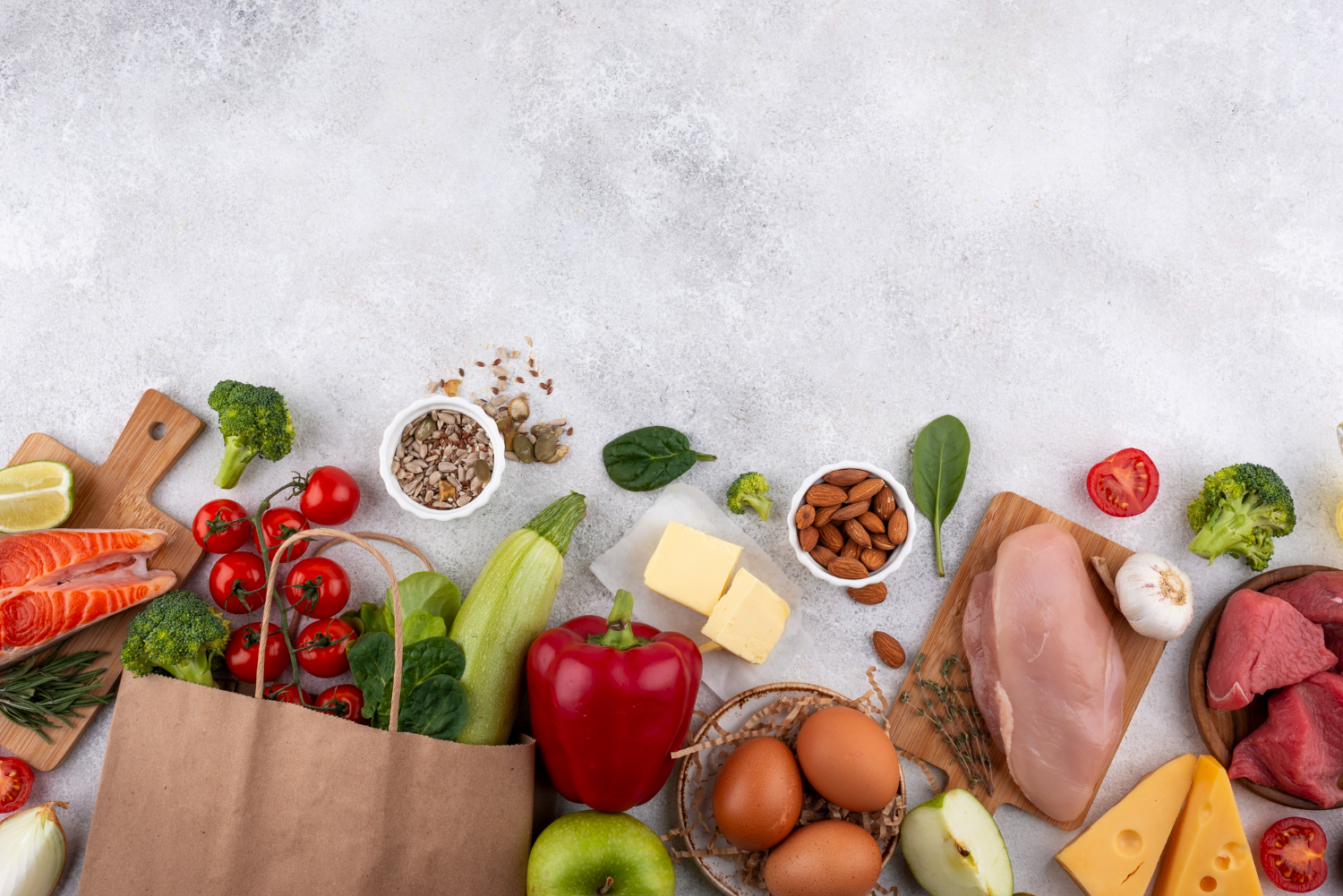
This 30-day carnivore diet meal plan helps beginners ease into the carnivore diet using weekly goal-setting and minor adjustments. Below is a brief outline of the meal plan.
Week 1: Introduction and Simplification
Week 1 of the 30-day carnivore diet meal plan should focus on lowering carbohydrate intake below 100 g/day.
You can achieve this by eliminating grains and legumes from your meals, while continuing to consume vegetables and fruits.
This will allow you to ease into a low-carb diet, which will transition to ketosis (below 50 g/day).
Week 2 to Week 4: Expansion and Optimization
Detail the progression and meal variations for weeks two to four, highlighting the introduction of organ meats and optimization strategies.
The focus of weeks 2 to 4 is to continue decreasing carbohydrate intake until they reach 0 g/day.
Week 2 should focus on lowering carbohydrate intake to 50 g/day and sustaining for the week. This can be used as an adjustment period, allowing you to acclimate to a lower carb intake before making the drop below 50 g/day and ketosis.
Week 3 is the biggest decline, as you go below 50 g/day. This is done by reducing the intake of plant food.
This week is when you're most likely to experience the keto flu. This is when you experience symptoms such as fatigue, headaches, brain fog, nausea, constipation, and muscle cramps.
This can last for 3 to 5 days. During this time, hydration and electrolyte intake are essential.
Once week 4 begins, you should have reached 0 g/day and have entered ketosis.
Carnivore Diet Food List
The following list contains foods allowed on the carnivore diet, grouped by meat, poultry, seafood, and dairy, and a table of foods to eat and foods to avoid.
Animal Proteins
Meats such as beef, pork, and poultry make up a large portion of the carnivore diet. Because there are very few foods available on the carnivore diet, cooking can be simple—methods such as frying, grilling, roasting, or slow cooking.
Regarding portions, 200–250 g (600 g–750 g of meat per meal will help maintain satiety, provide energy, and support several goals.
Seafood and Dairy
Seafood and dairy make up the remaining parts of the carnivore diet. Seafood, such as fish and shellfish, is excellent for increasing healthy fats and adding variety to meals. Dairy such as butter, ghee, heavy cream, and hard cheese are high in fat and low in lactose.
These foods can be combined to enhance flavor, increase fat intake, and improve fullness. Seafood can be prepared by pan-searing, grilling, and steaming using tallow, lard, or butter.
Foods to Limit or Avoid
Plant foods, sugar, sweeteners, processed carbohydrates, vegetable oils, seed oils, ultra-processed foods, and packaged foods should be avoided on the carnivore diet.
Plant foods and processed carbohydrates (bread, pasta, cakes, etc.) contain carbohydrates, which the carnivore diet eliminates. Sugars are simple carbohydrates and can spike blood sugars and increase cravings.
Meanwhile, processed foods can contain hidden sugars and plant ingredients, which aren’t suitable for the carnivore diet.
Printable Carnivore Diet Grocery List [definition]
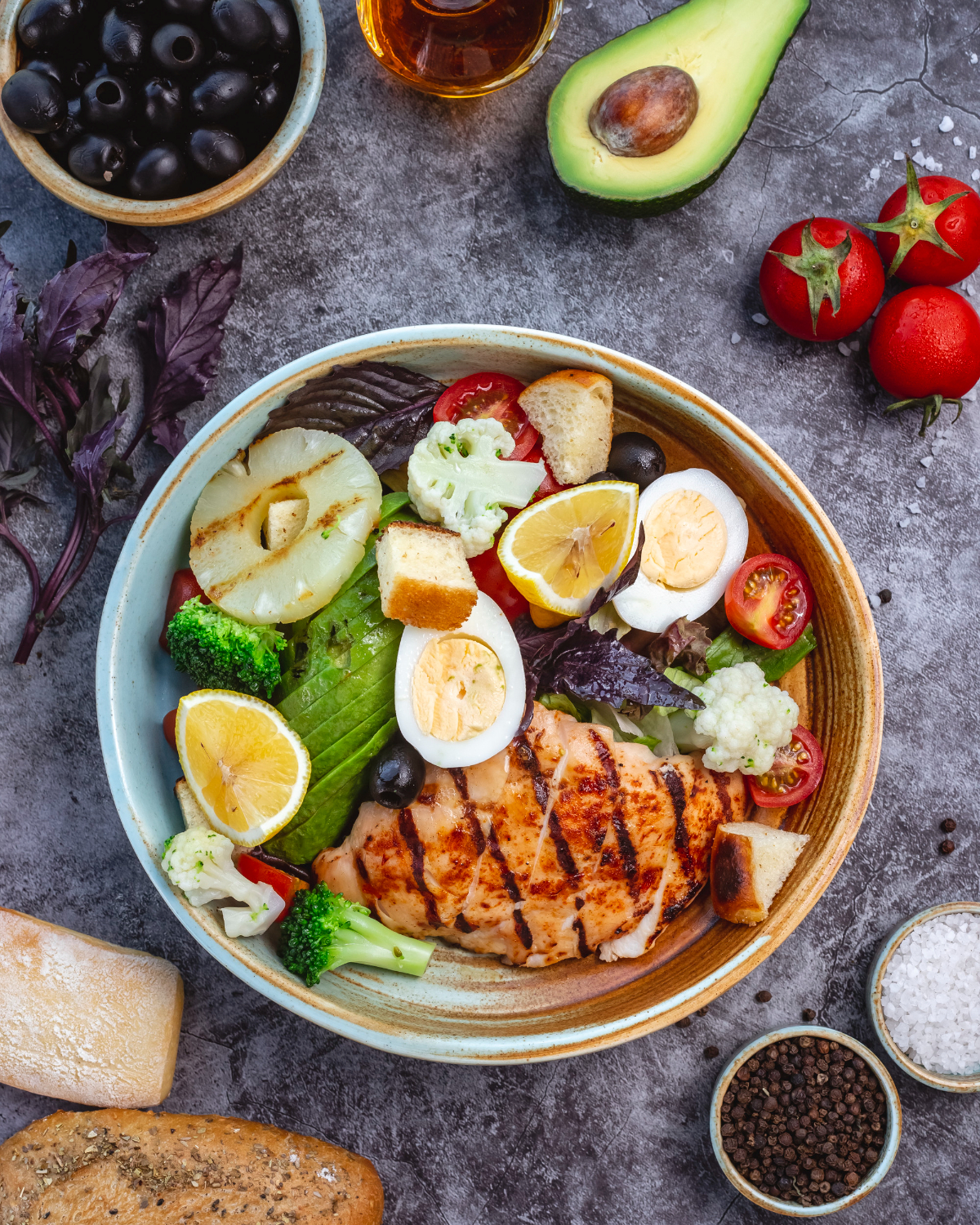
This printable carnivore diet grocery list will help you complete a shop today. It contains a list of carnivore diet foods for the 7-day carnivore diet meal plan for beginners listed above. This will also contain supplements that support your health.
Proteins and Fats
- Eggs: 3 dozen (36 eggs)

- Ribeye steak: 500 g / 1.1 lbs (1 pack)
- Ground beef (80/20): 1 kg / 2.2 lbs (2 × 500 g packs)
- Lamb chops: 500 g / 1.1 lbs (1 pack)
- Beef liver: 250 g / 0.55 lbs (1 pack)
- Chicken thighs (with skin): 1 kg / 2.2 lbs (1 pack)
- Chicken breast: 250 g / 0.55 lbs (1 pack)
- Chicken liver: 250 g / 0.55 lbs (1 pack)
- Bacon: 200 g / 0.44 lbs (1 pack)
- Pork belly: 300 g / 0.66 lbs (1 pack)
- Pork chops: 500 g / 1.1 lbs (1 pack)
- Sausages: 200 g / 0.44 lbs (1 pack)
- Salmon: 500 g / 1.1 lbs (1 pack)
- Smoked salmon: 200 g / 0.44 lbs (1 pack)
- Sardines: 2 small cans (~120 g total)
- Mackerel: 250 g / 0.55 lbs (1 pack)
- Shrimp: 300 g / 0.66 lbs (1 pack)
- Butter: 250 g / 0.55 lbs (1 block)
- Cheddar cheese: 200 g / 0.44 lbs (1 block)
- Cream cheese: 200 g / 0.44 lbs (1 tub)
Supplements and Miscellaneous
- Sea salt (or Himalayan salt): 1 kg / 2.2 lbs (1 bag)
- Electrolyte powder (no sugar): 250 g / 0.55 lbs (1 tub)
- Magnesium (glycinate or citrate): 150 capsules (1 bottle)
- Vitamin D3: 200 softgels (1 bottle)
- Omega-3 fish oil: 150 softgels (1 bottle)
Optional
- Beef organ capsules: 150 capsules (1 bottle)
- Collagen peptides (unflavored): 400 g / 0.88 lbs (1 tub)
Download the Full Carnivore Diet PDF

Beginning the carnivore diet can be a big undertaking. That is why we have created a full carnivore diet PDF, a comprehensive resource that can be combined with the Reverse Health program to help you achieve incredible results.
Included Materials
The full carnivore diet PDF contains complete food lists, meal plans, shopping lists, and a 30-day plan. This not only shows you exactly what to eat, but also how to tailor your plan to reach your specific goals.
Connection to Reverse Health Program
The Reverse Health program utilizes the profound benefits of the carnivore diet and tailors it for women over 40 to improve weight management, balance hormones, and address PCOS.
Rather than a generic carnivore meal plan, the Reverse Health program makes it applicable for women, leading to lasting results.
Top 10 Foods for a Carnivore Diet [summary]
Animal foods are incredible sources of protein, fats, and vital nutrients. Here is a list of the best carnivore diet foods that should be used for the foundation of your diet.
- Ribeye Steak — High fat and protein
- Ground Beef (80/20) —Affordable, versatile, simple to prepare
- Eggs —Nutrient-dense, cheap, easy to prepare
- Butter —Pure fat
- Salmon —Omega-3-rich
- Bacon —High fat, adds flavours
- Chicken Thigh —A great source of fat and protein
- Pork Belly —High fat and protein
- Beef Liver — Nutrient-dense, high protein
- Sardines —Healthy fats, easy to prepare
Carnivore Diet for Women: Considerations and Adjustments
The carnivore diet eliminates several food groups, meaning adjustments are needed to improve sustainability and maintain health. Below is a list of considerations and adjustments that may be required.
- Avoid Undereating — Undereating can disrupt hormones and menstrual cycles, and lead to fatigue.
- Prioritize Fat — Fats support hormone production.
- Monitor Menstrual Cycles — Identify irregularities and changes.
- Iron Needs — Increases during menstruation and lowers with peri and postmenopause.
- Electrolytes and Hydration — Addresses headaches, low energy, and dizziness.
Q: How long does it take to lose 20 pounds on carnivore?
It can take weeks and even months to lose 20 pounds on the carnivore diet. This can vary between individuals as factors such as calorie deficit, exercise, starting weight, and adherence can alter the timeline.
Q: What is the 80 20 rule on the carnivore diet?
The 80-20 rule refers to consuminbg 80% of your calories from fat and 20% from protein. Fat is the primary fuel source during the carnivore diet. Prioritizing foods such as short ribs, pork belly, and lamb chops. These are high-fat foods and can provide sufficient energy to fuel your body.
Q: How can I adapt the carnivore diet for beginners?
You can adapt the carnivore diet to beginners by gradually lowering carb intake over several weeks until they are eliminated. Focus on eating until full, consuming fatty cuts, simple meals, and supplements such as electrolytes and vitamin C. This can make the transition smoother.
Q: Can women follow a carnivore diet?
Yes, women can follow the carnivore diet. It can even be beneficial for women, helping with weight management and providing hormonal balance. However, you should clear it with your healthcare professional, as low-fiber, low-carb, and high-fat diets can cause issues.
Q: Are vegetables allowed on a carnivore diet?
No, vegetables are not allowed on the carnivore diet. Vegetables contain carbohydrates, which are not eaten on the carnivore diet. However, a hybrid keto-carnivore diet can be used, allowing for small amounts of plant foods such as leafy greens, avocado, and berries.
Keto that finally moves the scale again.
Get your planSources
FAQs
What foods are allowed on the carnivore diet?
The carnivore diet focuses exclusively on animal-based foods. This includes meat, fish, eggs, and animal-derived fats like butter and tallow. It also often incorporates organ meats such as liver and heart for a more comprehensive nutrient intake.
How can I start transitioning to a carnivore diet?
Begin by gradually eliminating plant-based foods like fruits, vegetables, grains, and legumes. Focus on incorporating more animal-based foods into your meals, such as meats and eggs, and listen to your body's hunger and satiety cues. Allow a transition period for your body to adapt, which may take 1–2 weeks.
Why might someone over 40 consider a carnivore diet?
Individuals over 40 may explore the carnivore diet for various reasons, including simplifying food choices, focusing on protein intake, and potentially managing body composition. However, it's essential to assess personal health conditions and consult with a healthcare professional if needed.
Can I drink anything besides water on the carnivore diet?
While water is the primary recommended beverage, some variations of the carnivore diet allow for drinks like coffee and tea, provided they do not contain any plant-based additives. It's important to focus on hydration and monitor how your body responds to different beverages.
Should I take supplements while on the carnivore diet?
Supplementation might be necessary depending on your individual nutritional needs. While the diet is rich in certain nutrients like protein and fat, it may lack others found in plant foods. Consider having your nutrient levels assessed to determine if supplements are needed.