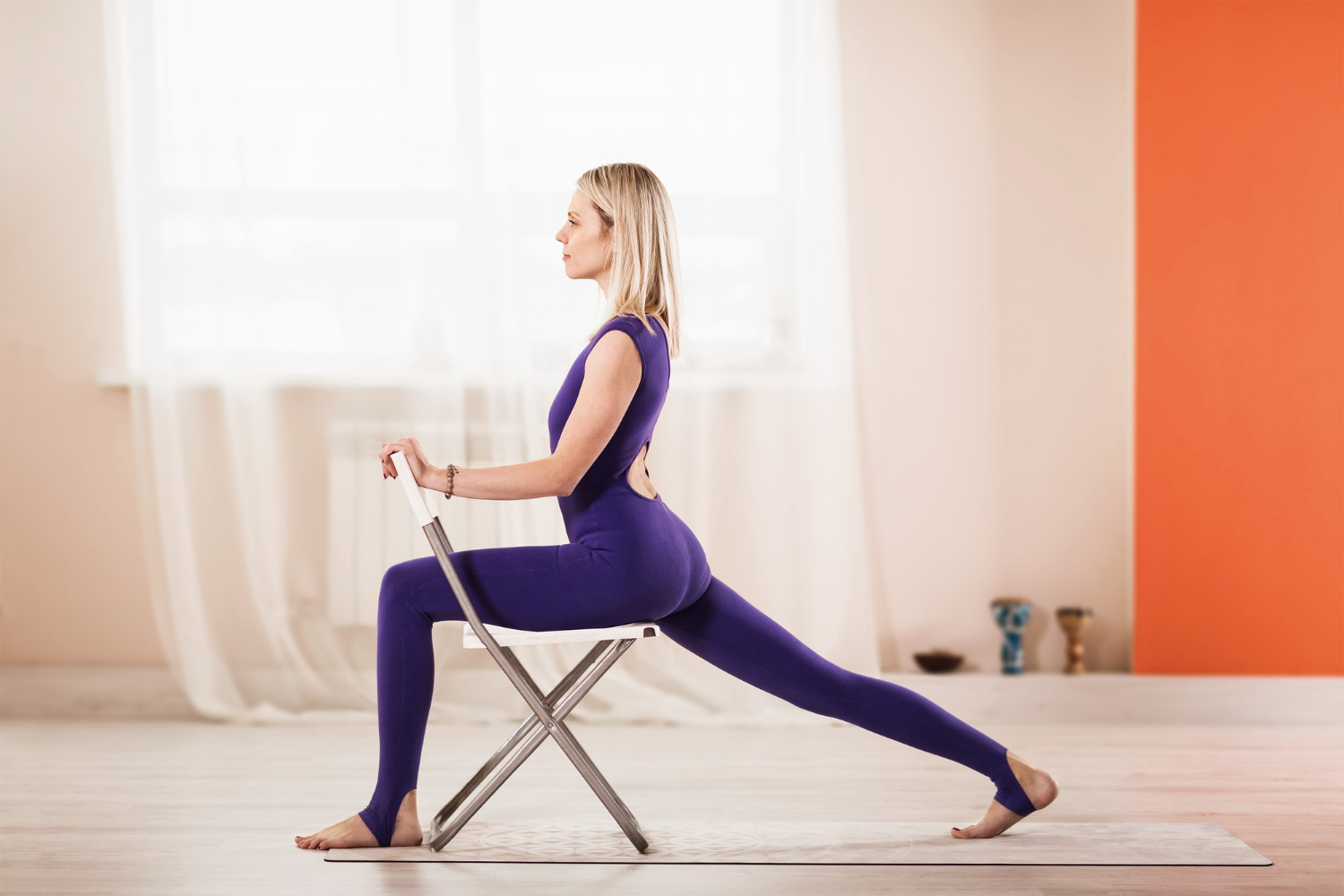
Chair Yoga that meets you where you are.
Get your plan
Chair Yoga that meets you where you are.
Get your plan
For women, entering the 40s can be challenging and stressful. Between peaking careers, family demands, aging parents, and hormone-related health concerns, it can be difficult to find balance.
This is where stress-release yoga can help. An active way to address stress, it can move and relieve stress and regulate the nervous system, providing relief that improves your physical and mental health.
In this article, we discuss stress-relief yoga for women over 40. We cover how stress shows in the body after 40, nervous system basics, breathing techniques, and five essential stress-release yoga sequences to help you find balance.
How Stress Shows Up in Your Body After 40
Women over 40 experience a decline of estrogen and progesterone, two powerful reproductive hormones that offer protection from stress and inflammation, and support the immune system and cognition. However, when levels decline, it can lead to negative outcomes, impairing health and quality of life.
Meanwhile, chronic stress can manifest in ways that impact your physical and mental health. When these two factors combine, it can lead to more significant negative health outcomes.
Below, we discuss the impact stress hormones have on the body for women over 40, including stress hormone cascade, chronic stress accumulation patterns, and how movement helps to metabolize stress.
Stress-Hormone Cascade and Physical Effects
Experts explain that stress response is mediated by the nervous, endocrine, and immune system via the sympathetic-adrenal-medullary (SAM) axis and hypothalamic-pituitary-adrenal (HPA) axis.
These axes release cortisol, adrenaline, and noradrenaline, activating a stress response (fight-or-flight). A natural reaction, this helps to prepare for internal and external challenges.
However, when stress levels remain elevated and become chronic, they can begin to impact physical and mental health, resulting in conditions such as cardiovascular disease, anxiety, and depression. Outcomes that are worse for women over 40.
Studies highlight that the decline of estrogen impairs the body’s capacity to protect against stress, inflammation, and support cognitive function and the immune system, taking a greater toll on the body.
Chronic Stress Accumulation Patterns
Stress is a natural response, helping the body to prepare for challenges. After an initial stress response, the body is designed to go into a repair phase, lowering cortisol level and returning blood pressure and heart rate to resting levels.
However, if the stressor persists, the body adapts to higher stress levels by continuing to release stress hormones. This leads to what is known as the resistance stage, which manifests as symptoms such as an inability to concentrate, irritability, and frustration.
When stress remains elevated, the body enters what is known as the exhaustion stage. This presents symptoms including fatigue, depression, anxiety, reduced stress tolerance, and burnout.
If it is within these patterns that disease and dysfunction, including heart disease, a weakened immune system, and gut issues.
Why Movement Helps Metabolize Stress
Movement, exercise, and general physical activity are excellent for addressing stress. Research shows that physical activity, such as aerobic exercise, resistance training, recreational sport, and interval training, is associated with greater mental well-being, mood, sleep quality, and reduced depression.
These effects occur as exercise releases endorphins, elevating mood, while lowering cortisol, and improving sleep, providing a general.
This also results in long-term benefits, with studies showing that regular exercise increases resilience to the emotional effects of acute stress, potentially protecting against diseases caused by chronic stress.
Nervous System Basics for Stress Management
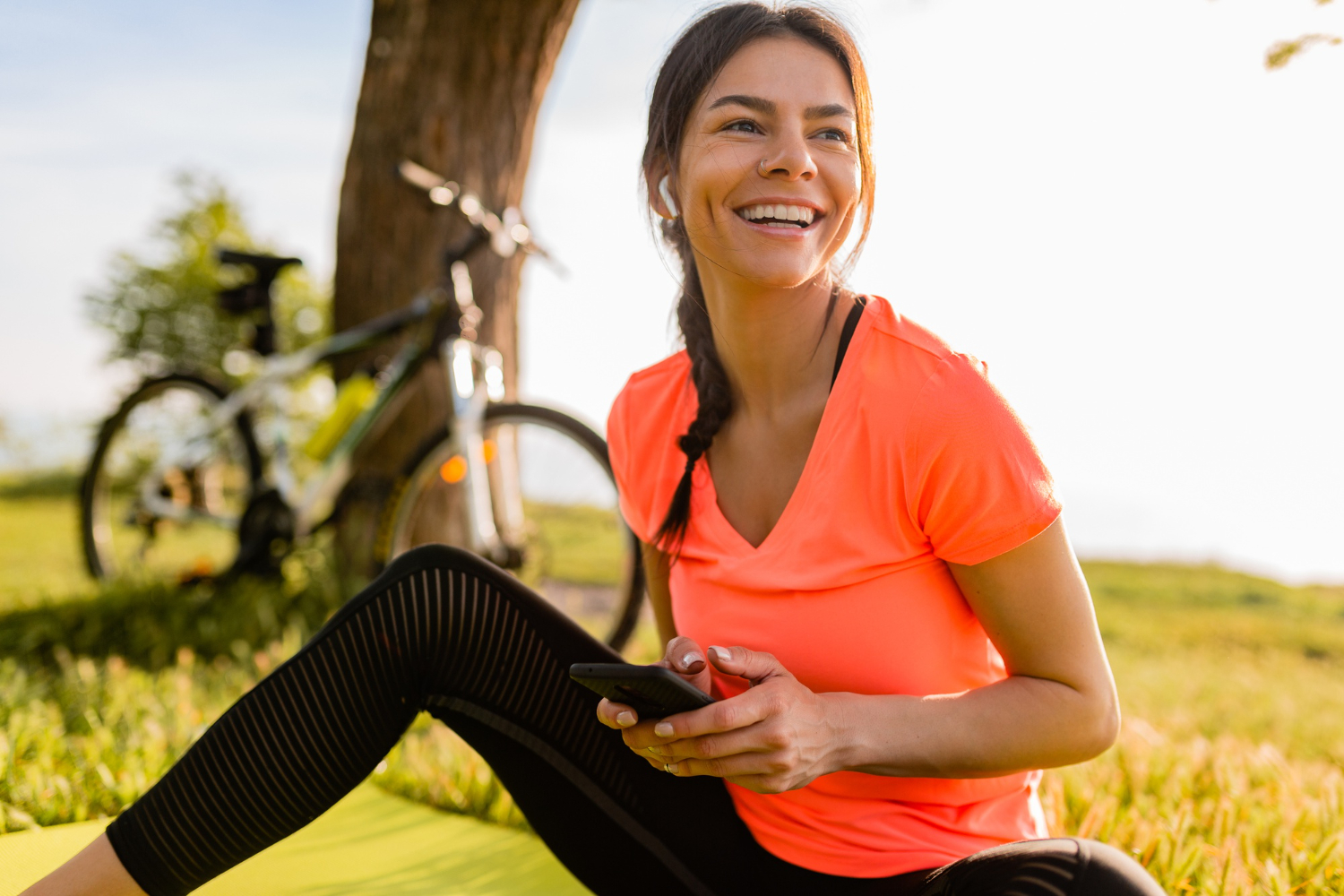
Understanding how the nervous system reacts to stress can help improve your stress management. Below, we explain the fight-or-flight activation, vagus nerve, and rest-digest response, and how yoga triggers a parasympathetic shift.
Understanding Fight-or-Flight Activation
The fight-or-flight response occurs when a stressful situation activates the sympathetic nervous system to prepare the body to face or flee from perceived threats. Adrenaline and noradrenaline are secreted throughout the body, increasing arterial pressure, blood flow to muscles, muscle strength, and mental activity.
This response enhances alertness and performance to deal with internal or external environmental challenges.
Vagus Nerve and Rest-Digest Response
Research explains that the vagus nerve mediates the rest-and-digest process, regulating heart rate, digestion, inflammation, and mood, working in an opposite manner to the fight-or-flight response.
This response places the body in a calming state, restoring balance, helping to regain and conserve energy, relaxing muscles, and supporting digestion.
How Yoga Triggers Parasympathetic Shift
Studies show that yoga triggers activation of the parasympathetic nervous system, improving physiological and psychological health.
Meanwhile, sources indicated that 90 minutes of yoga enhances parasympathetic nerve activity, resulting in improved stress hormone and mental states. This helps to decrease mental and lifestyle-related diseases, increasing life expectancy.
Yoga's use of diaphragmatic breathing and chanting all stimulates the vagus nerve, signalling to the brain to rest and digest, while mindfulness helps calm the mind and body.
Breathing Techniques for Immediate Stress Relief
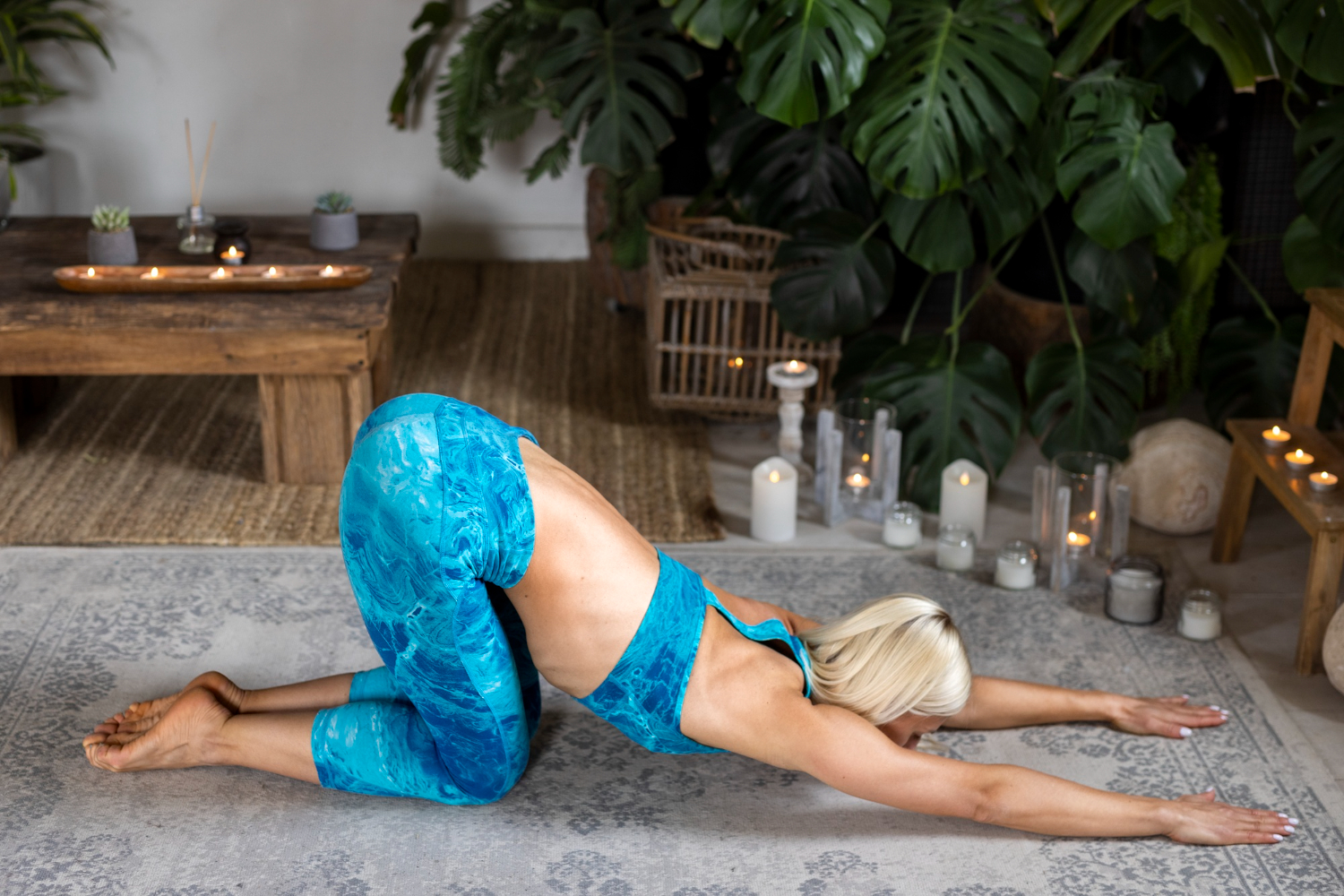
One of the most effective means of reducing stress is breathing. Below, we highlight the different breathing techniques, including nostril breathing, extended exhales, and box breathing, to provide the tools to calm the nervous system.
Alternate Nostril Breathing for Balance
Alternative nostril breathing is a yoga technique that has long been used to calm the mind and body. Performed by closing one nostril and inhaling through the other, reverse your exhale on the opposite side, it creates a rhythm that improves focus, regulating the nervous system.
Here are instructions on how to perform the alternative nostril breathing:
- Sit upright with your shoulder relaxed.
- Bring your right hand up to your face and place your thumb and ring finger on your nose.
- Exhale through both nostrils.
- Block your right nostril with your thumb and inhale with your left nostril, then release your thumb, press down your ring finger, and exhale.
- Perform in reverse, cycling for the designated duration.
Extended Exhale Technique
The extended exhale breathing technique is used to calm the nervous system, lower the heart rate, and reduce stress. Performed by inhaling for 4 counts and exhaling for 6 counts, it is a simple way to shift the body into a rest and digest state.
Box Breathing for Quick Calm
The box breathing technique requires you to inhale for 4 counts, hold for 4 counts, exhale for 4 counts, and hold for 4 counts. Like the methods above, it helps you become present, calming the nervous system, and reducing stress.
5 Essential Stress-Release Yoga Sequences
Here is a list of five essential stress-release yoga sequences to help calm the nervous system and shift the body from fight-or-flight to rest and digest. Each sequence includes a brief description, instructions, and instructor cues to help you effectively relax the nervous system.
Key Poses For Stress Reduction
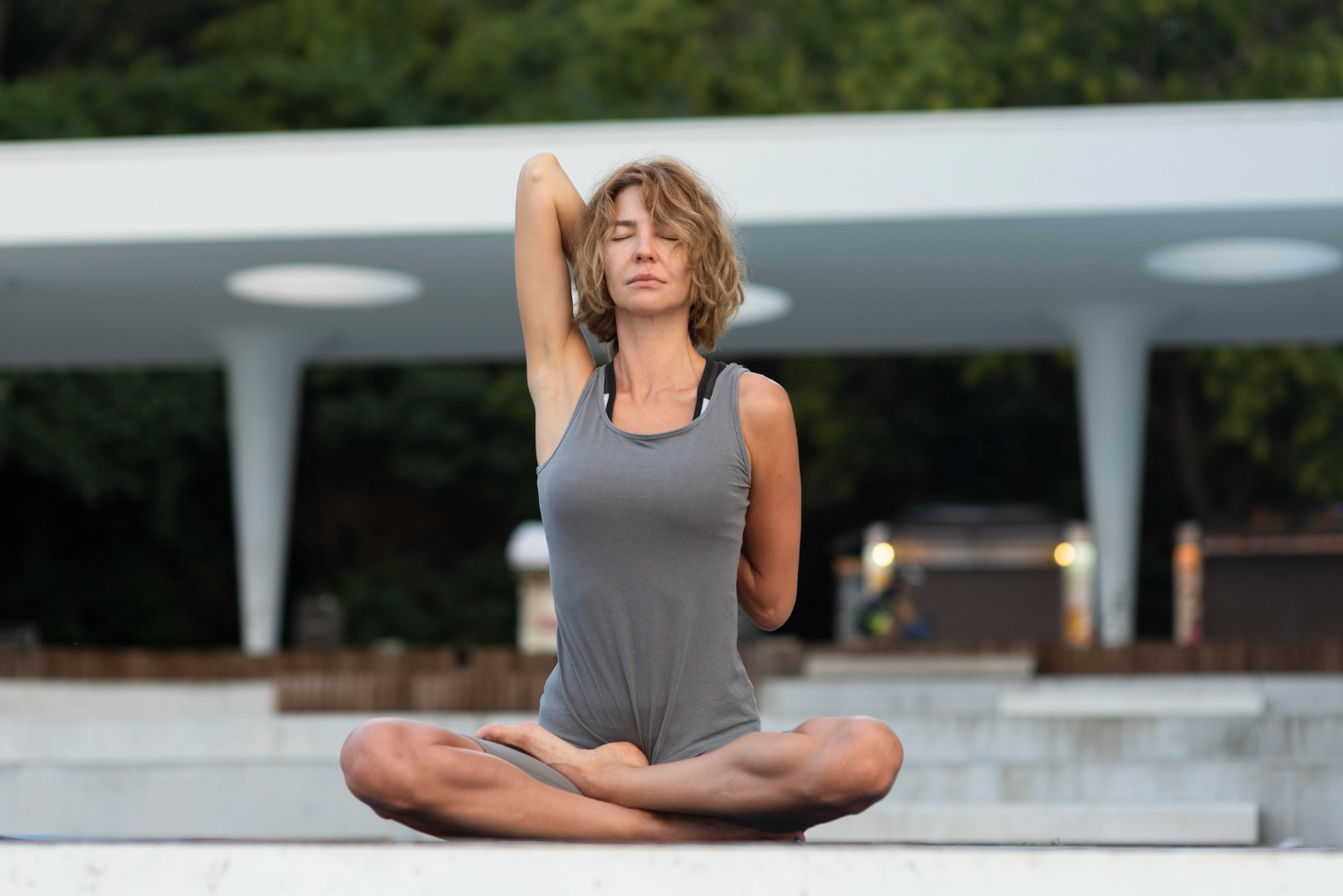
Yoga has several poses for stress relief. We highlight key poses, including forward folds, inversions, and ground poses, to calm the nervous system and relieve stress.
Forward Folds for Calming
The forward folds have a calming effect that can help settle the nervous system and relieve stress.
A 2023 study revealed that the seated forward bend pose, also known as the Paschimottanasana, improved flexibility, increased circulation, reduced stress, and stimulated the digestive system. This being a seated variation highlights how effective movement is for releasing tension and reducing stress.
Supported Inversions for Perspective
Yoga poses that utilize inversions activate the parasympathetic nervous system, reducing stress and blood pressure, enhancing mood, and improving digestion.
Foundation inversions such as the child’s pose, standing forward bend, downward dog, and bridge pose are all excellent for beginners, allowing them to experience the benefits above.
Furthermore, they develop the strength and coordination required to perform more advanced inversions, including wheel pose, shoulder stand pose, plow, and other inversions.
Grounding Poses for Stability
Research shows that grounding helps regulate cortisol, calm brain activity, and reduce muscle tension, making it beneficial for mental and emotional stress.
Movements such as the mountain pose, pigeon pose, goddess pose, chair pose, tree pose, and staff pose are great introductions. These will develop the coordination and balance required to progress toward more advanced poses.
Creating Sustainable Stress-Release Practice

Addressing stress requires consistent ongoing practice to alleviate acute stress when it arises and stop it from having long-term effects. Below, we discuss how to create sustainable stress-release practices, including making time, effective short practices, and tracking stress levels.
Making Time Realistically
When it comes to making time for stress-relief yoga, it is important to be realistic with your expectations. While the prospect of performing multiple sessions may seem exciting, it can add stress to your life if the time isn’t available.
We suggest being realistic and only scheduling sessions when you have ample time to perform them without rushing. This will allow you to create an effective stress relief practice that is sustainable long-term.
Short Practices That Actually Work
Short practices are effective for addressing acute stress and calming the nervous system. Movements, including the cat-cow, child’s pose, corpse pose, seated forward fold, and even breathing work, can be performed in small windows to alleviate stress.
Tracking Stress Levels and Practice Effects
Tracking your stress levels is essential for helping you develop a long-term, sustainable plan. Assessing stress can be done with the following methods.
- Body Awareness: Before your session, perform a body scan for areas of tension and your breathing patterns. Then make an assessment of the impact the session has on those areas. Is tension being released? Has your breathing improved?
- Journaling: Documenting your mood, energy levels, and experience before, during, and after your sessions helps you reflect on how you relieved your stress, which can be used to improve your practice in the future.
- Breathing Awareness: Monitoring your breathing during your session and daily activities can highlight how you deal with stress. Being aware of how long it takes to regulate your breathing and the breath itself can help highlight stress levels.
- Perceived Stress: Use a perceived stress scale to regularly log stress levels each week or month. Numerically tracking and labelling your levels will help you assess your yoga session and the daily effects on your stress levels.
Combining Yoga With Other Stress Management
Stress-relief yoga can be combined with other practices to help calm the nervous system. Below, we discuss how to use yoga with a holistic approach, when to practice for maximum benefit, and how to practice based on stress levels.
Yoga as Part of Holistic Approach
Combining yoga with other forms of mindfulness and physical activity can help boost stress relief.
Activities such as mindfulness, breathing exercises, Tai Chi, resistance training, and recreational exercise are all effective for practice for claming the nervous system. When they are added to your existing routine, they will increase the number of stress-relieving sessions, while adding variety, which will improve sustainability.
When to Practice for Maximum Benefit
Practicing other stress management activities depends on your schedule, as you don't want to overload yourself and add more stress.
For example, breathing exercises and implementing incidental exercise, such as walking, can help you regulate your stress without needing to block out large time slots.
Meanwhile, activities that take up more time and energy, such as resistance training and recreational activities, should be performed between stress-relief yoga sessions or when you have ample time. This will provide variety, keeping your training interesting, while also giving you adequate rest to sustain your routine.
Adjusting Practice Based on Stress Levels
It is important to know that you can modify your stress-relief routine based on your stress levels. For example, if time is tight and it feels like you are in a rush, it may be best to reduce commitments.
While variety is great, too much can add stress. If you feel like you are doing too much, we recommend reducing the quantity of your activities and shifting your focus toward the quality. This will help reduce stress, improve your focus, and ultimately improve your stress-relief practices.
Sources
- Chu B, Marwaha K, Sanvictores T, et al. Physiology, Stress Reaction. [Updated 2024 May 7]. In: StatPearls [Internet]. Treasure Island (FL): StatPearls Publishing; 2025 Jan-. Available from: https://www.ncbi.nlm.nih.gov/books/NBK541120/
- Lara, D.K., Hamel, K.A. and Anderson, D.I. (2025) ‘Somatic movement intervention among older adults to improve body awareness and spine mobility: A pilot study’, Journal of Bodywork and Movement Therapies, 42, pp. 319–330. https://www.sciencedirect.com/science/article/pii/S0091302216300024
- Martland, R.N., Ma, R., Paleri, V., Valmaggia, L., Riches, S., Firth, J. and Stubbs, B. (2024) ‘The efficacy of physical activity to improve the mental wellbeing of healthcare workers: A systematic review’, Mental Health and Physical Activity, 26, 100577. https://doi.org/10.1016/j.mhpa.2024.100577.
- Childs E, de Wit H. Regular exercise is associated with emotional resilience to acute stress in healthy adults. Front Physiol. 2014 May 1;5:161. doi: 10.3389/fphys.2014.00161. PMID: 24822048; PMCID: PMC4013452.https://pmc.ncbi.nlm.nih.gov/articles/PMC4013452/
- Waxenbaum JA, Reddy V, Das JM. Anatomy, Autonomic Nervous System. [Updated 2025 Dec 1]. In: StatPearls [Internet]. Treasure Island (FL): StatPearls Publishing; 2025 Jan-. Available from: https://www.ncbi.nlm.nih.gov/books/NBK539845/
- Eda N, Ito H, Akama T. Beneficial Effects of Yoga Stretching on Salivary Stress Hormones and Parasympathetic Nerve Activity. J Sports Sci Med. 2020 Nov 19;19(4):695-702. PMID: 33239943; PMCID: PMC7675619. https://pmc.ncbi.nlm.nih.gov/articles/PMC7675619/
- Naragatti, S. and Vadiraj, H.S. (2023) ‘A comprehensive review of Paschimottanasana: benefits, variations, and scientific evidence’, International Journal of Science and Research, 12(10), pp. 460–464. doi:10.21275/SR231005142746. https://www.researchgate.net/publication/374551480_A_Comprehensive_Review_of_Paschimottanasana_Benefits_Variations_and_Scientific_Evidence
- Sinatra ST, Sinatra DS, Sinatra SW, Chevalier G. Grounding - The universal anti-inflammatory remedy. Biomed J. 2023 Feb;46(1):11-16. doi: 10.1016/j.bj.2022.12.002. Epub 2022 Dec 15. PMID: 36528336; PMCID: PMC10105021. https://pmc.ncbi.nlm.nih.gov/articles/PMC10105021/
Chair Yoga that meets you where you are.
Get your planSources
FAQs
What are the benefits of stress-release yoga for women over 40?
Stress-release yoga helps alleviate the physical and mental effects of stress by regulating the nervous system. It can improve mood, enhance sleep quality, and build resilience against stress-related health issues.
How does yoga help calm the nervous system?
Yoga uses movement, breath control, and meditation to activate the parasympathetic nervous system, promoting a 'rest-digest' response. This helps reduce stress hormone levels and promotes relaxation and recovery.
Why is stress management particularly important for women over 40?
Due to hormonal changes, women over 40 may have reduced protection against stress and inflammation, making them more susceptible to stress-related health issues. Effective stress management can mitigate these effects.
Can yoga be used as a substitute for other forms of exercise when managing stress?
Yoga can be a complementary practice alongside other exercises, as it uniquely combines physical activity with mental relaxation. However, incorporating a variety of exercises can offer broader health benefits.
Should I consult a healthcare professional before starting yoga for stress relief?
It's advisable to consult a healthcare professional, especially if you have specific health conditions or concerns. They can provide guidance on suitable yoga practices and ensure it aligns with your overall health plan.