Chair Yoga that meets you where you are.
Get your plan
Chair Yoga that meets you where you are.
Get your plan

Movement is a fundamental component of human function, however, this can easily be forgotten, leading many people view it as a chore.
Sadly, this leads many to adopt a “workout or nothing’ mentality, a belief the only movement worth doing is exercise-based, which simply isn’t true.
The truth is, every bit of movement you perform throughout the day could make you healthier. And let’s face it, 3–5 hours exercising weekly while sitting for 60+ hours a week just doesn’t add up!
This is where daily movement habits come in. A series of movement strategies and rituals that will increase your movement, leading to better health, energy, and body composition.
In this article, we discuss daily movement habits for women over 40. We cover non-exercise activity thermogenesis (NEAT), 20 practical movements habits, how to overcome common movement barriers, and more.
Understanding NEAT and Why It Matters After 40
NEAT is a powerful component of the metabolic process that can be used to manage weight and support overall health. Below, we discuss what NEAT is, how a sedentary lifestyle impacts aging, and the benefits of increasing movement beyond formal exercise.
What NEAT is and Its Metabolic Significance
Research explains that NEAT is the energy expended that is not eating, exercises, and sleeping. This includes incidental walking, performing daily tasks, and even fidgeting.
Because it accounts for non-exercise based movement, it can account for 15–50%, meaning it has a major impact on weight management and maintaining physical health.
How Sedentary Lifestyle Impacts Aging
A sedentary lifestyle can increase the impact of aging. Studies show that age brings on a steady decline of several systems in the body including the cardiovascular, nervous, pulmonary (lungs), endocrine, and gastrointestinal systems.
During this time, muscle mass is shown to decrease by 3–8% per decade after 30, while bone mass is shown to decrease 0.5% per year.
For many of these areas, exercise and physical activity can provide support that reduces the impact of aging. However, research shows that a sedentary lifestyle not only doesn’t support health, it actively promotes aging in the body, increasing the risk of chronic disease, declining cognitive function, and reducing bone and muscle mass.
Movement Beyond Formal Exercise
The impact that NEAT has on the body means that movement beyond planned and formal exercise is vital for overall health. While tasks like taking the stairs, gardening, and cleaning seem insignificant, they have a cumulative effect that will not only help you maintain a healthy weight, but provide a stimulus to support many of the body’s aging systems.
20 Practical Daily Movement Habits
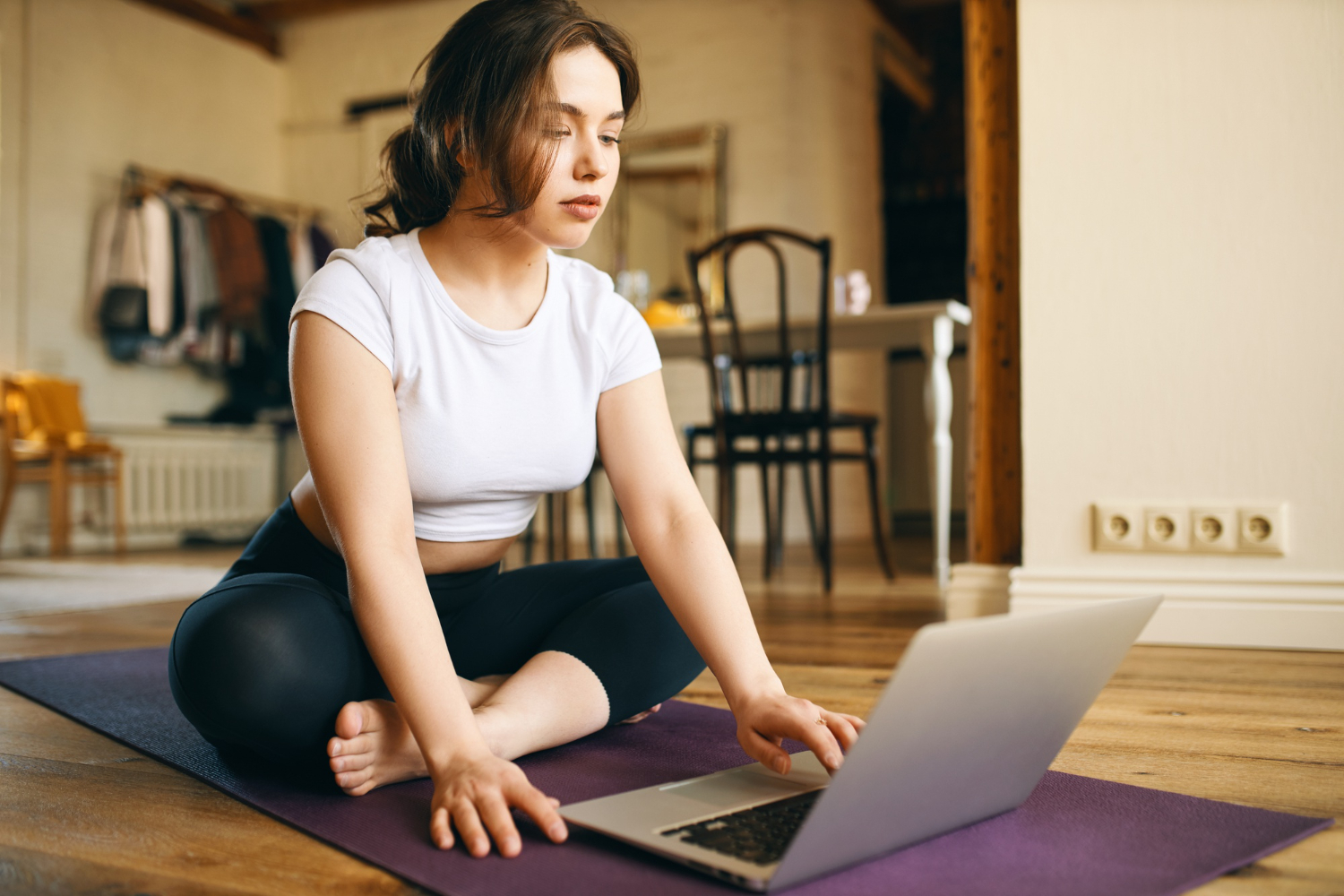
Adding practical movement to your day can dramatically increase your NEAT, supporting your overall health.
Below, we list 20 practical daily movement habits, including morning movement rituals, workday movements strategies, and evening activity ideas to keep you moving throughout the day.
1. Easy Morning Stretches
Gentle stretches can boost you daily NEAT. From morning pandiculation (morning stretch and yawn), arms raise mountain pose, and chest doors stretch all increase blood flow, lengthen muscles, loosen joints, and increase energy expenditure.
2. Grounding
Grounding refers to making direct skin contact with the surface of the Earth, which is shown to reduce inflammation, stress, and improve blood flow. This practice does not directly increase NEAT, however, activities surrounding it such as walking, gentle stretching, and standing can increase NEAT.
3. Standing
Standing and gently moving during your morning can help increase your energy expenditure. This can be standing while waiting for the kettle to boil and eating will effortlessly increase your NEAT
4. Incidental Exercises
Performing gentle, incidental exercises such as calf raises while making breakfast, chair squats when sitting down or standing up, or performing a few push-ups on the kitchen counter can help engage major muscle groups and increase NEAT.
5: Performing Morning Chores
Integrating morning chores can increase NEAT. These can be as simple as making your bed, opening your blinds, watering plants, tidying the kitchen, feeding pets, or even cooking your own breakfast provides the opportunity to increase expenditure.
1. Active Commute
Where possible, consider cycling or walking to work. Even small distances performed consistently can provide major benefits to your long-term health.
2. Walking to Lunch
Walking to or during lunch can boost your energy expenditure. Whether you are walking to your favorite cafe, or taking a packed lunch to the park, this is an excellent way to not only increase NEAT, but to also give you a healthy midday reset.
3. Taking the Stairs
Taking the stairs when applicable is one the most effective ways to increase your daily energy expenditure. Whether this during your commute or at your office, it can provide that boost energy expenditure while strengthening the lower body.
4. Parking Further
Parking further away from the office or at the train station will help you increase your daily step count and energy expenditure.
5. Pacing During Phone Calls
Pacing during a phone call is a great way to get the body moving and blood pumping during the work day. If you are someone who has an office or open space and takes multiple calls a day, this can increase your energy expenditure dramatically.
6. Stand Every Hour
Standing and taking regular breaks every hour is a great way to keep the body moving during your work day. Whether this is a small trip to the bathroom or to get a drink, it can increase energy expenditure, keep your muscles engaged, and joints mobile.
7. Perform Desk Stretches
Desk stretches are a fantastic way to increase NEAT, reduce stiffness, release feel good hormones, and boost energy levels.
8. Fidget
Fidgeting or performing small repetitive movements such as foot tapping, leg bouncing, playing with objects is a great way to subconsciously increase NEAT.
1. Play with the Kids
Spending time and playing with kids will provide a recreational boost to your NEAT. No matter how big or small the activity, it all contributes to your energy expenditure.
2. After Dinner Walk
Walking after your evening meals not only will help you burn those extra calories, it also improves digestion. Even just a small 10–20 minute low intensity stroll can dramatically increase your NEAT over time.
3. Gardening
Gardening is a task based activity that can burn a massive amount of energy. Tasks such as weeding, digging, watering, and lifting objects quickly add up, making a considerable contribution to your NEAT.
4. Cooking
Cooking meals at home is not only excellent for your budget, but helps you burn those extra calories. Those additionally 20+ minutes each night moving about the kitchen, lifting, chopping, and stirring all contribute to your NEAT.
5. Stretching Routine
Performing a light stretching routine is a great way to increase energy expenditure, improve blood flow, and promote relaxation. This can also be performed in front of the TV or as a relaxation yoga session to wind down before bed.
6. Prepare For the Next Day
Getting organized for the following days is a productive way to increase NEAT. Tasks such as getting outfits ready, lunches organized, laundry folded, and other household and work-releated tasks not only will give you a head start on the following day, but will help increase daily energy expenditure.
7. Dance
One of the simplest ways to boost energy expenditure. Just simply choosing your favourite playlist and dancing while cooking, cleaning, and doing household chores is a fun way to increase your heart rate, burn additional calories, and make those everyday tasks more enjoyable.
Movement Snacks: Micro-Workouts Throughout the Day
Performing micro-workouts is great for adding more movement to your day. Below, explain what movement snacks are, 10 different types, and how to strategically perform them throughout your day.
What Movement Snacks Are
Movement snacks are brief bursts of exercise that can be added to your day to increase blood flow, decrease tension, and break-up long periods of sitting.
Being short in duration means they can be integrated into everyday life. For example, movements such as chair squats can be performed each time you stand up or sit down. This helps to strengthen the lower body, increase blood flow, and increase energy expenditure.
10 Effective 2-5 Minute Movement Snacks
Here is a list of 10 effective movement snacks that you can add to your day.
1. Chair Squats
Chair squats are a prime example of a movement snack as they are performed every day. Performed each time you sit down or stand up from your chair, they help develop technique, improving your ability to stand up without pushing up your hands.
2. Calf Raises
What makes calf raises such a great movement snack is that they can be done anywhere at any time. These can be performed by setting daily goals for the number of repetitions, a set duration, and even just every time you find yourself standing.
3. Door Chest Stretch
The chest door stretch is highly effective for opening up the chest and improving posture. Performed by lifting the arms out to 90-degrees and placing the hands and forearm on the door frame and gently leaning forward it can be done whenever you have access to a door.
4. Bench Push-Ups
Bench push-ups are performed by doing push-ups on an elevated surface such as a kitchen counter or desk. These allow you to strengthen your upper body any time you find yourself with a free moment while cooking, in the bathroom, or even at your desk.
5. Seated Arms Raised Mountain Pose
The seated arm raise mountain pose is chair yoga exercise that relieves tension, promotes relaxation, and improves flexibility and mobility. This is excellent for anyone who sp[end long hours at their desk and needs to reset their mind and body.
6. Shoulder Rolling
Shoulder rolling is somatic exercise that establishes a mind-body connection while relieving tension, and promoting relaxation. Performed by gently rolling the shoulder back for a short duration, it can be used to correct posture and develop body awareness.
7. Seated Cat Cow
The seated cat cow is a chair yoga exercise that is used to improve posture and promote spinal alignment and mobility. Performed in the seated position, it is great for resetting posture and relieving upper body tension throughout the work day.
8. Marching
Marching is a movement snack that can help develop balance, increase energy expenditure, and get the lower body movement. Performed by marching, with the aim to lift your knees to 90-degrees, it engages the core, hip flexors, and improves balances. Like many of the movement snacks on this list, it can be performed when you find yourself standing.
9. Tree Pose
The tree pose is a yoga exercise that is designed to improve balance, stability, and posture. Performed by standing on one leg with hands in the prayer position, it requires the core, hips, and ankle to engage to maintain balance. This can be combined to add to your ground routine to establish a strong mind-body connection at the beginning of each day.
10. Seated Forward Fold
The seated forward fold is another great chair yoga exercise which helps to relieve tension. Performed by folding the body forward in the seated position, lengthens the hamstrings, glutes, spinal muscle, while decompressing the spine.
Strategic Timing for Movement Snacks
Strategic timing is essential when attempting to inject movement snacks into your daily routine. While they are easy to perform, doing so without a plan can make it difficult to remember and establish a routine.
One of the best ways to implement movement snacks is by assigning them to existing habits, routine, and allocating the target number of repetitions or duration for each movement.
Here are sample strategies for implementing your movement snacks:
- Outdoors: Tree pose while grounding each morning for 2-5 minutes.
- Kitchen: Perform a set of calf raises, tree poses while cooking.
- Seated: Perform a chair squat each time you sit down or stand up. Aim for 20 repetitions daily.
- Desk/Office: Perform a 2–5 minute routine of shoulder rolls, seated mountain poses, seated forward fold, seated cat cow, and seated mountain pose as a midday reset.
- Bathroom: Marching when brushing teeth, do bench push-ups before a shower.
- Doorway: Perform chest door stretch at any doorway in the morning, midday, and evening.
Creating Movement-Rich Environment
One of the best things you can do when implementing daily movement habits is to create a movement-rich environment. Below, implementing daily movement habits, including how to create an environment designed for movement, workspace setup to encourage movement, and removing barriers to movement.
Home Environment Design for Movement
Designing a home environment for movement can be done by decluttering your existing spaces, and adding items that encourage movement.
Here is a list of ways to create movement encouraging spaces.
- Create Exercise Living Spaces: Turning your living spaces into designated living spaces will prompt and encourage you to be more active with your daily movement. Adding specific furniture, removing clutter, and placing portable equipment will prompt you to be more active in the space, improving your daily movement habits.
- Remove Clutter: Decluttering spaces helps remove distractions and provide clarity.
- Standing Desk: Standing desks are great to encourage movement and increase NEAT. Remaining in the standing position will give you the opportunity to perform your movement snacks such as marching, calf raises, and tree pose.
- Use Furniture to Encourage Exercise: Furniture can be placed to encourage movement and exercise different spaces around the house. For example, added chairs that can be used for chair squats, sturdy coffee tables for dips, and steps for step ups. Intentionally placing these items will prompt you to perform these movements.
- Encourage Ground Level Living: Use low tables and cushions to encourage ground living. Setting down and standing up from the floor helps to strengthen muscle and maintain flexibility and mobility.
- Exercise and Mobility Equipment: Placing portable equipment such as exercise bands, fitballs, dumbbells at different seating stations can help prompt movement. Bands at a desk prompt rowing exercises to strengthen posture. while a fitball in the lounge room to promote active sitting.
Workspace Setup That Encourages Activity
Designing a workout space at your home or office that encourages physical activity can help you develop healthier movement habits.
For example, if you are seated, ensure your face is 50 cm away from your monitor, eyes level with the top of the screen, your feet are flat on the floor, back is supported, and arms and shoulders are relaxed.
From here, we recommend position objects just out of reach, behind you or around the office to encourage you to stand up and move around regularly. Doing this is also helpful if you are working with a stand-up desk.
Removing Barriers to Movement
Removing barriers to movement can be done by decluttering space and adding furniture that encourage physical activity.
Research indicates that clutter is associated with negative affect, lower positive affect, and lower mental-well-being.
Removing movement barriers including unnecessary furniture and loose items can help improve clarity, and free up the mind and body. From here, you can begin to create your ideal living space centered around physical activity.
Overcoming Common Movement Barriers
There are several movement barriers that can stop us moving throughout the day. Below, we explore how to overcome movement barriers, including addressing time constraints, how to manage energy levels, and how to weather-proof movement strategies.
Time Constraints and Creative Solutions
Tight schedules are one of the biggest barriers to increasing physical activity, as careers, children, and after school activities are often prioritized leaving little time for exercise.
To remedy this, you must begin scheduling your exercise sessions, adding movement snacks, and smaller exercise sessions to your day. While shorter sessions and movement snacks may feel inadequate compared to a standard workout, they help encourage movement, which can increase longevity.
Furthermore, don’t be afraid to get creative with how you add them to your routine. Movement habits such as performing multiple chair squats each time you sit, dancing while cooking, and performing small desk workouts can all increase NEAT.
Energy Management for More Movement
Managing energy levels is an invaluable skill for increasing movement and forming healthier habits. If you are experiencing fluctuating energy levels it is important to know when to rest and take, and when to capitalize when you're feeling energized.
During periods of low energy, movement snacks and healthy movement habits are more suitable, allowing you to get the body moving without needing to commit to an entire workout.
In addition to this, we recommend doing mindfulness practices such as breathwork, relaxation yoga, and meditation. Not only do these require smaller amounts of physical energy, they force you to schedule time to rest and recharge.
Encouraging movement during times of low energy can feel counter intuitive, however, due to its ability to release feel good hormones, increase circulation, and boost mood, it can sometimes be the best thing when you’re in a funk.
Weather-Proof Movement Strategies
Weather is one of the biggest barriers to maintain an exercise routine. While not all physical activity is outdoors, gloomy weather can make it difficult to stay motivated.
Here is a list of weather-proof movement strategies to keep you moving consistently.
- Schedule Classes: Booking exercise classes is a great way to keep yourself accountable. Besides being great for training, classes are also social, providing additional motivation.
- Home Workouts: Furniture and portable exercise equipment are great for performing home workouts. This removes the barrier of having to leave the house, making it easier to adhere to your exercise routine.
- Training with a Friend: Like training in a group, exercising with a friend can help you stay consistent with your movement routines. Not only is training together more enjoyable, it will stop you from skipping your session as you will be lettering your partner down.
Building Consistent Movement Habits
Staying consistent has a major impact on your results and overall health. Below, we discuss how to build consistent movement habits, including habit stacking, starting small and progressing, and how to track without obsession.
Habit Stacking for Daily Movement
Habit stacking refers to a practice where you link a new habit to an existing one in your daily routine. For example, if you want to develop the habit of grounding each morning, consider adding it to your day while you are waiting for the kettle to boil. This is effective as it will not add much time to your existing routine.
Another example is adding chair squats to each time you sit down. This is effective as you sit down several times each day, providing you with many opportunities to develop correct squatting technique and lower body strength.
Starting Small and Progressing
When adding healthy movement habits, focus on starting small. While this can take longer than a big training overhaul, it makes the changes easier to manage alongside your existing routine.
Once you have maintained the new habit for an extended duration, then you can consider progressing by increasing duration, the number or repetitions, and difficulty. Progressing this way will help you improve consistency, leading to greater long–term health.
Tracking Without Obsession
Tracking is essential when increasing your daily movement, however, you must strike the correct balance to ensure that you don’t become obsessive.
Before you begin, we recommend taking baseline measurements of your weight, clothing size, energy levels, and mood. Alongside this, make a list of the movement snacks and new habits you want to implement, recording the duration, repetitions.
You can then perform a monthly check-in, and record any changes to these areas. This will help you track your progress without becoming obsessive.
Complementing Structured Exercise Programs

Adding movement habits to your routine are excellent for supplementing your workouts. Below, we discuss how to complement structured exercise programs, including how daily movement supports workout results, balancing NEAT, and intentional exercise, and how to perform recovery-friendly movement.
How Daily Movement Supports Workout Results
Daily movement habits and movement snacks are great for integrating movement patterns into everyday life.
While workout routines are great for developing strength and improving function, their mechanics are not always carried over to life outside of our workouts. Daily movements and movement snacks provide the opportunity to integrate these movements into every life, while also reinforcing correct technique.
Balancing NEAT and Intentional Exercise
Intentional exercise and performing movement habits are effective for boosting energy expenditure, however, a balance must be struck to ensure you are moving enough during the day to counteract sedentary lifestyle.
To do this, we recommend following a personalized exercise program and schedule, while choosing a selection of movement habits to add to your day.
Exercise programs and schedules help to increase strength and function. While movement habits integrate many of the movements and increase daily physical activity.
Combined, this balance of NEAT and intention exercise can help to improve physical, mental, and emotional health, now and well into later life.
Recovery-Friendly Movement
Movement habits are helpful for recovery between workouts. Structured exercise programs are designed to place a controlled level of stress on the body to promote growth. Following this, the body requires ample time to restore muscle energy stores and repair muscle tissue.
Movement habits centered around light stretching, and joint mobility can increase blood flow and encourage movement, aiding in the recovery process.
Chair Yoga that meets you where you are.
Get your planSources
- Levine JA. Non-exercise activity thermogenesis (NEAT). Best Pract Res Clin Endocrinol Metab. 2002 Dec;16(4):679-702. doi: 10.1053/beem.2002.0227. PMID: 12468415. https://pubmed.ncbi.nlm.nih.gov/12468415/
- Flint B, Tadi P. Physiology, Aging. [Updated 2023 Jan 4]. In: StatPearls [Internet]. Treasure Island (FL): StatPearls Publishing; 2025 Jan-. Available from: https://www.ncbi.nlm.nih.gov/books/NBK556106/
- Volpi E, Nazemi R, Fujita S. Muscle tissue changes with aging. Curr Opin Clin Nutr Metab Care. 2004 Jul;7(4):405-10. doi: 10.1097/01.mco.0000134362.76653.b2. PMID: 15192443; PMCID: PMC2804956. https://pmc.ncbi.nlm.nih.gov/articles/PMC2804956/
- Dobbs MB, Buckwalter J, Saltzman C. Osteoporosis: the increasing role of the orthopaedist. Iowa Orthop J. 1999;19:43-52. PMID: 10847516; PMCID: PMC1888612. https://pmc.ncbi.nlm.nih.gov/articles/PMC1888612/
- McGowan LJ, Powell R, French DP. Older adults' construal of sedentary behaviour: Implications for reducing sedentary behaviour in older adult populations. J Health Psychol. 2021 Oct;26(12):2186-2199. doi: 10.1177/1359105320909870. Epub 2020 Mar 1. PMID: 32114825; PMCID: PMC8438784. https://pmc.ncbi.nlm.nih.gov/articles/PMC8438784/
- Oschman JL, Chevalier G, Brown R. The effects of grounding (earthing) on inflammation, the immune response, wound healing, and prevention and treatment of chronic inflammatory and autoimmune diseases. J Inflamm Res. 2015 Mar 24;8:83-96. doi: 10.2147/JIR.S69656. PMID: 25848315; PMCID: PMC4378297. https://pmc.ncbi.nlm.nih.gov/articles/PMC4378297/
- Quinn, F. (2025) ‘Home clutter and mental well-being: Exploring moderators and the mediating role of home beauty’, Journal of Environmental Psychology, 105, 102672. https://www.sciencedirect.com/science/article/pii/S0272494425001550
FAQs
What is NEAT and why is it important for women over 40?
NEAT, or Non-Exercise Activity Thermogenesis, refers to the energy expended for everything we do that is not sleeping, eating, or sports-like exercise. It's important because it can significantly impact weight management and overall health by incorporating more movement into daily routines, which is crucial as we age.
How can I incorporate more movement into my daily routine without formal exercise?
You can increase daily movement by incorporating small habits like taking the stairs instead of the elevator, walking during phone calls, or doing light stretches in the morning. These activities contribute to your overall NEAT and help maintain health.
Why should women over 40 focus on movement beyond just exercise?
Focusing on movement beyond formal exercise helps combat the effects of a sedentary lifestyle, which can accelerate aging and lead to health issues. Regularly moving throughout the day supports muscle and bone health, boosts metabolism, and can enhance cognitive function.
Can small daily activities really make a difference in my health?
Yes, small activities like gardening, cleaning, or even standing while chatting can add up over time and significantly increase your daily calorie expenditure. These movements help maintain a healthy body weight and support overall well-being.
Should I worry if I can't fit in a full workout every day?
Not necessarily. While regular exercise is beneficial, incorporating daily movement through NEAT can also greatly enhance your health. Focus on integrating movement into your daily life to complement any formal exercise you do manage to fit in.